






Crayola Experience Pigeon Forge Overview
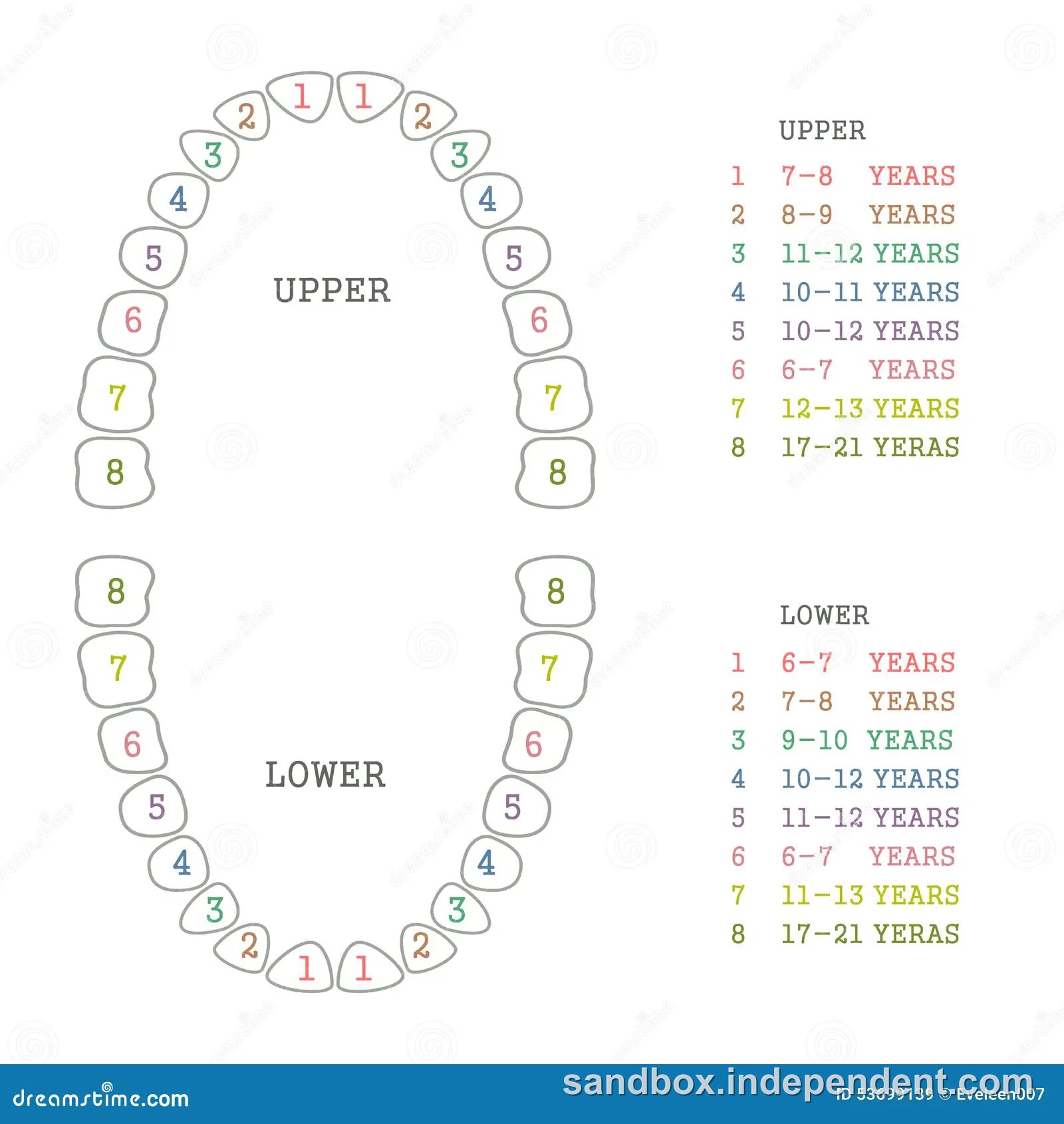
You're probably here because you need a quick guide to understanding the teeth names chart and its various systems. It's a handy reference tool, and you're right to seek out a simple explanation. This chart, often referred to as a dental anatomy chart, provides a visual guide to tooth identification, and it's important to grasp the basics. While the specific values and formats may vary depending on the system used, be it the universal numbering system or the palmer notation method, the core concept remains the same.
Teeth Names Chart: Decoding Your Dental Anatomy
The teeth names chart is your guide to understanding the unique language of dental anatomy. It's a visual reference tool that helps identify and locate each tooth in your mouth. This chart is essential for dentists, dental students, and anyone interested in oral health to communicate effectively about teeth positions and conditions.
Key Details: Understanding Tooth Positions and Naming Conventions
The chart typically follows a standard format, with teeth represented by numbers or symbols. The most common systems are the universal numbering system and the Palmer notation method. The universal system uses a simple numbering sequence, while Palmer notation employs a combination of letters and numbers. These systems ensure consistency in identifying teeth across different regions and dental practices.
Reading the Chart: A Step-by-Step Guide
When reading a teeth names chart, you'll notice a grid-like structure. Each row represents a dental arch, either the upper or lower jaw, and each column corresponds to a specific tooth. Here's a breakdown:
- Start by identifying the jaw: upper or lower. This is usually indicated at the top of the chart.
- Locate the specific tooth you want to identify. Each tooth is assigned a unique number or symbol.
- Understand the tooth's position: central, lateral, canine, premolar, or molar. These are the different types of teeth and their positions in the mouth.
- Note any additional details: The chart may provide extra information, such as the tooth's side (right or left) or specific quadrant.
Variations and Differences Across Standards
While the teeth names chart provides a standardized framework, variations exist due to different dental associations and regions. The FDI World Dental Federation, for instance, uses a unique notation system. Additionally, some charts may include extra details like tooth surfaces or specific conditions. It's crucial to be aware of these variations, especially when consulting international dental resources.
Common Mistakes and How to Avoid Them
One common mistake is misinterpreting the chart's symbols or numbers. Always refer to the chart's legend or key to ensure accurate understanding. Another pitfall is assuming a universal chart fits all contexts. Always double-check the specific standard or system being used, especially when dealing with international patients or dental records.
Practical Tips for Accurate Results
To make the most of the teeth names chart, familiarize yourself with the different numbering systems and their applications. Practice reading and interpreting the charts regularly to enhance your dental knowledge. When in doubt, consult a dental professional or refer to reputable dental resources for clarification. Remember, accurate tooth identification is crucial for effective dental treatment planning.
Hey there, teeth enthusiasts! We hope this guide has given you a solid foundation to understand teeth names and their charts. Remember, while we've covered the basics, the specifics might differ slightly based on your unique situation or the source you're referring to.
Don't stop here! Our site offers a wealth of other practical guides and resources to enhance your dental knowledge. Why not check out some related content and keep learning? We've got you covered with more tips and tricks to make your dental adventures a breeze.
Related: Public Listed Construction Company Essential Guide
I was walking past a busy construction site the other day, and it got me thinking about public listed construction companies. Who are these firms, and what do they do? Well, let's find out!
Understanding Public Listed Construction Companies
A public listed construction company is a business that builds and renovates structures, from homes to commercial buildings, and everything in between. These companies are often large-scale operations, with the resources to take on major projects. They might construct new buildings from the ground up or handle complex renovations and additions. The key here is that these companies are publicly listed, which means their shares are traded on a stock exchange and anyone can invest in them.
So, why does this matter? Well, for one, it means these companies are usually well-established and financially stable. They have the backing of investors and the public market, which can be a good sign of their long-term viability. This stability is important when you're considering hiring a contractor for a big project. You want to know they'll be around to honor their warranty and provide ongoing support.
Hiring a Contractor: What to Look For
When you're in the market for a contractor, whether it's for a home renovation or a new build, there are a few key things to consider. First, check their licensing and insurance. Make sure they're properly registered and insured for the work they do. This protects you in case of accidents or issues down the line. Next, ask for references and check their online reviews. Seeing what past clients have to say can give you a good idea of the company's reliability and quality of work.
It's also important to get multiple quotes. Prices can vary widely, and you want to make sure you're getting a fair deal. Compare apples to apples though; make sure the scope of work is the same across all quotes. And don't forget to ask about the timeline. A good contractor will give you a realistic estimate of how long the project will take, and they should be able to explain any potential delays.
Naming Your Construction Business
If you're in the construction business or thinking of starting one, you'll need a great name. A catchy, memorable name can help you stand out and make a good first impression. But what makes a good name? It should be unique, easy to remember, and reflect your business's personality or services. Avoid names that are too generic or could be confused with other businesses.
Here are a few original name ideas:
- BuildCraft
- Renova Solutions
- StructureWorks
- HomeRevamp
- ConstructoPros
- BuildTech
Remember to check the availability of these names and secure the relevant domains and local registrations before you finalize your choice.
The Construction Industry: A Quick Overview
The construction industry is a vast and diverse field, with roles ranging from general contractors to specialized tradespeople. Estimators, for example, play a crucial role in calculating costs and providing accurate quotes. Then there are project managers, who oversee the entire operation, ensuring it stays on track and within budget. These jobs can be found through various channels, including online job boards, industry-specific websites, and even word-of-mouth recommendations.
Data and Tools: RSMeans and More
In the construction world, tools like RSMeans are essential. RSMeans provides cost data and estimating tools, helping contractors and companies accurately price their work. It's a valuable resource for staying competitive and ensuring projects are financially viable. Similarly, cost databases and indexes are used to track and predict construction costs, helping businesses plan and budget effectively.
Large vs. Small Construction Firms
The construction industry is diverse, with a range of company sizes. Large firms often have the resources to take on big, complex projects and may have a national or even international presence. They can offer a wide range of services and have the manpower to handle multiple projects simultaneously. On the other hand, smaller firms might specialize in a particular area, like home renovations, and offer a more personalized service. They might be better suited to local projects and have a strong understanding of the specific market and its needs.
So, there you have it! A quick dive into the world of public listed construction companies. Whether you're looking to hire a contractor or just curious about the industry, I hope this gives you a better understanding of what these companies do and how they operate.
Related: What is the Igora Color Chart?
Many people struggle with understanding the Igora color chart and often make the mistake of overlooking its simplicity. It's not as complex as it may seem! The Igora color chart is a straightforward tool designed to guide you through the world of hair coloring. This handy reference offers a clear overview of hair dye shades and their corresponding numbers, making it easy to choose and mix colors.
Understanding the Igora Color Chart
The Igora color chart is your go-to guide for achieving perfect hair color results. It's a visual reference tool that displays a range of hair dye shades, offering a clear representation of what each color looks like when applied to hair. This chart is a hair stylist's best friend, providing a quick and easy way to choose and visualize colors.
Comparing Color Options: Standard Notation and Families
The Igora color chart follows a standard color notation system, typically using a combination of numbers and letters to represent different shades. For example, a shade might be labeled as "5.1" or "7N," where the number indicates the level of lightness or darkness, and the letter represents the tone or family of the color. This system ensures consistency and makes it easier to communicate and reproduce colors accurately.
Step-by-Step: Using the Igora Color Chart
To use the Igora color chart effectively, follow these simple steps:
Identify the desired color family or tone. The chart often groups similar colors together, making it easy to browse and compare shades within a specific family.
Look for the corresponding number or code. Each shade has a unique code, which is usually a combination of numbers and letters. This code provides essential information about the color's characteristics.
Assess the level of lightness or darkness. The number in the code indicates the level of lightness, with lower numbers representing darker shades and higher numbers indicating lighter ones. This helps you choose the right shade for your desired outcome.
Consider the tone or family. The letter in the code represents the tone or family of the color, such as natural (N), ash (A), or copper (C). This helps you achieve the desired warmth or coolness in the final result.
Refer to color swatches or models. Many charts include visual swatches or models to give a more accurate representation of how the color will look on hair. This step is crucial for ensuring you choose the right shade.
Avoiding Misreadings and Pitfalls
While the Igora color chart is straightforward, there are a few potential pitfalls to avoid:
Be mindful of lighting conditions. The appearance of colors can vary under different lighting, so it's essential to view the chart under similar lighting to the final application environment.
Understand color mixing. Some shades may require mixing, and the chart might not explicitly show the mixed result. In such cases, refer to a color mixing guide for accurate color combinations.
Consider hair type and condition. The final color result can vary depending on the hair's porosity, previous color treatments, and overall condition. Always conduct a strand test to ensure the desired outcome.
Factors Affecting Accuracy
Several key factors can influence the accuracy of the Igora color chart and the final hair color result:
Hair porosity: The ability of hair to absorb and retain color can vary, affecting the intensity and longevity of the chosen shade.
Previous color treatments: If the hair has been previously colored, the existing color and its condition can impact the final result.
Developer volume: The strength of the developer used can affect the lightness or darkness of the color. Always follow the recommended developer volume for the desired shade.
Processing time: The time the color mixture is left on the hair can impact the final result. Follow the recommended processing time for accurate results.
Adapting the Chart for Specific Needs
The Igora color chart is versatile and can be adapted to suit different needs and preferences. Here are a few ways to customize its use:
Choose the right format: Igora offers various chart formats, including digital versions and physical charts. Select the format that best suits your working style and environment.
Consider personal preferences: Some stylists prefer to work with a more extensive color palette, while others may focus on specific color families. Tailor your chart selection to your preferred color range.
Stay updated: Igora regularly updates its color charts to reflect new shades and trends. Ensure you have the latest version to access the most up-to-date color options.
By understanding the Igora color chart, following a simple step-by-step process, and considering key factors, you can achieve accurate and stunning hair color results.
Hey there, hope this guide has given you a good grasp of the Igora color chart and its uses. Remember, the exact details might differ slightly depending on the source or standard you're working with, so always double-check.
If you're keen to explore more, we've got a bunch of other guides on various topics that might interest you. Just take a casual scroll through our site and see what catches your eye! It's a great way to keep learning and stay informed.