










Cursive Worksheets Name Overview
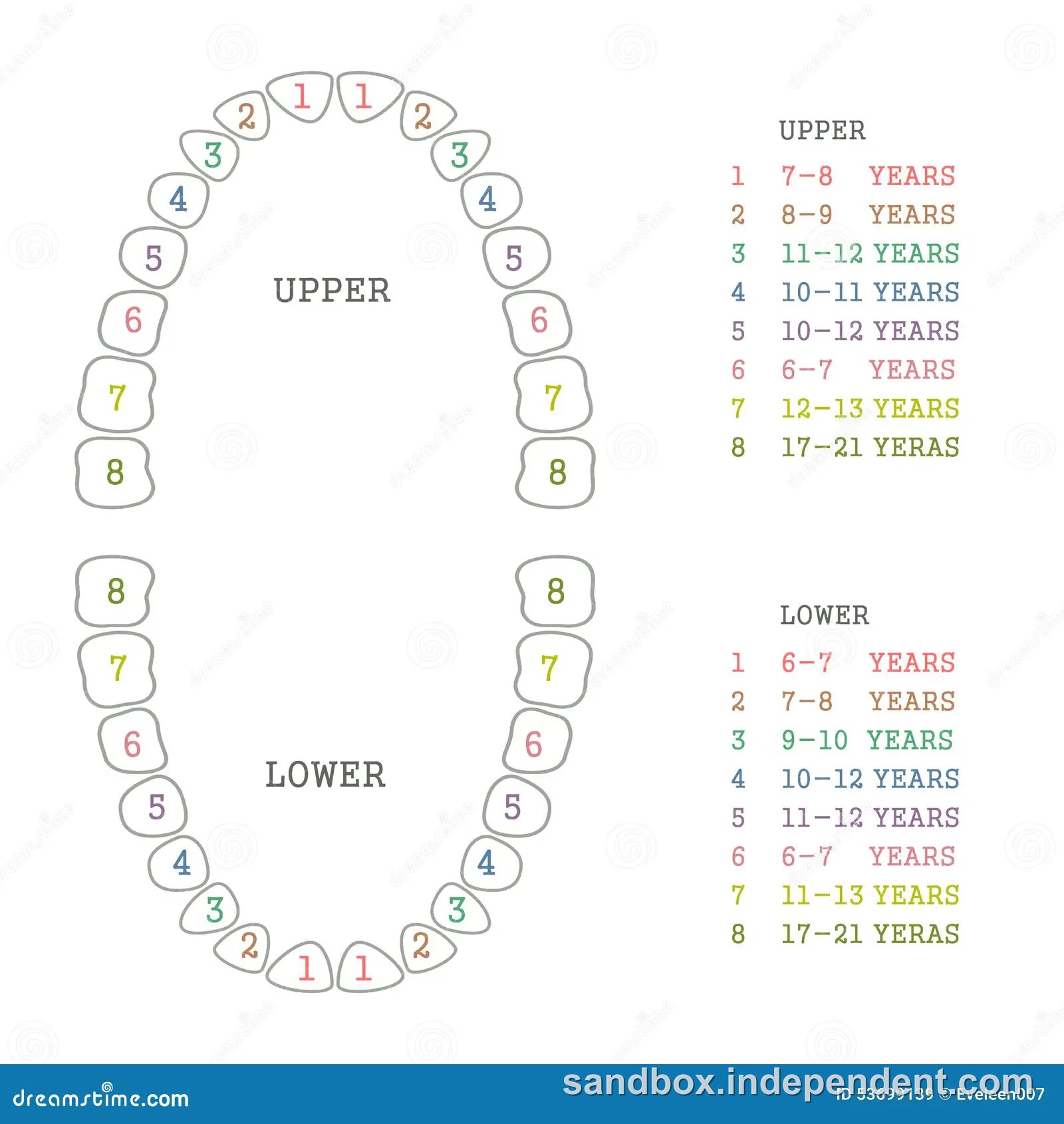
You're probably here because you need a quick guide to understanding the teeth names chart and its various systems. It's a handy reference tool, and you're right to seek out a simple explanation. This chart, often referred to as a dental anatomy chart, provides a visual guide to tooth identification, and it's important to grasp the basics. While the specific values and formats may vary depending on the system used, be it the universal numbering system or the palmer notation method, the core concept remains the same.
Teeth Names Chart: Decoding Your Dental Anatomy
The teeth names chart is your guide to understanding the unique language of dental anatomy. It's a visual reference tool that helps identify and locate each tooth in your mouth. This chart is essential for dentists, dental students, and anyone interested in oral health to communicate effectively about teeth positions and conditions.
Key Details: Understanding Tooth Positions and Naming Conventions
The chart typically follows a standard format, with teeth represented by numbers or symbols. The most common systems are the universal numbering system and the Palmer notation method. The universal system uses a simple numbering sequence, while Palmer notation employs a combination of letters and numbers. These systems ensure consistency in identifying teeth across different regions and dental practices.
Reading the Chart: A Step-by-Step Guide
When reading a teeth names chart, you'll notice a grid-like structure. Each row represents a dental arch, either the upper or lower jaw, and each column corresponds to a specific tooth. Here's a breakdown:
- Start by identifying the jaw: upper or lower. This is usually indicated at the top of the chart.
- Locate the specific tooth you want to identify. Each tooth is assigned a unique number or symbol.
- Understand the tooth's position: central, lateral, canine, premolar, or molar. These are the different types of teeth and their positions in the mouth.
- Note any additional details: The chart may provide extra information, such as the tooth's side (right or left) or specific quadrant.
Variations and Differences Across Standards
While the teeth names chart provides a standardized framework, variations exist due to different dental associations and regions. The FDI World Dental Federation, for instance, uses a unique notation system. Additionally, some charts may include extra details like tooth surfaces or specific conditions. It's crucial to be aware of these variations, especially when consulting international dental resources.
Common Mistakes and How to Avoid Them
One common mistake is misinterpreting the chart's symbols or numbers. Always refer to the chart's legend or key to ensure accurate understanding. Another pitfall is assuming a universal chart fits all contexts. Always double-check the specific standard or system being used, especially when dealing with international patients or dental records.
Practical Tips for Accurate Results
To make the most of the teeth names chart, familiarize yourself with the different numbering systems and their applications. Practice reading and interpreting the charts regularly to enhance your dental knowledge. When in doubt, consult a dental professional or refer to reputable dental resources for clarification. Remember, accurate tooth identification is crucial for effective dental treatment planning.
Hey there, teeth enthusiasts! We hope this guide has given you a solid foundation to understand teeth names and their charts. Remember, while we've covered the basics, the specifics might differ slightly based on your unique situation or the source you're referring to.
Don't stop here! Our site offers a wealth of other practical guides and resources to enhance your dental knowledge. Why not check out some related content and keep learning? We've got you covered with more tips and tricks to make your dental adventures a breeze.
Related: A Guide to the Cursive ABC Chart
A cursive abc chart is a valuable tool for anyone wishing to master the art of cursive handwriting. This guide will provide an overview of what these charts offer and how they can improve your penmanship.
The chart is a visual aid, offering a clear and concise reference for the cursive alphabet. It displays the letter formations and connections, allowing users to understand the flow and style of each letter. While there may be variations in certain styles or regional preferences, the cursive abc chart provides a solid foundation for learning and practicing this elegant writing style.
Understanding the Cursive ABC Chart
The cursive abc chart is a valuable tool for mastering cursive handwriting. It serves as a visual guide, providing a reference for the unique forms and connections of each letter in the cursive alphabet. This chart is an essential learning aid, especially for beginners, as it offers a clear overview of the basic strokes and letter formations.
Comparing Cursive Styles and Standards
Cursive writing, much like other writing styles, can vary based on regional standards and personal preferences. While the cursive abc chart typically follows a standard format, it's essential to note that there might be slight variations in letter shapes and connections. For instance, the cursive alphabet used in the United States might differ slightly from that used in the United Kingdom.
Step-by-Step Guide to Using the Chart
To make the most of your cursive abc chart, follow these steps:
- Begin by familiarizing yourself with the chart. Observe the unique shapes and connections of each letter.
- Practice forming the letters, paying attention to the starting and ending points of each stroke.
- Connect the letters to form words, focusing on the natural flow of cursive writing.
- Start with simple words and gradually increase the complexity as you gain confidence.
- Regular practice is key; allocate dedicated time for handwriting exercises.
Common Mistakes and How to Avoid Them
When learning cursive, it's common to encounter challenges. Some letters might be particularly tricky due to their intricate forms. To avoid mistakes, ensure you:
- Pay close attention to the direction and placement of each stroke.
- Practice slowly and deliberately, focusing on accuracy rather than speed.
- Seek guidance from a teacher or use online resources for additional support.
Factors Affecting Accuracy and Real-World Application
The accuracy of your cursive writing depends on various factors, including your handwriting style, practice consistency, and attention to detail. Additionally, the context in which you use cursive writing can influence its application. For instance, formal documents might require a different style or size than personal notes.
Adapting the Chart for Specific Needs
The cursive abc chart is versatile and can be adapted to suit different learning styles and goals. If you're a visual learner, consider using colored pens or markers to highlight specific letters or connections. For a more tactile approach, try tracing the letters with your finger or a stylus on a tablet. Additionally, you can create your own practice sheets based on the chart to focus on specific letters or word formations.
Hey there! I hope this guide has been a helpful resource for you. Remember, when it comes to cursive ABC charts, the specifics can differ slightly based on your unique circumstances.
Feel free to explore other guides on this topic, as well, to find the one that best suits your needs. And don't forget to bookmark this page for future reference; it's always handy to have a quick go-to resource for those moments when you need a refresher on cursive writing.
Related: General Contractor Names Essential Guide
"Hmm, I need to find a good general contractor for my home renovation. Any ideas on where to start?"
Understanding General Contractor Names
When you're planning a construction project, whether it's a new build or a renovation, one of the first steps is finding the right general contractor. General contractor names can be a bit of a mystery, but it's an important part of the process. These names are like a window into the company's identity and can give you a sense of their expertise and reputation.
So, how do you go about finding and choosing the right one? Well, it's not just about the name, but what it represents. A good general contractor will have a solid team, the right skills, and a track record of successful projects.
Choosing the Right Contractor
When you're searching for a general contractor, it's essential to do your research. Look for companies with a strong online presence and read reviews from previous clients. Check their portfolio to see if they've worked on similar projects to yours. You want to ensure they have the necessary experience and can handle the scope of your job.
Ask for references and contact previous clients to get an honest opinion on the contractor's work. It's also a good idea to meet with the contractor in person to discuss your project and get a feel for their communication style and approach.
Pricing and Quotes
One of the biggest concerns when hiring a general contractor is the cost. Pricing can vary greatly depending on the scope of the project, materials, and labor costs. It's crucial to get several written quotes to compare and ensure you're getting a fair deal.
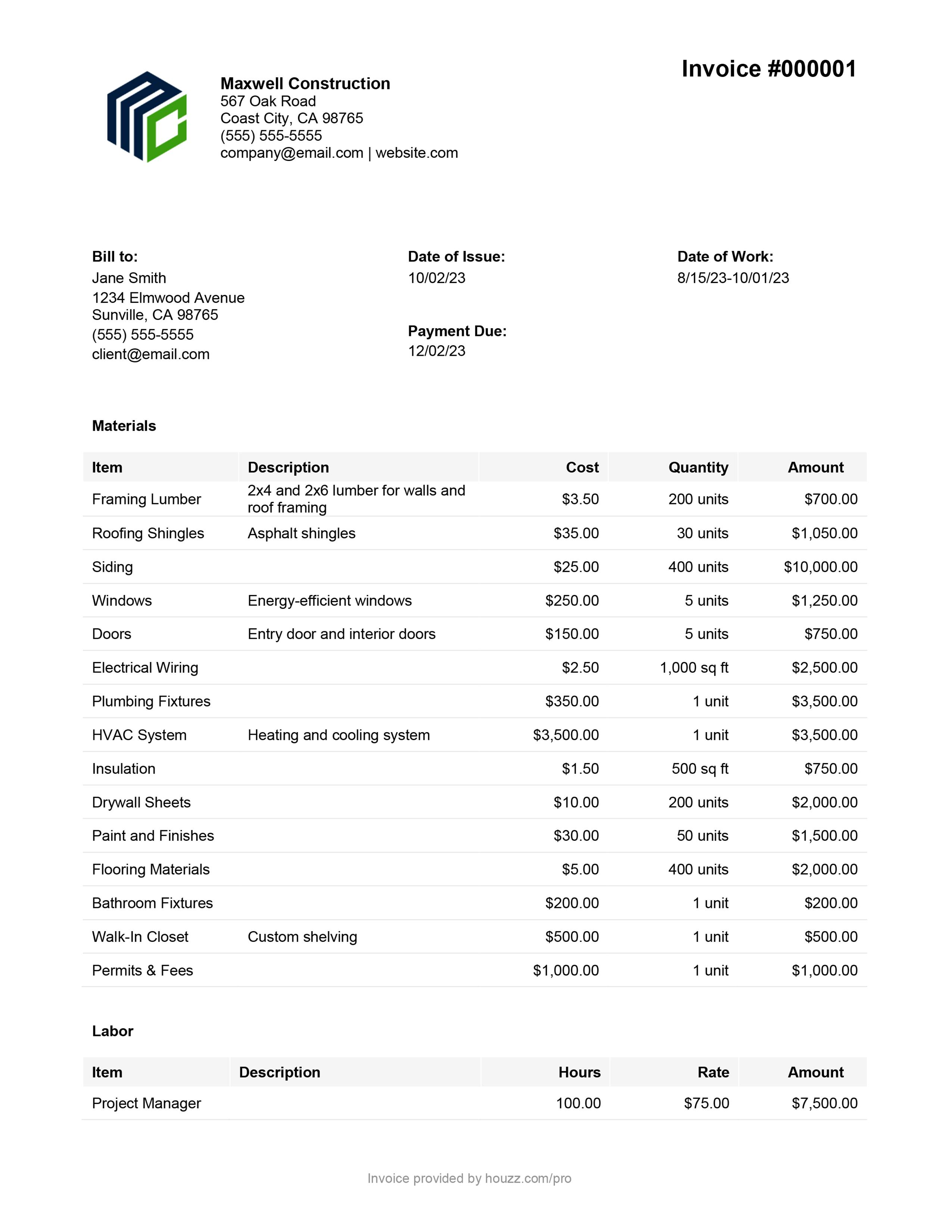
When comparing quotes, look beyond the bottom line. Consider what's included in the price, the timeline, and any potential hidden costs. A detailed, itemized quote is often a good indicator of a professional and transparent contractor.
Naming Your Construction Business
If you're in the construction business, choosing a name for your company is a big decision. It's your brand and can impact how potential clients perceive you. A good name should be memorable, unique, and reflect your company's values and services.
Here are a few name ideas to get you started:
- BuildCraft
- HomeRemodel Pros
- Constructive Solutions
- Renova
- The Build Team
- Crafted Spaces
Remember, before settling on a name, check its availability for domains and local registration to avoid any legal issues down the line.
Industry Tools and Data
In the construction industry, tools like RSMeans can be valuable resources. RSMeans provides cost data and estimating tools, helping contractors and clients understand the financial aspects of a project. It's a great way to ensure accurate pricing and manage expectations.
The Construction Industry
The construction industry is diverse, with companies of all sizes. Larger firms often have the resources to take on bigger projects and may specialize in certain areas. Smaller companies can offer a more personalized service and may be more flexible with pricing.
Wrapping Up
Finding the right general contractor is a crucial step in any construction project. It's all about research, comparing quotes, and understanding what you want and need. Remember, the name is just the beginning; it's the company's reputation and expertise that truly matter.
So, take your time, do your due diligence, and you'll be on your way to a successful construction project. Good luck!