







Cute Doughnut Coloring Pages Overview
You've got your steak cuts chart at hand, ready to navigate the world of beef cuts with ease. This handy reference tool is a lifesaver for any cooking enthusiast, offering a quick glance at the various cuts and their unique characteristics. The steak cuts chart provides a simple visual guide, ensuring you choose the right cut for your culinary creation. While formats may vary, the essence remains the same: a practical tool to elevate your steak game.
A Practical Guide to Understanding the Steak Cuts Chart
The steak cuts chart is your go-to reference for all things steak-related. It's a visual guide that helps you navigate the world of steak cuts, making it easier to choose the perfect cut for your culinary adventures. This chart is a valuable tool for both beginners and experienced cooks.
Comparing Steak Cuts: Standard Sizes and Popular Variations
The steak cuts chart typically displays different cuts of beef, organized by their names and standard sizes. You'll find classic cuts like ribeye, sirloin, and tenderloin, each with its own unique characteristics. These charts often follow regional or industry standards, so you might see variations in measurements or names depending on where you are. For instance, a ribeye steak can range from 1 to 1.5 inches thick, but some charts may specify a slightly different thickness.
How to Use the Steak Cuts Chart: A Step-by-Step Guide
Start by identifying the type of steak you want to cook. The chart will provide a visual representation of each cut, making it easy to recognize.
Check the thickness or weight of the steak. This information is crucial for cooking times and methods. Most charts will give a standard range, but always double-check the exact specifications on the package or with your butcher.
Consider the fat content and marbling. Some charts will indicate the amount of fat, which can impact the flavor and juiciness of your steak.
Choose the right cut for your cooking method. Different cuts are better suited for grilling, pan-searing, or slow cooking. The chart can guide you on which cuts work best for your preferred cooking style.
Avoiding Missteps: Common Pitfalls and How to Avoid Them
While the steak cuts chart is a fantastic resource, it's essential to be aware of potential variations. Always remember that charts might not cover every single cut or variation. For instance, some specialty butchers may offer unique cuts with different names or sizes. Additionally, cooking times and methods can vary based on personal preference and the specific cut's thickness. It's always a good idea to consult multiple sources or ask your butcher for advice to ensure you're getting the best cut for your needs.
Well, that's a wrap on our steak cuts chart adventure! We've covered a lot of ground, from understanding the different cuts to learning how to use our handy guide. Now you're equipped with the knowledge to make informed choices and impress your steak-loving friends.
Remember, while this chart is a great tool, it's always wise to double-check the specifics for your region or personal preferences. Exact values might vary, so it's good to be aware of any local standards or your own unique requirements. Consider bookmarking this page for future steak adventures—it'll be a lifesaver when you need a quick refresh!
Related: Whole Home Remodeling Essential Guide
I've got a whole house to remodel. From top to bottom, I want to give it a fresh look and feel. Whole home remodeling is a big project, but I'm ready to dive in and make it happen.
What's Involved in a Whole Home Remodel?
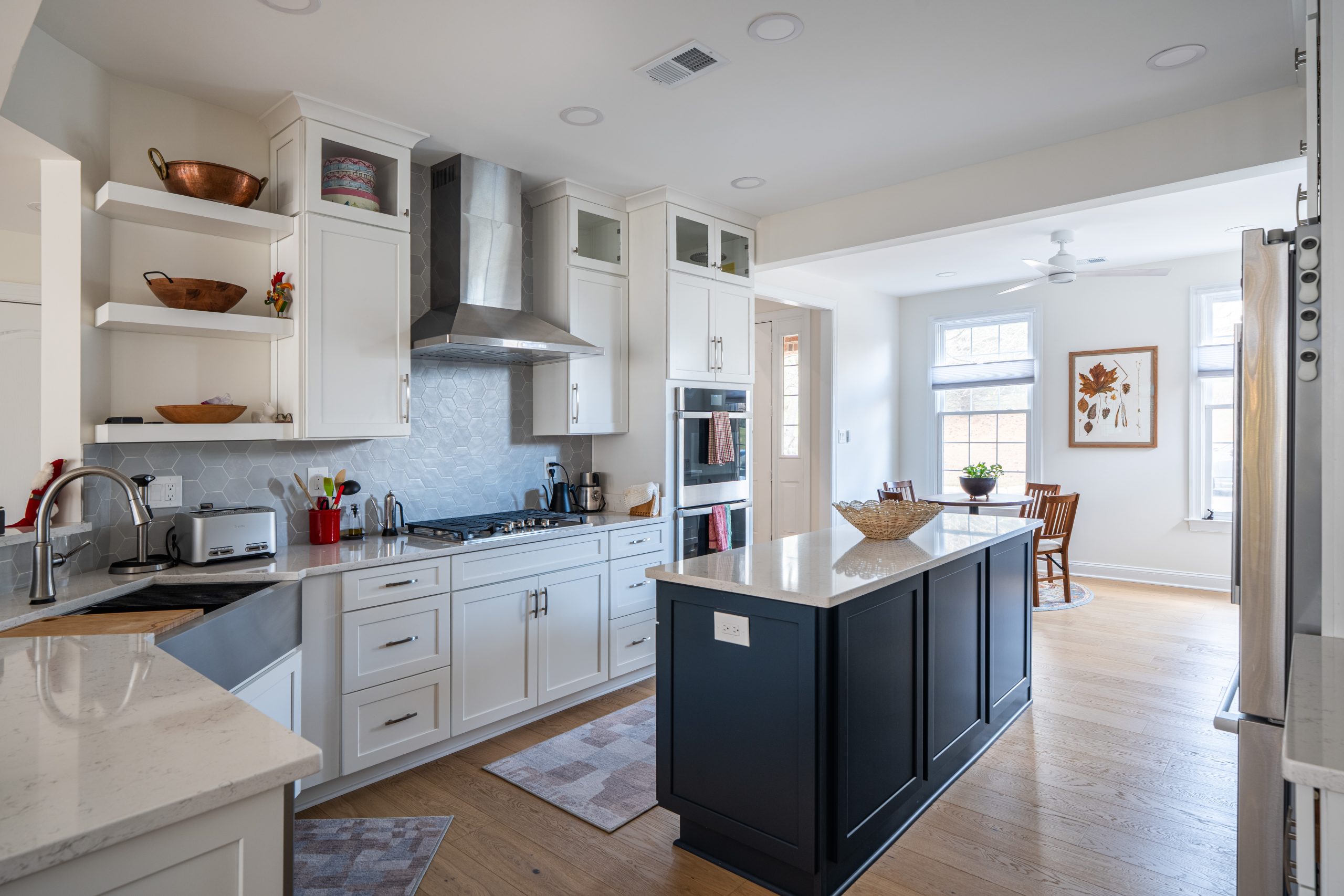
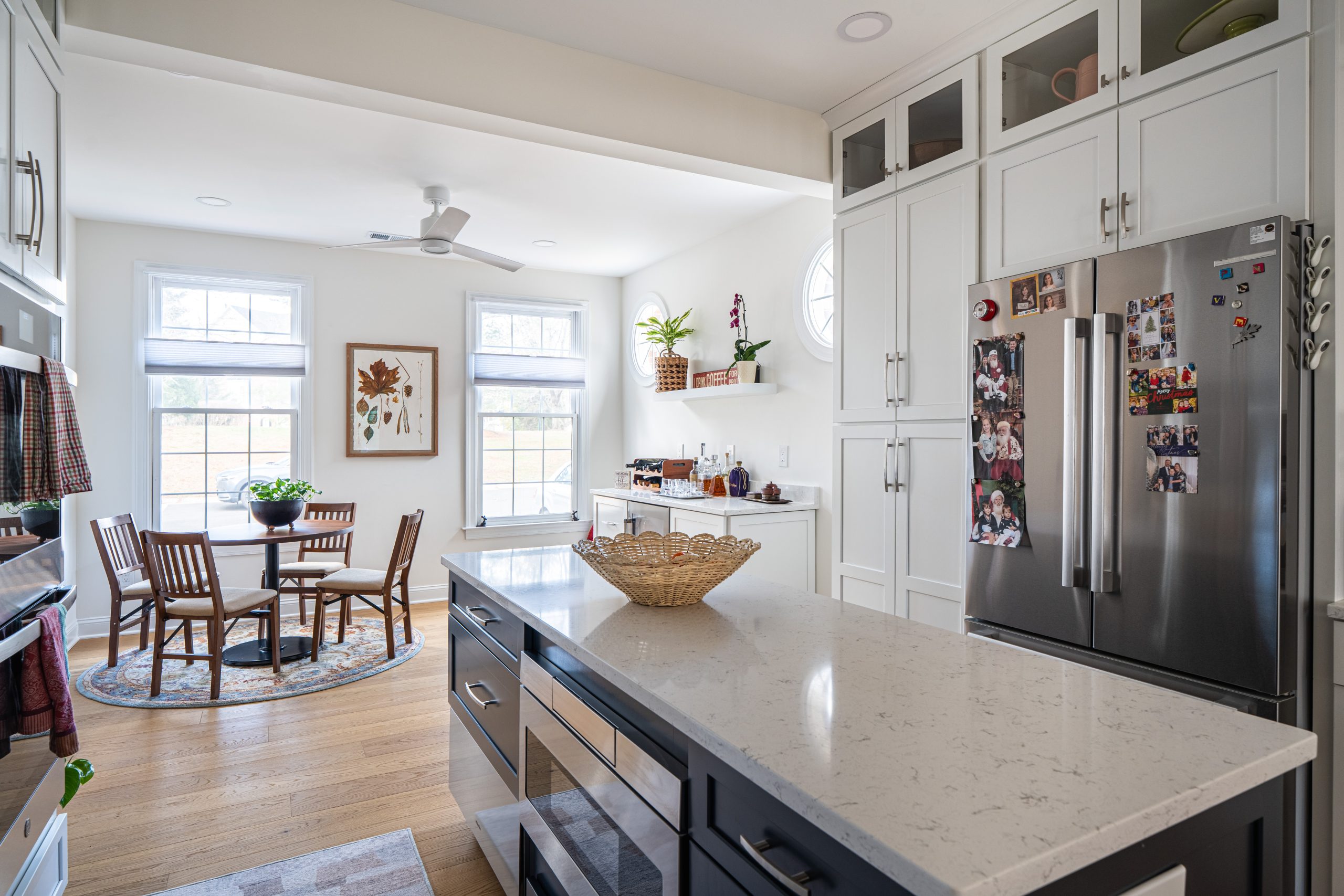
Whole home remodeling is a comprehensive process, transforming your entire living space. It's more than just a room refresh; it's about updating and modernizing your entire home. This could mean new kitchens and bathrooms, updated flooring, fresh paint, and even structural changes to create an open-plan layout. It's a chance to personalize your space and make it truly yours.
When you embark on a whole home remodel, you're likely to encounter various professionals. From general contractors who oversee the project to specialized tradespeople like plumbers, electricians, and carpenters, there's a whole team involved. They'll work together to bring your vision to life, ensuring everything is up to code and meets your expectations.
Finding the Right Contractor
Hiring the right contractor is crucial for a successful whole home remodeling project. You want someone reliable, experienced, and with a good reputation. Check their references and previous work. Ask about their process, timeline, and how they handle unexpected issues. A good contractor will provide a detailed quote, outlining the scope of work and any potential additional costs.
Get multiple quotes to compare. While price is important, it's not the only factor. Consider their expertise, communication style, and how well they understand your vision. Remember, a whole home remodel is a significant investment, so take your time to find the right fit.
Construction Company Names
Choosing a name for your construction business is an important step. It should be memorable, reflect your services, and stand out. Some unique and catchy names could be:
- BuildPro
- HomeCrafters
- Constructive Creations
- Renova
- BuildSmart
- HouseWorks
Before settling on a name, check its availability for registration and domain purchase. You want to ensure your business name is unique and can be easily found online.
Jobs in the Industry
The construction and remodeling industry offers a range of roles. From project managers who oversee the entire process to estimators who calculate costs, there are various specialized positions. Tradespeople like carpenters, plumbers, and electricians are also in high demand.
If you're looking for a career in this field, consider your skills and interests. Many professionals start as apprentices, learning on the job, while others pursue formal education or training programs. The industry offers great opportunities for growth and specialization.
Industry Tools and Data
Tools like RSMeans provide valuable data for construction professionals. They offer cost databases and escalation tools, helping contractors and estimators accurately price projects. These resources are essential for creating detailed quotes and managing costs throughout a project.
While the data is useful, it's important to remember that costs can vary. Factors like location, materials, and labor rates can impact the final price. Always get multiple quotes and compare them to ensure you're getting a fair deal.
Large vs. Small Companies
The construction industry has a mix of large and small companies. Larger firms often have more resources and can take on bigger projects. They may have specialized departments and a broader range of services. However, smaller companies can offer personalized attention and a more tailored approach.
When choosing, consider the size and scope of your project. Larger companies might be better equipped for extensive renovations, while smaller firms can provide a more intimate and focused service.
Final Thoughts
Whole home remodeling is an exciting journey, transforming your space into a home that reflects your style and needs. It's a significant undertaking, but with the right team and a well-planned approach, you can achieve amazing results. Remember, it's all about finding the right fit for your vision and budget. So, take your time, do your research, and enjoy the process!
Related: What's the Hot vs Crazy Chart All About?
You're probably familiar with the hot vs crazy chart, a handy tool that's become a bit of a pop culture phenomenon. It's a simple concept: a chart that aims to help you navigate the dating game by assessing a potential partner's "hotness" and "craziness" levels. While it might sound like a light-hearted joke, this chart actually offers a fun way to discuss and analyze relationship dynamics and compatibility.
Decoding the Hot vs Crazy Chart: Unraveling Relationship Dynamics
The hot vs crazy chart is a fun and light-hearted way to visualize and understand relationship dynamics. It's a simple matrix that plots two key factors: a person's attractiveness or "hotness" and their level of "craziness" or unpredictability. This chart provides a unique perspective on compatibility and can offer some insights into the potential challenges and rewards of different relationships.
Understanding the Matrix: Key Details and Categories
The hot vs crazy chart typically uses a 10-point scale for both axes, creating a grid-like structure. The horizontal axis represents "hotness," with values ranging from 1 to 10, where 10 is extremely attractive. The vertical axis represents "craziness," also ranging from 1 to 10, with higher values indicating increased unpredictability or erratic behavior. Each person in a relationship can be plotted on this matrix, providing a visual representation of their dynamic.
Interpreting Results: How to Read and Apply the Chart
To use the hot vs crazy chart, follow these steps:
- Assess your own "hotness" and "craziness" levels honestly. Be realistic and self-aware.
- Plot yourself and your partner on the matrix. This gives you a visual snapshot of your dynamic.
- Analyze the quadrant you fall into:
- Top-Left: High "hotness" and low "craziness." This is often seen as the ideal, balanced relationship.
- Bottom-Right: Low "hotness" and high "craziness." This may indicate a challenging dynamic.
- Top-Right: High on both scales. These relationships can be intense and unpredictable.
- Bottom-Left: Low on both. While stable, they might lack excitement.
- Discuss and reflect on your positions. Understanding your dynamic can lead to better communication and problem-solving.
Common Pitfalls: Variations and Differences to Consider
It's important to note that the hot vs crazy chart is a simplified model and may not capture the complexity of real relationships. Here are some key considerations:
- Attraction and craziness are subjective and can vary over time. What seems crazy at first might become manageable with understanding.
- The chart assumes a linear scale, but in reality, these factors can be non-linear. A small increase in "craziness" might have a larger impact than expected.
- Context matters. A person's behavior can be influenced by external factors, so their position on the chart might not always be consistent.
- While the chart provides a snapshot, relationships are dynamic and can change. Regular check-ins and reassessments can help keep the chart relevant.
Remember, the hot vs crazy chart is a tool for fun and reflection, not a definitive guide. It's a conversation starter, encouraging couples to explore their dynamics and strengths.
Well, there you have it! The Hot vs Crazy Chart is a handy tool to keep in mind when navigating the dating scene. It's a simple concept but can offer some valuable insights.
Remember, while this chart provides a fun and practical framework, every situation is unique. So, be sure to adapt and adjust as needed, keeping your specific context and preferences in mind. It's always good to be prepared, but don't forget to enjoy the ride!
Feel free to explore our other guides for more dating and relationship tips. We've got you covered with plenty of practical advice and insights to keep things interesting.