








Cute Unicorn Coloring Pages Overview
You've landed here, searching for a clear and concise resource, and the Sileo dosing chart is exactly that: a straightforward guide to ensure accurate dosing. This chart, a trusted tool for many, offers a visual representation of the recommended doses, often tailored to different weights and ages. It's a quick reference, ensuring you can administer Sileo with confidence, and it's designed to be user-friendly, with variations depending on regional standards and specific needs.
Understanding the Sileo Dosing Chart
The Sileo dosing chart is a valuable tool for determining the appropriate dosage of Sileo, a medication often used to treat specific conditions. This chart provides a clear and concise guide to ensure accurate dosing, especially when considering factors like weight and age.
Key Details and Categories
Before delving into the chart, it's essential to understand its structure. The Sileo dosing chart typically displays dosage information based on weight categories, usually in kilograms. These weight ranges are divided into common age groups, ensuring a tailored approach to dosing. The chart provides recommended doses in micrograms, offering precise guidance for each weight category.
Interpreting the Chart: A Step-by-Step Guide
- Identify the patient's weight. Ensure you have an accurate measurement, as this is the primary factor influencing the dose.
- Locate the corresponding weight category on the chart. These categories are often color-coded or labeled for easy identification.
- Within the selected weight category, find the recommended dose in micrograms. This value represents the ideal dosage for that specific weight range.
- Administer the medication as directed, following the dosage guidelines. It's crucial to adhere to the recommended dose to ensure safety and effectiveness.
Variations and Safety Considerations
While the Sileo dosing chart provides a standardized guide, variations may occur due to individual factors. Different regions or healthcare settings might have slightly different charts or guidelines, so it's important to refer to the specific chart relevant to your location. Additionally, certain conditions or patient characteristics might require adjustments to the standard dose, emphasizing the need for professional medical advice. Always consult with a healthcare provider to ensure the safe and effective use of Sileo.
Remember, while this dosing chart serves as a valuable tool, it's always a good idea to double-check the specific guidelines and recommendations relevant to your situation. The exact values and units might vary slightly across different contexts and standards, so it's essential to refer to the most appropriate resources for your needs.
Feel free to explore our collection of guides; we have a range of practical resources to help you navigate various topics with ease and confidence. Happy reading and learning!
Related: Bedroom Renovation Cost Essential Guide
"Wow, this bedroom is looking a bit tired. I wonder what a bedroom renovation cost would be..."
Understanding Bedroom Renovation Costs
So, you're thinking about giving your bedroom a makeover, but you're curious about the costs involved. Bedroom renovation costs can vary widely, and it's important to have a good idea of what you're getting into before you start. The price tag depends on a few key factors, and understanding these will help you plan and budget effectively.
The first thing to consider is the size of your bedroom. A larger room will naturally cost more to renovate than a smaller one, as it will require more materials and labor. The materials you choose also play a big role. Opting for higher-end finishes and fixtures will push the price up, while more budget-friendly options will keep costs down.
Another significant factor is the scope of the renovation. Are you just looking to freshen up the room with a new coat of paint and some updated furniture, or do you want to completely overhaul the space, including electrical and plumbing work? The more extensive the work, the higher the costs will be.
Hiring a Contractor
If your renovation involves structural changes or complex work, you'll likely need to hire a professional contractor. When looking for a contractor, it's important to do your research and check their credentials. Ask for references and examples of their previous work. Get several quotes to compare prices and ensure you're getting a fair deal.
A good quote will break down the costs clearly, so you can see exactly where your money is going. It should cover materials, labor, and any permits or inspections required. Don't be afraid to ask questions and seek clarification if something isn't clear.
Construction Company Names
If you're in the construction business or thinking of starting a company, choosing the right name is important. It should be memorable, reflect the nature of your work, and stand out from the competition. Some construction company name ideas could include:
- Build-It-Right
- HomeCrafters
- Solid Foundations
- Modern Makeovers
Remember to check the availability of the name you choose, both as a business registration and a domain name, to ensure you can establish an online presence too.
Industry Insights
The construction industry has its own language and tools. One commonly used resource is RSMeans, which provides cost data and estimates for various construction projects. It's a valuable tool for contractors and estimators to ensure accurate pricing.
The industry also has its own cost indexes, which track the costs of materials and labor over time. These indexes help construction professionals stay informed about market trends and make informed decisions about pricing and budgeting.
Large vs. Small Firms
The construction industry is diverse, with both large, established firms and smaller, local businesses. Large firms often have the resources to take on bigger projects and may have a wider reach, but they can also be more expensive. Smaller firms might offer more personalized service and competitive pricing, but may have a more limited scope of work.
When choosing a firm, consider your specific needs and the scale of your project. It's always a good idea to get quotes from a few different companies to compare and find the best fit for your bedroom renovation.
Final Thoughts
Renovating your bedroom can be an exciting project, and understanding the costs involved is a crucial step. By considering factors like size, materials, and scope, you can get a good estimate and plan accordingly. Remember, it's always a good idea to get multiple quotes and do your research to ensure a successful renovation.
Related: Understand T Chart Accounting Easily
"T chart accounting" is a simple yet powerful tool for keeping your finances organized and clear. This guide will show you how to master the art of using these charts, offering a quick and efficient way to manage your accounts.
The beauty of t chart accounting lies in its ability to simplify complex financial data. It's a visual representation, often in the shape of a 'T', that helps you keep track of debits and credits, ensuring your books balance. While the format may vary slightly, the core concept remains the same, making it a versatile and reliable accounting method.
What is a T Chart in Accounting?
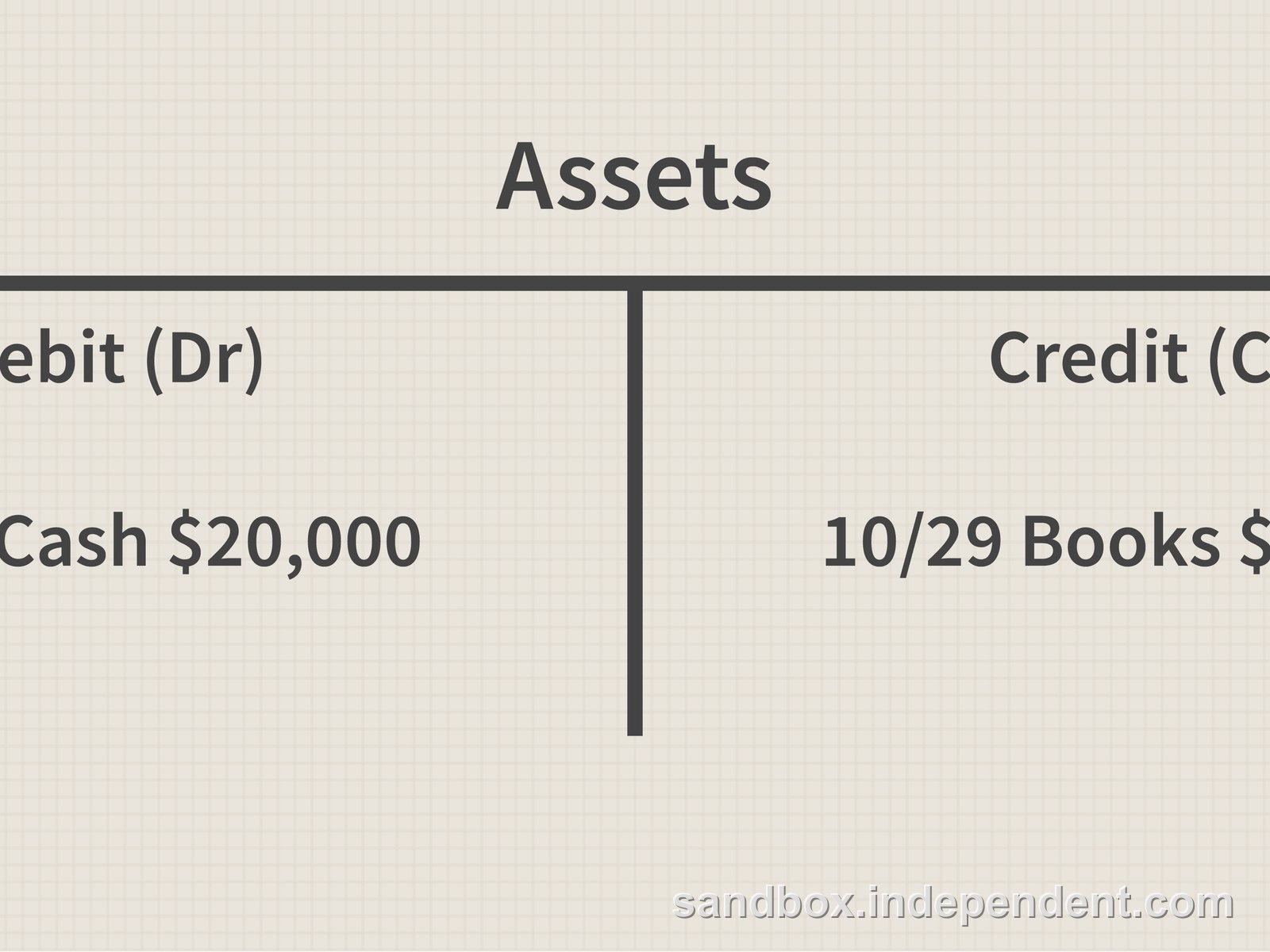
A T-account is a simple yet powerful tool used in accounting to visualize and record financial transactions. It's a basic structure that helps accountants and bookkeepers keep track of debits and credits, ensuring a balanced ledger.
Understanding the Structure and Key Details
The T chart gets its name from its visual resemblance to the letter "T". It consists of two columns divided by a vertical line, with the account name at the top. The left column is for debit entries, and the right column is for credits. Each transaction is recorded as a separate row, with the amount and a brief description. The chart provides a clear, organized view of a single account's transactions.
Recording Transactions and Balancing Entries
To use a T chart, follow these steps:
- Identify the account for which you want to record transactions.
- Write the account name at the top of the chart, above the "T".
- For each transaction: a. Record the date in the first column. b. In the second column, write a brief description of the transaction. c. In the third column, enter the debit amount (if applicable). d. In the fourth column, enter the credit amount (if applicable). e. Ensure that the total debits and total credits balance.
Variations and Differences Across Standards
While the basic structure of a T chart remains consistent, there can be variations depending on the accounting standards and practices followed. For example, some charts may include additional columns for specific details like references or transaction types. The format and labels might also differ slightly between different accounting software or systems. It's important to understand the specific standards and guidelines applicable to your region or industry to ensure accurate recording and reporting.
Common Mistakes and How to Avoid Them
Here are some common errors to watch out for when using T charts:
- Failing to balance the debits and credits: Always double-check that the total debits equal the total credits to ensure accuracy.
- Misinterpreting debit and credit entries: Remember, debits increase asset and expense accounts, while credits increase liability, equity, and revenue accounts.
- Omitting important details: Ensure each transaction is properly described and categorized to maintain clarity and ease of reference.
- Using the wrong chart for the account: Different accounts may require specific T chart formats or additional columns. Refer to your accounting standards or consult an expert to avoid errors.
By understanding the structure, recording transactions accurately, and being aware of potential variations and mistakes, you can effectively utilize T charts in your accounting practices.
Well, that's a wrap on T-chart accounting! You should now have a solid grasp of this handy tool and how to use it effectively. Remember, it's a simple yet powerful way to keep your accounts organized and easily referenceable.
Before you go, just a quick reminder to always check your specific context and requirements. While T-charts are a great general tool, exact values and categories can vary, so it's good to double-check you're using the right info for your situation. Bookmark this page for future reference—it'll be a lifesaver next time you need a quick accounting refresh!