





Daily Hourly Planner Overview
An eye shape chart is a valuable tool for understanding and identifying the various shapes and structures of the eyes. This guide aims to provide a straightforward overview, offering insights into how these charts work and their practical applications.
The chart serves as a visual reference, categorizing eye shapes and often including measurements. It can help individuals recognize their eye type and understand the associated terminology, such as monolid or hooded. While the specifics may vary depending on the source, the eye shape chart remains a reliable starting point for self-analysis and a great foundation for further exploration.
Understanding Eye Shapes: An Eye-Opening Guide
The eye shape chart is a valuable tool for anyone seeking to learn about the diverse shapes of eyelids and eyes. This guide will help you navigate this chart, offering a clear understanding of its purpose and use.
Key Details and Categories
The eye shape chart typically categorizes eye shapes based on the appearance of the eyelid and the visible portion of the eye. Common categories include monolid, hooded, almond, round, and deep-set eyes. Each category has unique characteristics, such as the presence or absence of a visible eyelid crease or the shape of the eye itself.
Reading the Eye Shape Chart: A Step-by-Step Guide
To read the eye shape chart, follow these steps:
Start by identifying the primary features of your eyes. Look for the presence of an eyelid crease, the shape of the eye opening, and the overall contour of the eyelid.
Compare your observations to the categories on the chart. Match the visible features of your eyes to the corresponding category.
Once you've identified your eye shape, you can explore the chart further to learn more about your specific eye type. The chart often provides additional information, such as common traits, makeup tips, or even optical considerations.
Variations and Differences: Why Do They Exist?
Variations in eye shapes are a natural part of human diversity. Genetic factors play a significant role, as eye shape is often inherited. Additionally, factors like age, ethnicity, and even lifestyle can influence the appearance of the eyelids and eyes. For instance, as we age, the skin around the eyes may change, affecting the shape and visibility of the eyelid crease.
Common Mistakes and How to Avoid Them
When using the eye shape chart, it's important to avoid these common mistakes:
Relying solely on the chart: While the chart is a great guide, individual variations exist. Take it as a starting point, but consider seeking professional advice or conducting further research for a more precise understanding.
Overlooking personal features: Each person's eyes are unique. Pay attention to your specific eye traits, such as the color, size, and spacing, as these can influence the overall appearance.
Ignoring context: The eye shape chart may not cover all situations. For example, certain medical conditions or previous surgeries can alter eye shape. Always consider your personal context and consult experts when needed.
Practical Tips for Accurate Results
To ensure accurate results when using the eye shape chart, consider these tips:
Lighting: Ensure you examine your eyes in natural light or good artificial lighting to get an accurate view.
Angle and Distance: Maintain a consistent angle and distance when observing your eyes to avoid distortion.
Compare and Contrast: Compare your eyes to the chart's examples, but also contrast them with other eye shapes to gain a broader understanding.
Seek Expert Advice: If you're unsure or have specific concerns, consult an optometrist or ophthalmologist for a professional opinion.
Remember, the eye shape chart is a valuable tool, but it's just one part of understanding your unique eye characteristics.
Remember, while this guide offers a comprehensive overview, the specifics of eye shape charts can differ slightly based on individual needs and contexts. Feel free to adapt and customize the chart to suit your unique requirements.
Consider bookmarking this page for future reference. Whether you're a makeup artist, a fashion enthusiast, or simply curious about eye shapes, having this guide handy will ensure you always have a reliable resource at your fingertips.
Related: Uncover the Perfect Beard Length Chart
A beard length chart is a handy tool for anyone wanting to navigate the world of facial hair with precision. This guide will provide an overview of these charts, explaining their purpose and how they can assist in achieving the desired beard style.
They offer a visual representation, often with measurements, to help individuals understand and communicate their preferred beard length. Whether you're aiming for a specific beard growth stage or seeking a particular style, these charts provide a reliable reference, ensuring you get the look you want.
Understanding Beard Length Charts
A beard length chart is a valuable tool for those looking to achieve and maintain their desired facial hair style. It provides a visual guide to help you understand and measure the length of your beard, offering a practical reference for trimming and styling.
Key Details and Categories
The chart typically displays different beard lengths, often categorized into stages or styles. These categories may include terms like "stubble," "medium," and "full beard," each representing a specific range of lengths. The units used are usually inches or centimeters, depending on the standard followed. It's essential to know your preferred unit of measurement to accurately interpret the chart.
Reading and Applying the Beard Length Chart
To use the beard length chart, follow these steps:
- Identify your current beard growth stage. Examine your facial hair and determine if it falls into the stubble, short, medium, or long category.
- Measure your beard length. Use a ruler or measuring tape to get an accurate reading. Ensure you measure from the same point on your face each time for consistency.
- Compare your measurement to the chart. Find the category that matches your beard length and refer to the corresponding style or stage.
- Trim and style accordingly. Use the chart as a guide to achieve the desired length and shape. Remember, it's a reference, so adjust as needed to suit your face shape and personal preference.
Variations and Differences
It's important to note that beard length charts may vary depending on the standard or source. Common styles and categories may differ slightly, and the exact measurements can vary between charts. Additionally, individual factors like face shape, hair texture, and personal preference can influence how you interpret and apply the chart. Here are some key factors to consider:
- Beard growth stages: Everyone's facial hair grows at a different rate, so your experience may vary from the chart's timeline.
- Facial hair length guide: Some charts provide more detailed guides, offering precise measurements for various lengths.
- Standard beard lengths: These can differ between regions and cultures, so be mindful of the standard being referenced.
- Beard style chart: This can offer a more comprehensive view of different styles and their associated lengths.
- Beard growth timeline: Remember that growth rates can vary, so use the timeline as a general guide.
When using a beard length chart, always refer to the specific standard or source to ensure accuracy. While charts provide a helpful framework, they may not cover every unique situation. Trust your judgment and adjust as needed to achieve your desired look.
While the chart provides a handy reference, it's important to remember that these measurements are not set in stone. Exact details may vary slightly depending on the context and the individual's unique facial features.
Feel free to bookmark this page for future use. We have many other practical guides and charts to explore, so be sure to check them out for more helpful tips and tricks!
Related: How to Read the "ir verb chart" Easily?
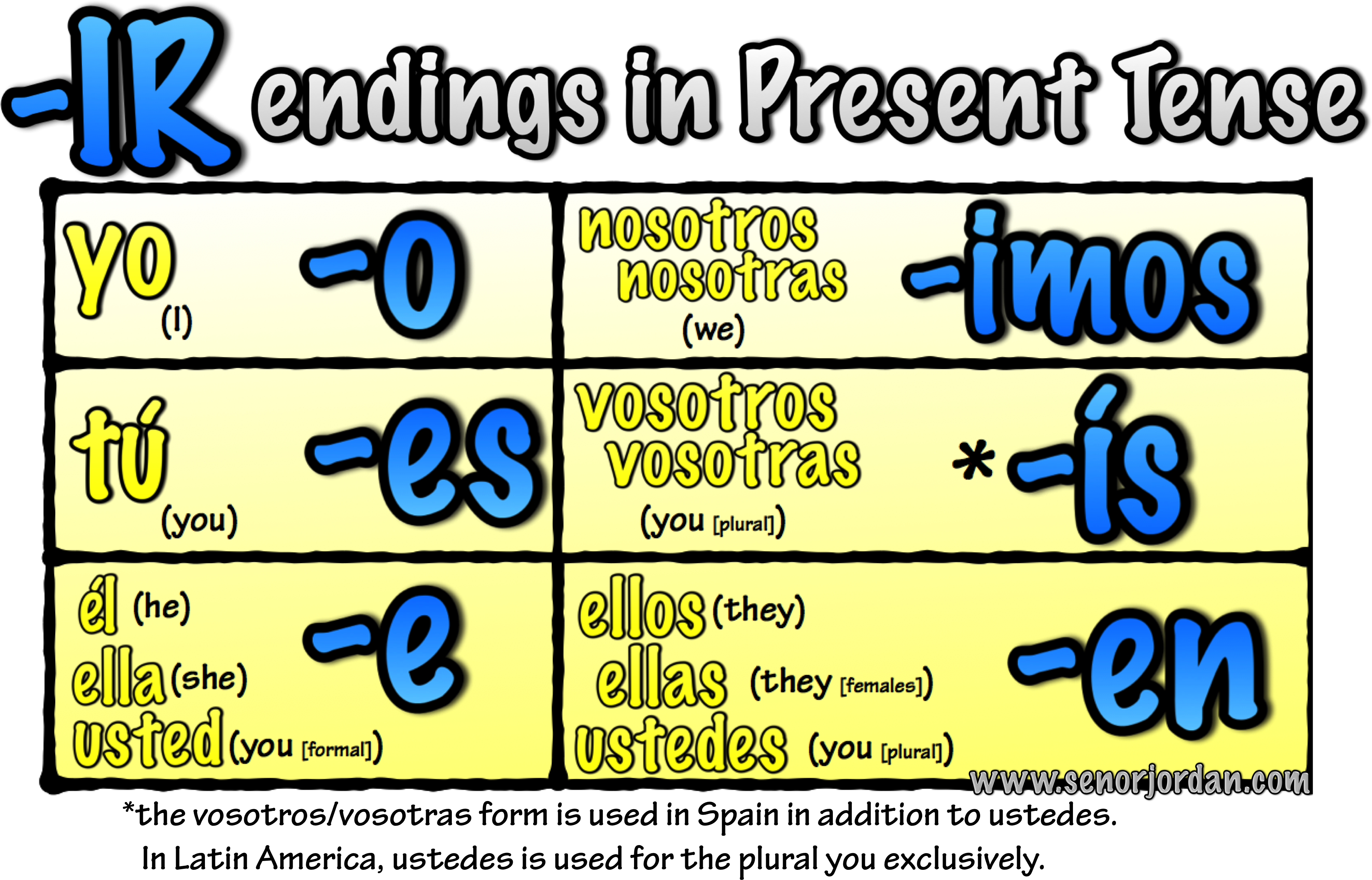
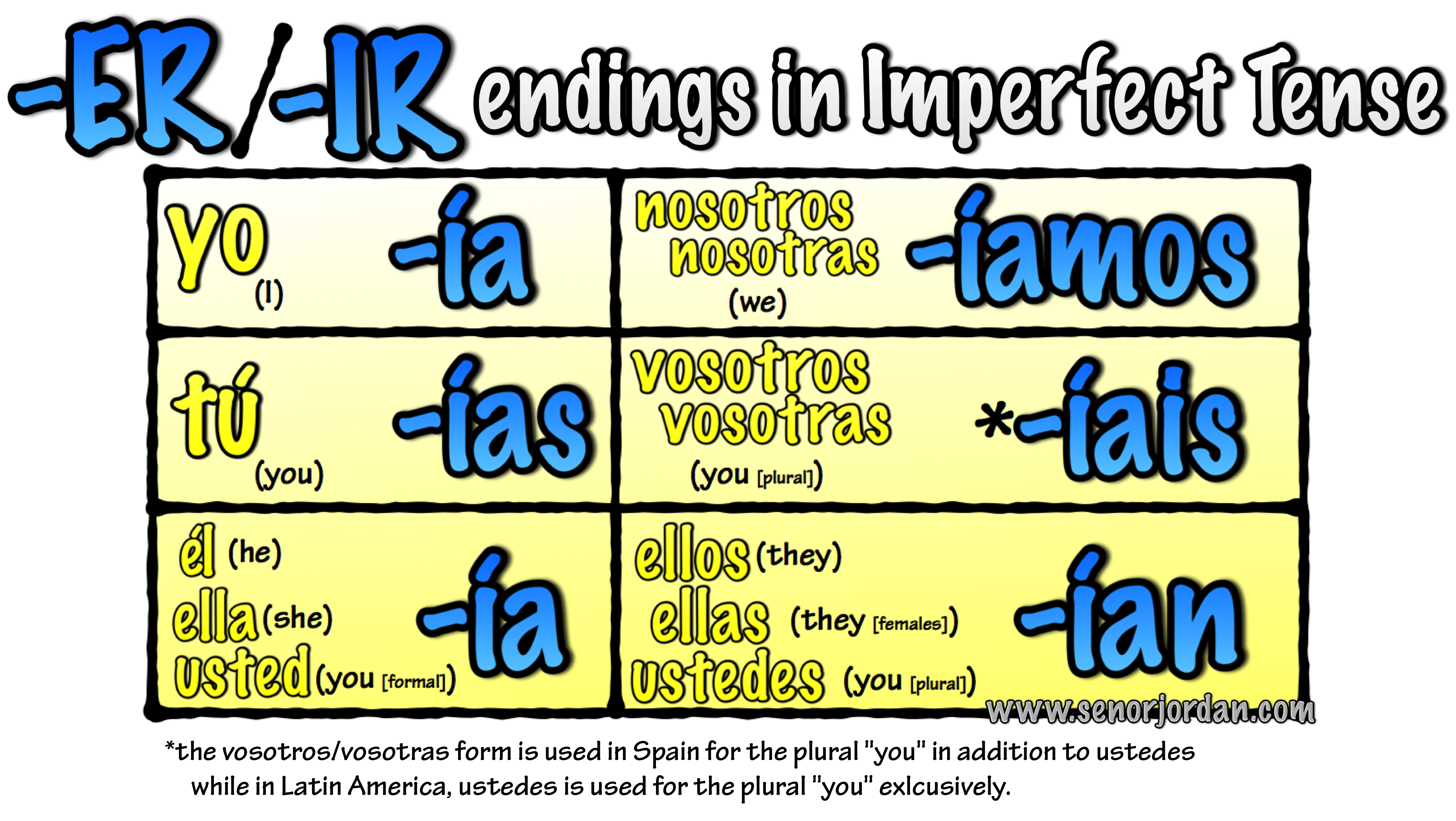
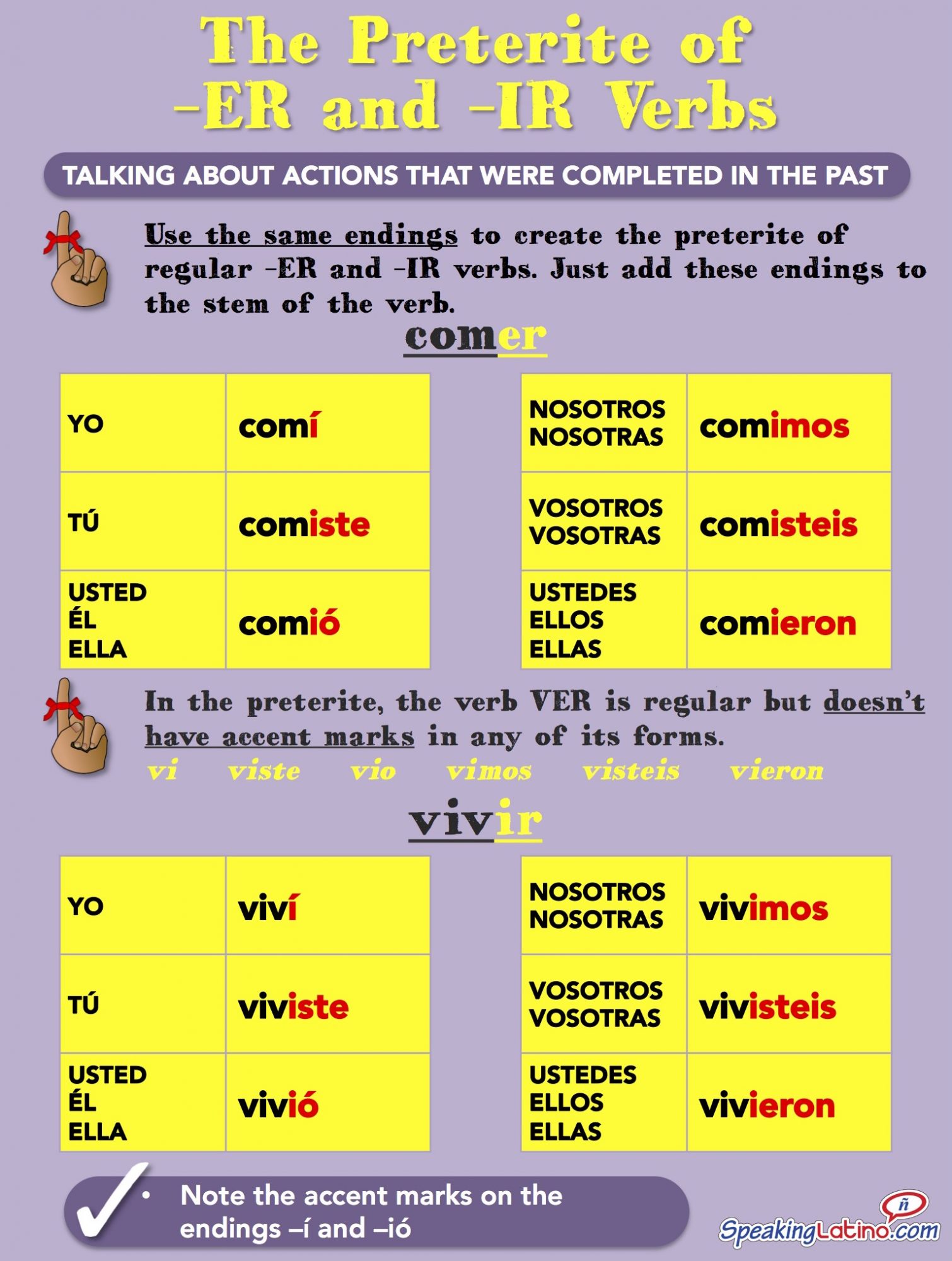
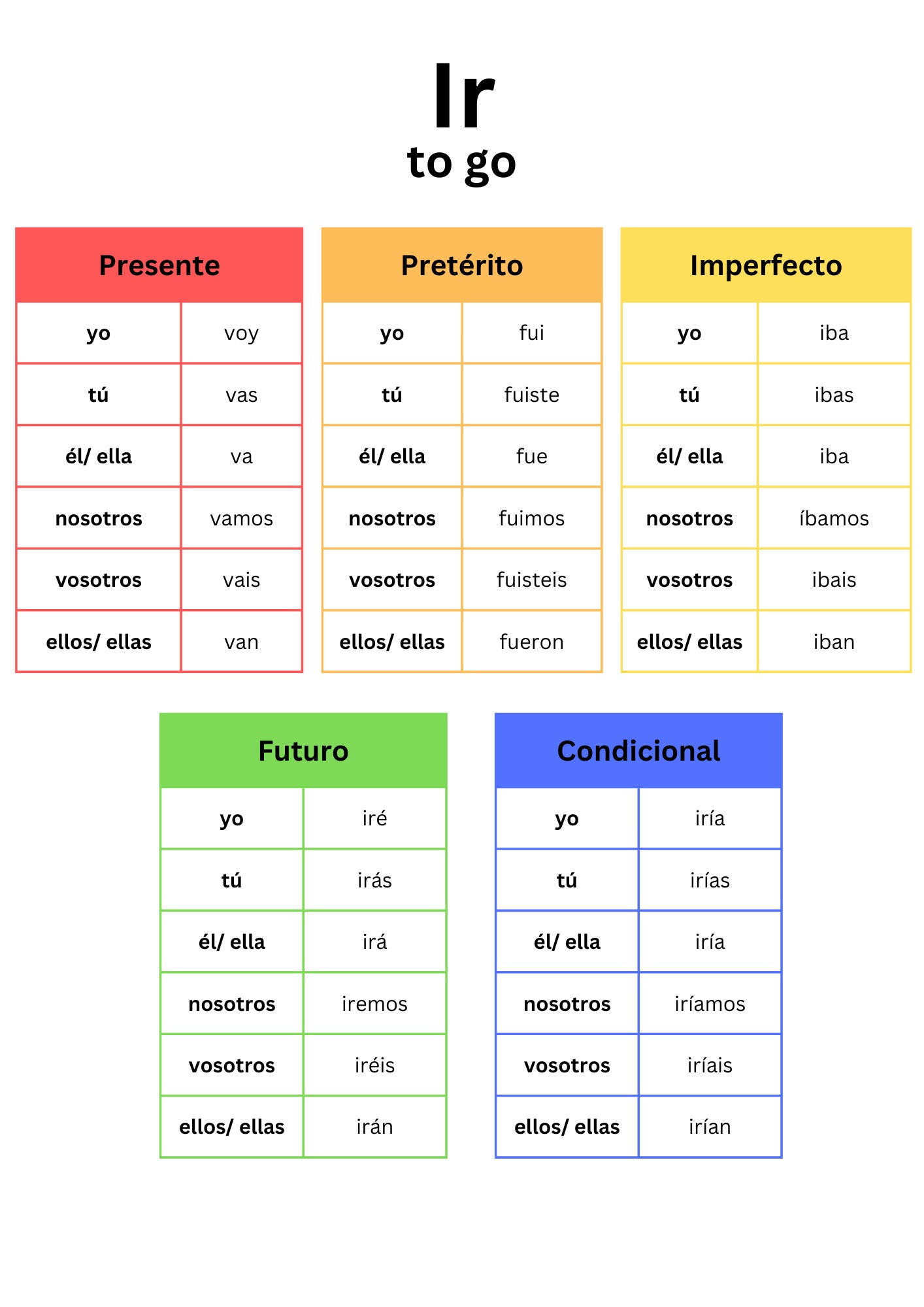
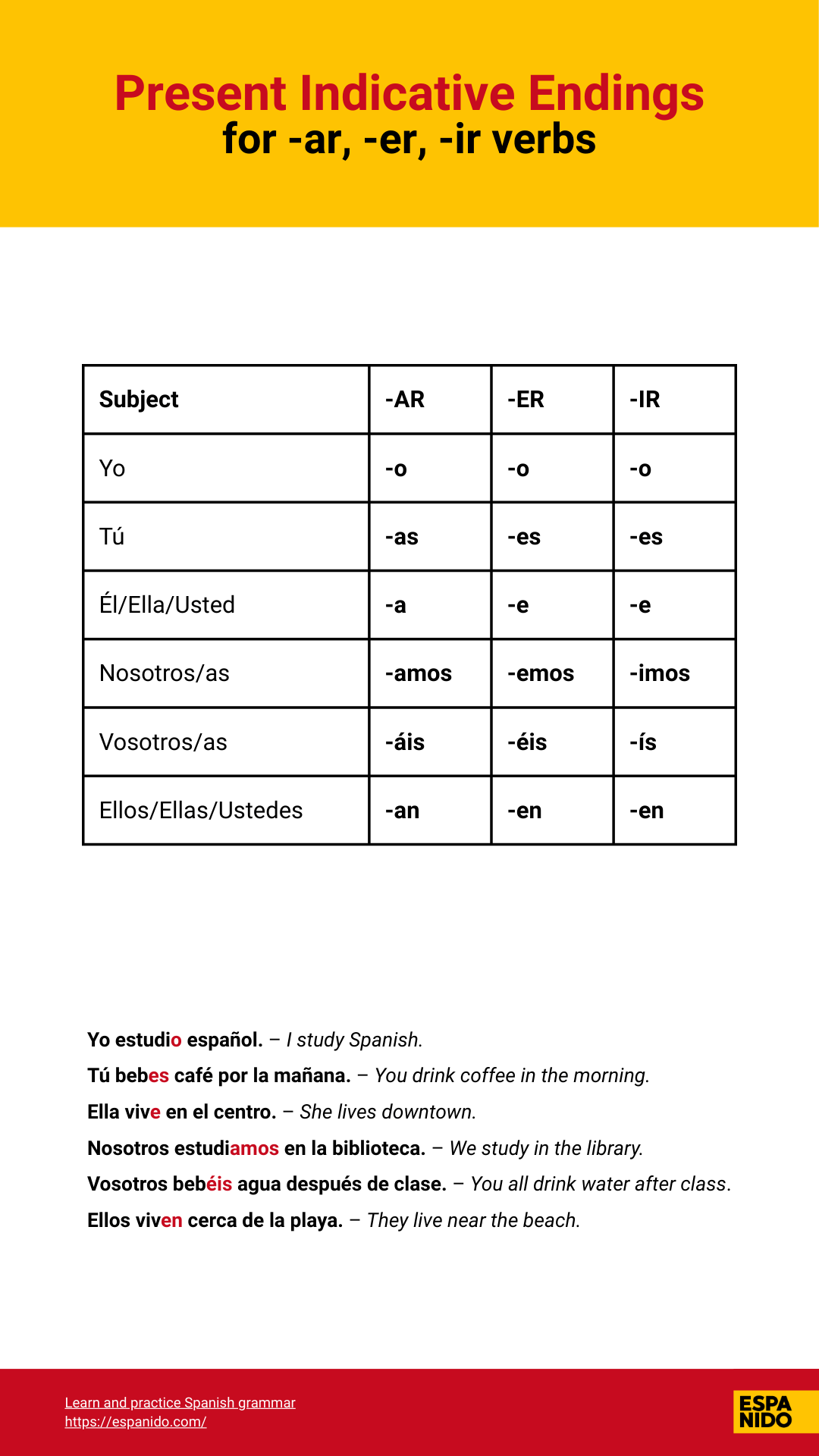
You've landed on this page, perhaps with a specific task in mind or a quick reference need. The ir verb chart is a handy tool, a concise visual guide, that can save you time and effort when navigating Spanish verb conjugations. It offers a structured overview, allowing you to find and understand verb forms efficiently, covering present, past, and future tenses. While the chart's layout and details may vary, its purpose remains consistent: to provide a reliable reference for regular verbs in Spanish.
Understanding the Ir Verb Chart: A Quick Overview
The ir verb chart is an invaluable tool for Spanish language learners, offering a comprehensive visual guide to the conjugation of regular verbs ending in 'ir'. It serves as a reference, providing a clear layout of verb forms across different tenses and persons. This chart is an essential resource for mastering Spanish grammar and ensuring accurate verb usage in various contexts.
Comparing Conjugation Patterns: Regular Verbs vs. Irregulars
While the ir verb chart focuses on regular verbs, it's important to note the existence of irregular verbs, which do not follow standard conjugation patterns. These verbs require separate memorization and are not represented on the chart. Regular verbs, on the other hand, adhere to consistent rules, making the ir verb chart a reliable guide for most verb forms.
Step-by-Step Guide: Using the Ir Verb Chart
To utilize the ir verb chart effectively, follow these steps:
- Identify the verb tense you wish to conjugate. The chart typically covers present, past, and future tenses, each with its section.
- Locate the verb ending you need to conjugate. For instance, if you want to conjugate 'mirar' (to look), find the 'ar' ending section.
- Within the chosen section, find the specific person (e.g., yo, tú, él/ella, nosotros/as) you wish to conjugate for.
- Read across to the appropriate tense column to find the conjugated form. For example, 'yo miro' (I look) in the present tense.
- Repeat this process for other tenses and persons as needed.
Avoiding Common Pitfalls: Misreading and Mistakes
One common mistake is misreading the chart, especially when unfamiliar with Spanish verb endings. Ensure you understand the verb ending and its corresponding section. Another pitfall is assuming all verbs follow the regular pattern. Always double-check for irregular verbs, especially common ones like 'ser' (to be) or 'ir' (to go).
Factors Affecting Accuracy: Regional Variations and Tenses
The accuracy of the ir verb chart can be influenced by regional variations in Spanish. While the chart provides a standard guide, some verbs may have slight differences in certain Spanish-speaking countries. Additionally, the chart primarily covers regular verbs, so it's essential to be aware of irregular verbs and their unique conjugations.
Choosing the Right Format: Adapting to Your Needs
There are various formats of the ir verb chart available, catering to different learning styles and preferences. Some charts are more detailed, covering all tenses and persons, while others focus on specific tenses or provide a simplified layout. Choose the format that best suits your learning goals and level of Spanish proficiency.
Maintaining Reliability: Keeping Your Reference Up-to-Date
To ensure the reliability of your ir verb chart, it's crucial to regularly update your reference materials. Spanish language resources, including verb charts, may evolve and improve over time. Stay informed about any updates or new editions of the chart to access the most accurate and comprehensive guide for your Spanish conjugation needs.
Well, that's a wrap on our exploration of the IR verb chart and its practical applications. We've covered a lot of ground, from understanding the chart's purpose to mastering its use and avoiding common pitfalls. Remember, the key to success lies in adapting the chart to your specific needs and keeping your reference materials up-to-date.
Before you go, it's worth emphasizing the importance of considering your unique context. Exact values and formats may vary, so double-check the standards and sources relevant to your situation. With that in mind, I hope this guide proves invaluable the next time you need a quick reference. Feel free to bookmark this page for future use!