








Daily Planner Motivational Quotes Overview
A common misconception about pnc seating charts is that they are merely static diagrams, when in fact, these charts are powerful tools that offer a unique perspective and can greatly enhance your event experience. While it may seem straightforward, understanding the nuances of a seating chart is essential to making the most of your time at venues like the PNC Arena or PNC Music Pavilion. These charts provide a bird's-eye view, offering insights into the layout, views, and capacities, ensuring you find your perfect spot.
Understanding the PNC Seating Chart
The PNC seating chart is a visual representation of the seating layout for various venues, including the PNC Arena, PNC Park, and PNC Music Pavilion. It provides a clear and organized view of the seating options, helping attendees choose the best seats for their preferences and needs.
Key Details and Categories
The chart typically displays a bird's-eye view of the venue, with each section labeled and color-coded. Seat numbers are assigned sequentially, and the chart may also indicate the row and seat position within each section. It is essential to note that the specific layout and numbering system can vary depending on the venue and event.
How to Read and Apply the Seating Chart
To navigate the PNC seating chart, follow these steps:
- Identify the venue you are interested in. Different venues may have unique seating arrangements, so ensure you are referring to the correct chart.
- Locate the section you wish to explore. Sections are usually labeled with letters or numbers and may have a corresponding color code.
- Within each section, rows are typically labeled alphabetically or numerically. Find the row you prefer, considering factors like proximity to the stage or field.
- Each row has assigned seat numbers. Choose the seat number that suits your preference, keeping in mind that lower numbers are closer to the aisle.
- Consider any additional information provided, such as obstructed view seats or premium seating areas. These details can help you make an informed decision.
Variations and Differences
It is important to understand that PNC seating charts may vary across different venues and events. Here are some key factors that can cause variations:
- Venue size and shape: Larger venues may have more complex seating arrangements, while smaller venues might offer a more intimate experience.
- Event type: Concerts, sports events, and theatrical performances often have unique seating configurations to accommodate different stages or fields of play.
- Seating capacity: The overall seating capacity of a venue can influence the layout and availability of seats.
- Regional standards: Different regions may have their own seating chart conventions, so it is essential to be aware of any regional variations.
Common Mistakes and How to Avoid Them
When using a PNC seating chart, avoid these common pitfalls:
- Assuming all venues are identical: Each venue has its own unique layout, so always double-check the specific chart for the event you are attending.
- Ignoring seat numbers: Seat numbers are crucial for finding your assigned seat. Pay attention to the row and seat number to avoid confusion.
- Overlooking obstructed view seats: Some seats may have limited or obstructed views due to pillars, sound equipment, or other obstacles. Check the chart for any indications of these seats to avoid disappointment.
Practical Tips for Accurate Results
To ensure a smooth experience, consider these best practices:
- Research the venue: Familiarize yourself with the venue's layout and any unique features, such as balconies or standing-room-only sections.
- Check for recent updates: Seating charts may be updated periodically, especially for major renovations or changes. Ensure you are using the most recent version.
- Consider your preferences: Think about your personal preferences, such as proximity to the stage, sound quality, or comfort. Choose seats that align with your priorities.
- Seek recommendations: If you are unsure, seek advice from friends or online communities who have attended similar events at the venue. Their experiences can provide valuable insights.
Double-Checking and Handling Exceptions
While the PNC seating chart is a valuable tool, it is essential to be aware of potential exceptions and edge cases:
- Venue-specific variations: Some venues may have unique seating configurations or seating categories not typically found in other venues. Always refer to the specific chart for accurate information.
- Seat availability: Seat availability can change rapidly, especially for popular events. Check the availability of your preferred seats regularly to avoid missing out.
- Accessibility needs: If you have specific accessibility requirements, contact the venue or event organizers to ensure they can accommodate your needs. They may have designated accessible seating areas or provide alternative arrangements.
Hey there, reader! I hope this PNC seating chart guide has been a helpful resource for you. Remember, while the basics remain consistent, exact details can indeed vary slightly based on the specific context and the source you're referring to. So, keep an eye out for those nuances!
Feel free to explore our other guides and resources on the site. We've got a range of practical, no-nonsense content to help you navigate various topics. Happy reading, and here's to finding the perfect seat for your next event!
Related: Biggest Construction Companies In World Essential Guide
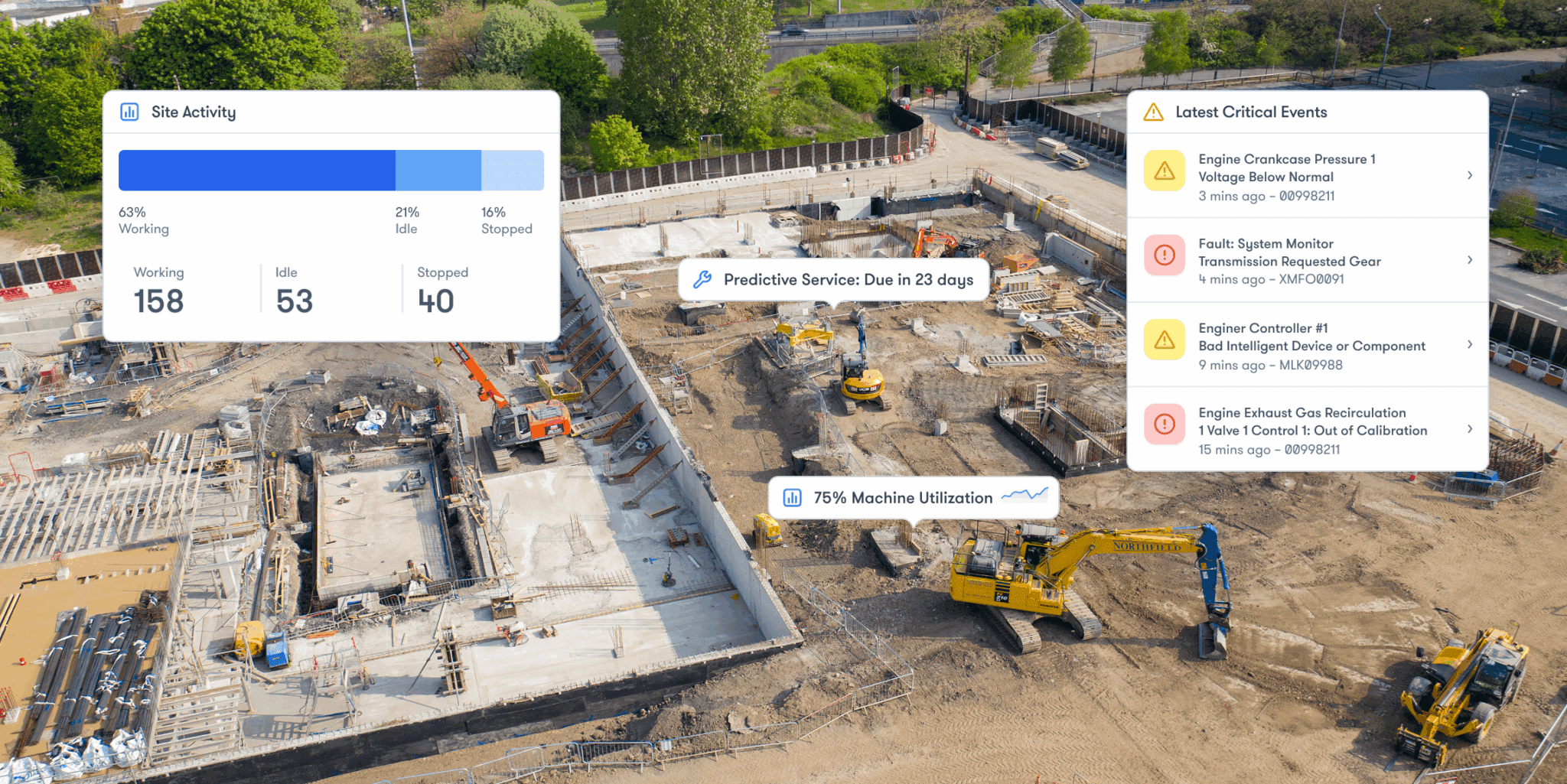
I was walking past a huge construction site the other day and it got me thinking about biggest construction companies in world. Who are these giants, and what do they do? Well, let's find out!
The Giants of Construction
When we talk about the biggest construction companies in the world, we're referring to the global players in the industry. These are the firms that take on massive projects, often spanning multiple countries and continents. They're the ones building iconic skyscrapers, designing innovative infrastructure, and shaping our cities and landscapes.
So, what makes these companies so big? It's a combination of factors. They have the resources, the expertise, and the global reach to take on projects that smaller companies might find daunting. These firms often have a diverse range of capabilities, from architecture and engineering to project management and construction execution.
Practical Considerations
If you're considering hiring one of these giants for a project, there are a few things to keep in mind. First, they're likely to be more expensive than smaller, local companies. This is due to their overhead costs, the complexity of their operations, and the fact that they often have to source materials and labor from a variety of places.
However, their size also means they can offer certain advantages. They often have access to the latest technology and innovative solutions, and their vast experience means they can handle complex projects with ease. They also tend to have strong relationships with suppliers and subcontractors, which can streamline the process.
When comparing quotes, make sure to get detailed, written estimates. Ask about the scope of work, timelines, and any potential extra costs. It's also worth checking references and previous projects to get a sense of their quality and reliability.
Company Names and Branding
Naming a construction company is an art. It needs to be memorable, professional, and reflect the company's values and services. Some of the biggest construction companies have simple, powerful names that stick in your mind. For example, think of Bechtel, Vinci, or Laing O'Rourke.
If you're starting a construction business, here are a few name ideas to get you started:
- BuildMaster
- Constructo
- Skyrise
- TerraFirm
- BuildTech
- GlobalBuild
Remember to check name availability and register your business name locally to avoid any legal issues.
Industry Tools and Data
The construction industry relies on various tools and data sources to estimate costs, manage projects, and stay competitive. One such tool is RSMeans, a comprehensive cost database used by contractors and estimators to price projects accurately. It provides detailed information on materials, labor, and equipment costs, helping companies bid for projects confidently.
The Outlook
The construction industry is constantly evolving, and the biggest companies are at the forefront of this change. They're investing in technology, adopting sustainable practices, and finding innovative solutions to industry challenges. With a focus on efficiency, sustainability, and digital transformation, these companies are shaping the future of construction.
So, that's a glimpse into the world of the biggest construction companies. They're the giants of the industry, with the resources and expertise to take on the most ambitious projects. While they may not be right for every job, their size and capabilities offer a unique set of advantages.
If you're considering a major construction project, it's worth researching these companies and understanding their strengths and weaknesses. It's a fascinating industry, and these companies are the true leaders, shaping our world one project at a time.
Related: Understand Wrist Size Chart: A Quick Guide
You're probably here because you need a quick answer, and the wrist size chart is a handy tool for just that. It's a simple yet effective way to get accurate measurements, whether you're sizing up for a new watch or jewelry. This chart, a sizing guide, provides a reliable reference, and it's worth noting that the values may vary slightly depending on your region or the brand's standards.
Understanding the Wrist Size Chart
A wrist size chart is a handy tool that helps you determine the right size for various accessories like watches, bracelets, and even medical equipment. It's a simple yet effective guide, often presented as a table or diagram, that provides a quick reference for wrist measurements.
Key Details and Units
The wrist size chart typically includes two main columns: wrist circumference and corresponding size categories. The wrist circumference is measured in centimeters (cm) or inches, depending on the standard being used. You'll find a range of values, usually from around 12 cm to 22 cm, with each value representing a specific wrist size. Alongside these measurements, you'll see size categories, often labeled with letters or numbers, which indicate the appropriate accessory size.
How to Read and Apply the Chart
Using the wrist size chart is straightforward:
Measure your wrist circumference. This is done by wrapping a flexible tape measure around your wrist at the point where you'd wear a watch or bracelet. Ensure the tape is snug but not too tight.
Locate your measurement on the chart. Find the value that matches your wrist circumference.
Determine your size category. The chart will provide a letter or number corresponding to your measurement. This is your size category.
Select the right accessory. When shopping for watches, bracelets, or other wrist-worn items, refer to the size category you've identified. Most manufacturers will provide a size guide, ensuring you choose the perfect fit.
Variations and Differences
It's important to note that wrist size charts may vary slightly depending on the standard or region. Some charts might use different units of measurement, like millimeters (mm) or even a combination of cm and inches. Additionally, certain manufacturers or brands might have their own unique sizing systems, so always double-check the specific guidelines provided by the brand you're interested in.
Common Mistakes and How to Avoid Them
When using a wrist size chart, one common mistake is measuring your wrist incorrectly. Ensure you follow the instructions precisely to get an accurate reading. Another pitfall is assuming all charts are universal. Always check the units and standards used on the chart to ensure it aligns with your needs. Additionally, be aware that some accessories, like medical equipment, might require more precise measurements, so always refer to the specific guidelines provided. Finally, remember that wrist sizes can change slightly throughout the day due to factors like temperature and activity levels, so consider measuring at different times for the most accurate result.
Hey there! I hope this guide has been helpful in understanding wrist size charts and their practical use. Remember, while the basics remain the same, exact values can vary, so always double-check your source.
Don't forget to bookmark this page for future reference. It's a handy tool to have at your fingertips, and you never know when you might need to measure a wrist or two!