





Daily Planner Sheet Free Overview
Many people often mistake Edison Charter SF for just another educational chart or table, but it's so much more than that. Edison Charter SF is a powerful tool, a comprehensive guide that offers a unique insight into the world of education, specifically within the San Francisco context. This reference is designed to provide a clear overview, helping users navigate and understand the performance and standards of schools, with a focus on the Edison Charter School and its rankings. While the values and metrics may vary, this chart offers a reliable starting point for anyone seeking to make informed educational choices.
Edison Charter SF: A Snapshot of Educational Excellence
Edison Charter SF offers a unique educational journey, and understanding its performance is key. This chart provides a concise overview, showcasing its strengths and areas of focus. Let's explore how to interpret this data effectively.
Comparing Key Metrics and Standards
The chart compares Edison Charter SF's performance against regional benchmarks and charter school averages. It covers a range of indicators, including student achievement, academic growth, and parent satisfaction. These metrics are essential for evaluating the school's overall effectiveness. When reading the chart, note that measurements may vary based on the specific standards and frameworks used.
Step-by-Step Guide: Interpreting the Data
To navigate this chart effectively, follow these steps:
Begin by identifying the key indicators. These are typically highlighted or labeled clearly.
Compare the values against the regional benchmarks. A quick glance will show how Edison Charter SF performs relative to other schools in the area.
Look for trends. Are there consistent strengths or areas for improvement? This provides insights into the school's focus and strategies.
Consider the context. Understand the unique aspects of Edison Charter SF's curriculum and mission to interpret the data accurately.
Use the chart as a starting point. It offers a snapshot, but for detailed insights, refer to the school's official reports and student achievement data.
Avoiding Common Misinterpretations
While the chart is a valuable tool, it's essential to be aware of potential pitfalls:
Avoid over-simplifying. Each indicator has its nuances, and a holistic view is crucial.
Be mindful of variations. SF education standards and assessment methods can change, impacting the data. Stay updated on any shifts.
Understand the limitations. The chart provides a broad overview; for specific details, consult the school directly.
Key Factors Influencing Accuracy
Several factors influence the accuracy and real-world application of this chart:
Charter school performance metrics can vary based on the student population and curriculum. Consider the school's unique context.
Regional benchmarks may not always align with national or international standards. Be aware of these differences when comparing.
Data collection methods and assessment tools can impact results. Ensure you understand the methodologies used.
Finally, stay informed about any recent developments or initiatives that may influence Edison Charter SF's performance.
Remember, while this guide provides a solid framework, every situation is unique. Exact details may differ slightly, so it's always good to double-check and adapt to your specific needs.
Consider bookmarking this page for future reference; it's a handy tool to have at your fingertips when you need a quick reminder. You'll find many more practical guides like this one, so feel free to explore and discover the ones that resonate with you!
Related: How to Read a Sock Size Chart?
Many people overlook the importance of a sock size chart and its accuracy, often leading to ill-fitting socks and discomfort. This simple tool is your secret weapon against blisters and sore feet!
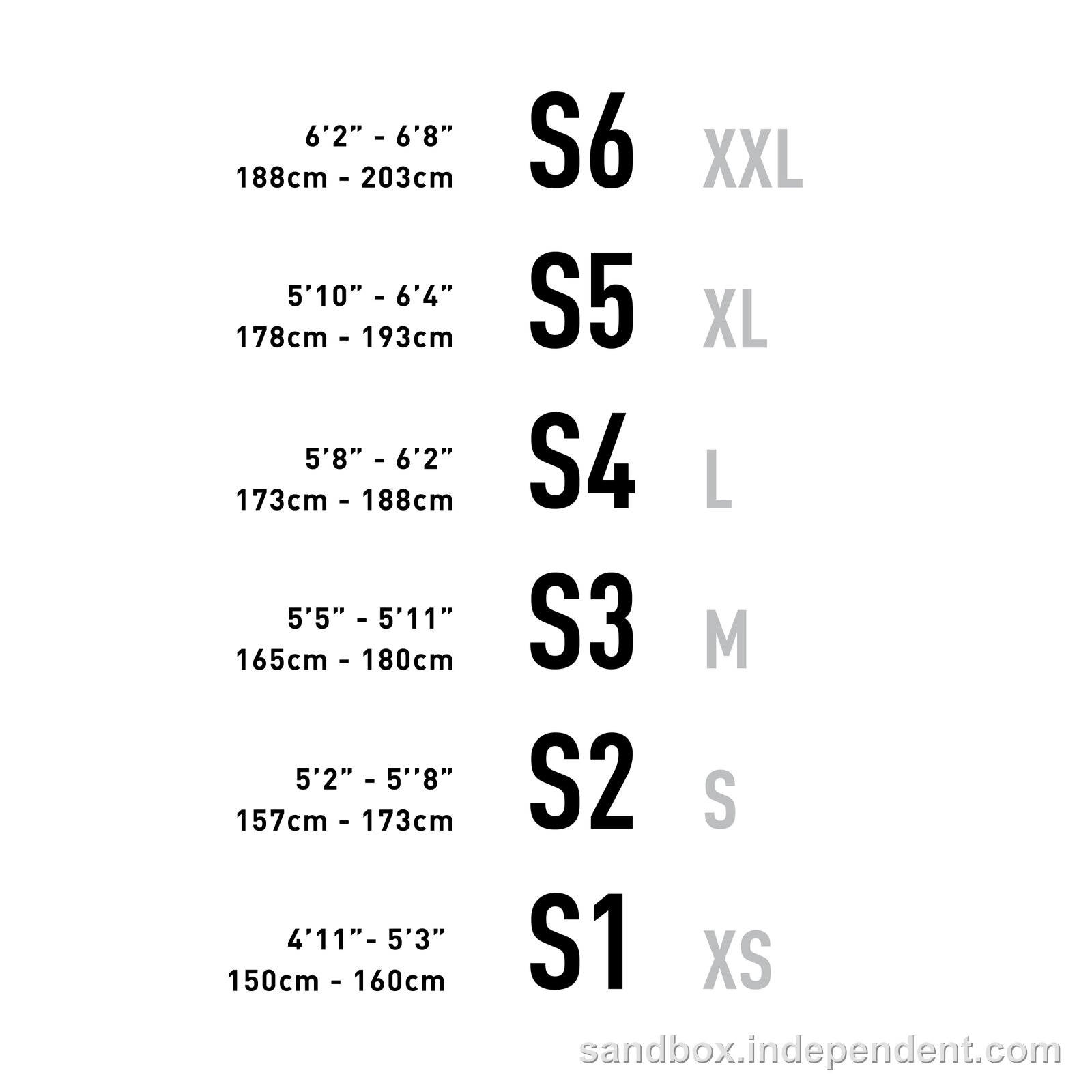
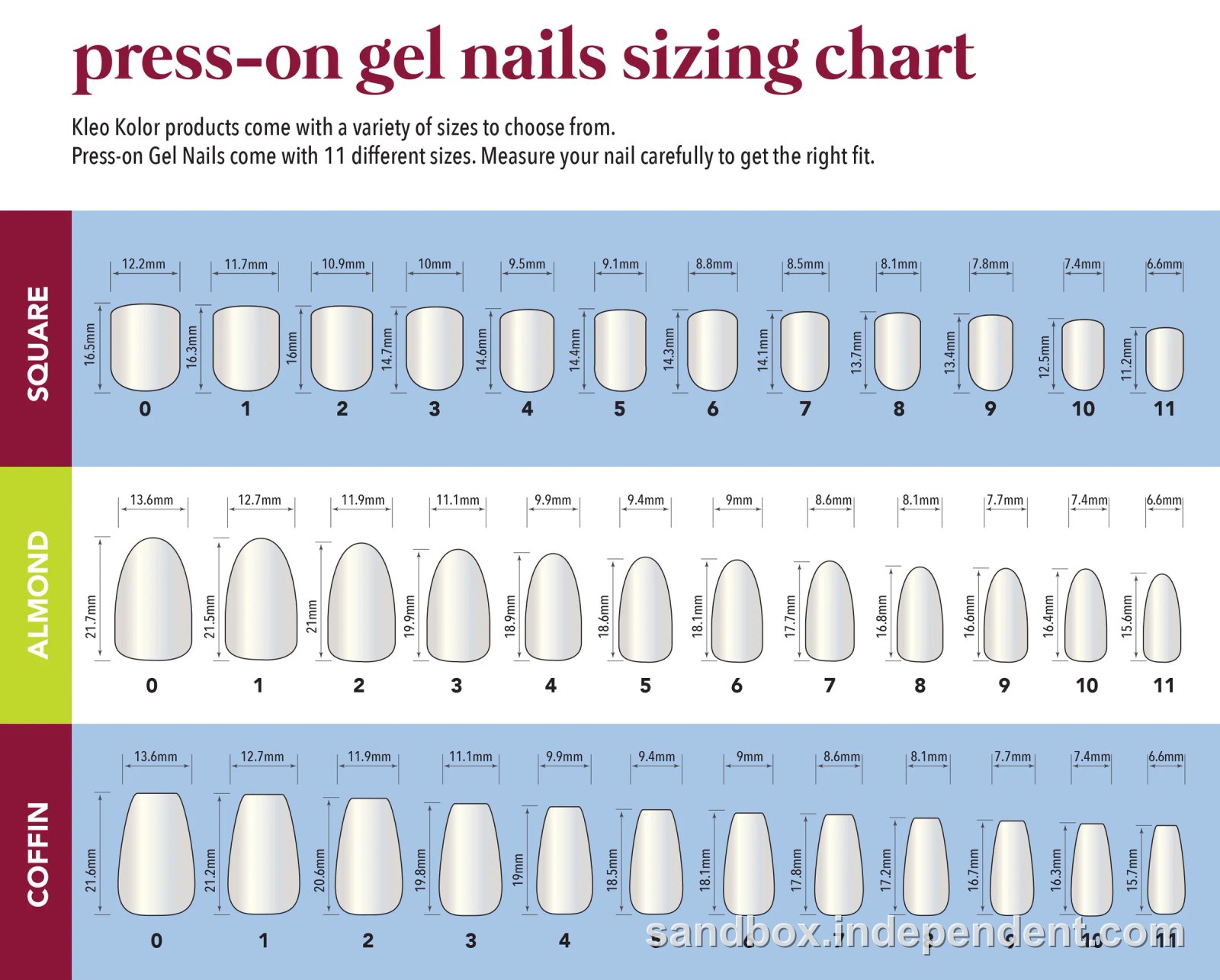
A sock size chart is a straightforward reference, yet it can vary depending on the brand and region. It's a quick guide to ensure you choose the right size, and it's especially useful when buying online. Think of it as a map to finding the perfect fit, guiding you through the process of matching your foot measurements to the right sock size.
Understanding the Sock Size Chart
A sock size chart is your go-to guide for finding the perfect fit for your feet. It's a simple tool that helps you match your foot measurements to the right sock size, ensuring comfort and avoiding any awkward bunching or slipping.
Key Details and Categories
The chart typically displays two main categories: foot length and sock size. Foot length is usually measured in centimeters (cm) or inches, and it's the distance from the heel to the tip of your longest toe. Sock size, on the other hand, is a standardized measurement that corresponds to this foot length. It's important to note that sock size charts can vary slightly depending on the region and manufacturer, so it's good to check if you're using an international sock size chart or one specific to your country.
How to Read and Apply the Chart
Using a sock size chart is straightforward:
Measure your foot length. Place your foot on a flat surface and use a ruler or measuring tape to get the distance from your heel to the longest toe.
Find your foot length on the chart. Look for the column or row that matches your measured foot length.
Identify the corresponding sock size. The intersecting row or column will give you the recommended sock size.
Choose your socks. Now you can confidently pick your socks, knowing they'll fit comfortably and snugly.
Variations and Differences
While sock size charts provide a standardized guide, there can be variations across different brands and manufacturers. Some may have slightly different size ranges or use unique sizing systems. It's always a good idea to check the brand's specific size guide, especially if you're ordering online or trying a new brand. Additionally, the type of sock (e.g., crew, ankle, or no-show) can also impact the fit, so consider the style you prefer.
Common Mistakes and How to Avoid Them
One of the most common mistakes is not measuring your foot length accurately. Ensure you're standing up and placing your foot flat on the measuring surface. Another pitfall is assuming all sock size charts are the same. Always double-check if you're using an international or regional chart, especially when shopping online or across borders. Lastly, remember that foot shape and width can also affect the fit, so consider trying on socks if possible, or opting for a brand that offers a generous return policy.
Well, that's a wrap on our sock size chart adventure! You now have the tools to ensure you're always getting the perfect fit, which is a win-win for your comfort and style.
Remember, while this guide offers a solid framework, exact values can vary slightly between different standards and sources. So, take a moment to double-check the specific requirements or guidelines relevant to your context. And there you have it—a simple yet effective way to ensure your socks are always a snug and cozy fit!
Related: How To Remodel Painting Easy
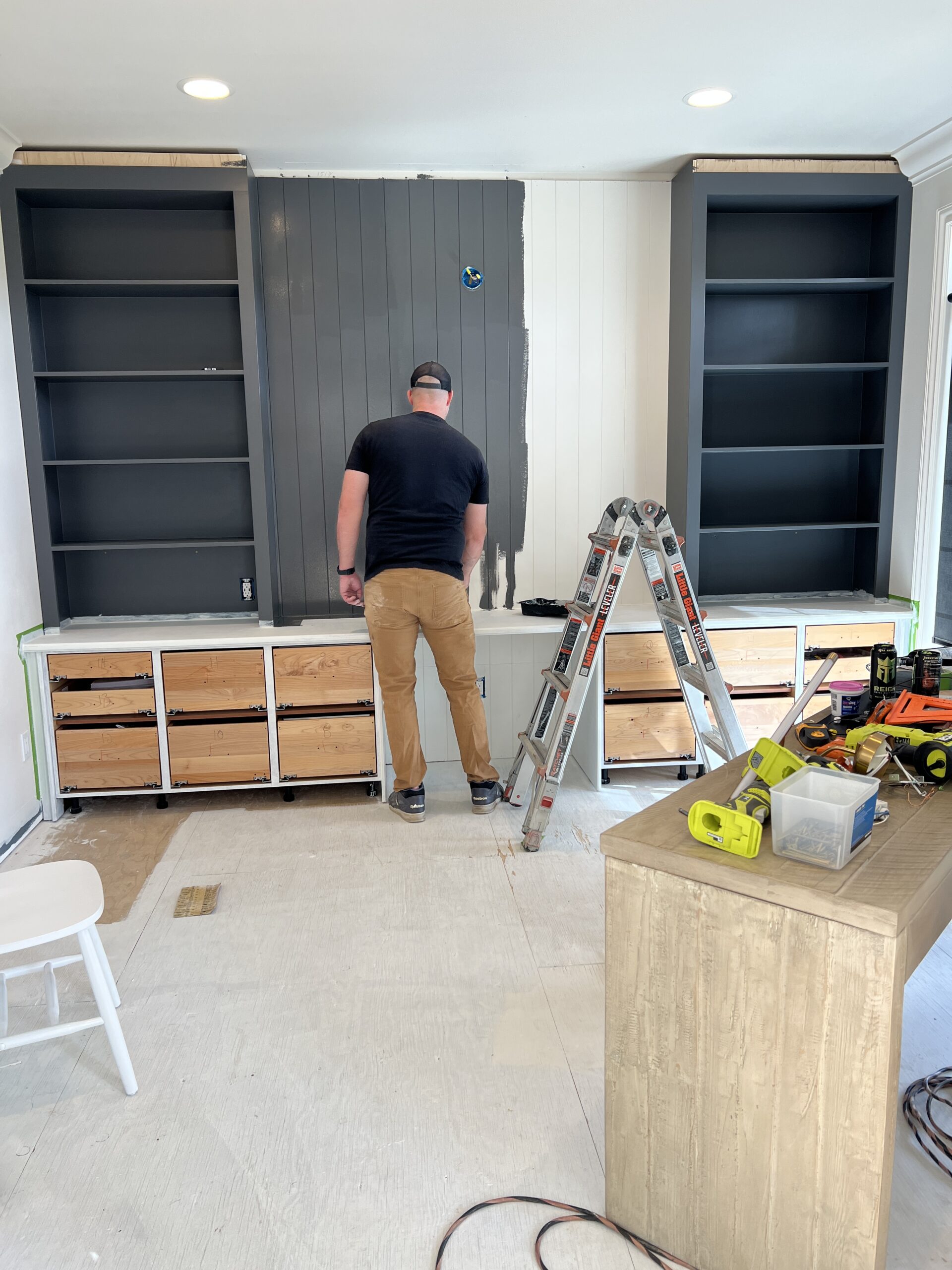
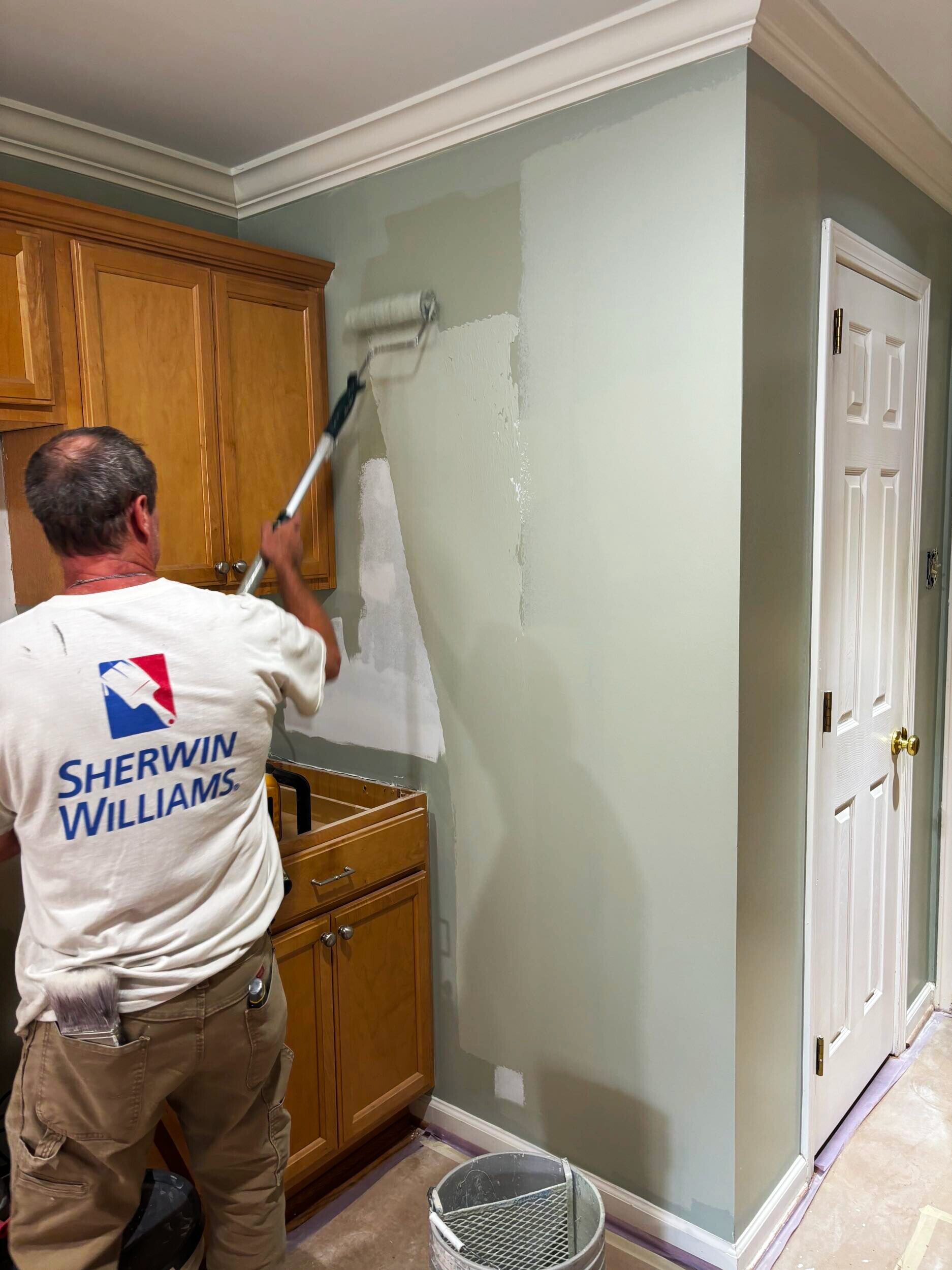
I'm getting ready to tackle a how to remodel painting project and it's a bit daunting. I mean, where do I even start? I've never done this before and I want to make sure I do it right. So, I've been doing some research and I've learned a few things that I think might help others in a similar situation.
Understanding the Process
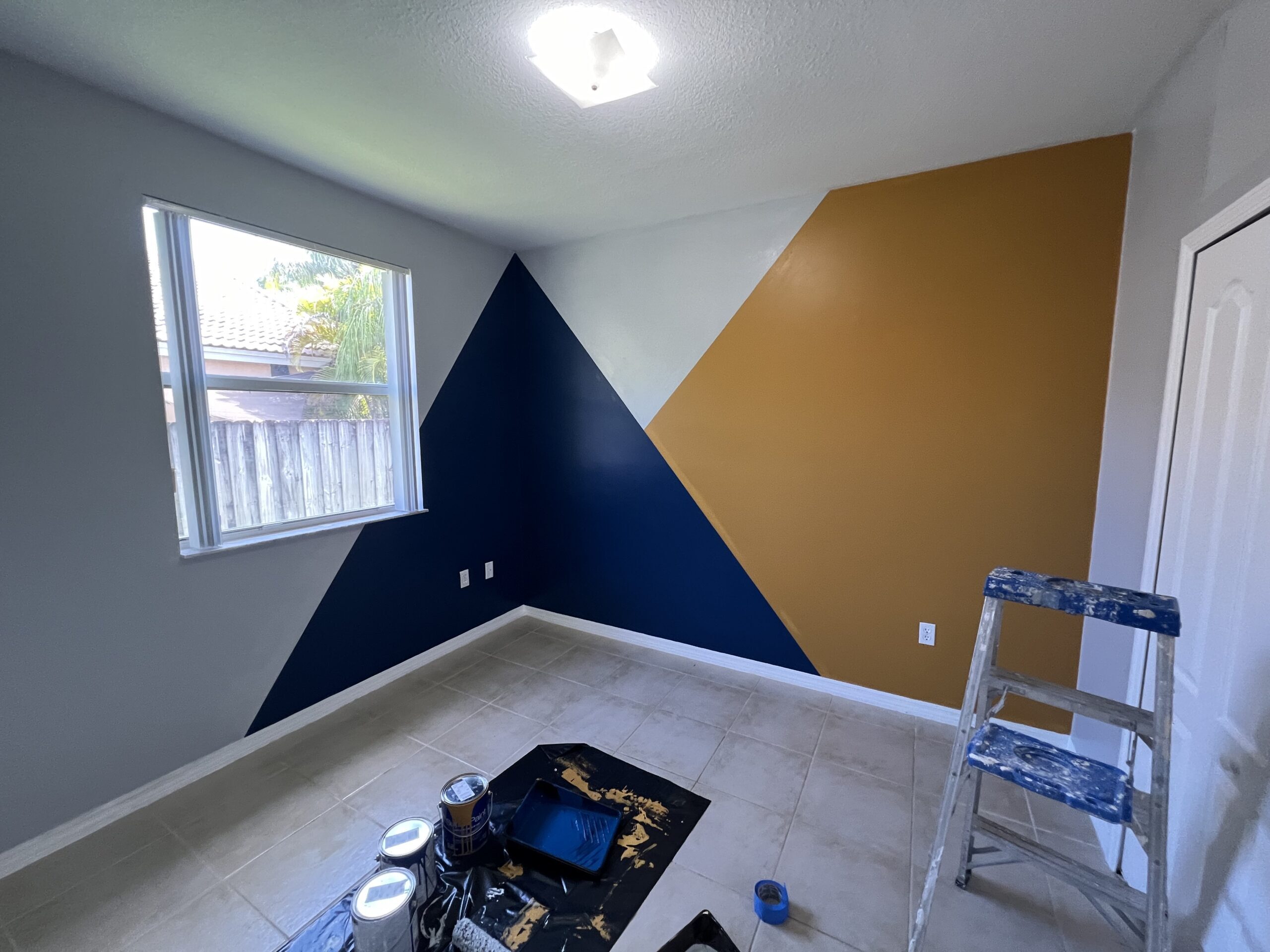
How to remodel painting is a specific type of home remodeling project that involves updating the look and feel of a room or space through a fresh coat of paint. It's a great way to transform a space without a major renovation, and it can be a fun and creative process. But, it's important to know what you're getting into and how to navigate the world of painting contractors and costs.
The first step is to assess the scope of your project. Consider the size of the space, the number of rooms, and the type of paint you want to use. This will impact the overall cost and the time it takes to complete the job. You'll also need to decide if you want to tackle the project yourself or hire a professional.
Hiring a Contractor
If you decide to hire a contractor, there are a few things to keep in mind. First, get multiple quotes. Compare prices, but also consider the quality of the work and the reputation of the company. Check online reviews and ask for references. A good contractor will be transparent about their process and pricing.
When comparing quotes, look for a detailed breakdown of the costs. This should include labor, materials, and any additional services like preparation work or special finishes. Make sure the quotes are for the same scope of work so you can make an apples-to-apples comparison.
Company Names and Reputation
The construction and remodeling industry is full of companies with unique names. A good company name should be memorable, easy to spell and pronounce, and reflect the nature of the business. It's also important to check the availability of the name and secure the relevant domain and local business registrations.
Some example names could be:
- Brushstroke Builders
- Colorful Creations
- Fresh Coat Pros
- Paint Perfect Pros
- Wall Wizards
- The Paint Pros
Construction Jobs and Salaries
The construction industry offers a range of jobs, from general contractors to estimators and project managers. Salaries can vary depending on experience, location, and the size of the company. It's a diverse industry with opportunities for growth and specialization. Many construction companies post job openings on their websites, and there are also dedicated construction job boards online.
Industry Tools and Data
Tools like RSMeans provide valuable data for the construction industry. They offer cost databases and escalation tools that help contractors and estimators calculate and manage project costs. This data is essential for accurate quotes and project planning. It ensures that costs are estimated correctly and that projects are profitable.
Large vs. Small Companies
The construction industry is diverse, with both large and small companies. Large companies often have more resources, allowing them to take on bigger projects and offer a wider range of services. They may also have more specialized staff. Small companies, on the other hand, can offer a more personalized service and may be more flexible in their approach.
Final Thoughts
How to remodel painting is a great way to update your home, and with the right approach, it can be a smooth and satisfying process. Remember to do your research, get multiple quotes, and choose a contractor who suits your needs and budget. It's a fun project that can really transform a space, so enjoy the process and the results!