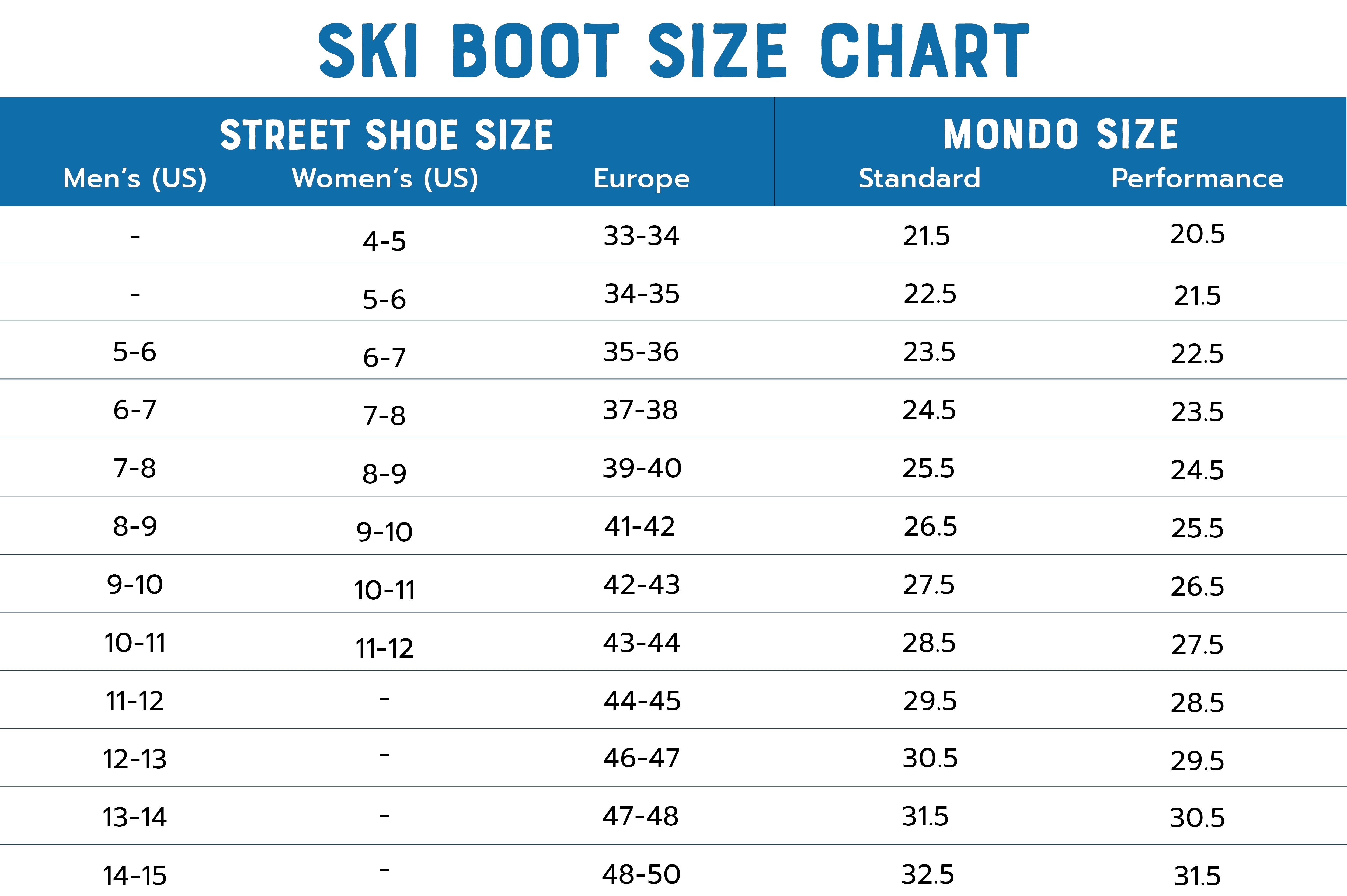
Dansko Size Chart Letter Size Overview
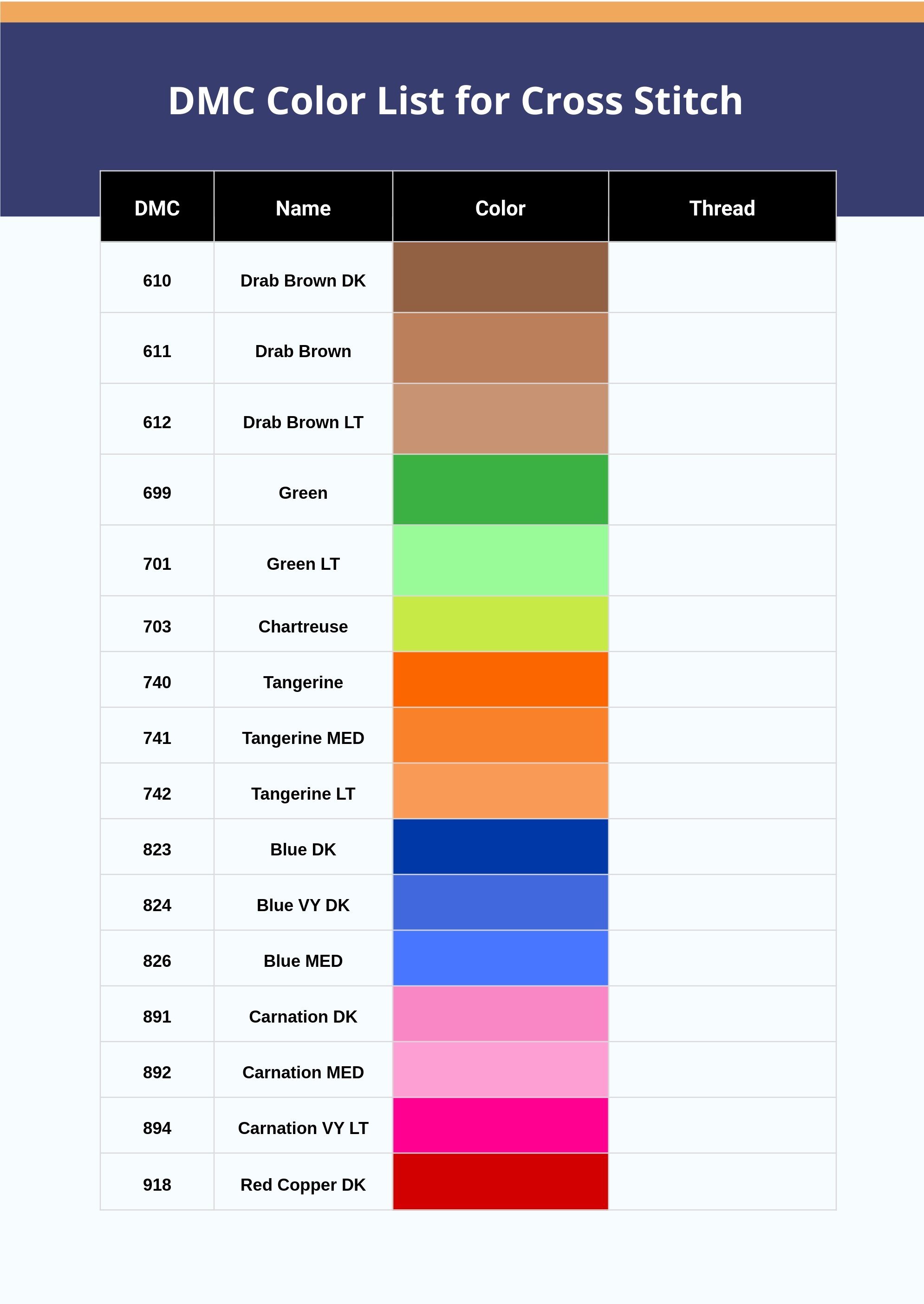
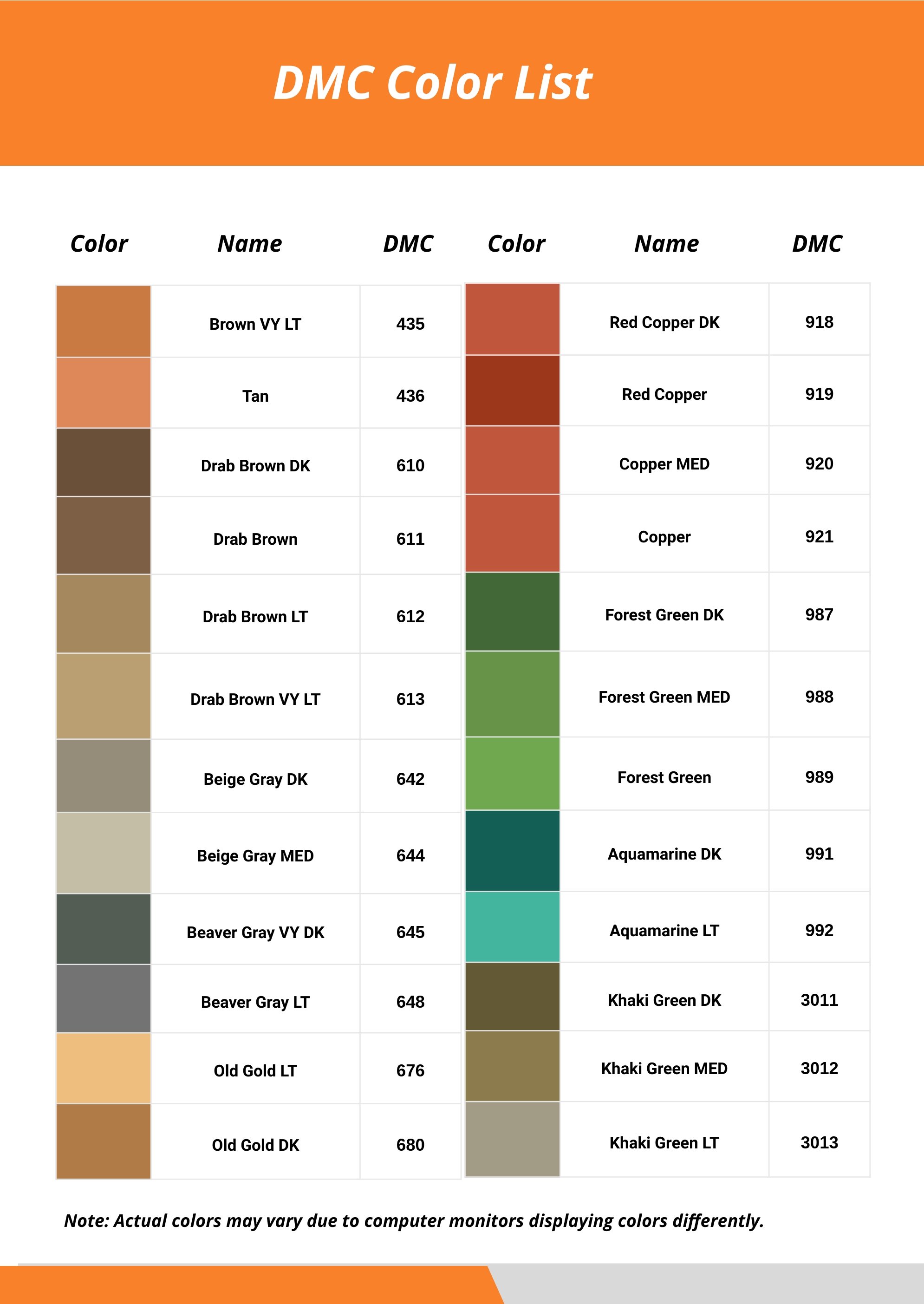
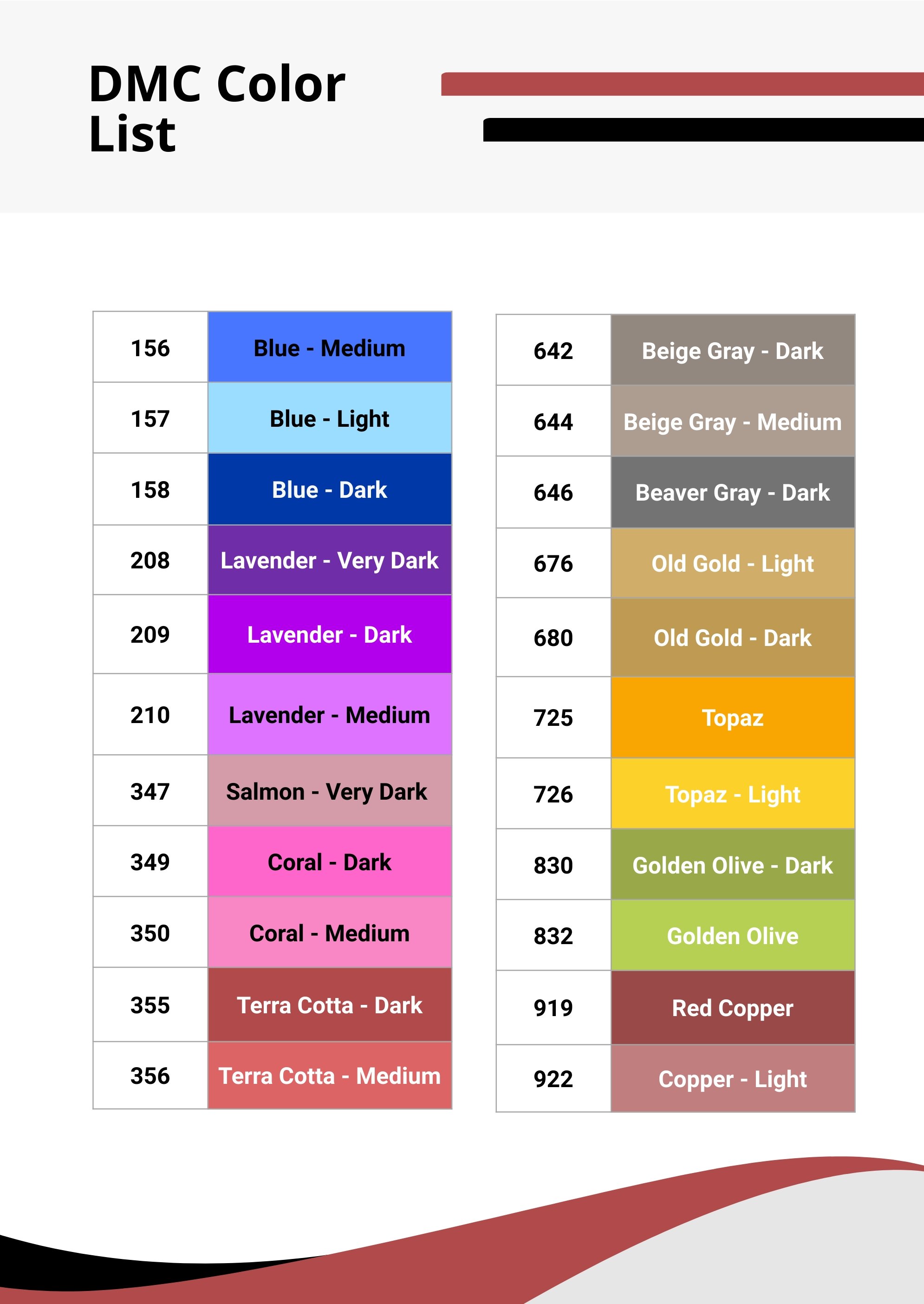
You're likely here because you need a reliable dmc color chart to guide your creative project, be it embroidery, cross-stitch, or another craft. This chart is a crucial tool, offering a clear and organized display of colors, often in the form of a thread or floss color guide. With various formats and standards, it's essential to find the right reference for your specific needs, ensuring an accurate and satisfying result.
Understanding the DMC Color Chart
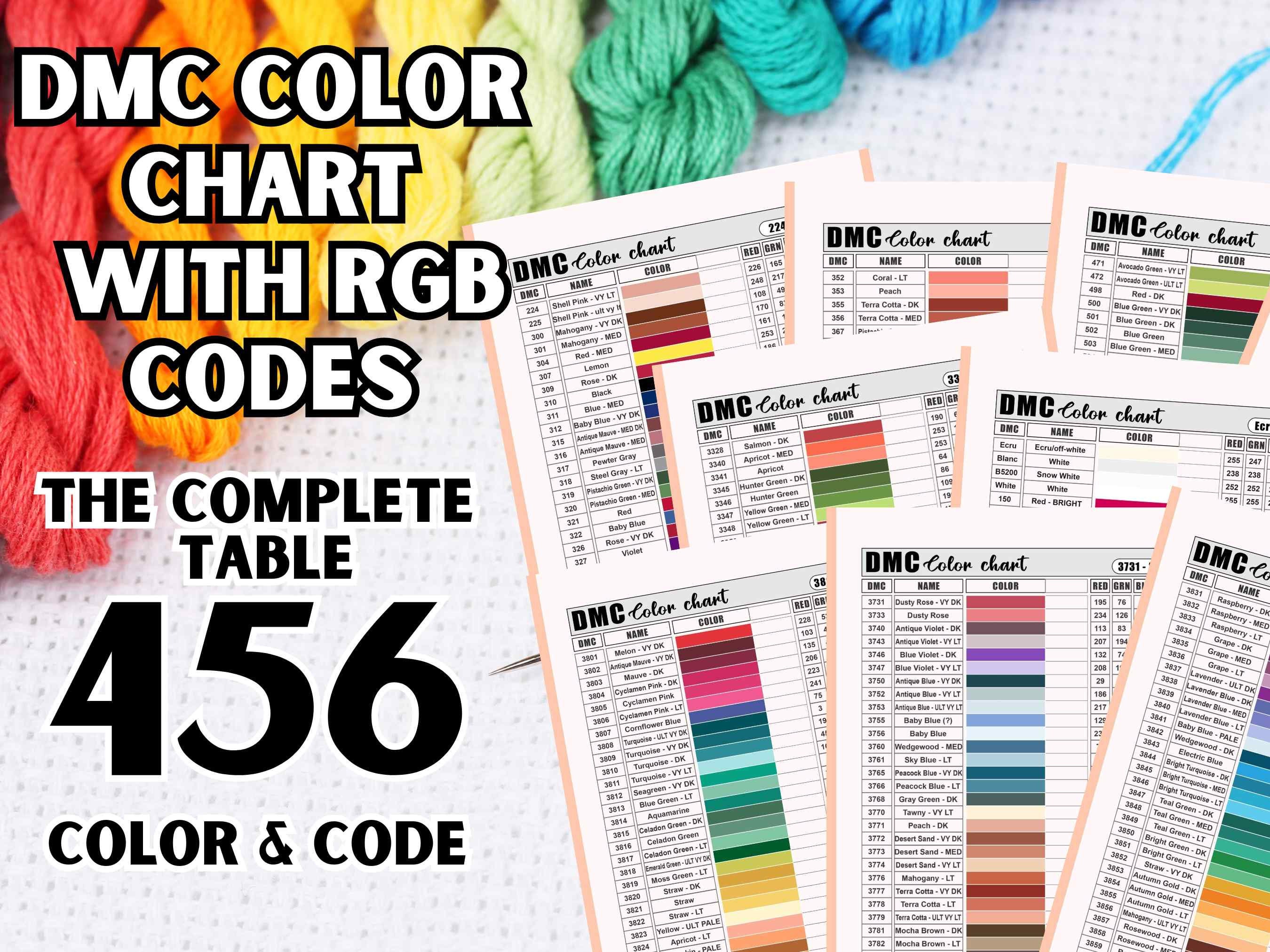
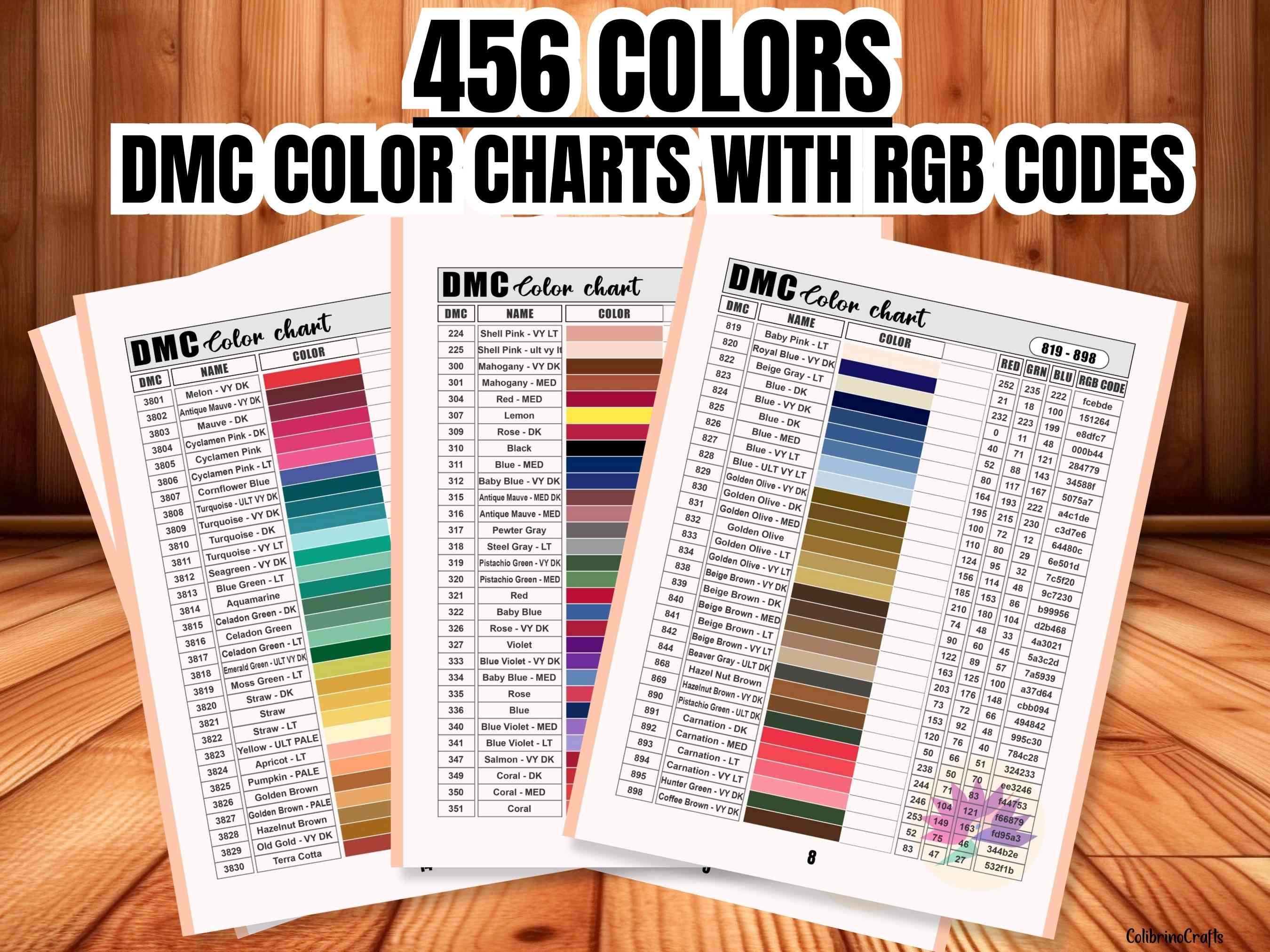
The DMC color chart is an essential tool for embroidery enthusiasts and professionals. It serves as a comprehensive guide to the vast range of DMC thread colors, providing a visual reference and accurate color codes. This chart is your key to unlocking the full potential of DMC embroidery threads.
Comparing Color Standards and Formats
DMC offers a standardized color system, ensuring consistency across their thread range. The chart typically displays a color swatch with its corresponding DMC color code. These codes are unique identifiers, allowing you to easily specify and match colors accurately.
Step-by-Step Guide to Using the DMC Color Chart
- Begin by identifying the color you wish to use. Look for the desired shade on the chart, which is usually organized by color family.
- Once you've located the color, note its DMC color code. This code is essential for referencing and ordering the correct thread.
- Use the chart as a guide when selecting threads for your embroidery projects. It ensures you achieve the intended color scheme and maintain consistency.
Avoiding Common Misreadings
It's important to note that lighting conditions can affect how colors appear. Ensure you view the chart in natural light to get an accurate representation of the shades. Additionally, be mindful of the difference between on-screen colors and physical thread colors, as screens may not always display true-to-life shades.
Factors Affecting Accuracy
Several factors can influence the accuracy of color representation on the DMC color chart. These include the type of paper or fabric used for the swatches, as well as the printing process. It's advisable to cross-reference colors with actual thread samples whenever possible to ensure precise color matching.
Choosing the Right Format
DMC provides various formats of their color chart to cater to different needs. You can opt for a physical color card, which is portable and convenient for on-the-go reference. Alternatively, digital versions are available for easy access on your device. Consider your preferred method of reference and choose the format that suits your embroidery workflow.
Maintaining Reliability for Future Projects
To ensure the longevity and reliability of your DMC color chart, handle it with care. Keep it away from direct sunlight and moisture to prevent fading or damage. Regularly update your chart to the latest version, as DMC may introduce new colors or make adjustments to their color range. By doing so, you'll always have an accurate and up-to-date reference for your embroidery endeavors.
Remember, the specifics of your DMC color chart may differ slightly, so it's always good to refer back to this guide for a quick refresh. Exact values can vary, so it's best to have your trusted reference at hand.
Feel free to bookmark this page for future use, and check out our other guides for more practical tips and insights. We aim to provide clear, concise information, so you can navigate these topics with ease. Happy crafting!
Related: Find Your Perfect Fit: Jeans Size Chart Guide
Many people struggle with the idea of a jeans size chart, assuming it's a complex and confusing tool. But it's actually a simple and handy reference, a quick guide to finding your perfect fit!
The chart offers a visual or tabular overview, providing waist and hip size measurements, along with other key details like inseam length and leg opening. While values may vary slightly between brands and regions, the jeans size chart is a reliable starting point for an accurate fit.
Understanding the Jeans Size Chart
The jeans size chart is your guide to finding the perfect fit for your denim dreams! It's a handy tool that translates your body measurements into the right jeans size, ensuring you look and feel great. This chart is like a secret code, but don't worry, it's easy to crack!
Key Details and Categories
Let's break down the chart's categories. Typically, a jeans size chart will have two main measurements: waist size and hip size. These are the most critical factors in finding a comfortable and flattering fit. You'll also find other details like inseam length, leg opening, and rise, which add precision to your choice. These measurements are usually in inches or centimeters, depending on the standard used. Always check the chart's units to ensure accuracy.
How to Read and Apply the Chart
Using the jeans size chart is a breeze! Here's a step-by-step guide:
- Measure your waist and hip sizes. Ensure you're measuring at the right points; for the waist, it's the narrowest part of your torso, and for the hips, it's the widest part.
- Find your waist and hip measurements on the chart. The chart will often have a grid or table format, with waist sizes along one axis and hip sizes on the other.
- Look for the intersection of your waist and hip measurements. This will give you your recommended jeans size. For example, if your waist is 28 inches and your hips are 36 inches, the chart might recommend a size 6.
- Consider other details like inseam length. If you prefer a specific leg length, choose a size that accommodates your desired inseam.
- Try it on! While charts are accurate, personal preferences and body shapes vary. So, it's always best to try the jeans and see how they feel and look.
Size Variations and Differences
It's important to note that jeans size charts can vary slightly between brands and manufacturers. This is because each brand might have a unique fit philosophy or use different measurement standards. Additionally, regional differences can impact size charts, with some countries using different sizing systems. Always check the brand's specific size guide or denim size chart to ensure you're using the right measurements. It's a good idea to refer to the brand's size guide when shopping online to avoid any surprises.
Finding the perfect jeans size is an adventure, and with this guide, you're equipped to navigate the jeans size chart like a pro!
Well, there you have it! A handy jeans size chart to keep on hand for all your denim adventures. Remember, these charts are a great starting point, but it's always wise to check the specific brand's size guide for any unique fits or styles.
Jeans shopping can be a fun and practical experience, and with this guide, you're well-equipped to find your perfect fit. So, happy browsing and remember to bookmark this page for future denim missions!
Related: Understanding the Hawks Depth Chart
Many people tend to overlook the importance of a hawks depth chart, assuming it's just a simple lineup. However, it's so much more than that! The depth chart is a strategic tool, offering a quick glimpse into a team's lineup and player roles. It provides an easy reference, especially for those new to the sport, to understand the structure and dynamics of the Atlanta Hawks' roster. While the exact format and details may vary, the depth chart positions give an insight into the starting five and the bench players, and their statistics can reveal a lot about a team's strategy and potential.
Understanding Player Roles: An Overview
The hawks depth chart is a valuable tool for basketball fans and analysts, providing a clear picture of a team's player lineup and their roles. This chart offers an easy-to-read visual representation of the Atlanta Hawks' roster, showcasing the starting five and the bench players. It's a practical guide to understanding the team's strategy and player dynamics.
Comparing Depth Chart Formats and Standards
There are various ways to present a depth chart, but the standard format for the hawks depth chart typically includes columns for player positions and rows for individual players. Each cell within the chart represents a player's role and their specific position on the court. Common positions include point guard, shooting guard, small forward, power forward, and center. The chart may also include additional columns for player statistics, such as points per game, rebounds, and assists.
Step-by-Step Guide to Reading the Hawks Depth Chart
Here's a simple process to navigate and understand the hawks depth chart:
- Start by identifying the player positions along the top of the chart. These positions are typically listed in a standard order, ensuring consistency.
- Move down the chart, reading each player's name and their corresponding position. This will give you a clear idea of the team's starting lineup and the roles of each player.
- Pay attention to the statistics columns, if available. These numbers provide valuable insights into a player's performance and can help you analyze their impact on the court.
- Note any common position changes or adjustments made by the coaching staff. The depth chart may highlight these changes, indicating a player's versatility or a strategic shift in the team's lineup.
Common Misreadings and How to Avoid Them
While the hawks depth chart is designed for clarity, there are a few potential pitfalls to watch out for:
- Misinterpreting player roles: Ensure you understand the standard positions and their responsibilities. For instance, a shooting guard's role differs from that of a small forward, so pay attention to these nuances.
- Overlooking bench players: The starting five often gets the most attention, but the depth chart also highlights the importance of bench players. Their roles and contributions are just as crucial to the team's success.
- Assuming static lineups: Remember that depth charts can change throughout the season. Always check the latest version to ensure you have the most accurate information.
Factors Affecting Accuracy and Real-World Use
Several key factors can influence the accuracy and practical application of the hawks depth chart:
- Player statistics: These numbers are constantly updated, so ensure you're referring to the most recent data.
- Injuries and rotations: The depth chart may need adjustments due to player injuries or strategic rotations, so stay updated with the latest team news.
- Coaching strategies: Different coaches have unique approaches, which can impact player roles and lineup decisions.
- Opponent analysis: The depth chart may vary depending on the opposing team's strengths and weaknesses.
- Player performance: Individual player performance can also influence lineup changes and depth chart adjustments.
Remember, the hawks depth chart is a dynamic tool, and its accuracy relies on staying informed about the latest team developments and player performances.
So, there you have it! A handy guide to the hawks' depth chart, which should give you a clear picture of the options and help you navigate the process effectively.
Remember, every situation is unique, so take a moment to ensure your specific needs are met before you finalize anything. It's always worth double-checking to avoid any potential pitfalls. This guide should serve as a helpful reference, so feel free to bookmark it for future use. Happy charting!