

Dental Tooth Chart A4 Overview
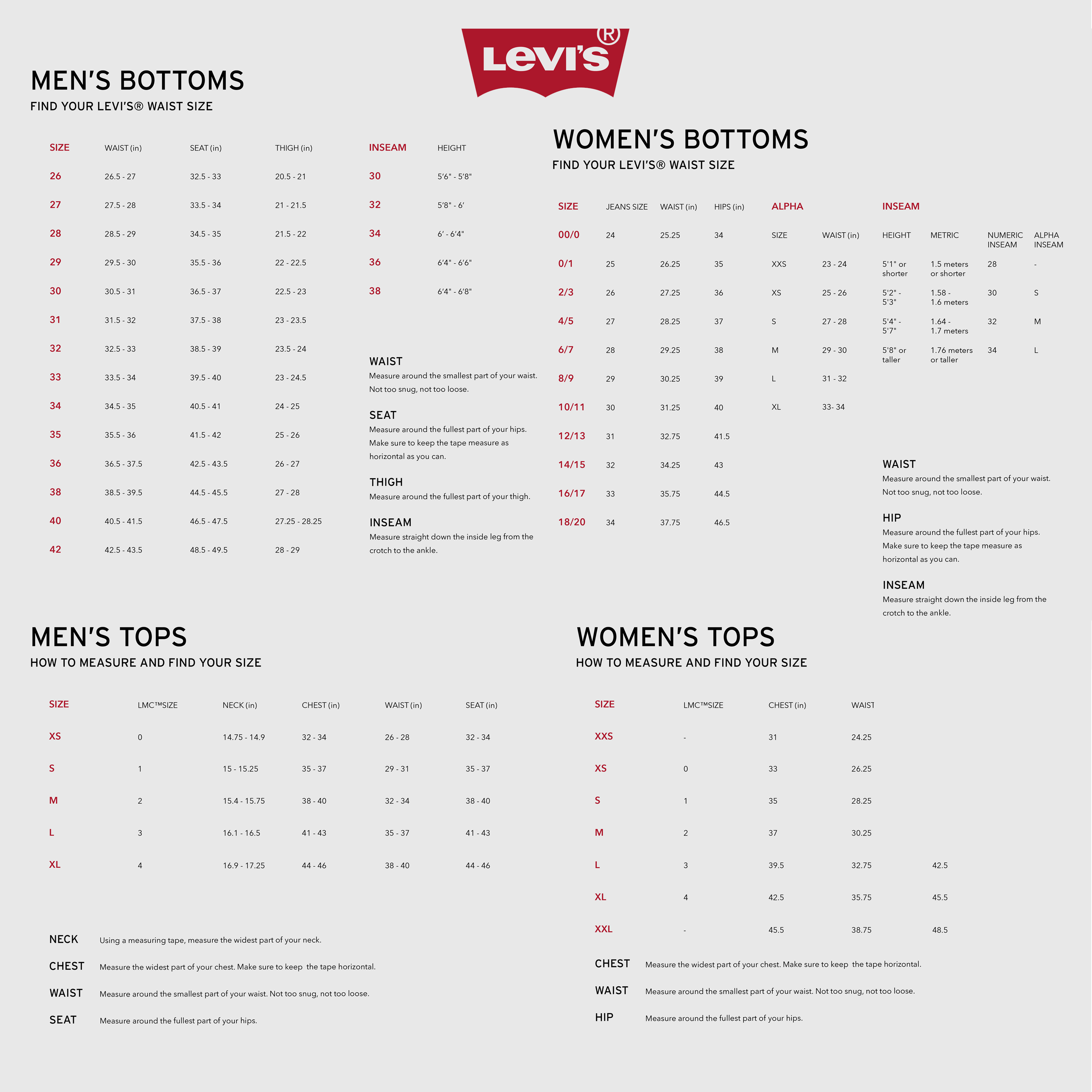
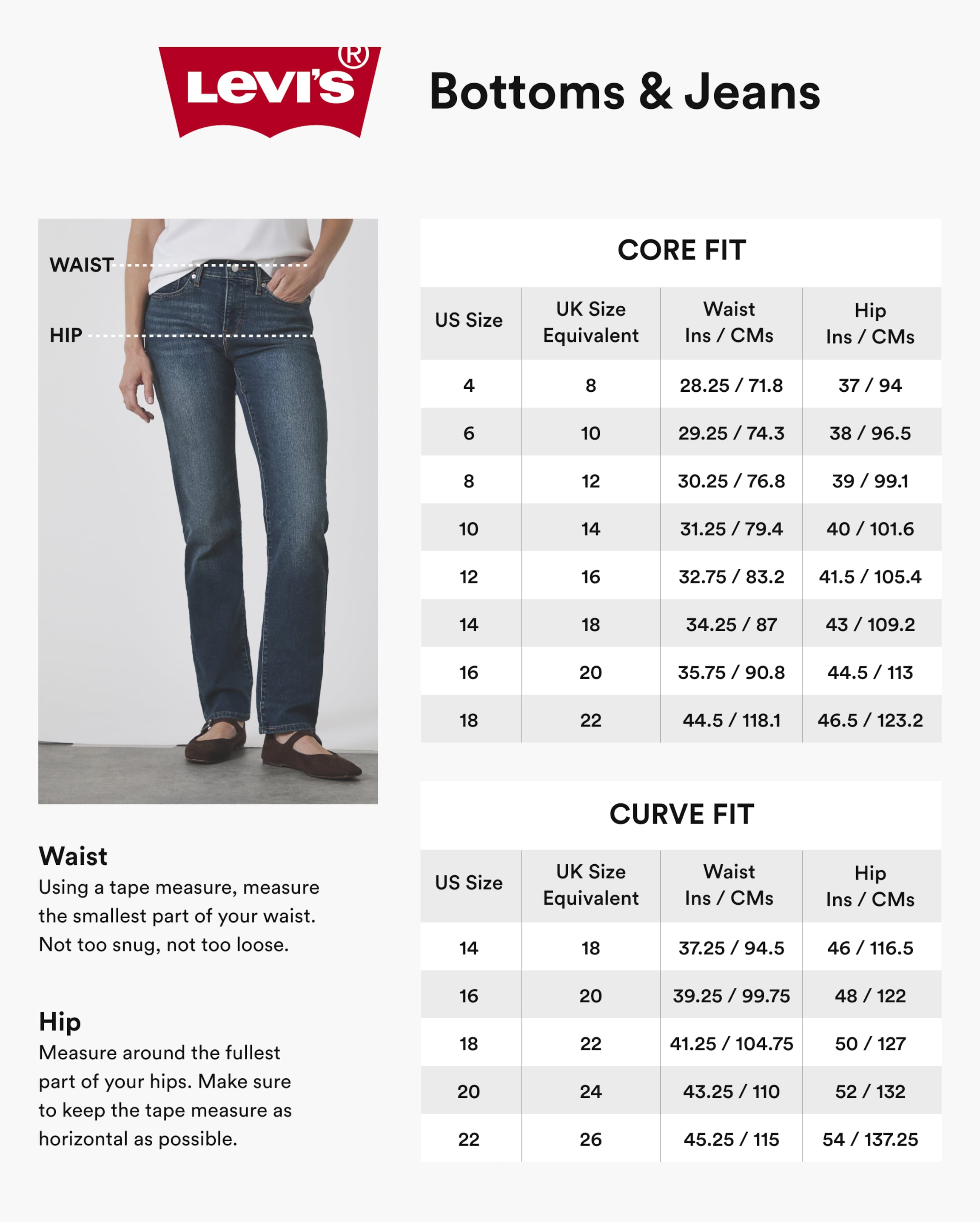
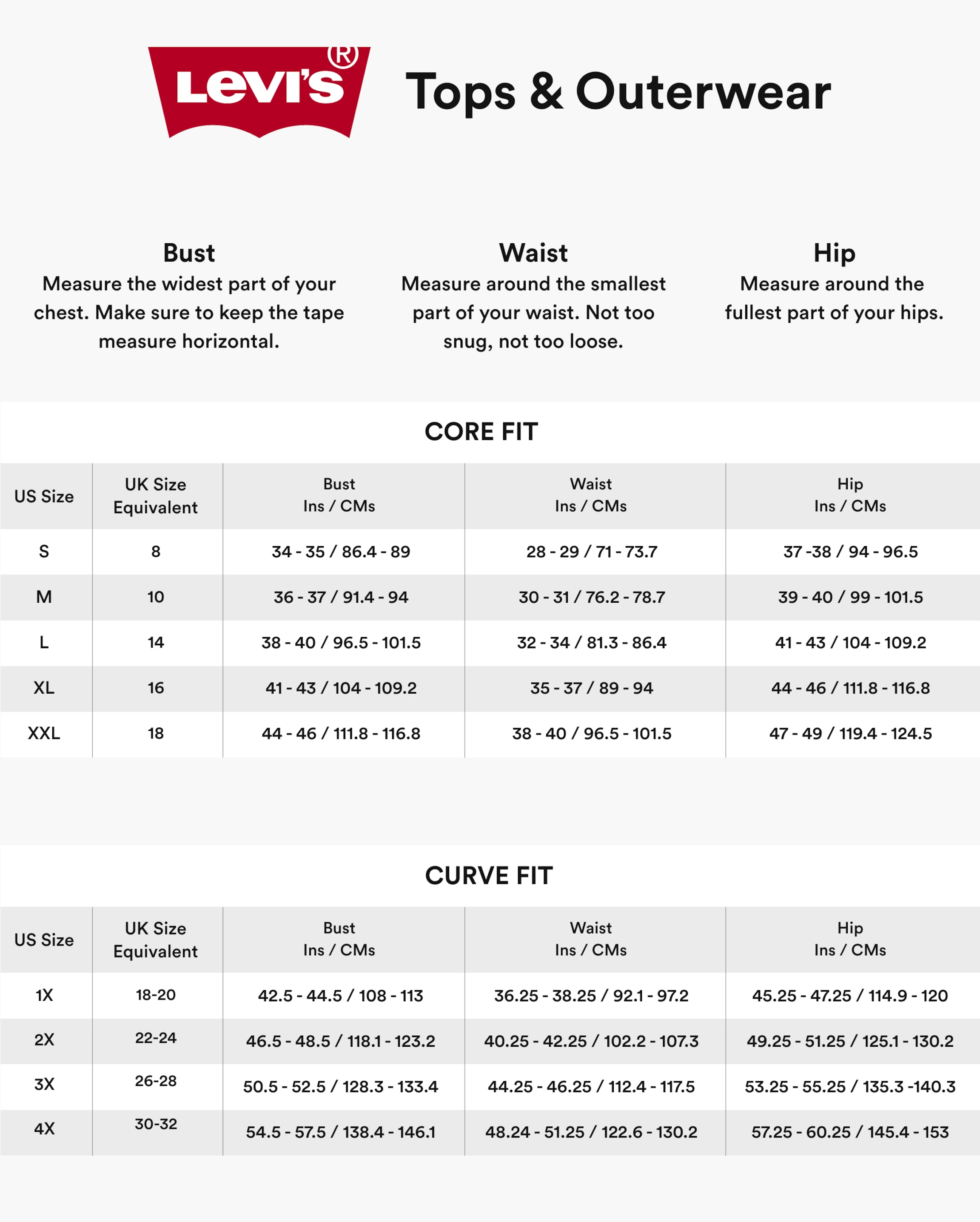
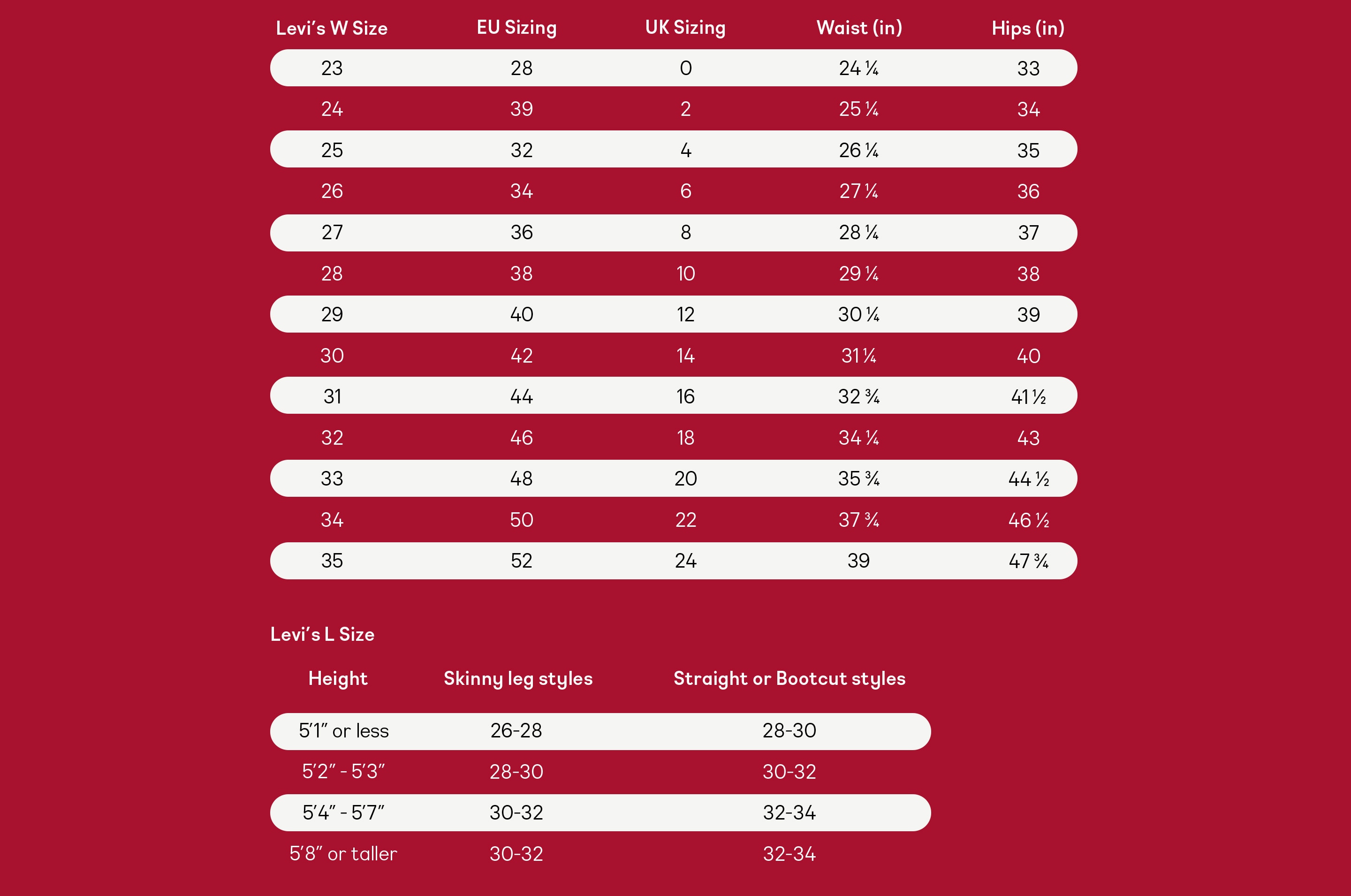
You're here because you need a quick solution, right? Well, if you're looking for a bold and reliable way to find your perfect Levi's fit, the Levi size chart is your go-to tool. It's a simple yet effective guide, offering a visual representation of sizes and measurements, making it easy to navigate. With just a glance, you can ensure you're getting the right size, whether it's for yourself or a gift. This chart is a handy reference, especially when you're in a rush and need a quick sizing solution.
Understanding the Levi Size Chart
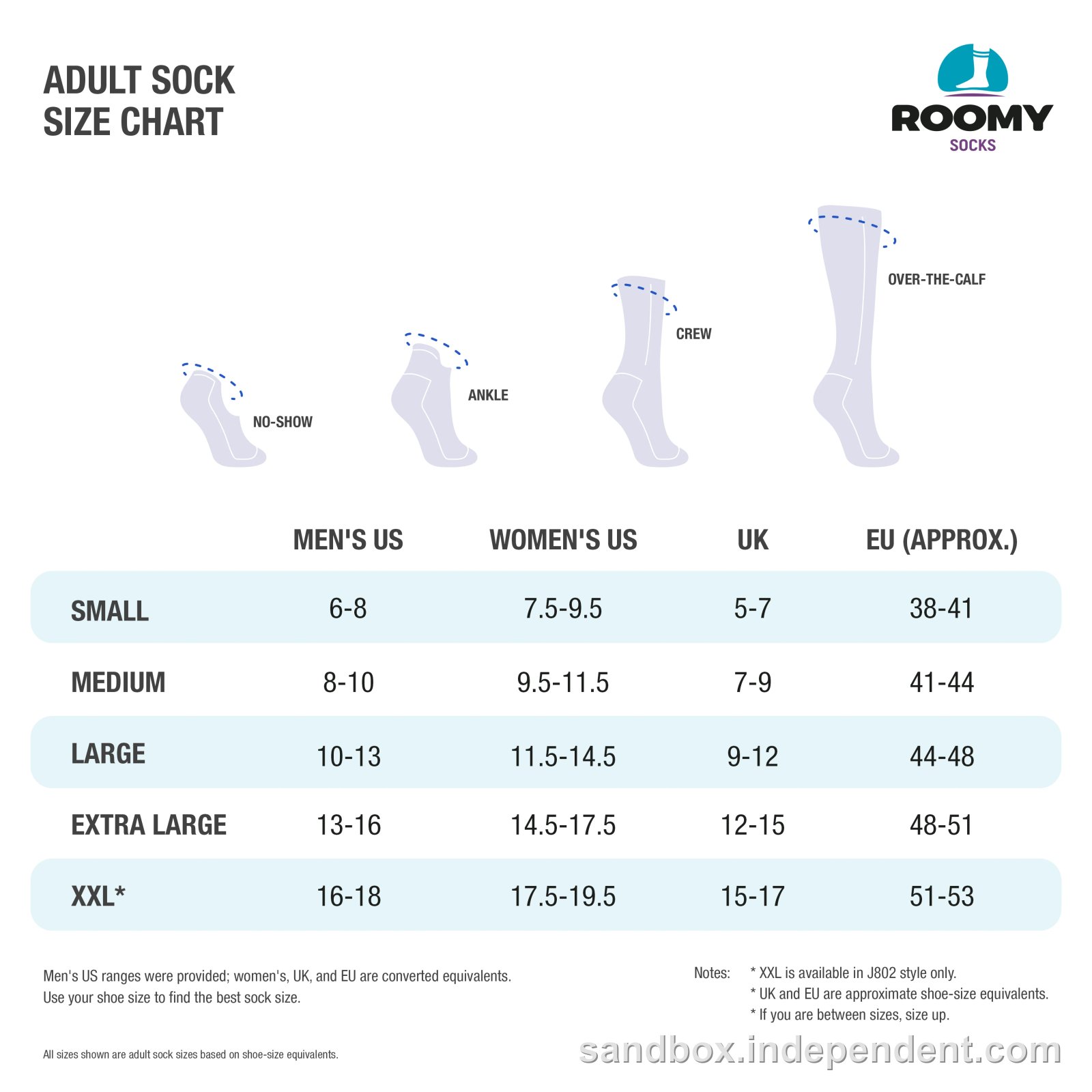
The levi size chart is your go-to guide for finding the perfect fit in Levi's jeans and clothing. It's a simple tool to ensure you get the right size, whether you're shopping online or in-store. This chart provides measurements and size categories to help you choose the best fit for your body.
Standard Sizing Options
Levi's size chart follows a standard sizing system, typically based on waist size and inseam length. This means you'll find consistent sizing across their products, making it easier to find your fit. The chart usually includes categories like waist size (in inches or centimeters), inseam length, and sometimes additional measurements like hip and thigh circumference.
How to Use the Levi Size Chart: A Step-by-Step Guide
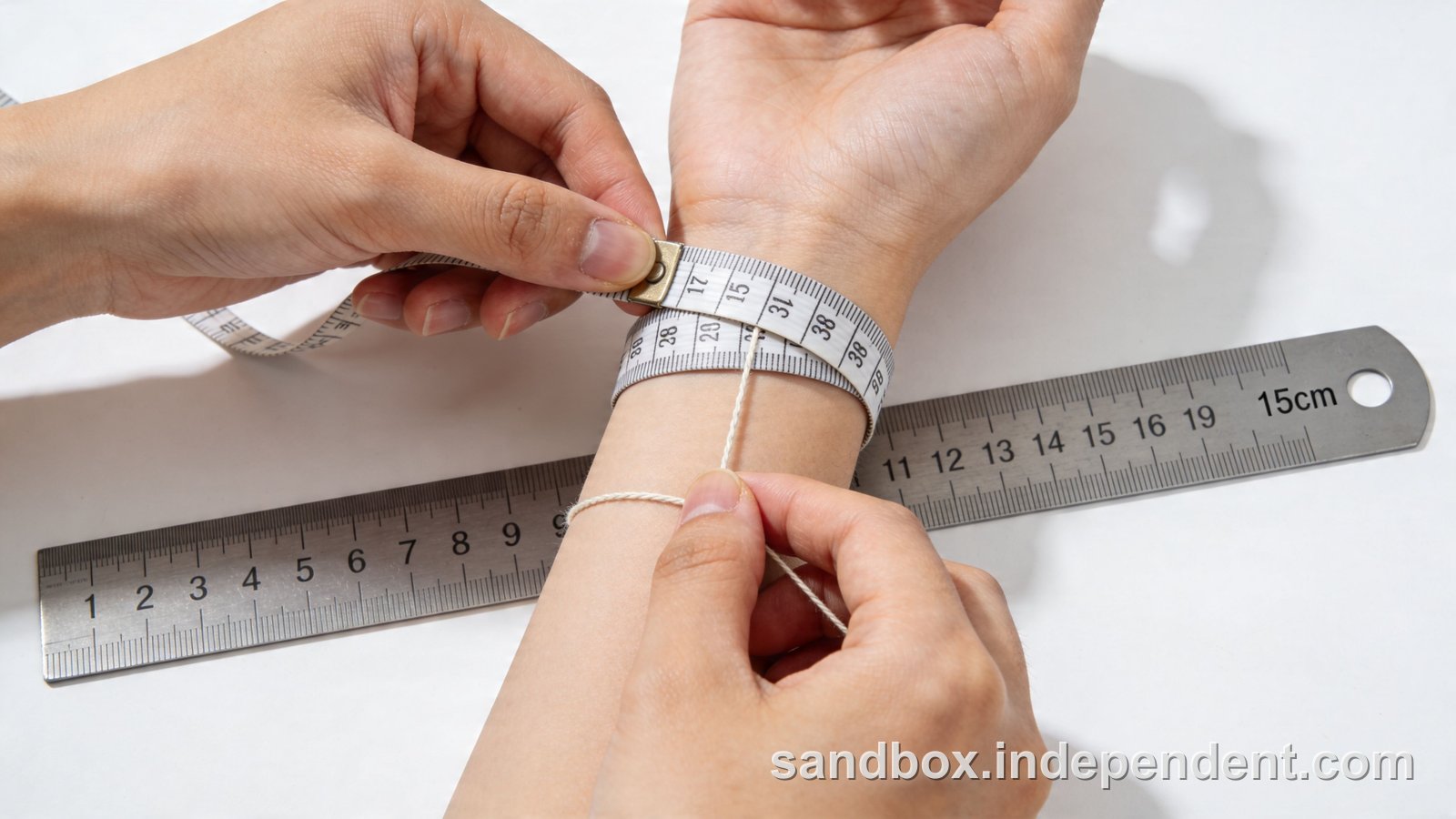
- Identify your waist size. This is the most critical measurement for jeans. Measure your waist at the point where you usually wear your pants, keeping the tape measure snug but not tight.
- Determine your inseam length. This is the distance from your crotch to the hem of your pants. You can measure this while wearing well-fitting pants or by standing against a wall and measuring the distance from your crotch to the floor.
- Refer to the levi size chart. Find your waist size and inseam length on the chart. The chart will provide you with the corresponding size, typically in numerical or alphabetical categories.
- Consider other measurements. If the chart offers additional measurements like hip or thigh circumference, you can use these to ensure an even better fit.
Common Misreadings and How to Avoid Them
One common mistake is assuming all brands use the same sizing standards. While Levi's size chart is consistent within their brand, sizes may vary across different brands and styles. Always double-check the specific size guide for the item you're interested in. Additionally, be mindful of the units used. Some charts may use inches, while others use centimeters. Ensure you're comparing like with like.
Factors Affecting Size Variations
Several factors can influence the accuracy of your size determination. First, body shape varies, and the chart provides a general guide. Second, the fit you prefer (e.g., slim, regular, or relaxed) can affect the size you choose. Lastly, the fabric and stretchiness of the material can impact the fit, so consider the fabric type when using the chart. Remember, the levi size chart is a helpful tool, but it's always a good idea to try on clothing to ensure the perfect fit.
Hey there! We hope you found this guide on the Levi size chart helpful and that it's made your sizing quest a little easier. Remember, when it comes to size charts, exact details can differ slightly, so always double-check the source and standard you're using.
We've got a bunch of other guides on various topics, so feel free to explore and discover more practical tips and tricks. Happy reading, and we hope to see you around!
Related: Understanding the HRV Chart by Age
You're here because you want a quick insight into that HRV chart by age you've been looking at. It's a handy tool, right? A simple chart can offer a lot of insight, and when it comes to HRV, these visual references are key.
The age-based chart is a great starting point, but did you know there are also charts for gender, fitness level, and activity? These charts can vary slightly, so it's good to keep an eye out for any specific details that might be relevant to you.
Understanding HRV Charts: An Overview
An HRV chart by age is a valuable tool to assess your heart rate variability, which is a measure of the time interval between heartbeats. This chart provides insights into your overall health and fitness level. It's like having a personal guide to understand your body's response to various factors.
Comparing HRV Chart Standards and Categories
When you look at an HRV chart by age, you'll notice different categories or color-coded sections. These represent various age groups, typically in 10-year intervals, such as 20-29, 30-39, and so on. Each category has specific ranges or values associated with it. For instance, the chart might show optimal HRV values for different ages, helping you understand where you stand.
Step-by-Step Guide to Reading an HRV Chart Accurately
Identify your age group: Start by finding the category or color that matches your age range. This is your reference point.
Check the values: Within your age group, you'll see a range of numbers. These represent the typical HRV values for people of your age. Compare your own HRV measurement to this range.
Interpret the results: If your HRV value falls within the optimal range for your age group, it's a good sign! It indicates your heart is functioning efficiently and your overall health is on track. If your value is lower, it might suggest room for improvement, and you can take steps to enhance your cardiovascular health.
Common Misreadings and How to Avoid Them
It's important to remember that HRV charts by age are general guidelines. Individual variations exist, so don't panic if your HRV value is slightly outside the optimal range. Factors like gender, fitness level, and activity can also influence HRV. For instance, highly active individuals might have different HRV patterns. Always consider these factors when interpreting your HRV chart.
Factors Affecting HRV Chart Accuracy and Real-World Use
Several factors can impact the accuracy of your HRV chart reading. First, ensure you're using the correct chart for your region or standard. Some charts might use different units or ranges, so double-check the specifications. Additionally, your lifestyle choices, such as diet, exercise, and stress levels, can significantly affect your HRV. For instance, regular exercise tends to improve HRV. Lastly, remember that HRV charts provide a snapshot of your health. Consistent monitoring over time is key to understanding your body's trends and making informed decisions about your well-being.
Hey there! I hope this guide has been helpful and given you a clear understanding of HRV charts and their use. Remember, while we've covered the basics, there are always some nuances to consider. Exact details might vary slightly, so it's good to keep an open mind and adapt as needed.
Feel free to explore our other guides for more practical tips and insights. And don't forget to bookmark this page for future reference—it's a handy tool to have at your fingertips!
Related: Basic Chord Chart: Your Quick Reference Guide
You're likely here because you need a quick and reliable resource to navigate the world of music and chords. The basic chord chart is an essential tool for any musician, offering a clear and concise visual representation of chords and their variations. It serves as a go-to reference, especially for those exploring guitar chord charts or delving into chord progression guides. While values and formats may vary, this chart provides a solid foundation for understanding common chord shapes and basic music theory.
Understanding Chord Symbols: A Guide to Basic Chord Charts
A basic chord chart is a valuable tool for musicians, especially those learning to play guitar or any other chordal instrument. It provides a visual representation of chord shapes and finger positions, making it easier to grasp and play various chords. These charts are like a musical roadmap, offering a quick reference for beginners and a handy guide for more experienced players to explore new chord progressions.
Key Details and Categories
Chord charts typically display the following information: the chord name (e.g., C major, A minor), a diagram showing the finger positions on the fretboard, and sometimes additional symbols or annotations. The chord name is usually written in standard music notation, indicating the root note and whether it's a major, minor, or other chord type. The diagram illustrates where to place your fingers on the guitar neck, with each dot representing a finger position.
Reading Chord Diagrams: A Step-by-Step Guide
To read a basic chord chart, follow these steps:
- Identify the chord name at the top of the chart. This tells you the root note and chord type.
- Look at the diagram. Each vertical line represents a guitar string, and the horizontal lines are the frets. The dots indicate where to place your fingers.
- The dot's position on the diagram corresponds to a fret and string on your guitar. For example, a dot on the second string, second fret, means you should place your finger there.
- If there are multiple dots on a string, it indicates a barre chord, where you need to press down multiple frets with one finger.
- Play the chord. Strum or pluck the strings to hear the chord. Adjust your finger positioning if needed to achieve a clear, resonant sound.
Variations and Differences: Why Chord Charts Can Vary
While basic chord charts provide a consistent framework, variations can occur due to several factors:
- Standard music notation has evolved, and different regions or styles may have slight variations in chord naming or diagramming conventions.
- Guitar tuning can also impact chord shapes. While most charts assume standard tuning, alternate tunings will require adjustments to the finger positions.
- The complexity of the chord and the instrument's range can influence the diagram's layout. More complex chords may require additional annotations or symbols.
- Lastly, personal playing style and comfort can lead to slight variations in finger positioning, especially for more advanced players.
Remember, basic chord charts are a guide, and with practice, you'll develop your own techniques and preferences. It's always a good idea to explore multiple resources and seek guidance from experienced musicians to refine your understanding and playing skills.
So, with your new chord chart knowledge, you're well-equipped to start exploring and creating music. Remember, these charts provide a solid foundation, but as you dive deeper, you'll discover variations and nuances that add character to your playing.
It's always a good idea to cross-reference and ensure you're using the right charts for your instrument and genre. Happy strumming, and feel free to explore our other guides for a well-rounded musical adventure!