The vibrant and meaningful celebration of Dia de los Muertos, or Day of the Dead, is a traditional Mexican holiday honoring and remembering loved ones who have passed away. This joyous and Vastly misunderstood celebration is a time for families to come together and pay tribute to their deceased relatives, acknowledging the cycle of life and death as a natural part of human existence.
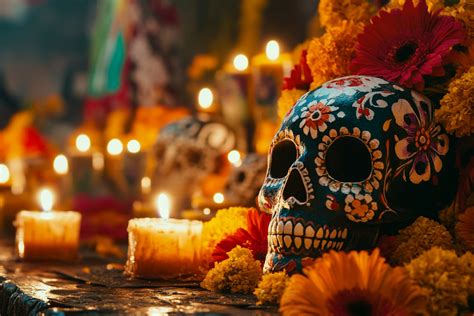
At its core, Dia de los Muertos is a celebration of the lives of those who have come before us, rather than a mourning of their deaths. It is believed that on this day, the souls of the deceased return to earth to visit with their families and loved ones. To welcome these spirits, families construct elaborate altars, known as ofrendas, in their homes, which are adorned with flowers, candles, photographs, and favorite items of the deceased.
The history of Dia de los Muertos dates back to the time of the Aztecs, who believed that the souls of the dead would return to earth on specific days of the year. The Aztecs would leave offerings of food, drink, and other items to appease these spirits and ensure their safe return to the afterlife. When the Spanish conquistadors arrived in Mexico, they attempted to eradicate this indigenous tradition, but it persisted, evolving over time to incorporate elements of Catholicism and other European influences.
Today, Dia de los Muertos is celebrated throughout Mexico and in many other parts of the world, with festivities beginning on October 31st and culminating on November 2nd. The celebration is divided into two main days: November 1st, known as Dia de los Inocentes, which honors the lives of children and infants, and November 2nd, known as Dia de los Muertos, which honors the lives of adults.
One of the most striking aspects of Dia de los Muertos is the use of vibrant and colorful symbols, such as sugar skulls, marigolds, and papel picado, which are used to decorate altars and public spaces. These symbols serve as a reminder of the cycle of life and death and the interconnectedness of all living things. The sugar skulls, in particular, are a potent symbol of the celebration, representing the inevitability of death and the importance of acknowledging and accepting it as a natural part of life.
In addition to the construction of altars and the use of symbolic decorations, Dia de los Muertos is also marked by traditional foods, music, and dance. Families gather to share meals of traditional dishes, such as pan de muerto and mole, and to engage in lively music and dance, which serves to honor the lives of their loved ones and to ward off any malevolent spirits.
Despite its growing popularity, Dia de los Muertos remains a deeply personal and intimate celebration, one that is rooted in the experiences and traditions of individual families and communities. It is a time for reflection, remembrance, and celebration, a time to acknowledge the cycle of life and death and to find comfort in the knowledge that our loved ones continue to be with us in spirit.
As we explore the meaning and significance of Dia de los Muertos, it becomes clear that this celebration is not just a Mexican tradition, but a universal human experience. The desire to honor and remember our loved ones is a fundamental aspect of human nature, one that transcends cultural and geographical boundaries.
In recent years, Dia de los Muertos has gained popularity worldwide, with many people adopting the tradition as a way to honor their own loved ones. This growing interest in the celebration has led to a proliferation of Dia de los Muertos-themed events, exhibitions, and cultural festivals, which serve to promote cross-cultural understanding and appreciation.
However, it is essential to approach this celebration with sensitivity and respect, recognizing the cultural significance and traditions that underlie it. By doing so, we can ensure that Dia de los Muertos remains a vibrant and meaningful celebration, one that continues to inspire and educate people around the world.
As we reflect on the significance of Dia de los Muertos, we are reminded of the importance of honoring our ancestors and acknowledging the cycle of life and death. This celebration serves as a powerful reminder of the human experience, one that transcends cultural and geographical boundaries.
In conclusion, Dia de los Muertos is a vibrant and meaningful celebration that honors the lives of loved ones who have passed away. By embracing this tradition, we can gain a deeper understanding of the human experience and the cycle of life and death. Whether you are of Mexican descent or simply interested in learning more about this celebration, Dia de los Muertos offers a unique opportunity to connect with others and to find comfort in the knowledge that our loved ones continue to be with us in spirit.
What is the significance of the sugar skulls in Dia de los Muertos?
+The sugar skulls are a potent symbol of the celebration, representing the inevitability of death and the importance of acknowledging and accepting it as a natural part of life.
How do families typically celebrate Dia de los Muertos?
+Families typically celebrate Dia de los Muertos by constructing elaborate altars, known as ofrendas, in their homes, which are adorned with flowers, candles, photographs, and favorite items of the deceased. They also share traditional foods, music, and dance, and engage in lively festivities to honor the lives of their loved ones.
What is the history of Dia de los Muertos?
+The history of Dia de los Muertos dates back to the time of the Aztecs, who believed that the souls of the dead would return to earth on specific days of the year. The Aztecs would leave offerings of food, drink, and other items to appease these spirits and ensure their safe return to the afterlife.