









Dibujos Bonitos Para Colorear Overview
Charter Oak Login is a handy tool, a simple yet effective way to access valuable information. This guide will show you how to navigate and make the most of this chart, ensuring you can quickly find what you need.
The Charter Oak Login portal offers a straightforward approach to account access, providing an easy-to-use interface for users. With various charts and references available, you'll discover tips and learn about potential variations, ensuring you're prepared for any differences you may encounter.
Accessing the Charter Oak Login Chart
The Charter Oak Login chart is a handy reference tool for anyone looking to access their Charter Oak account. This chart provides a simple and visual guide to the login process, ensuring a smooth and efficient experience. Let's dive into how to make the most of this helpful resource!
Key Details and Prerequisites
Before we begin, it's important to note that the Charter Oak Login chart is designed to provide a general overview and may not cover every specific detail or exception. The chart is a reference, so it's always a good idea to double-check exact specifications or any unique requirements for your account.
The chart typically includes the following categories: username, password, security questions, and their respective answers. These are the key elements needed to log in to your Charter Oak account. The chart provides a clear and organized layout, making it easy to find the relevant information.
Practical Chart Reading and Application
Here's a step-by-step guide on how to use the Charter Oak Login chart effectively:
Locate your username and password. These are usually provided when you first set up your account or can be found in your account settings.
Refer to the chart to confirm the security questions associated with your account. Security questions are an additional layer of protection and are often personalized.
Ensure you have the correct answers to your security questions. These answers are confidential and should be kept secure.
With all the necessary information at hand, you can now proceed to log in to your Charter Oak account. Enter your username, password, and security question answers accurately.
If you encounter any issues, such as incorrect answers or forgotten details, refer back to the chart for guidance. It's a quick and convenient way to refresh your memory.
Variations and Differences
It's important to note that the Charter Oak Login chart may vary depending on the specific account type and region. Different regions may have unique security measures or account access requirements. Here are some key factors to consider:
Account Type: The chart may differ for personal, business, or specialized accounts.
Region: International users may have variations in security questions or language preferences.
Account Age: Older accounts might have different login procedures or security measures compared to newer ones.
Security Protocols: Charter Oak may update its security protocols periodically, leading to changes in the login process.
Common Chart Errors and How to Avoid Them
Here are some common mistakes people make when using the Charter Oak Login chart and some tips to avoid them:
Misreading Security Questions: Always double-check the exact wording of the security questions. Small differences in phrasing can lead to incorrect answers.
Forgetting Password: Regularly update your password and ensure it's stored securely. Consider using a password manager to avoid forgetting complex passwords.
Using Outdated Information: The Charter Oak Login chart may change over time. Always refer to the most recent version to ensure you have the correct and up-to-date information.
Ignoring Account Alerts: Charter Oak may send notifications or alerts regarding changes to the login process. Pay attention to these alerts to avoid any confusion or issues.
Well, there you have it! A simple and practical guide to Charter Oak login, covering all the essentials. Remember, while this guide provides a solid framework, it's always wise to double-check the specific requirements and standards relevant to your context. No two situations are exactly the same, so ensure you've got the right details before you begin.
Feel free to explore our other resources and guides; we've got plenty of helpful content to keep you informed and inspired. Happy reading, and here's to a smooth and successful journey with Charter Oak!
Related: Master the Army AFT Chart: A Quick Guide
The army aft chart is a handy tool for anyone looking to understand and track their physical fitness progress, especially those with a military background or an interest in meeting army fitness standards. This guide will cover the basics of reading and interpreting the chart, ensuring you can use it effectively.
It provides a clear visual representation of the Army Physical Fitness Test (APFT) standards, including push-up and sit-up requirements, and can help you assess your current fitness level and set goals. While the exact values may vary depending on your region and specific army guidelines, the chart offers a reliable framework to get you started on your fitness journey.
Understanding the Army AFT Chart
The army aft chart, or the Army Physical Fitness Test (APFT) chart, is a valuable tool used to assess and evaluate soldiers' physical fitness levels. It provides a standardized way to measure and compare performance across different units and individuals. This chart is an essential reference for soldiers and their commanders, as it helps determine if they meet the required physical standards.
Comparing APFT Standards and Categories
The army aft chart consists of various categories and standards that soldiers must meet. These categories typically include push-ups, sit-ups, and a two-mile run. Each category has specific performance standards, and soldiers are scored based on their ability to meet or exceed these standards. The chart provides a clear breakdown of the expected performance for each category, ensuring consistency and fairness in assessments.
Step-by-Step Guide to Using the APFT Chart
Using the army aft chart is straightforward, but it requires attention to detail. Here's a simple guide:
- Identify the category you want to assess, whether it's push-ups, sit-ups, or the run.
- Locate the corresponding column on the chart. Each category has its own set of standards.
- Determine your age group, as age-based standards are applied.
- Perform the exercise or run as per the test guidelines.
- Refer to the chart to find your score. The chart provides a range of scores, and you aim to achieve the highest score possible.
- Repeat this process for all categories to get a comprehensive assessment.
Avoiding Common Misreadings and Pitfalls
One common mistake is misinterpreting the age categories. Ensure you are referring to the correct age group, as standards can vary significantly between younger and older soldiers. Additionally, pay attention to the specific test guidelines for each category. For instance, the push-up and sit-up standards might have different requirements for male and female soldiers. Always double-check the instructions to avoid any confusion.
Factors Affecting Accuracy and Real-World Performance
While the army aft chart provides a standardized assessment, several factors can influence the accuracy of the results. These include individual fitness levels, training consistency, and even environmental conditions. For instance, performing the two-mile run on a hot day with high humidity can impact your performance. It's crucial to consider these variables and ensure fair testing conditions to get accurate assessments.
Adapting the Chart for Specific Needs
The army aft chart is designed to be flexible and adaptable to various situations. If you have specific fitness goals or are preparing for a particular mission, you can use the chart to tailor your training. For example, if you aim to improve your endurance for long-distance runs, you can focus on the run category and aim for higher scores. The chart allows you to track your progress and set achievable goals.
Maintaining Reliable References for Future Assessments
To ensure the reliability of your assessments, it's essential to keep an updated copy of the army aft chart. The chart may undergo revisions and updates to reflect changing standards or new research. Stay informed about any changes and ensure you are using the most recent version. Additionally, regularly review the test guidelines and procedures to maintain consistency in your assessments. This way, you can accurately track your progress and compare it with others.
The army aft chart is a powerful tool for soldiers to gauge their physical fitness and ensure they meet the required standards. By understanding the categories, interpreting the results accurately, and adapting the chart to specific needs, soldiers can take control of their fitness journey and strive for excellence. Remember, consistent training and attention to detail are key to achieving the best results.
Hey there, we hope this guide has been helpful in demystifying the Army AFT Chart and its various aspects. Remember, while we've covered the basics, the specifics can differ slightly based on your unique circumstances. So, keep an eye out for those nuances!
If you're keen to explore more practical guides like this, feel free to browse our collection. We've got a range of topics to suit your needs, all designed to make your life a little easier. Happy reading and learning!
Related: Whole House Remodeling Essential Guide
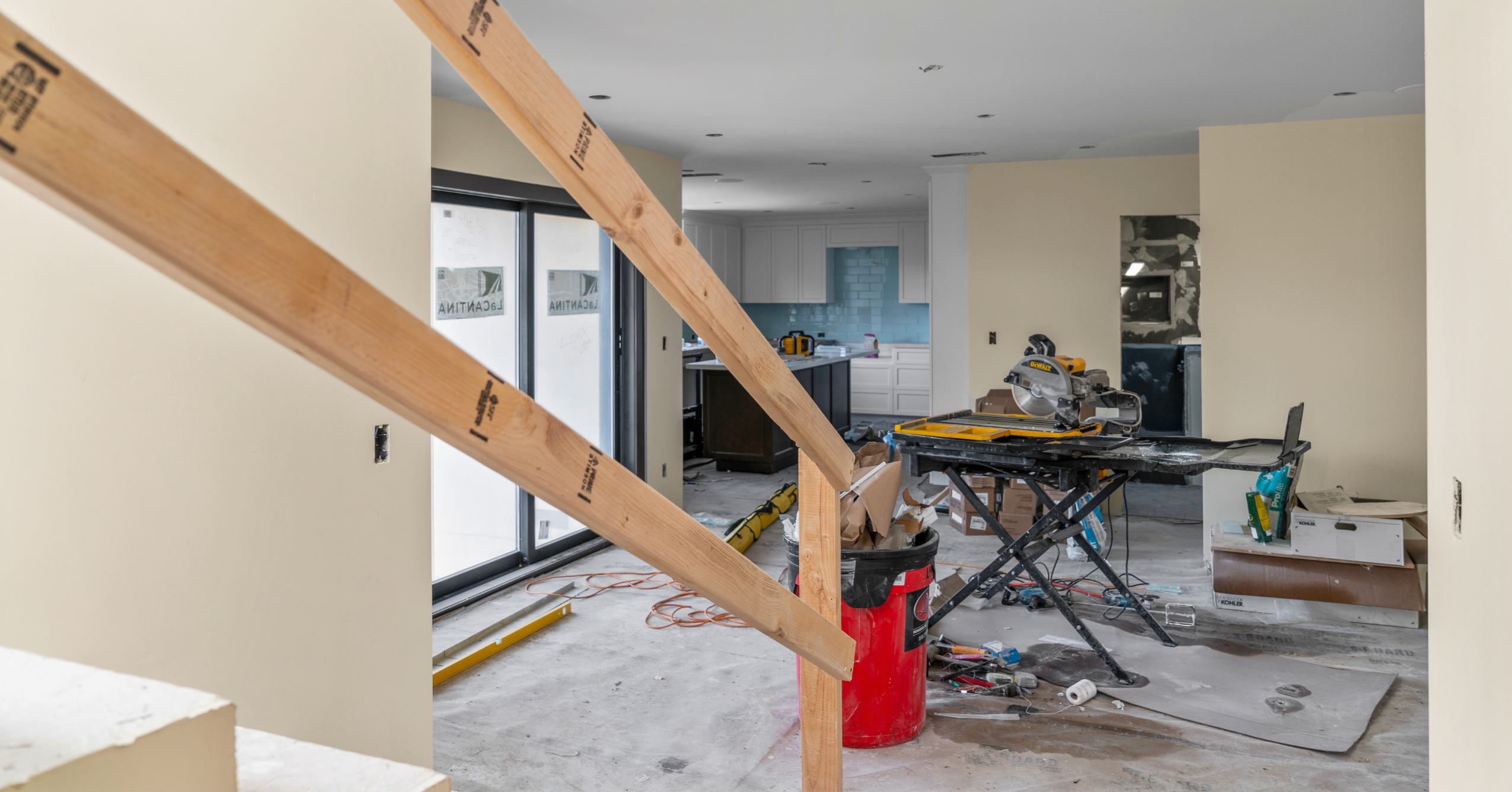
I just got home from work, and as I walk through my house, I can't help but think about how much I'd love to give it a whole new look. Whole house remodeling is on my mind, and I'm curious about the process and what it entails. It's an exciting prospect, but also a big undertaking, so I want to make sure I understand the ins and outs before diving in.
What Does Whole House Remodeling Mean?
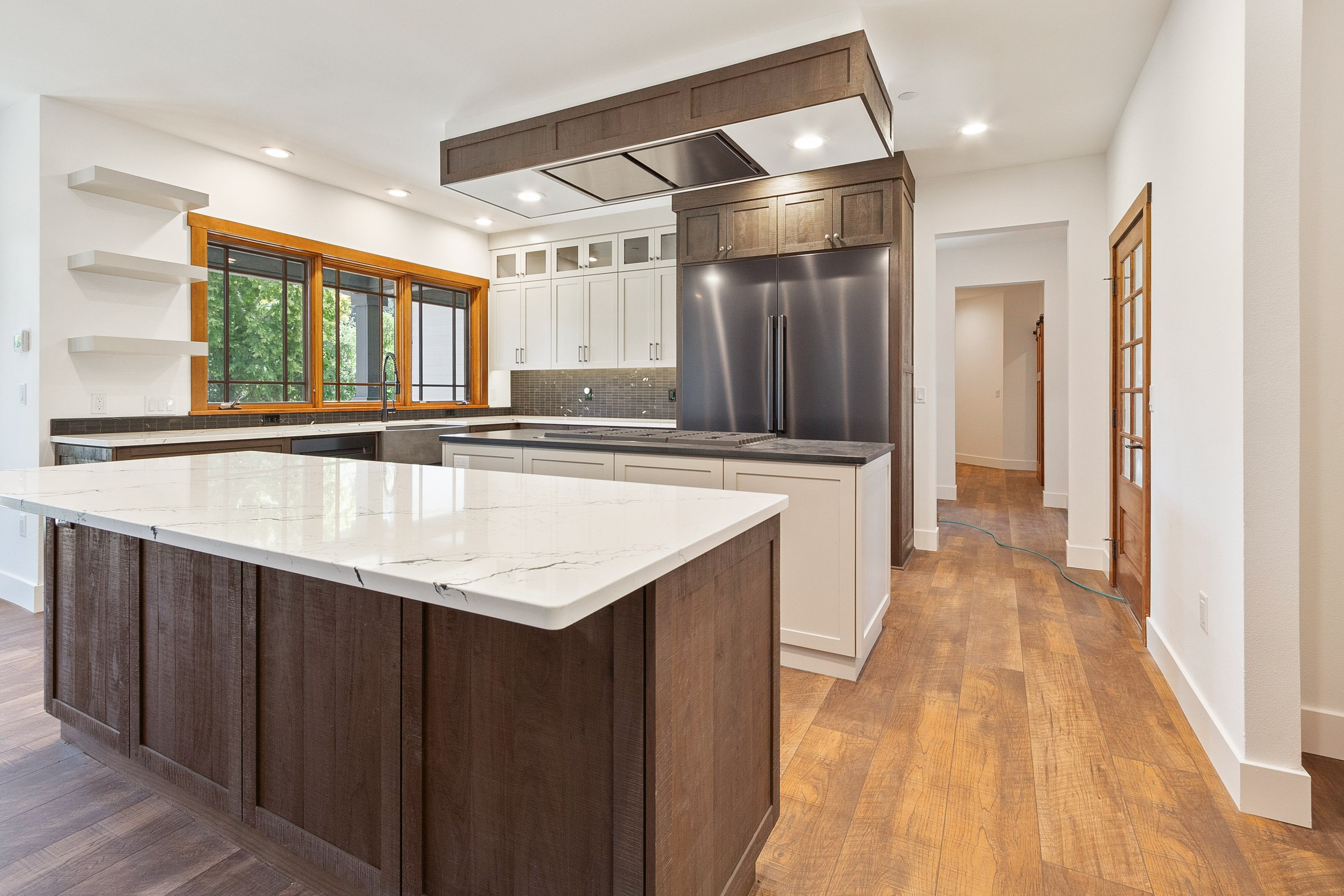
Whole house remodeling is exactly what it sounds like: a complete transformation of your home. It's not just about updating one room or making small changes here and there. This type of project involves a major overhaul, where you can redesign and renovate every aspect of your living space. From the kitchen and bathrooms to the bedrooms and living areas, every room can get a fresh, modern look. It's a chance to create a home that truly reflects your style and meets your functional needs.
When considering whole house remodeling, it's important to think about the scope of the project. Do you want to change the layout and add new features, or is it more about updating the aesthetics and making everything look cohesive? The scale of your project will impact the cost and the length of time it takes to complete.
Finding the Right Contractor
One of the biggest decisions you'll make is choosing a contractor or building company. It's crucial to find someone who understands your vision and can bring it to life. Before hiring, ask for references and examples of their previous work. You want to ensure they have experience with projects similar to yours and that their style aligns with your own.
Get quotes from multiple contractors to compare prices and services. Make sure the quotes are detailed, outlining the work to be done, the materials to be used, and the estimated timeline. This will help you understand the costs and give you a sense of the contractor's organization and attention to detail.
Construction Jobs and Industry Tools
The construction industry offers a range of jobs, from general contractors and project managers to estimators and skilled tradespeople. Estimators, for example, use tools like RSMeans to calculate costs accurately. This data is essential for providing realistic quotes and managing projects effectively.
Large construction companies often have specialized teams and can take on more complex projects. They may have access to advanced tools and technologies, but that doesn't mean smaller companies can't deliver excellent results. It's all about finding the right fit for your whole house remodeling project.
Company Names and Branding
When starting a construction business, choosing a name is an important step. It should be memorable, reflect the nature of your work, and stand out in a crowded market. Some examples of unique and catchy names could be:
- BuildBright
- Crafted Spaces
- HomeRevamp
- Renova
- Constructo
Before finalizing a name, check its availability for domains and local business registration to avoid any legal issues.
Final Thoughts
Whole house remodeling is a significant investment, but it can transform your living space and enhance your daily life. It's an exciting process, and with the right planning and the help of a skilled contractor, you can achieve the home of your dreams. So, if you're thinking about taking on a whole house remodeling project, start by doing your research and getting those quotes!