



Dmc Color Chart Template Overview
Many people assume that a ski sizing chart is a one-size-fits-all guide, but it's actually a bit more nuanced than that! While these charts offer a great starting point, they're not always an exact science. It's a common mistake to think that your height alone determines your ski size, when in fact, there are several factors to consider.
The ski sizing chart is a useful tool, but it's important to remember that ski size recommendations can vary slightly depending on your skiing ability, personal preference, and even the type of terrain you typically ski on. So, while it's a great reference, it's always worth seeking a little extra advice to ensure you get the perfect fit.
Ski Sizing Chart: A Practical Guide
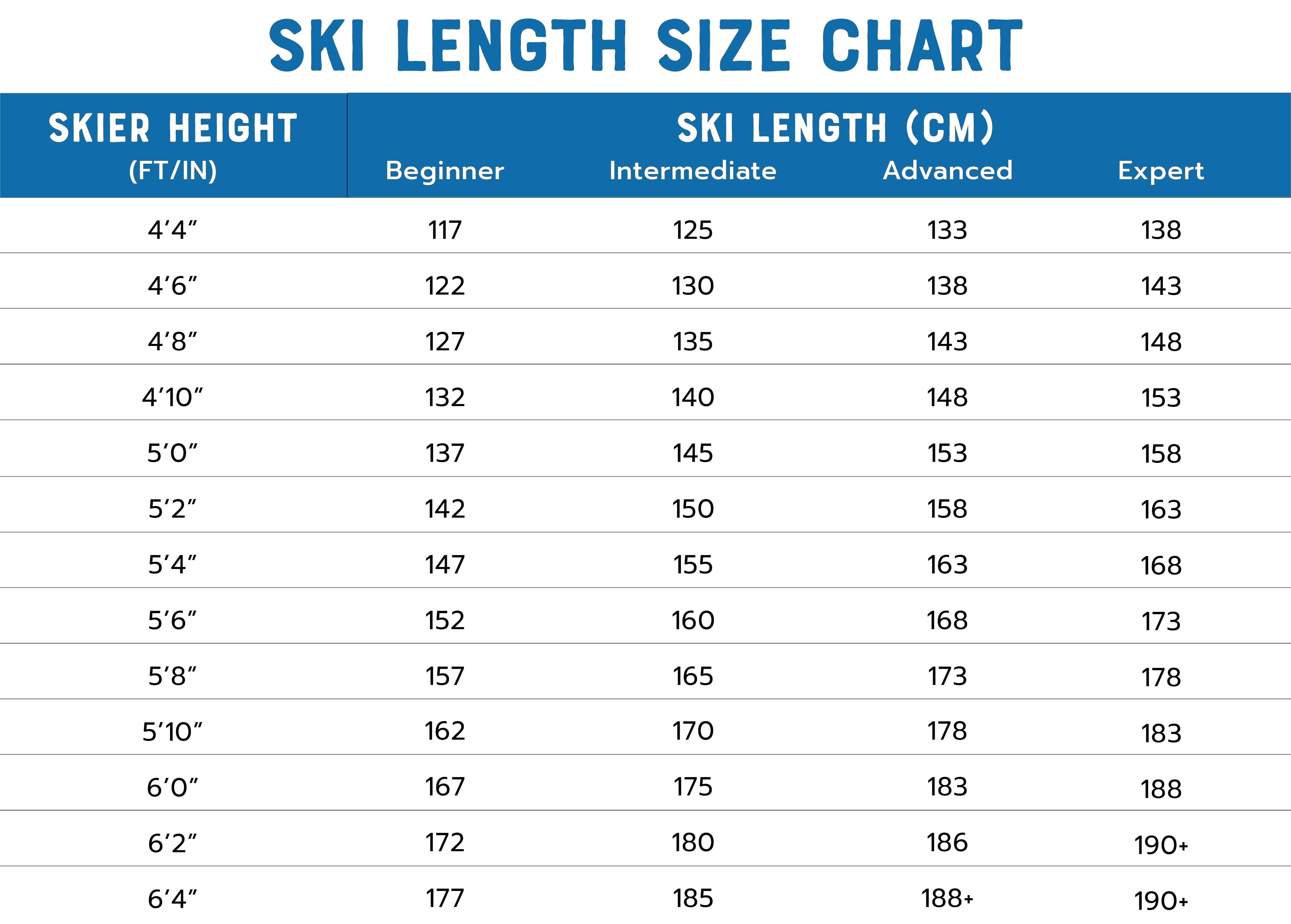
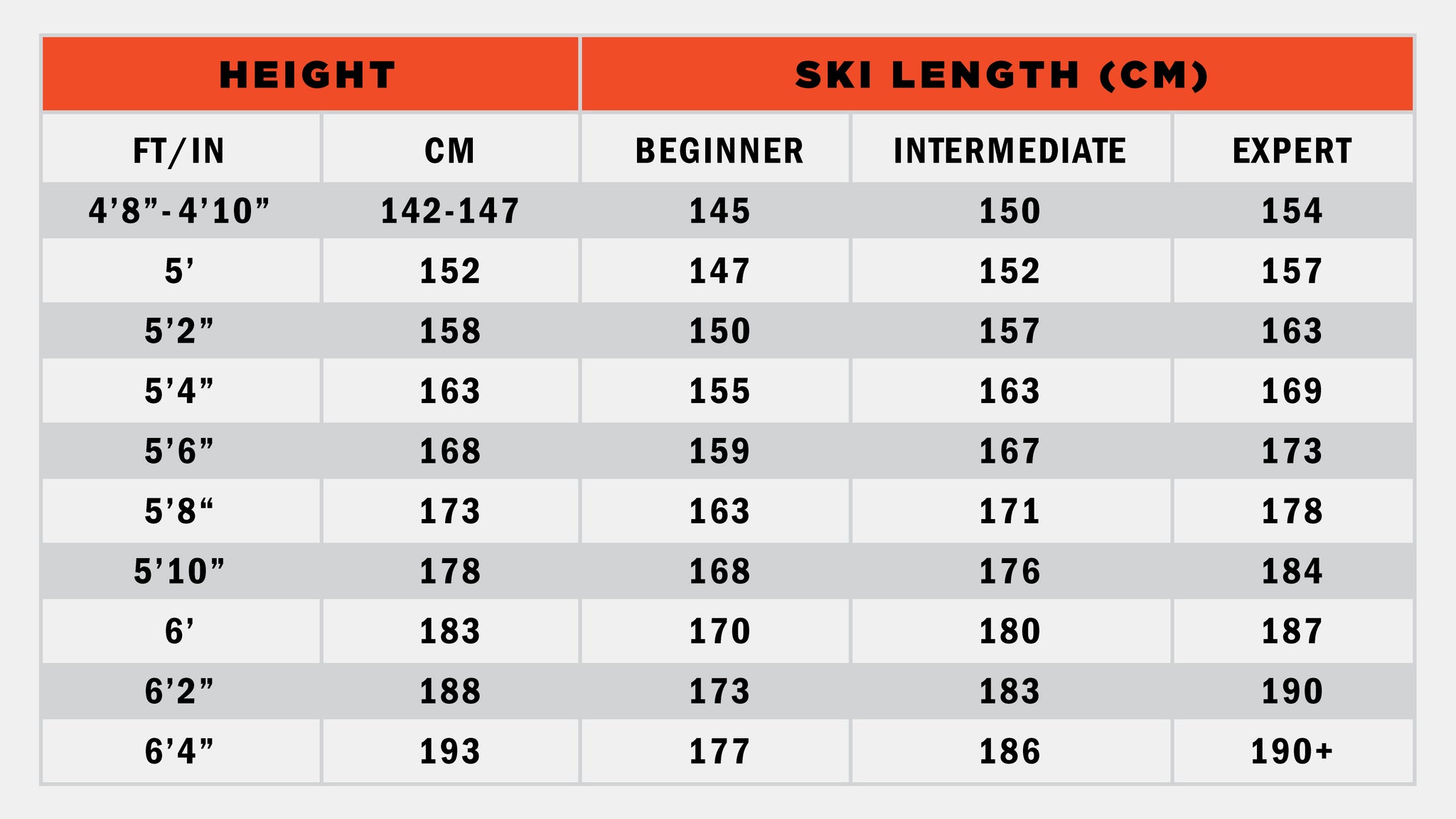
Ski sizing charts are your go-to tool for finding the perfect ski length. They provide a simple way to match your height, weight, and skill level with the right ski size. This chart is a handy reference, but it's important to understand how to use it accurately.
Key Details: Understanding the Chart
The ski size guide typically shows a range of heights and corresponding ski lengths. It often includes categories like beginner, intermediate, and advanced skiers. The units used are usually inches or centimeters, depending on the standard. For example, a common recommendation might be a ski length of 160-170 cm for a skier who is 170-180 cm tall. These charts are a great starting point, but they're not one-size-fits-all.
Reading and Applying the Chart: Step-by-Step
Here's a simple process to follow:
- Identify your height and skill level.
- Locate your height range on the chart.
- Choose a ski length within the recommended range.
- Consider your personal preference and adjust slightly if needed.
For instance, if you're an intermediate skier and the chart suggests 165-175 cm skis for your height, you might opt for 170 cm skis. Remember, this is a guide, so feel free to experiment within the suggested range.
Variations: Why Ski Sizing Charts Differ
Several factors can cause variations in ski size recommendations:
- Ski height to length ratio: This ratio can vary based on the type of skiing (e.g., alpine vs. cross-country).
- Ski size by ability: Advanced skiers often prefer longer skis, while beginners might find shorter ones more manageable.
- Ski size by weight: Heavier skiers might benefit from slightly longer skis for better float and stability.
- Manufacturer preferences: Different brands may have unique recommendations.
- Regional standards: Some charts might use metric units, while others use imperial.
Common Mistakes and How to Avoid Them
A few simple errors to watch out for:
- Assuming one chart fits all: Always check if the chart is relevant to your skill level and the type of skiing you plan to do.
- Ignoring personal preference: While the chart is a guide, your comfort and confidence are key. Don't be afraid to adjust within the recommended range.
- Relying solely on height: Skill level and weight also play a role, so consider all factors.
Practical Tips for Accurate Results
To ensure you get the best fit:
- Double-check the chart's units and ensure they match your measurements.
- If you're between sizes, consider your skill level and the type of skiing.
- When trying skis, take a few runs to get a feel for the length.
- Remember, the chart is a starting point, but your comfort and performance are the ultimate goals.
By understanding the ski sizing chart and its variations, you can make an informed decision and enjoy your skiing experience. Happy trails!
Well, there you have it! Finding the perfect ski size is an important step to ensure your comfort and safety on the slopes. Remember, while this guide provides a great starting point, it's always a good idea to consult with experts or try out different sizes to find your ideal fit.
Feel free to explore our other guides and resources to enhance your skiing experience. We've got plenty of tips and tricks to help you become a pro!
Related: Understanding Edison Charter SF: A Quick Guide
Many people often mistake Edison Charter SF for just another educational chart or table, but it's so much more than that. Edison Charter SF is a powerful tool, a comprehensive guide that offers a unique insight into the world of education, specifically within the San Francisco context. This reference is designed to provide a clear overview, helping users navigate and understand the performance and standards of schools, with a focus on the Edison Charter School and its rankings. While the values and metrics may vary, this chart offers a reliable starting point for anyone seeking to make informed educational choices.
Edison Charter SF: A Snapshot of Educational Excellence
Edison Charter SF offers a unique educational journey, and understanding its performance is key. This chart provides a concise overview, showcasing its strengths and areas of focus. Let's explore how to interpret this data effectively.
Comparing Key Metrics and Standards
The chart compares Edison Charter SF's performance against regional benchmarks and charter school averages. It covers a range of indicators, including student achievement, academic growth, and parent satisfaction. These metrics are essential for evaluating the school's overall effectiveness. When reading the chart, note that measurements may vary based on the specific standards and frameworks used.
Step-by-Step Guide: Interpreting the Data
To navigate this chart effectively, follow these steps:
Begin by identifying the key indicators. These are typically highlighted or labeled clearly.
Compare the values against the regional benchmarks. A quick glance will show how Edison Charter SF performs relative to other schools in the area.
Look for trends. Are there consistent strengths or areas for improvement? This provides insights into the school's focus and strategies.
Consider the context. Understand the unique aspects of Edison Charter SF's curriculum and mission to interpret the data accurately.
Use the chart as a starting point. It offers a snapshot, but for detailed insights, refer to the school's official reports and student achievement data.
Avoiding Common Misinterpretations
While the chart is a valuable tool, it's essential to be aware of potential pitfalls:
Avoid over-simplifying. Each indicator has its nuances, and a holistic view is crucial.
Be mindful of variations. SF education standards and assessment methods can change, impacting the data. Stay updated on any shifts.
Understand the limitations. The chart provides a broad overview; for specific details, consult the school directly.
Key Factors Influencing Accuracy
Several factors influence the accuracy and real-world application of this chart:
Charter school performance metrics can vary based on the student population and curriculum. Consider the school's unique context.
Regional benchmarks may not always align with national or international standards. Be aware of these differences when comparing.
Data collection methods and assessment tools can impact results. Ensure you understand the methodologies used.
Finally, stay informed about any recent developments or initiatives that may influence Edison Charter SF's performance.
Remember, while this guide provides a solid framework, every situation is unique. Exact details may differ slightly, so it's always good to double-check and adapt to your specific needs.
Consider bookmarking this page for future reference; it's a handy tool to have at your fingertips when you need a quick reminder. You'll find many more practical guides like this one, so feel free to explore and discover the ones that resonate with you!
Related: Uncover the Perfect Beard Length Chart
A beard length chart is a handy tool for anyone wanting to navigate the world of facial hair with precision. This guide will provide an overview of these charts, explaining their purpose and how they can assist in achieving the desired beard style.
They offer a visual representation, often with measurements, to help individuals understand and communicate their preferred beard length. Whether you're aiming for a specific beard growth stage or seeking a particular style, these charts provide a reliable reference, ensuring you get the look you want.
Understanding Beard Length Charts
A beard length chart is a valuable tool for those looking to achieve and maintain their desired facial hair style. It provides a visual guide to help you understand and measure the length of your beard, offering a practical reference for trimming and styling.
Key Details and Categories
The chart typically displays different beard lengths, often categorized into stages or styles. These categories may include terms like "stubble," "medium," and "full beard," each representing a specific range of lengths. The units used are usually inches or centimeters, depending on the standard followed. It's essential to know your preferred unit of measurement to accurately interpret the chart.
Reading and Applying the Beard Length Chart
To use the beard length chart, follow these steps:
- Identify your current beard growth stage. Examine your facial hair and determine if it falls into the stubble, short, medium, or long category.
- Measure your beard length. Use a ruler or measuring tape to get an accurate reading. Ensure you measure from the same point on your face each time for consistency.
- Compare your measurement to the chart. Find the category that matches your beard length and refer to the corresponding style or stage.
- Trim and style accordingly. Use the chart as a guide to achieve the desired length and shape. Remember, it's a reference, so adjust as needed to suit your face shape and personal preference.
Variations and Differences
It's important to note that beard length charts may vary depending on the standard or source. Common styles and categories may differ slightly, and the exact measurements can vary between charts. Additionally, individual factors like face shape, hair texture, and personal preference can influence how you interpret and apply the chart. Here are some key factors to consider:
- Beard growth stages: Everyone's facial hair grows at a different rate, so your experience may vary from the chart's timeline.
- Facial hair length guide: Some charts provide more detailed guides, offering precise measurements for various lengths.
- Standard beard lengths: These can differ between regions and cultures, so be mindful of the standard being referenced.
- Beard style chart: This can offer a more comprehensive view of different styles and their associated lengths.
- Beard growth timeline: Remember that growth rates can vary, so use the timeline as a general guide.
When using a beard length chart, always refer to the specific standard or source to ensure accuracy. While charts provide a helpful framework, they may not cover every unique situation. Trust your judgment and adjust as needed to achieve your desired look.
While the chart provides a handy reference, it's important to remember that these measurements are not set in stone. Exact details may vary slightly depending on the context and the individual's unique facial features.
Feel free to bookmark this page for future use. We have many other practical guides and charts to explore, so be sure to check them out for more helpful tips and tricks!