




Dog Dental Chart A4 Overview
A shaft flex chart is a valuable tool for golfers, offering a clear and concise reference to understand the flexibility and performance of golf shafts. This guide aims to demystify the chart and provide an easy-to-follow explanation, ensuring you can make informed decisions about your equipment.
The chart typically presents a range of flex options, often categorized by player skill and swing speed. It offers a quick way to match your swing characteristics to the right shaft stiffness, ensuring optimal control and performance. While the values and formats may vary slightly between brands and regions, the shaft flex chart remains a consistent and reliable resource for golfers seeking precision and accuracy in their game.
Understanding Flex: A Guide to Shaft Flex Charts
A shaft flex chart is a valuable tool for golfers and sports enthusiasts, offering a visual representation of the flexibility and stiffness of golf club shafts. This chart provides an easy-to-understand reference, helping users select the right shaft based on their swing characteristics and preferences.
Common Flex Types and Their Standards
The shaft flex chart typically presents various flex options, including Senior (A), Regular (R), Stiff (S), and Extra Stiff (X). These categories are standardized across the industry, ensuring consistency in shaft performance. Additionally, some charts may include more specialized flex types like Ladies (L) or Tour (TX), catering to specific golfer profiles.
Reading the Chart: A Step-by-Step Guide
When utilizing a shaft flex chart, follow these steps:
Identify your swing speed: This is a critical factor in determining the appropriate shaft flex. Swing speed is often measured in miles per hour (mph) and can be tested at golf shops or driving ranges.
Locate your swing speed range: The shaft flex chart will typically display swing speed ranges for each flex category. Find the range that aligns with your measured swing speed.
Consider shaft stiffness: The chart will provide an indication of the shaft's stiffness, often using terms like "soft" or "firm." This refers to the shaft's ability to bend during the swing, influencing the feel and control of the club.
Select the right flex: Based on your swing speed and preferred shaft stiffness, choose the flex category that best suits your needs.
Avoiding Misinterpretations
While shaft flex charts are straightforward, some common misinterpretations can occur. One pitfall is assuming that a higher flex category always equates to better performance. In reality, the ideal flex depends on an individual's swing characteristics and personal preferences.
Key Factors Affecting Accuracy
- Swing Speed: The most critical factor, as it directly influences the shaft's behavior during the swing.
- Player Strength: A golfer's physical strength can impact the ability to generate clubhead speed, affecting the appropriate flex selection.
- Swing Tempo: The pace of the swing, whether fast or slow, can influence the shaft's performance and the golfer's feel.
- Shaft Torque: This refers to the shaft's tendency to twist during the swing, impacting the accuracy and consistency of ball flight.
Custom Flex Options and Adaptations
While standardized shaft flex charts provide a solid foundation, custom options exist for golfers with unique needs. Custom flex shafts can be tailored to an individual's swing, offering a precise fit. These options are particularly beneficial for golfers with specific requirements, such as those with injuries or unique swing mechanics.
When selecting a custom flex, it's essential to work with a knowledgeable golf professional who can guide you through the process and ensure the shaft aligns with your goals and playing style.
Remember, while this guide offers a comprehensive overview, the exact details can vary slightly depending on your specific needs and the standards you follow. It's always a good idea to consult multiple sources and adapt the information to your unique circumstances.
Our website hosts a variety of other practical guides and resources, so feel free to explore and discover more helpful content. Happy learning, and keep those swings smooth!
Related: Uncover the Truth: A Guide to Bias News Chart
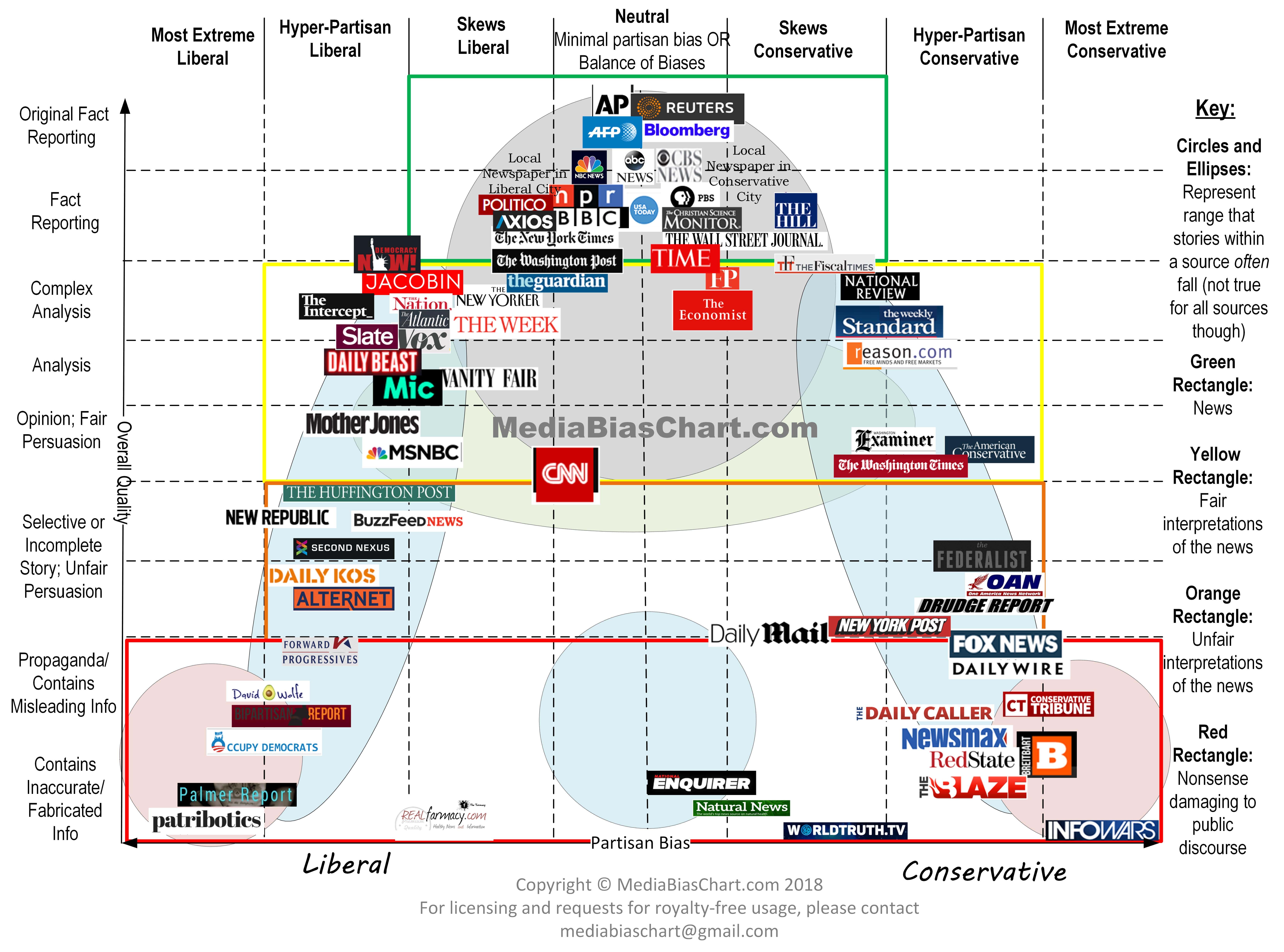
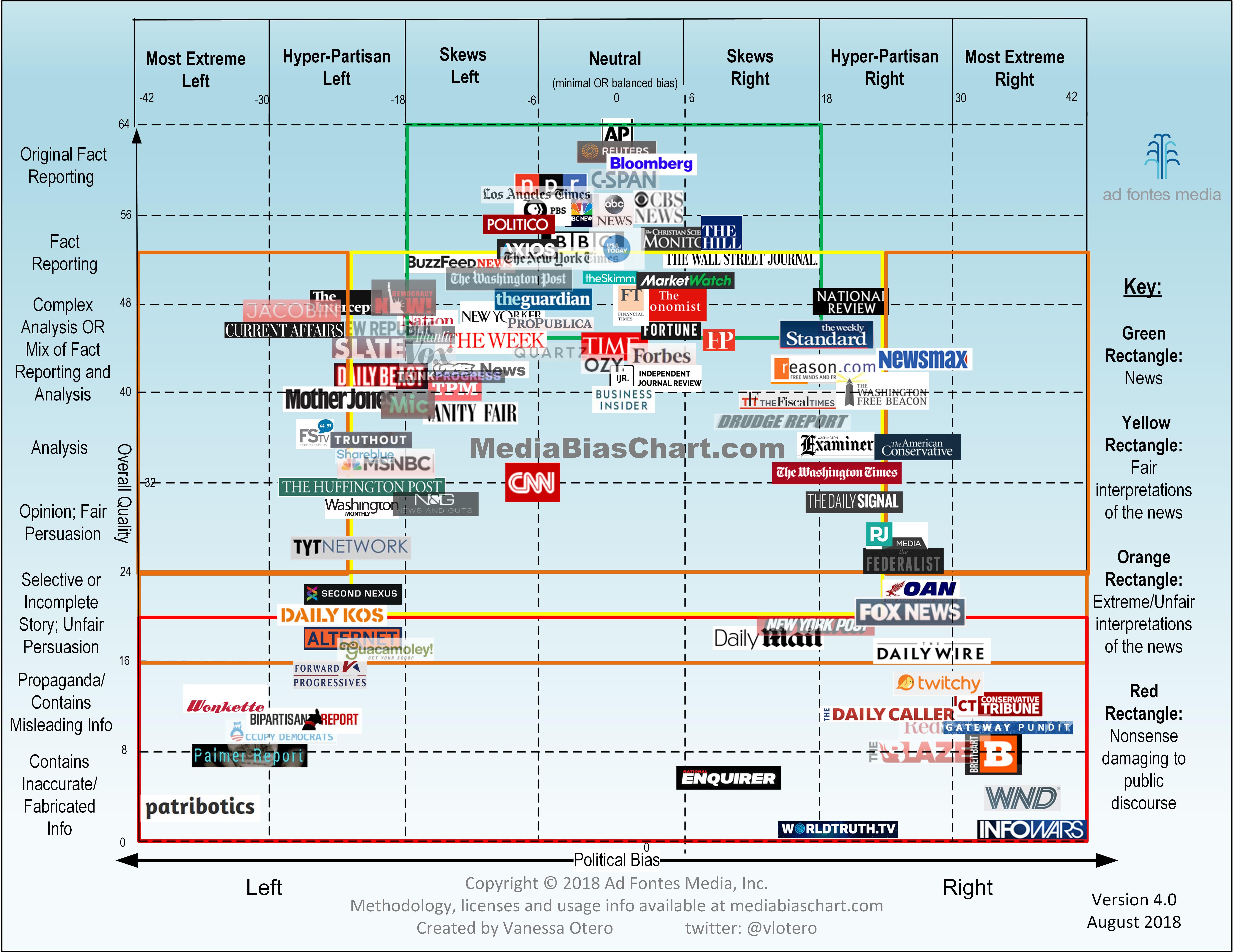
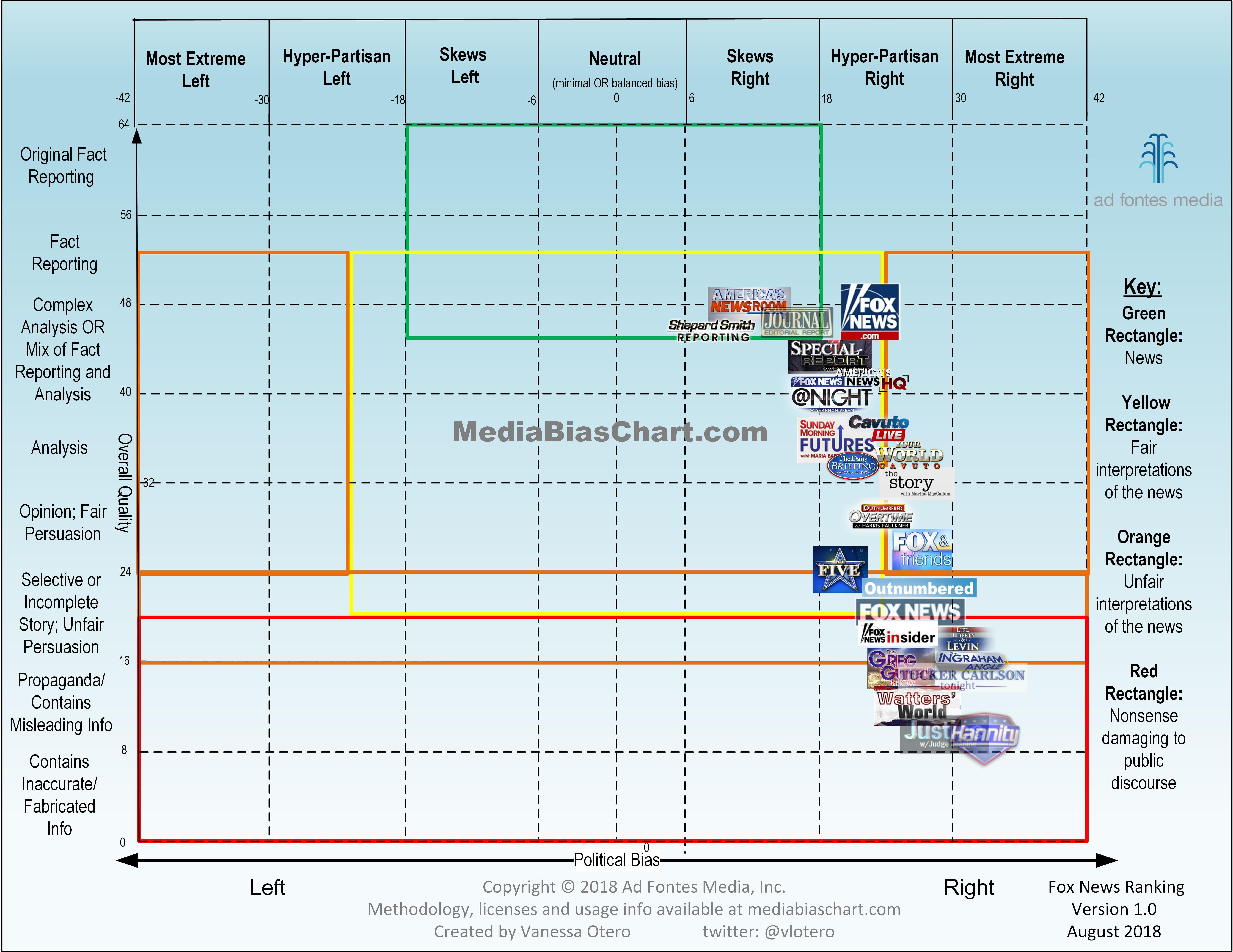
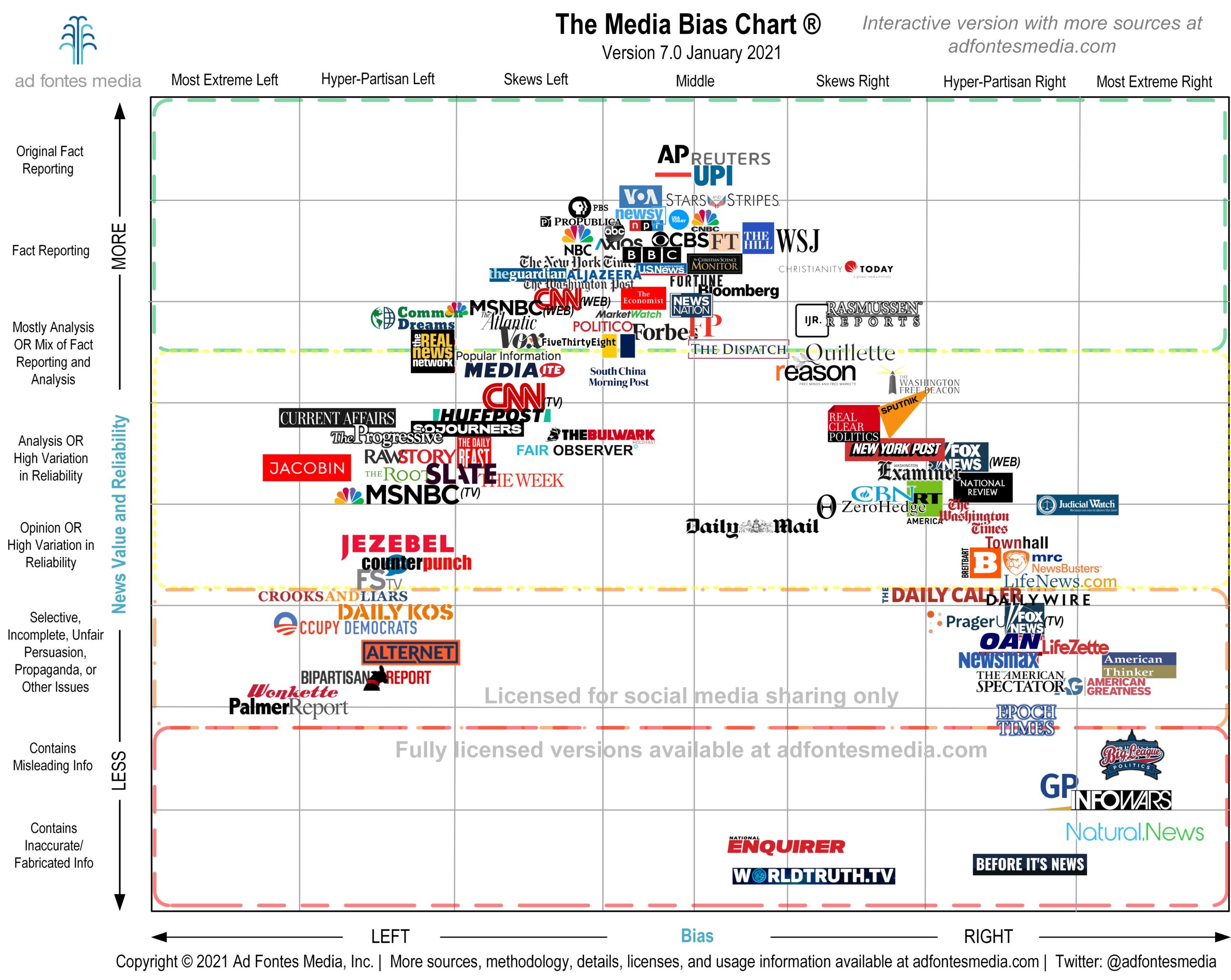
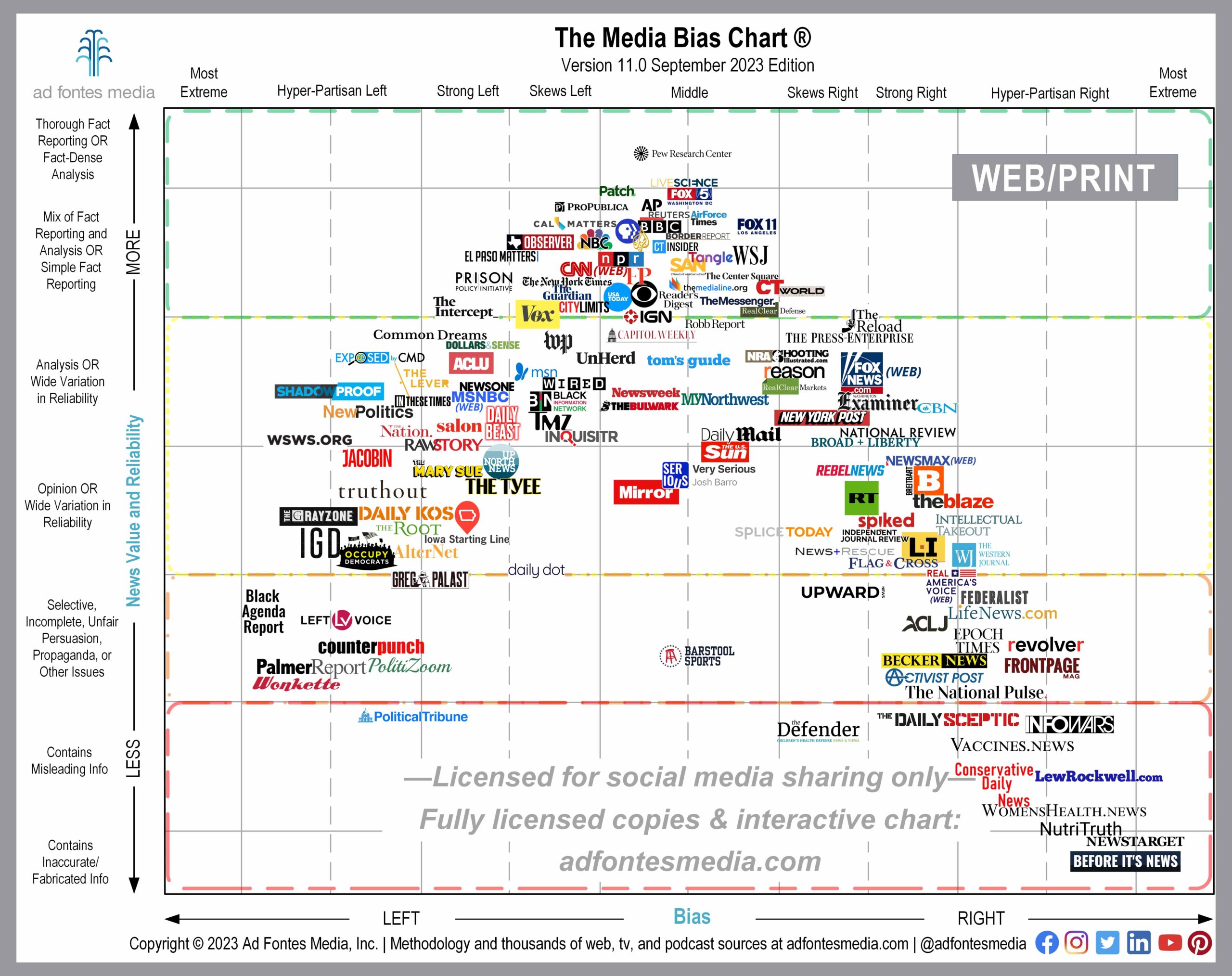
A bias news chart is a valuable tool for anyone seeking to navigate the often-complex world of media and its potential biases. This guide aims to provide a straightforward overview, offering insights into how to interpret and utilize these charts effectively.
The charts, which can vary in format and detail, serve as a quick reference, helping readers identify and understand the potential biases present in news sources. From bias news charts to media bias charts and beyond, these visual guides offer a simple yet powerful way to enhance media literacy.
Understanding the Bias News Chart: A Quick Overview
The bias news chart is a valuable tool for analyzing and understanding media bias. It provides a visual representation of the political leanings and ideological tendencies of various news sources. This chart serves as a reference guide, helping readers assess the potential biases present in different media outlets.
Comparing Chart Standards and Formats
There are several variations of the bias news chart, each designed to cater to different regions and standards. The most common charts use a two-dimensional scale, often labeled as "Liberal to Conservative" on one axis and "Fact-Based to Sensational" on the other. This format allows for a comprehensive assessment of news sources' political and factual leanings.
Practical Bias Detection: Step-by-Step Guide
Locate the bias news chart relevant to your region or standard. Ensure you are using the correct version, as charts may differ based on the specific media landscape.
Identify the news source you wish to analyze. Look up the source on the chart, typically represented by a symbol or abbreviation.
Read the position of the source on the chart. The horizontal axis indicates the source's political leaning, while the vertical axis shows its tendency towards factual reporting or sensationalism.
Interpret the values:
- The further left on the horizontal axis, the more liberal the source tends to be. Conversely, the right side indicates a conservative bias.
- The top of the vertical axis suggests a focus on factual reporting, while the bottom indicates a tendency towards sensational or opinion-based content.
Understand the context: Consider the chart as a reference, but also research the specific news source to gain a deeper understanding of its editorial policies and past coverage.
Common Misreadings and Pitfalls
One common mistake is assuming that a source's position on the chart defines its credibility. While the chart provides insights into bias, it does not determine the reliability of the news source. It is essential to cross-reference information and develop a well-rounded understanding of a source's credibility.
Another pitfall is over-relying on the chart without considering the dynamic nature of media. News sources can evolve, and their positions on the chart may shift over time due to changes in ownership, editorial staff, or other factors. Regularly updating your knowledge about media sources is crucial.
Key Factors Affecting Accuracy and Real-World Use
The accuracy of the bias news chart depends on several factors. Firstly, the chart's creators must have a comprehensive understanding of the media landscape and the biases inherent in different sources. Regular updates are necessary to account for changes in the media industry.
Additionally, the chart's effectiveness relies on the user's ability to interpret the data accurately. It is crucial to understand the chart's scale and categories and to consider the context of the news source being analyzed. Combining chart analysis with critical thinking and further research enhances the accuracy of bias detection.
Remember, the bias news chart is a valuable tool, but it should be used alongside other methods for a comprehensive understanding of media bias. Stay informed, and don't hesitate to explore additional resources for a well-rounded perspective.
Well, there you have it! A comprehensive guide to your bias news chart, covering all the bases. It's a handy tool, but as with any reference, it's important to ensure you're applying it correctly to your unique situation.
Remember, while this guide provides a solid framework, your specific context might require some adjustments. So, take a moment to review and adapt as needed. And when you're ready to explore more, feel free to check out our other guides and resources. We've got a whole library of practical tools and insights waiting for you!
Related: How to Understand the Navajo Clan Chart?
You're here, perhaps with a Navajo clan chart in front of you, wanting a straightforward guide to understanding this unique system. These charts are an essential tool for anyone exploring Navajo culture and its intricate kinship ties. While the Navajo clan chart may seem complex at first, with its specific symbols and terms, it's a valuable resource for navigating the traditional Navajo family structure and its unique clan system diagram.
Understanding the Navajo Clan Chart
The navajo clan chart is a fascinating tool that provides insight into the traditional Navajo kinship system. It visually represents the complex web of relationships and connections within Navajo communities, offering a unique perspective on their cultural heritage.
Key Details and Categories
This chart is a reference guide to the Navajo clan system, which is based on a complex set of relationships and roles. It consists of various symbols and categories that represent different clans, their affiliations, and the associated kinship terms. The chart typically includes four main sections: clan names, kinship terms, clan affiliations, and symbols. Each section provides specific information to navigate the clan system effectively.
Reading the Chart: A Step-by-Step Guide
- Start by identifying the clan names. These are often represented by unique symbols or icons. Understanding the clan names is crucial as they form the foundation of the kinship system.
- Next, locate the kinship terms. These terms describe the relationships between individuals within the clan system. For example, there are specific terms for parents, siblings, cousins, and other extended family members.
- Clan affiliations are an essential part of the chart. They indicate the relationships between different clans and how they are interconnected. This section helps navigate the complex web of clan relationships.
- Symbols play a significant role in the navajo clan chart. Each symbol represents a specific clan or kinship term. Learning to recognize these symbols is key to understanding the chart's visual representation.
Common Variations and Differences
While the navajo clan chart provides a comprehensive overview, it's important to note that variations may exist across different Navajo communities and regions. These variations can include slight differences in kinship terms, clan names, or even the visual representation of symbols. It's essential to be aware of these potential variations when using the chart, especially when dealing with specific cultural contexts.
Avoiding Common Mistakes
One common mistake is assuming that the navajo clan chart is a universal guide applicable to all Navajo communities. While it provides a solid framework, it's crucial to respect the diversity within Navajo culture and be mindful of regional differences. Another pitfall is misinterpretation of symbols. Each symbol has a specific meaning, so it's essential to refer to reliable sources or consult with knowledgeable individuals to ensure accurate interpretation. Lastly, remember that the chart is a tool for understanding, not a strict rulebook. Flexibility and cultural sensitivity are key when applying the navajo clan chart in real-life situations.
Well, there you have it! A handy Navajo clan chart to guide you through the basics. Remember, this chart provides a general overview, so be sure to cross-reference and double-check any specific details or unique cases that may apply to your situation.
Consider bookmarking this page for future reference; it's a quick and easy way to refresh your memory on the Navajo clan system and its key components. Happy exploring!