

Dog Dental Chart Easy Overview
A thunder depth chart is a valuable tool for basketball enthusiasts and analysts, offering a concise snapshot of a team's player lineup and their roles. This guide will navigate you through the ins and outs of reading and interpreting these charts, ensuring you can quickly grasp the information they present. From the thunder roster to the oklahoma city thunder lineup, these charts provide an essential overview, allowing you to understand player positions and the starting five with ease.
Understanding the Thunder Depth Chart
The Thunder depth chart is a valuable tool for basketball enthusiasts and analysts, offering a comprehensive overview of the Oklahoma City Thunder's roster and player positions. It provides a visual representation of the team's lineup, helping fans and experts grasp the strategic makeup of the team.
Key Details and Categories
This chart typically displays the Thunder's players in a hierarchical structure, with the starting five at the top and subsequent players in descending order of their roles. The positions are labeled clearly, such as point guard, shooting guard, small forward, power forward, and center. Alongside each player's name, you'll find their jersey number and sometimes additional stats or roles they excel in.
Reading the Lineup: A Step-by-Step Guide
Begin by identifying the starting five. These players are usually the team's top performers and the first choice for the coach. They are listed at the top of the chart, with their positions clearly marked.
Below the starting five, you'll find the bench players. These are the substitutes, often arranged in a way that reflects their potential impact or the strategies they might be used for. For instance, a player known for their defensive skills might be listed higher, indicating they are a preferred choice for defensive substitutions.
Pay attention to the player positions. The Thunder depth chart will typically use standard basketball positions, but it's essential to understand these roles: point guard (PG), shooting guard (SG), small forward (SF), power forward (PF), and center (C). Each position has unique responsibilities and skills.
Compare players within their positions. The chart allows you to quickly assess the depth and talent within each role. You can identify the team's strengths and weaknesses by comparing the stats or skills of players in the same position.
Note any special roles or skills listed. Some charts might include additional information, such as a player's ability to handle the ball, shoot three-pointers, or their defensive prowess. These details provide a more comprehensive understanding of the team's strategic options.
Variations and Differences
The Thunder depth chart, like any other sports lineup, can vary based on several factors. These include the coach's strategy, player injuries or suspensions, and even the specific opponent the Thunder are facing. Different coaches may have unique preferences for player rotations and substitutions, leading to variations in the depth chart's structure.
Common Mistakes and How to Avoid Them
One common mistake is assuming that the depth chart remains static throughout the season. It's crucial to keep an eye on updates, as player performances, injuries, and trades can lead to frequent changes. Another pitfall is overlooking the strategic intent behind the chart. While it provides a clear lineup, understanding the coach's reasoning behind certain player placements adds depth to your analysis.
Practical Tips for Accurate Results
To ensure you're working with the most accurate Thunder depth chart, consider the following:
- Check for recent updates, especially before each game.
- Compare multiple sources to verify the information.
- Understand the context; is the chart for a specific game, or does it represent a more general lineup?
- Keep an eye on player injuries or personal issues that might impact their availability.
- Stay informed about the team's overall strategy and goals for the season.
Double-Checking and Handling Exceptions
While the Thunder depth chart provides a valuable framework, it's essential to double-check specific details for critical games or when analyzing player performance. Some exceptions to consider:
- Player injuries or illnesses can lead to unexpected lineup changes.
- Strategic substitutions might be made based on the opponent's strengths or weaknesses.
- Certain players may excel in specific roles or against particular opponents, so their position on the chart might not always reflect their actual impact.
- Always refer to official sources or trusted media outlets for the latest and most accurate information.
Well, there you have it! A comprehensive guide to understanding and utilizing the thunder depth chart. Remember, while the fundamentals remain consistent, the specifics might shift slightly based on your unique context.
Feel free to explore our other guides; we've got a variety of practical resources to help you navigate different topics with ease. Happy learning, and stay organized!
Related: Understand Rim Offset Chart: A Visual Guide
A rim offset chart is a valuable tool for anyone seeking precise wheel and tire fitment information. This guide will navigate you through the essentials, ensuring you understand the chart's purpose and how to interpret its data accurately.
The chart provides a quick reference for wheel offset, a critical measurement that ensures your wheels are correctly positioned on the vehicle. While values may vary depending on standards and regional practices, the rim offset chart offers a standardized overview, often accompanied by related charts for rim size and bolt patterns, aiding in the perfect wheel fitment.
Understanding Rim Offset Charts
A rim offset chart is a valuable tool for anyone involved in automotive wheel fitment and customization. It provides a visual representation of the various offset values, helping users determine the correct rim specifications for their vehicle. This chart is an essential reference guide, offering a quick and accurate way to match rim sizes and offsets to ensure proper wheel fitment.
Key Details and Categories
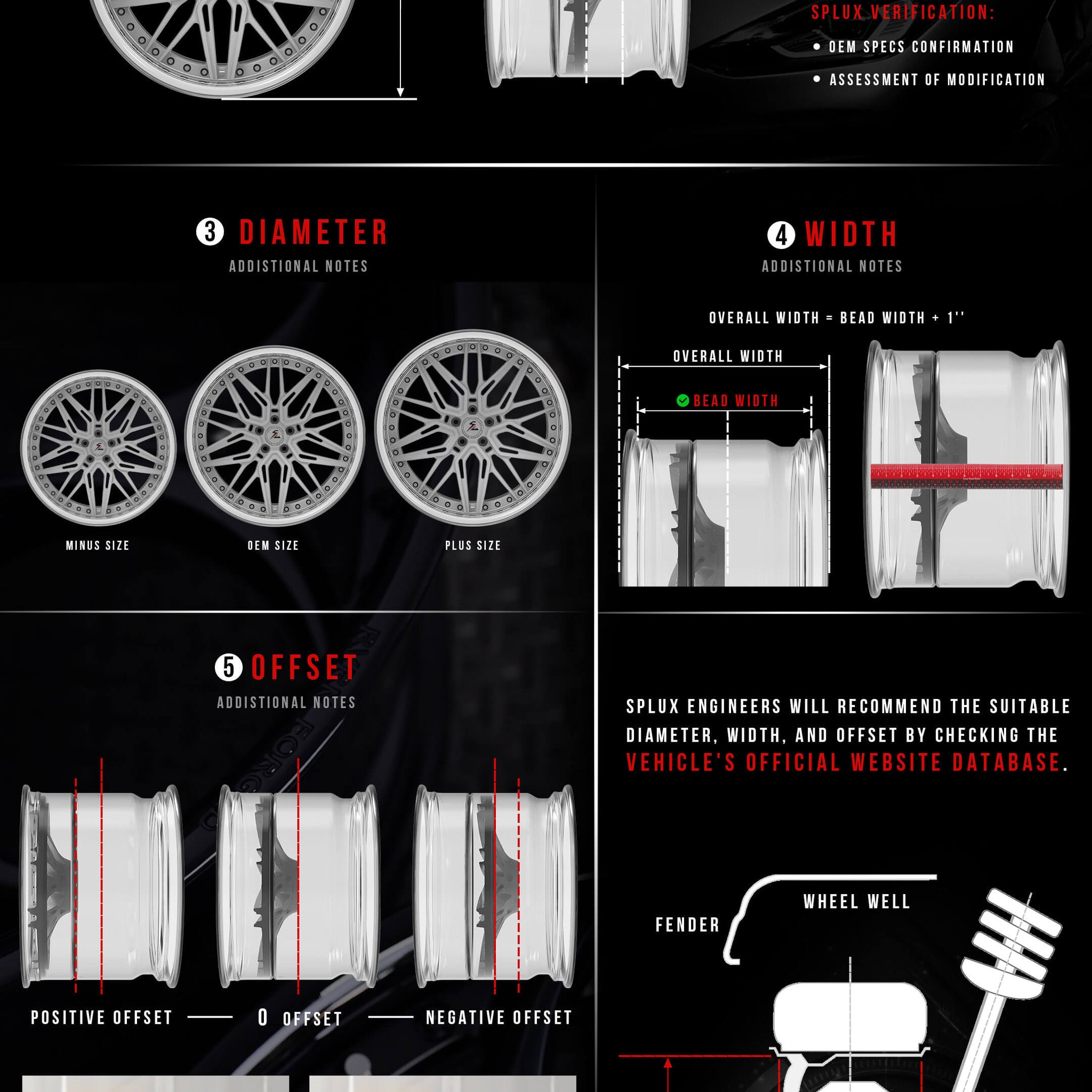
The rim offset chart typically includes three critical dimensions: the offset, rim width, and wheel diameter. The offset is the distance from the wheel's centerline to the hub mounting surface. It is measured in millimeters (mm) and is a crucial factor in wheel fitment. Rim width refers to the distance between the inner and outer flanges of the rim, also measured in mm. Wheel diameter, on the other hand, is the size of the wheel, usually expressed in inches. These three measurements are the foundation of the chart, allowing users to identify the correct rim specifications.
Reading the Chart: A Step-by-Step Guide
- Start by identifying the wheel diameter you require. This is typically based on the vehicle's make and model.
- Locate the corresponding wheel diameter on the chart. The chart will often have a column or section dedicated to different wheel diameters.
- Next, find the desired rim width. Rim widths are usually listed in a separate column adjacent to the wheel diameter section.
- Once you have identified the wheel diameter and rim width, you can read the offset value. The offset is typically presented as a range of values for each combination of wheel diameter and rim width.
- Choose an offset value within the range that suits your preferences and the vehicle's requirements. A positive offset indicates the wheel is positioned towards the vehicle's exterior, while a negative offset moves it inward.
- Cross-reference the chosen offset with the rim width and wheel diameter to ensure they align. This step is crucial to avoid any fitment issues.
Variations and Differences
It's important to note that rim offset charts can vary depending on the standard being used. Different regions and manufacturers may have slight variations in their charts, so it's essential to refer to the appropriate chart for your specific needs. Additionally, some charts may provide a broader range of offset values to accommodate various vehicle modifications and customizations. Always check the chart's specifications and ensure it aligns with your vehicle's requirements.
Common Mistakes and How to Avoid Them
One common mistake is selecting an incorrect offset, which can lead to wheel interference with suspension components or improper tire wear. To avoid this, always double-check the offset value and ensure it falls within the recommended range for your vehicle. Another pitfall is neglecting to consider the overall width of the wheel and tire combination. Ensure the total width, including the tire, fits within the vehicle's wheel wells to avoid rubbing or clearance issues.
Practical Tips for Accurate Results
When using a rim offset chart, it's beneficial to have a basic understanding of wheel fitment principles. Consider the vehicle's stock offset and how modifications, such as lowering or lifting, can impact the optimal offset choice. Additionally, be mindful of the wheel and tire package's overall width and ensure it fits within the vehicle's wheel arches. Regularly consult the rim offset chart during the selection process to make informed decisions and achieve the desired look and performance.
Well, there you have it! A comprehensive guide to understanding rim offset charts and their practical applications. Remember, these charts are a valuable tool, but it's essential to consider your specific needs and the context in which you're using them.
The world of rim offsets is a fascinating one, offering precision and accuracy for those who need it. So, before you put your new-found knowledge into practice, take a moment to ensure you've got the right information for your unique situation. Consider any variations in standards or specific requirements, and you'll be all set. And don't forget, this guide is here for you whenever you need a quick refresh—just bookmark it, and it'll be at your fingertips!
Related: Pistons Depth Chart: A Simple Reference Guide
A pistons depth chart is a valuable tool for anyone seeking a quick reference guide to understand engine specifications. This straightforward visual aid offers a clear overview of piston measurements and their placement within an engine's cylinder.
The chart provides a simple yet effective way to compare and contrast piston sizes, bore and stroke dimensions, and even engine displacement. It's a handy resource, especially when considering the variety of standards and units used in automotive engineering, from metric to imperial.
Understanding the Pistons Depth Chart
The pistons depth chart is a valuable tool for automotive enthusiasts and professionals alike, offering a concise overview of piston sizes and their corresponding specifications. This chart serves as a quick reference guide, aiding in the identification and selection of the right piston for various engine configurations.
Key Details and Categories
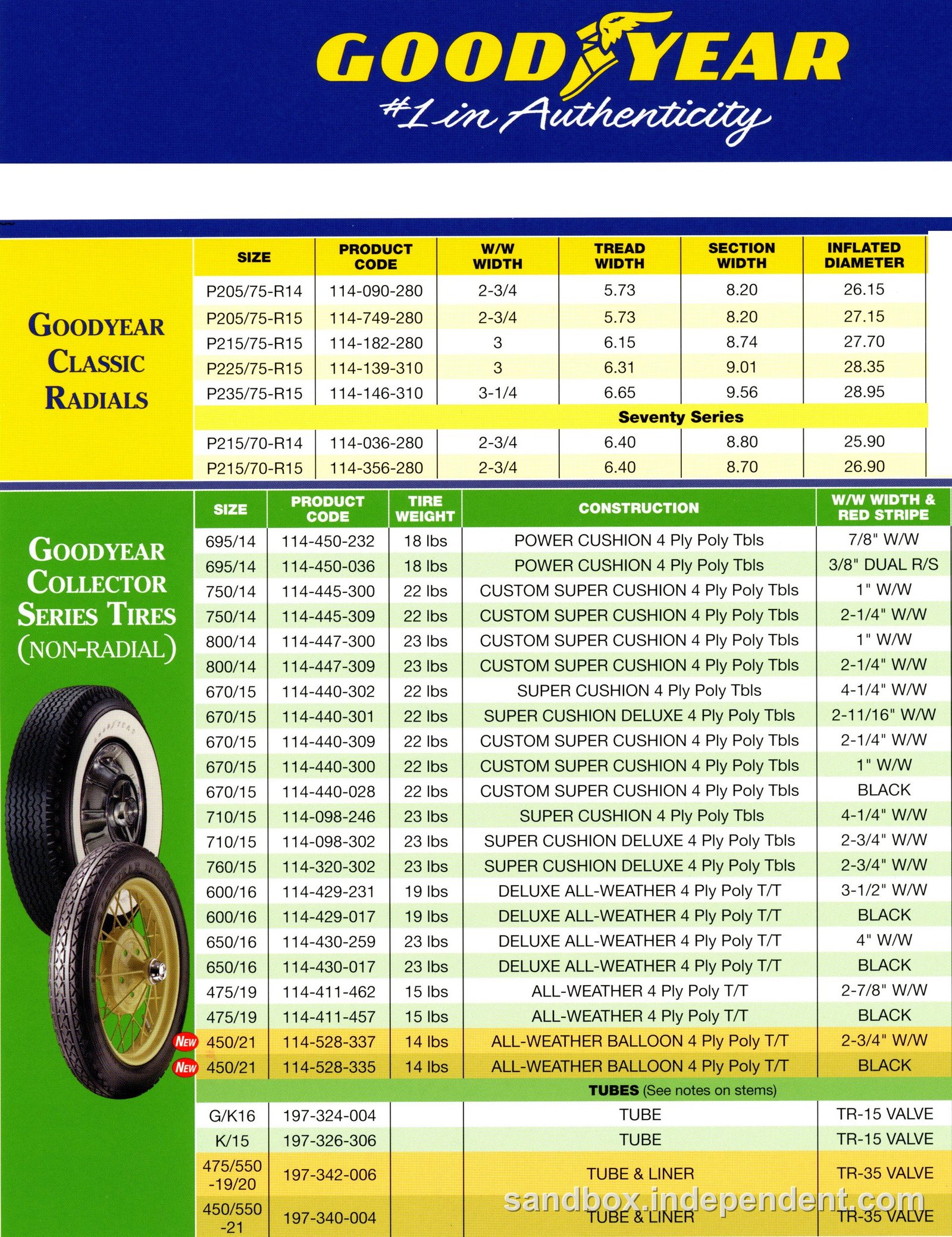
When examining a pistons depth chart, you'll encounter a range of critical information. The chart typically displays piston sizes, often referred to as bore and stroke dimensions, which define the piston's diameter and the distance it travels within the cylinder. These values are usually provided in both metric and imperial units, catering to diverse regional standards. Additionally, the chart may include engine displacement, a crucial parameter indicating the engine's capacity, often measured in cubic centimeters (cc) or liters (L).
Reading and Applying the Chart
To utilize the pistons depth chart effectively, follow these steps:
Identify the Piston Size: Start by determining the piston size you need. This is typically specified by the engine manufacturer or can be measured directly from the engine.
Locate on the Chart: Refer to the chart and locate the piston size you require. The chart will provide a clear layout, often organized by piston diameter and stroke length.
Check Specifications: Once you've found the relevant piston size, review the accompanying specifications. These may include the piston's material, compression ratio, and any specific features or design considerations.
Compare and Select: Compare the chart's specifications with your engine's requirements. Ensure the piston's dimensions and characteristics align with your engine's needs.
Verify with Manufacturer: While the pistons depth chart offers a comprehensive overview, it's essential to double-check with the manufacturer or refer to the engine's manual for precise specifications and tolerances.
Variations and Differences
Pistons depth charts can vary depending on several factors. Here are some key considerations:
Regional Standards: Different regions may use distinct measurement systems, such as the metric system (common in many countries) or the imperial system (predominant in the United States). These variations can impact the units and values presented on the chart.
Manufacturer Preferences: Each engine manufacturer may have its own preferred piston sizes and specifications. This can lead to slight variations in piston dimensions and design features.
Engine Type and Application: The intended use of the engine, whether for a car, motorcycle, or marine application, can influence the piston's design and size. Different applications may require specific piston characteristics.
Common Mistakes and How to Avoid Them
To ensure accurate selection and avoid common pitfalls, consider the following:
Misinterpreting Units: Be mindful of the units used on the chart. If you're accustomed to a particular system, ensure you understand the conversions between metric and imperial units.
Overlooking Manufacturer Specifications: While the pistons depth chart provides a general guide, it's crucial to refer to the manufacturer's specifications for precise details. This ensures compatibility and optimal performance.
Ignoring Engine Type: Different engine types, such as four-cylinder, six-cylinder, or V-type engines, may have unique piston requirements. Ensure you select the appropriate piston size for your specific engine configuration.
Practical Tips for Accurate Results
For the best results when working with a pistons depth chart, keep these tips in mind:
Measure Twice: When determining the piston size you need, take accurate measurements. Double-check your readings to ensure precision.
Consult Experts: If you're unsure about the piston selection or have specific engine modifications, seek advice from automotive engineers or experienced mechanics. Their expertise can guide you toward the best choice.
Stay Updated: Pistons and engine technology evolve. Stay informed about the latest advancements and updates to ensure you're working with the most current information and specifications.
So, with your new understanding of the pistons depth chart and its practical applications, you're now equipped to navigate this aspect of your project with ease. Remember, the key is to refer to the appropriate standards and guidelines for your specific context, as exact values can vary.
Take a moment to ensure you have all the necessary information and resources at hand. Then, feel free to explore our other guides and resources, where you'll find a wealth of information to support your work and keep your projects running smoothly.