




Door Growth Chart Blank Overview
A dual type chart is a handy tool, a simple yet powerful resource for anyone seeking a quick glance at type advantages and disadvantages. This guide aims to demystify and clarify the purpose and use of such charts, ensuring you can navigate and understand them effortlessly.
The beauty of a dual type chart lies in its ability to visually represent type effectiveness, offering a clear overview of strengths and weaknesses. While the specific values and formats may vary depending on the context or region, the core concept remains consistent, providing a reliable reference for strategic decisions.
Understanding Type Advantages
The dual type chart is a powerful tool that reveals the strengths and weaknesses of different type combinations. It offers a strategic insight into how various types interact, providing an edge in decision-making and planning. This chart is a valuable resource for anyone seeking to optimize their choices based on type effectiveness.
Key Details and Categories
The dual type chart presents a comprehensive overview of type interactions. It categorizes types into distinct groups, each with its own unique properties and relationships. These categories include common types like Fire, Water, and Grass, as well as more specialized types such as Electric, Ghost, and Fairy. The chart assigns each type a value or rating, indicating its effectiveness against other types. These values range from 0.25x (not very effective) to 4x (super effective), with 1x representing neutral effectiveness.
Reading the Effectiveness Scale
To read the dual type chart, follow these steps:
- Identify the two types you want to compare. Let's say you're interested in the interaction between Fire and Water types.
- Locate the intersection of the row and column corresponding to the two types. In this case, find where the Fire row meets the Water column.
- The value at this intersection represents the effectiveness of one type against the other. A value of 4x means Fire is super effective against Water, while a value of 0.25x indicates Water is not very effective against Fire.
- Repeat this process for different type combinations to understand their strengths and weaknesses.
Common Type Combinations and Practical Strategy Tips
While the dual type chart provides a comprehensive guide, it's important to note that variations can occur due to specific circumstances or game mechanics. Here are some key factors to consider:
- Pokemon type chart variations: Different Pokemon games may have slight differences in type effectiveness. Always refer to the specific game's chart for accuracy.
- Type advantage chart exceptions: Some Pokemon have unique abilities or moves that alter type effectiveness. These exceptions can provide strategic advantages or disadvantages.
- Type match-up chart context: The effectiveness of types can depend on the specific context or situation. Environmental factors, such as terrain or weather, may influence type interactions.
- Pokemon type effectiveness tolerances: Certain types may have slight variations in effectiveness depending on the region or standard being used. Always check the relevant standard for accurate values.
Remember, while this dual-type chart offers a comprehensive guide, it's always wise to verify your specific needs and context. Exact values may vary slightly across different standards and sources, so a quick check ensures you're on the right track.
Feel free to explore our other resources and guides. We've got a range of practical tools and references to help you navigate various topics. Happy browsing!
Related: A Simple Guide to Solar Return Chart Reading
A solar return chart is a valuable tool, a snapshot of your astrological year, offering insights and a unique perspective. This guide will navigate you through the basics, ensuring you grasp the fundamentals of reading and interpreting these charts.
The solar return chart, or solar revolution chart, provides a detailed map, varying slightly depending on your region and the astrological tradition you follow. It's an essential resource for chart reading and solar return analysis, offering a fresh perspective on your year ahead.
Understanding the Solar Return Chart: An Overview
The solar return chart is a powerful tool used in astrology to provide insights into a person's upcoming year. It offers a snapshot of the celestial positions at the precise moment of your birth, calculated for the date and location of your solar return anniversary. This chart is like a personalized map, guiding you through the potential themes and challenges of the year ahead.
Comparing Solar Return Chart Formats and Standards
There are two primary methods for calculating a solar return chart: the sidereal solar return and the tropical solar return. The sidereal method uses the actual position of the Sun among the stars, while the tropical method aligns with the seasonal changes. Both methods have their adherents, and the choice often depends on personal preference and the astrological tradition followed.
Step-by-Step Guide to Reading Your Solar Return Chart
To interpret your solar return chart, follow these steps:
Identify the house placements: Each house represents a specific area of life, such as career, relationships, or personal growth. The planets' positions within these houses indicate the focus and potential challenges or opportunities in each life area.
Analyze planet transits: Note the positions of the planets in your solar return chart compared to your natal chart. These transits highlight areas of life where you may experience significant growth, challenges, or transformations.
Interpret the aspects: Aspects are the angular relationships between planets. They reveal the dynamic interactions and energies at play. For example, a harmonious aspect like a trine suggests ease and flow, while a challenging aspect like a square indicates potential obstacles and the need for adaptation.
Consider the chart's overall energy: Look at the overall balance of elements (fire, earth, air, water) and modalities (cardinal, fixed, mutable) in your solar return chart. This gives an overview of the predominant energies and themes for the year.
Common Misinterpretations and How to Avoid Them
A common mistake is to focus solely on the negative aspects or transits in a solar return chart. While challenges are part of the journey, it's important to remember that these aspects also offer opportunities for growth and transformation. Balance your interpretation by considering the positive aspects and the potential for personal development.
Factors Affecting the Accuracy of Solar Return Analysis
The accuracy of your solar return chart interpretation depends on several factors:
Location: The chart is calculated for a specific geographic location, so if you travel frequently, your solar return may vary depending on where you spend your birthday.
Time zone: The precise time of your birth is crucial. Even a small variation in the time zone can impact the chart's interpretation.
Personal evolution: As you grow and change, your chart may reflect these shifts. Your interpretation should consider your current life circumstances and personal growth.
Adapting the Solar Return Chart for Specific Needs
The solar return chart can be tailored to specific areas of interest. For example, you can create a focused chart for your career by emphasizing the houses and planets associated with work and professional life. This allows for a more detailed analysis of the opportunities and challenges in that specific realm. Similarly, you can create charts for relationships, health, or creative pursuits, providing a deeper understanding of the year's potential in those areas.
Hey there, fellow explorers! We've covered a lot of ground in this guide, and I hope it's given you a clear path to navigate the world of solar return charts. Remember, the specifics might differ slightly, as each chart has its unique nuances.
Feel free to explore more of our guides; we've got a range of topics to help you on your path to mastering these practical tools. Happy reading and learning!
Related: How to Read the "ir verb chart" Easily?
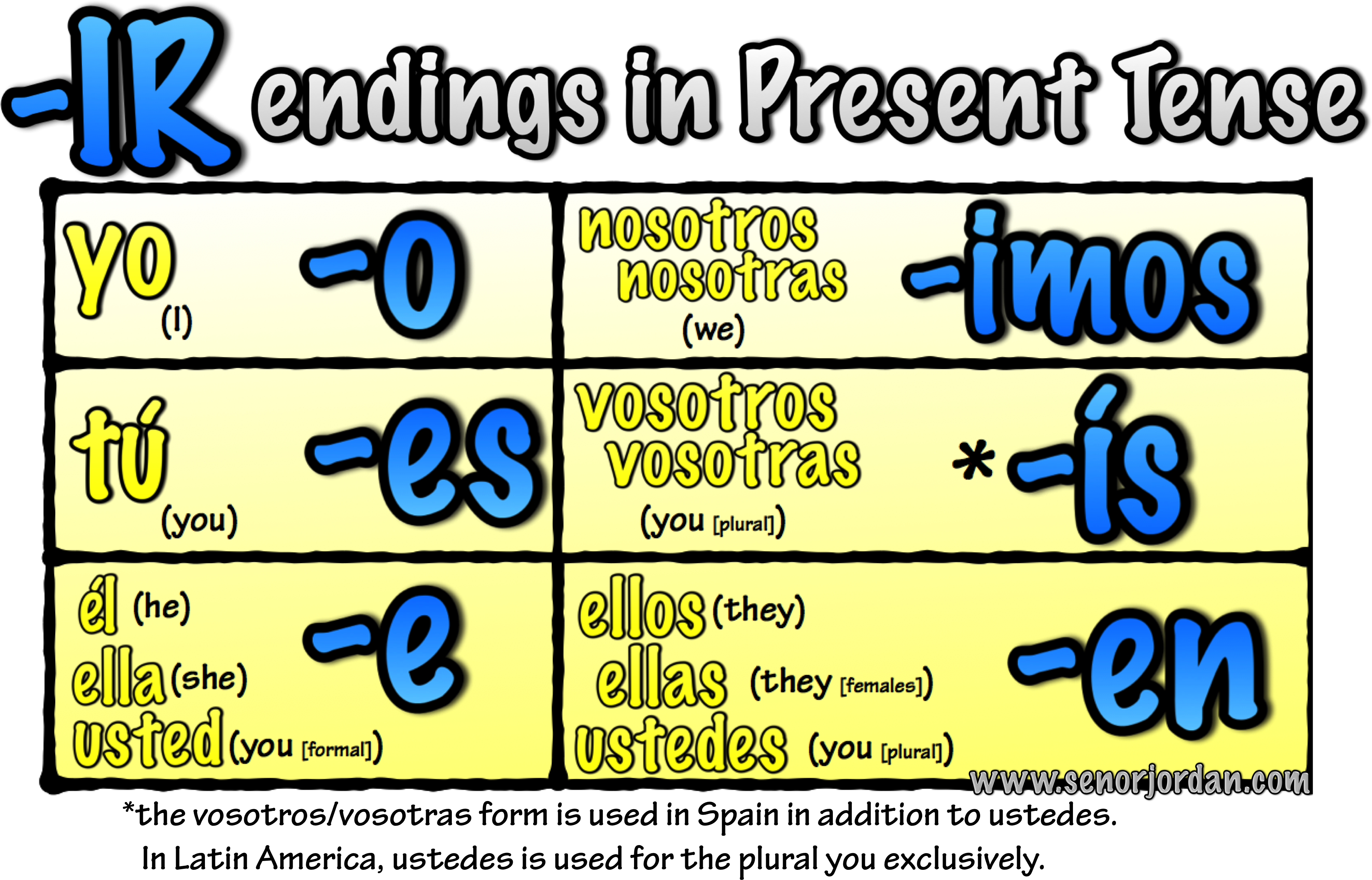
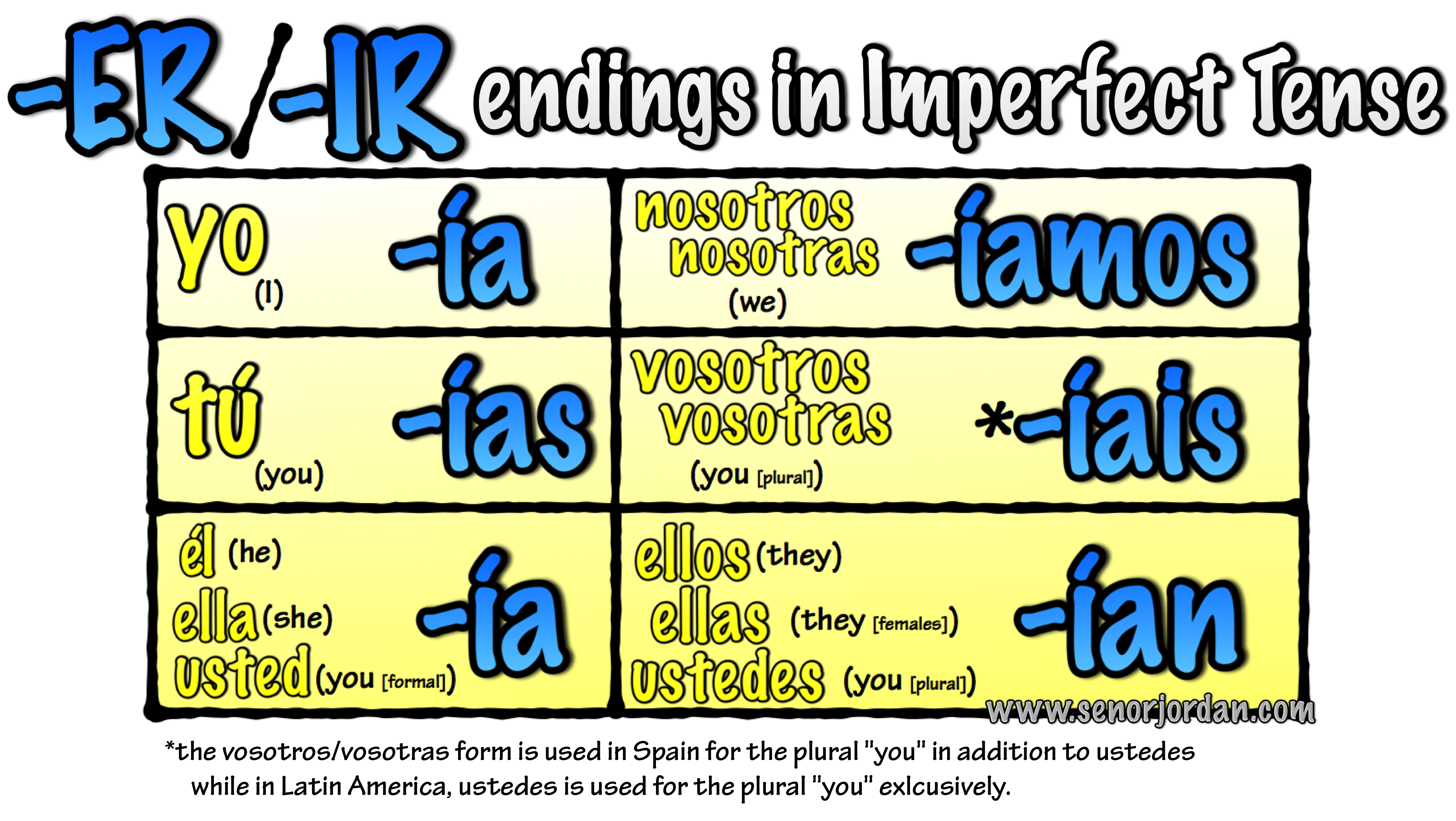
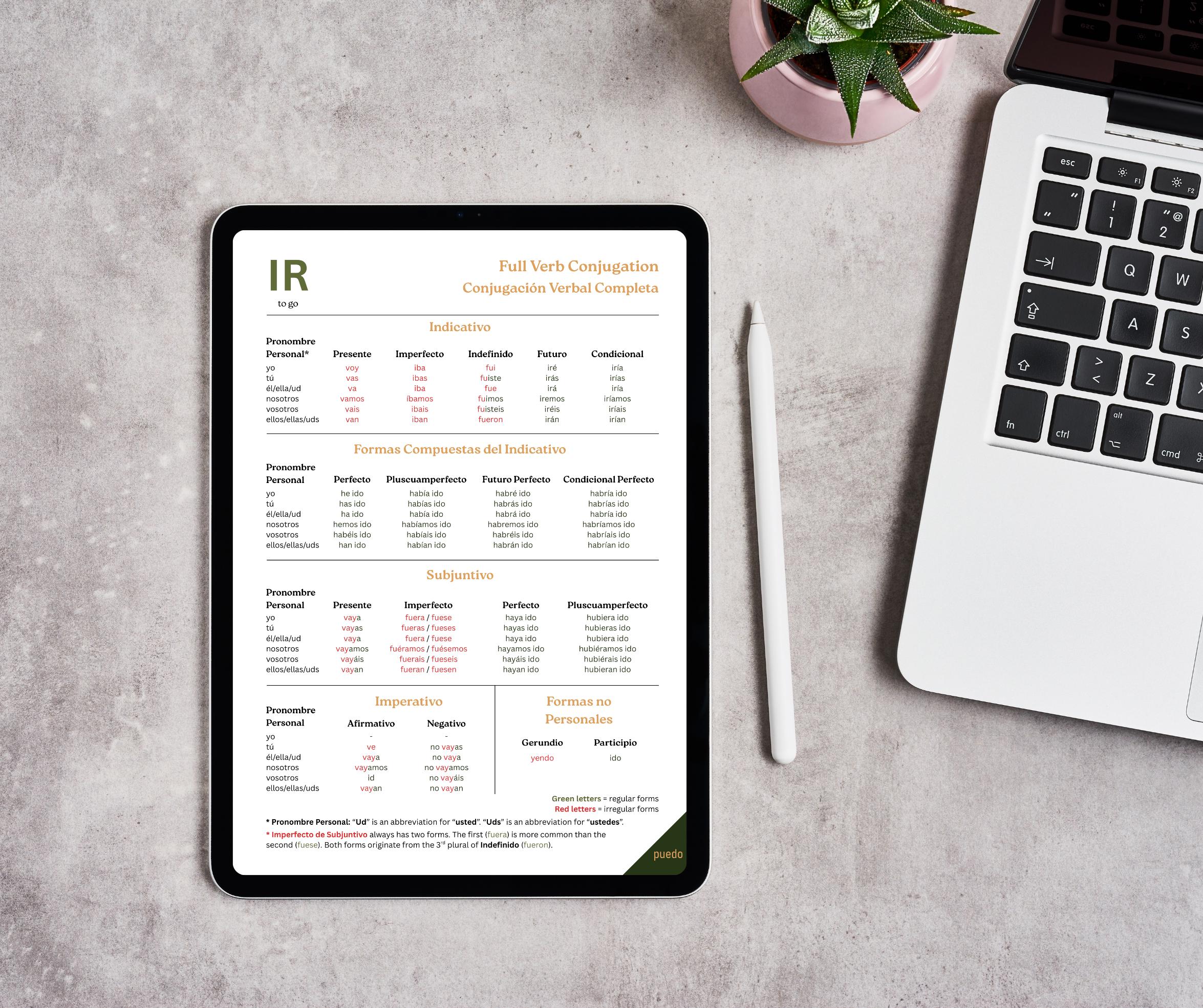
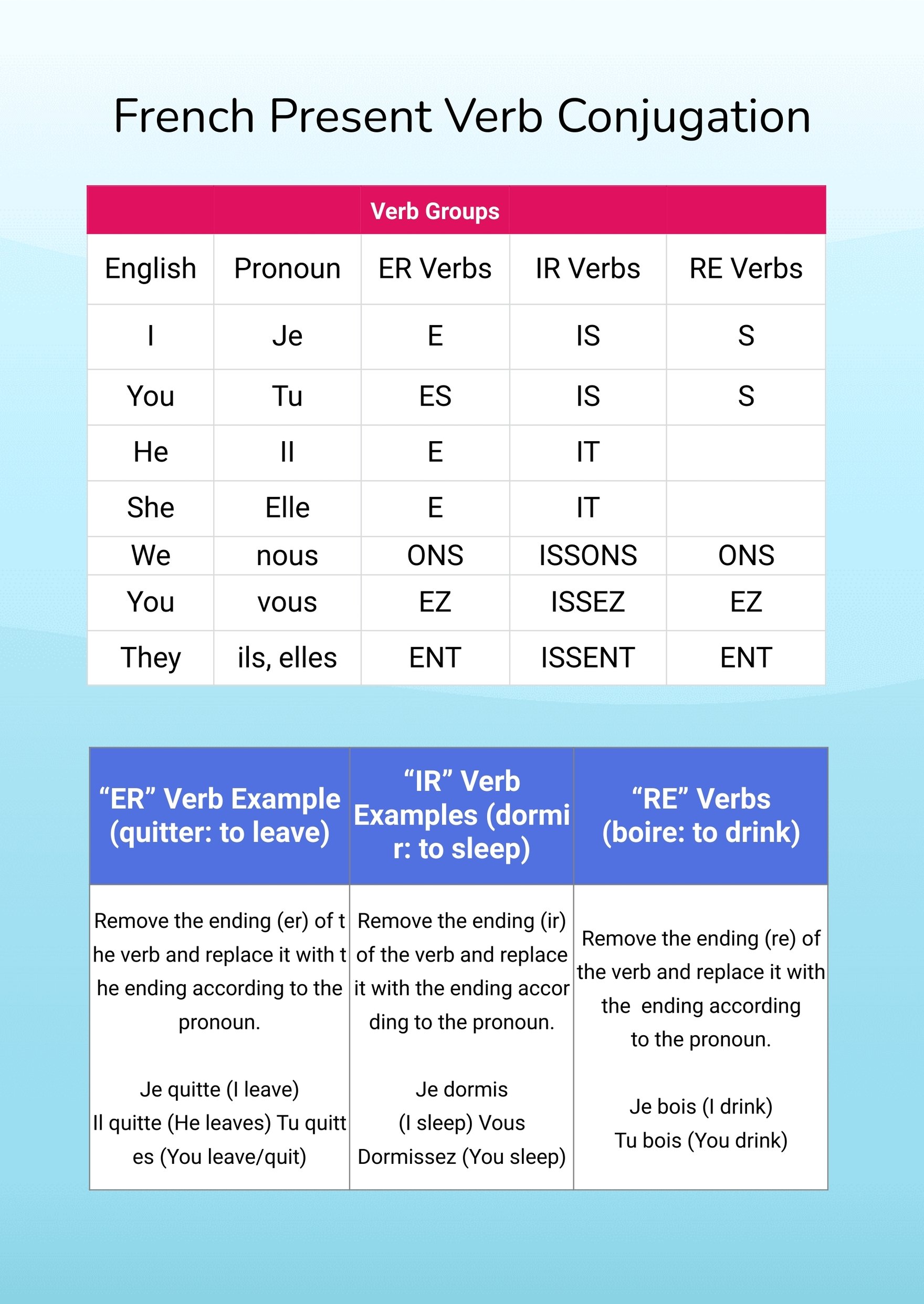
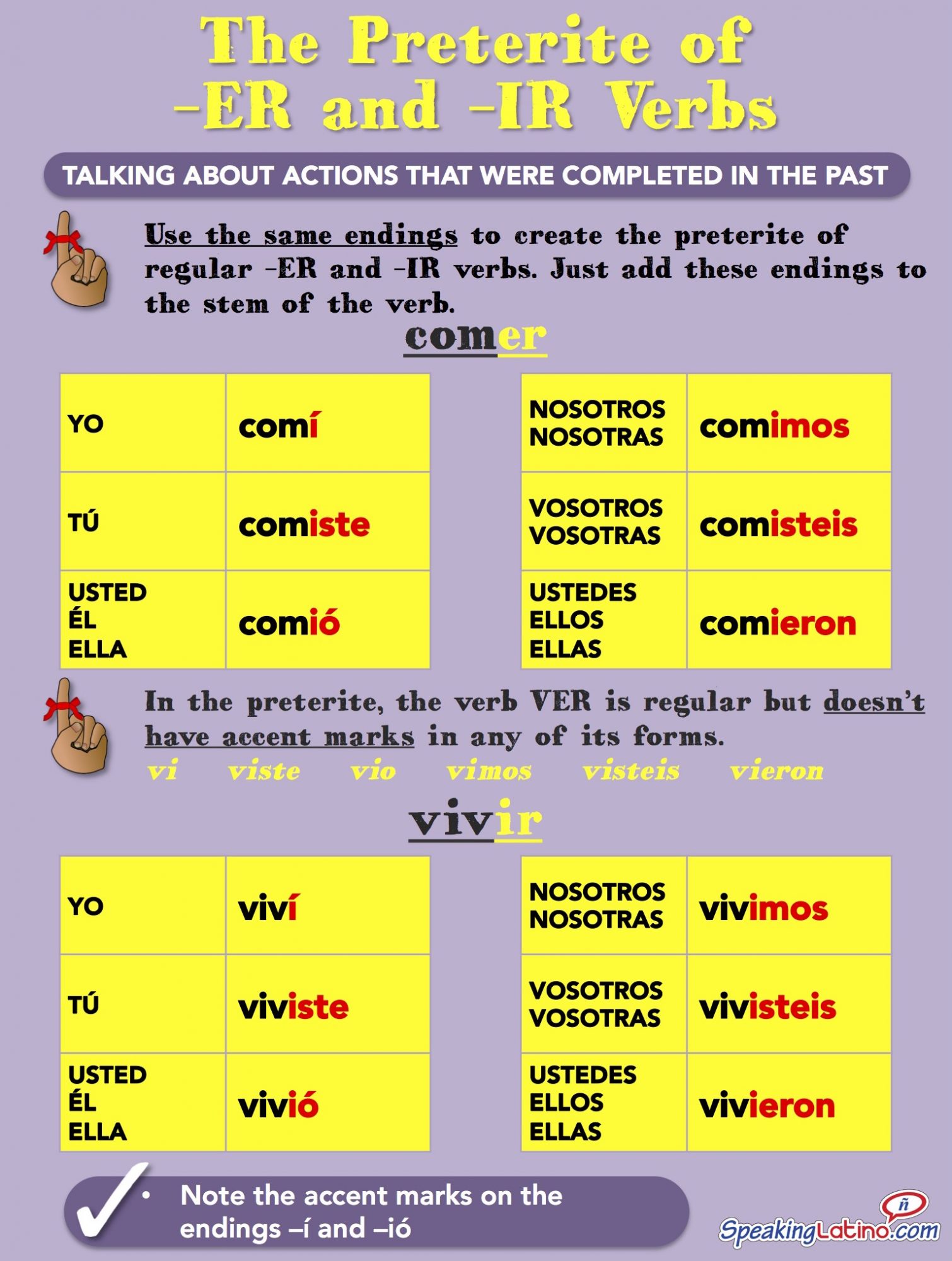
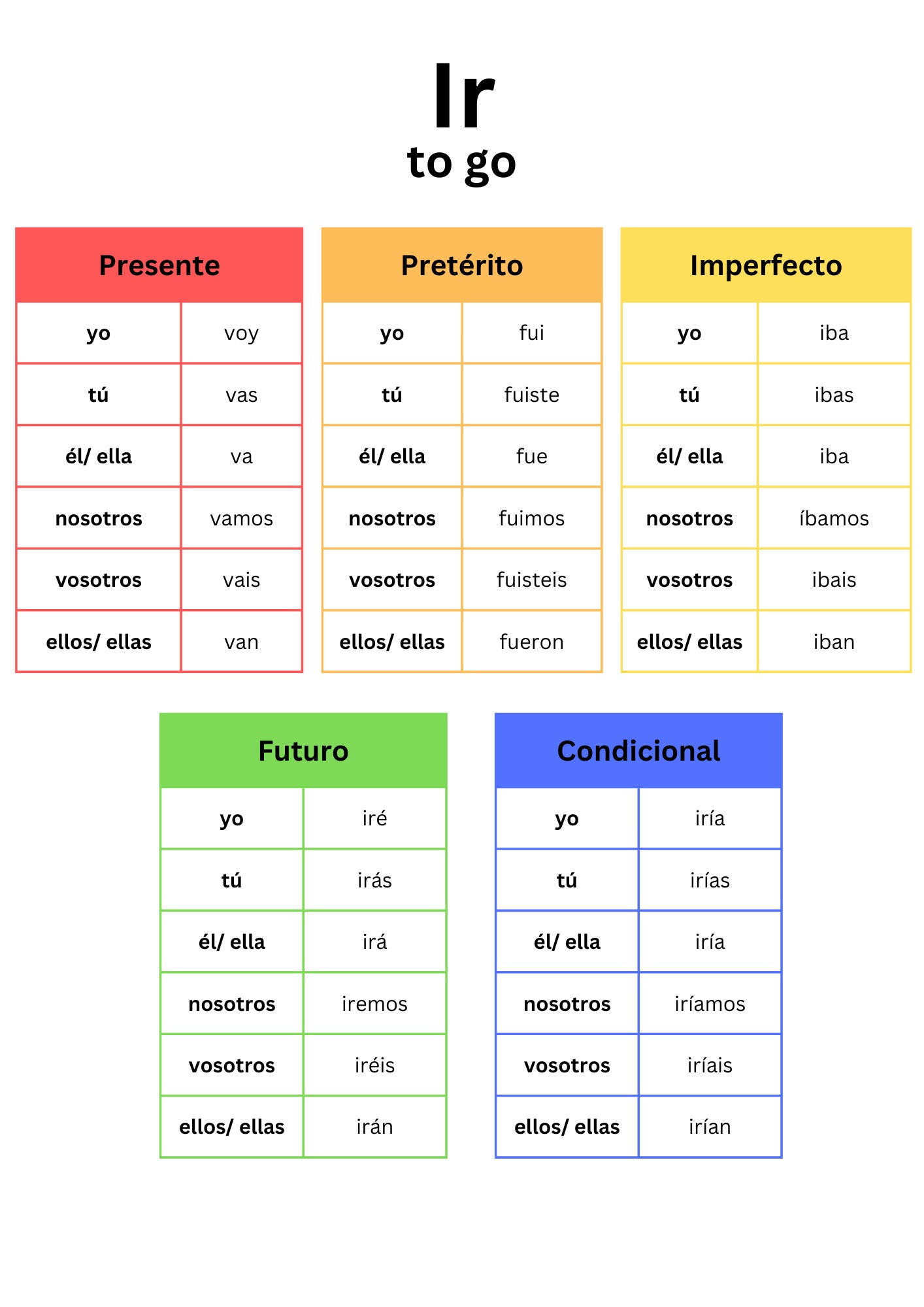
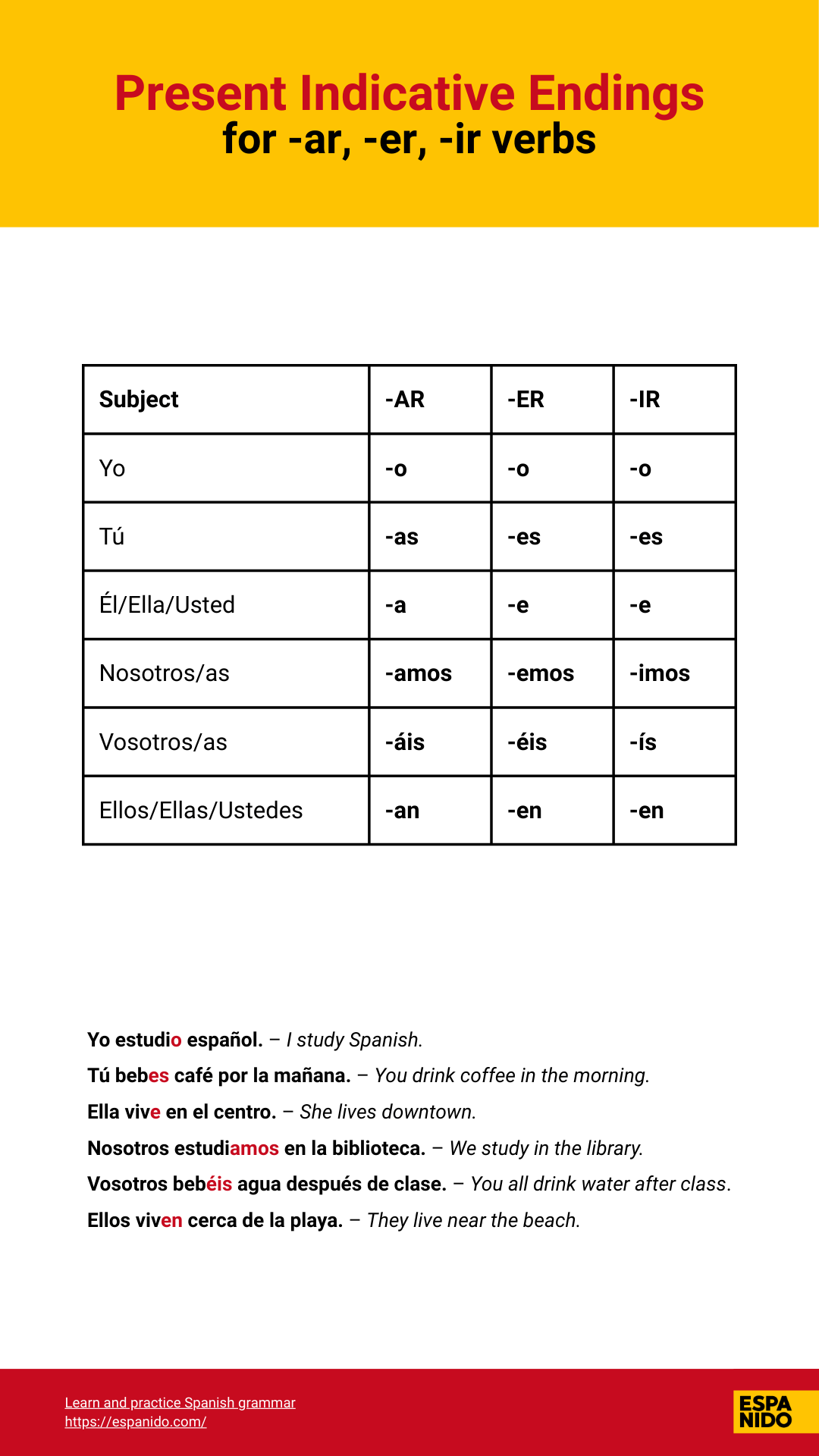
You've landed on this page, perhaps with a specific task in mind or a quick reference need. The ir verb chart is a handy tool, a concise visual guide, that can save you time and effort when navigating Spanish verb conjugations. It offers a structured overview, allowing you to find and understand verb forms efficiently, covering present, past, and future tenses. While the chart's layout and details may vary, its purpose remains consistent: to provide a reliable reference for regular verbs in Spanish.
Understanding the Ir Verb Chart: A Quick Overview
The ir verb chart is an invaluable tool for Spanish language learners, offering a comprehensive visual guide to the conjugation of regular verbs ending in 'ir'. It serves as a reference, providing a clear layout of verb forms across different tenses and persons. This chart is an essential resource for mastering Spanish grammar and ensuring accurate verb usage in various contexts.
Comparing Conjugation Patterns: Regular Verbs vs. Irregulars
While the ir verb chart focuses on regular verbs, it's important to note the existence of irregular verbs, which do not follow standard conjugation patterns. These verbs require separate memorization and are not represented on the chart. Regular verbs, on the other hand, adhere to consistent rules, making the ir verb chart a reliable guide for most verb forms.
Step-by-Step Guide: Using the Ir Verb Chart
To utilize the ir verb chart effectively, follow these steps:
- Identify the verb tense you wish to conjugate. The chart typically covers present, past, and future tenses, each with its section.
- Locate the verb ending you need to conjugate. For instance, if you want to conjugate 'mirar' (to look), find the 'ar' ending section.
- Within the chosen section, find the specific person (e.g., yo, tú, él/ella, nosotros/as) you wish to conjugate for.
- Read across to the appropriate tense column to find the conjugated form. For example, 'yo miro' (I look) in the present tense.
- Repeat this process for other tenses and persons as needed.
Avoiding Common Pitfalls: Misreading and Mistakes
One common mistake is misreading the chart, especially when unfamiliar with Spanish verb endings. Ensure you understand the verb ending and its corresponding section. Another pitfall is assuming all verbs follow the regular pattern. Always double-check for irregular verbs, especially common ones like 'ser' (to be) or 'ir' (to go).
Factors Affecting Accuracy: Regional Variations and Tenses
The accuracy of the ir verb chart can be influenced by regional variations in Spanish. While the chart provides a standard guide, some verbs may have slight differences in certain Spanish-speaking countries. Additionally, the chart primarily covers regular verbs, so it's essential to be aware of irregular verbs and their unique conjugations.
Choosing the Right Format: Adapting to Your Needs
There are various formats of the ir verb chart available, catering to different learning styles and preferences. Some charts are more detailed, covering all tenses and persons, while others focus on specific tenses or provide a simplified layout. Choose the format that best suits your learning goals and level of Spanish proficiency.
Maintaining Reliability: Keeping Your Reference Up-to-Date
To ensure the reliability of your ir verb chart, it's crucial to regularly update your reference materials. Spanish language resources, including verb charts, may evolve and improve over time. Stay informed about any updates or new editions of the chart to access the most accurate and comprehensive guide for your Spanish conjugation needs.
Well, that's a wrap on our exploration of the IR verb chart and its practical applications. We've covered a lot of ground, from understanding the chart's purpose to mastering its use and avoiding common pitfalls. Remember, the key to success lies in adapting the chart to your specific needs and keeping your reference materials up-to-date.
Before you go, it's worth emphasizing the importance of considering your unique context. Exact values and formats may vary, so double-check the standards and sources relevant to your situation. With that in mind, I hope this guide proves invaluable the next time you need a quick reference. Feel free to bookmark this page for future use!