


Door Growth Chart For Kids Overview
A knife steel chart is a handy tool for anyone wanting to understand knife steel properties and grades. It's a simple yet effective way to compare and contrast different steel types used in knife-making.
This guide will take you through the basics of reading and interpreting these charts, covering the key steel properties and how they impact your knife's performance. You'll discover the variations in steel hardness, composition, and grades, which can differ based on region and brand.
Understanding Steel Ratings
The knife steel chart is your go-to tool for comparing and understanding the different types of steel used in knife-making. It's a handy reference guide that simplifies the complex world of steel properties and grades. This chart helps you make informed decisions when choosing a knife, whether you're a chef, an outdoor enthusiast, or a collector.
Comparing Steel Options
The knife steel chart typically presents various steel types in a clear, organized manner. It often includes columns for steel grades, hardness ratings, and other relevant properties. You'll find a range of steel options, from common and affordable choices to premium, high-performance steels. Each steel type has its unique characteristics, and the chart helps you quickly grasp these differences.
Practical Steel Selection: A Step-by-Step Guide
Using the knife steel chart is straightforward:
Identify your needs: Determine what you'll primarily use the knife for, such as kitchen tasks, outdoor adventures, or collection purposes. Different steel types excel in different areas.
Check the chart: Locate the steel grades column and review the options. Look for steels suitable for your intended use, considering factors like edge retention, sharpness, and corrosion resistance.
Compare hardness: The hardness scale is a critical factor. Harder steels generally hold an edge longer but can be more brittle. Softer steels are more flexible and easier to sharpen but may dull faster. Find a balance that suits your needs.
Consider other properties: Besides hardness, the chart provides insights into steel composition, corrosion resistance, and ease of sharpening. These factors are crucial for long-term performance and maintenance.
Make an informed choice: With the chart's guidance, you can now select the steel that best aligns with your knife's intended use and your personal preferences.
Avoiding Common Misreadings
While the knife steel chart is a valuable tool, it's essential to interpret it accurately:
Understand the scale: Different charts may use varying hardness scales, like Rockwell C (HRC) or Mohs. Ensure you're familiar with the scale used in your chart.
Know your steel: Steel grades can vary between regions and manufacturers. Always double-check the exact specifications, especially for less common steels.
Consider real-world factors: The chart provides a snapshot of steel properties, but actual performance can vary based on knife design, heat treatment, and maintenance.
Key Factors Affecting Accuracy
Several factors influence the accuracy and real-world performance of steel in knives:
Heat treatment: This process can significantly impact a steel's hardness and overall performance. Well-heat-treated steel can outperform its chart rating.
Knife design: The geometry and thickness of the blade can affect how steel performs. A thinner blade may not fully utilize the potential of a high-hardness steel.
Maintenance: Proper care and sharpening techniques are crucial. Neglecting maintenance can lead to premature dulling, even with premium steels.
Environmental factors: Corrosion resistance is essential, especially for outdoor use. The chart provides a guide, but real-world conditions can vary.
Adapting the Chart for Your Needs
The knife steel chart is versatile and can be tailored to your specific requirements:
Focus on key factors: If you prioritize edge retention, narrow your search to steels known for their durability. If corrosion resistance is vital, choose steels with high chromium content.
Compare similar steels: When in doubt, compare steels within the same family. For instance, compare different stainless steel grades to find the best balance of hardness and corrosion resistance.
Seek expert advice: If you're unsure, consult knife experts or experienced users. They can provide valuable insights and recommendations based on their experience.
Keeping Your Reference Reliable
To ensure the knife steel chart remains a reliable reference:
Update regularly: Steel technology and manufacturing processes evolve. Stay updated with the latest charts and sources to access the most accurate information.
Cross-reference: When in doubt, compare multiple charts and sources. This helps verify the accuracy of the information and ensures you have a well-rounded understanding of steel properties.
Seek specialized charts: For specific knife types or uses, consider specialized charts. These charts provide detailed insights tailored to your needs, ensuring you make the best choice.
Hey there, I hope this guide has given you a clear understanding of knife steel charts and their practical use. Remember, these charts are a fantastic tool, but the exact details can vary, so always double-check the specific standards and sources you're working with.
Consider bookmarking this page for future reference; it's a quick and handy way to refresh your memory and ensure you're using the right info. There are plenty more guides like this on various topics, so feel free to explore and find the tools that work best for you!
Related: Boys Size Chart: A Simple Guide
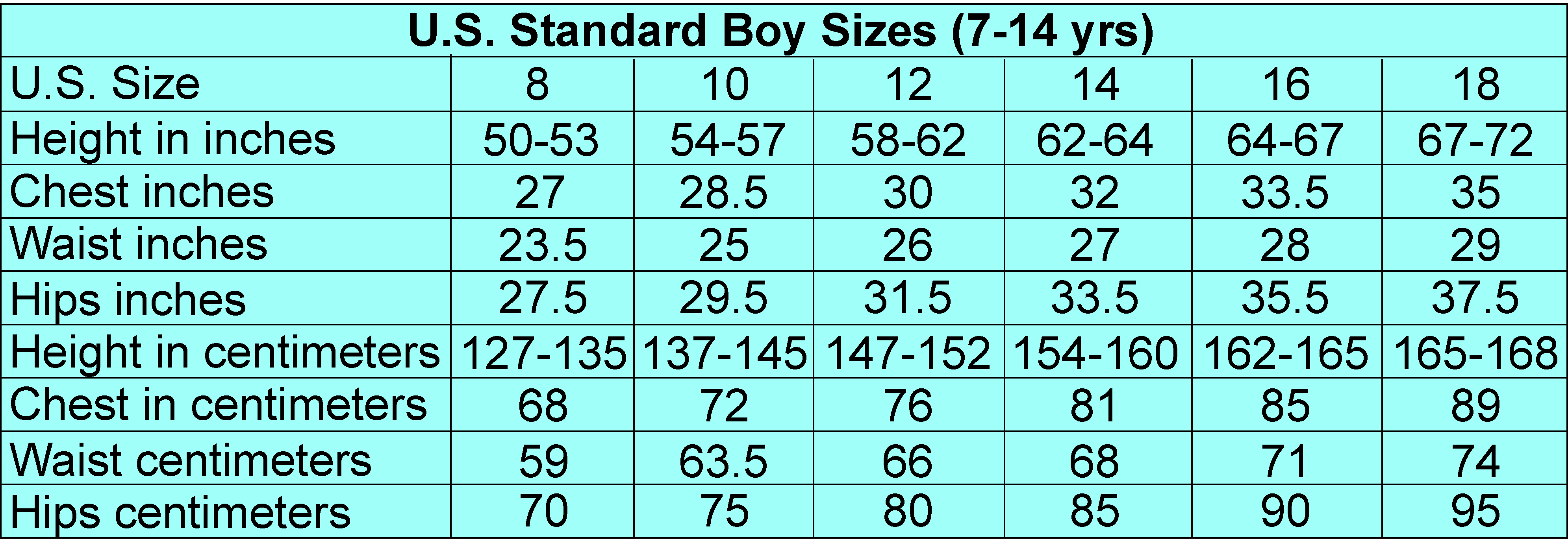
Many people assume that a boys size chart is a simple, universal tool, but it's important to understand that these charts can vary and require a bit of know-how to use accurately. While they provide a helpful framework, the values and measurements can differ based on various factors. A boys size chart is a valuable resource, offering a quick reference for standard body measurements, but it's essential to know how to interpret it for your specific needs.
Boys Clothing Size Chart: A Practical Guide
A boys clothing size chart is an essential tool for parents and caregivers to ensure a perfect fit for their little ones. This guide will walk you through the chart, its key details, and how to use it effectively.
Understanding the Chart: Key Details
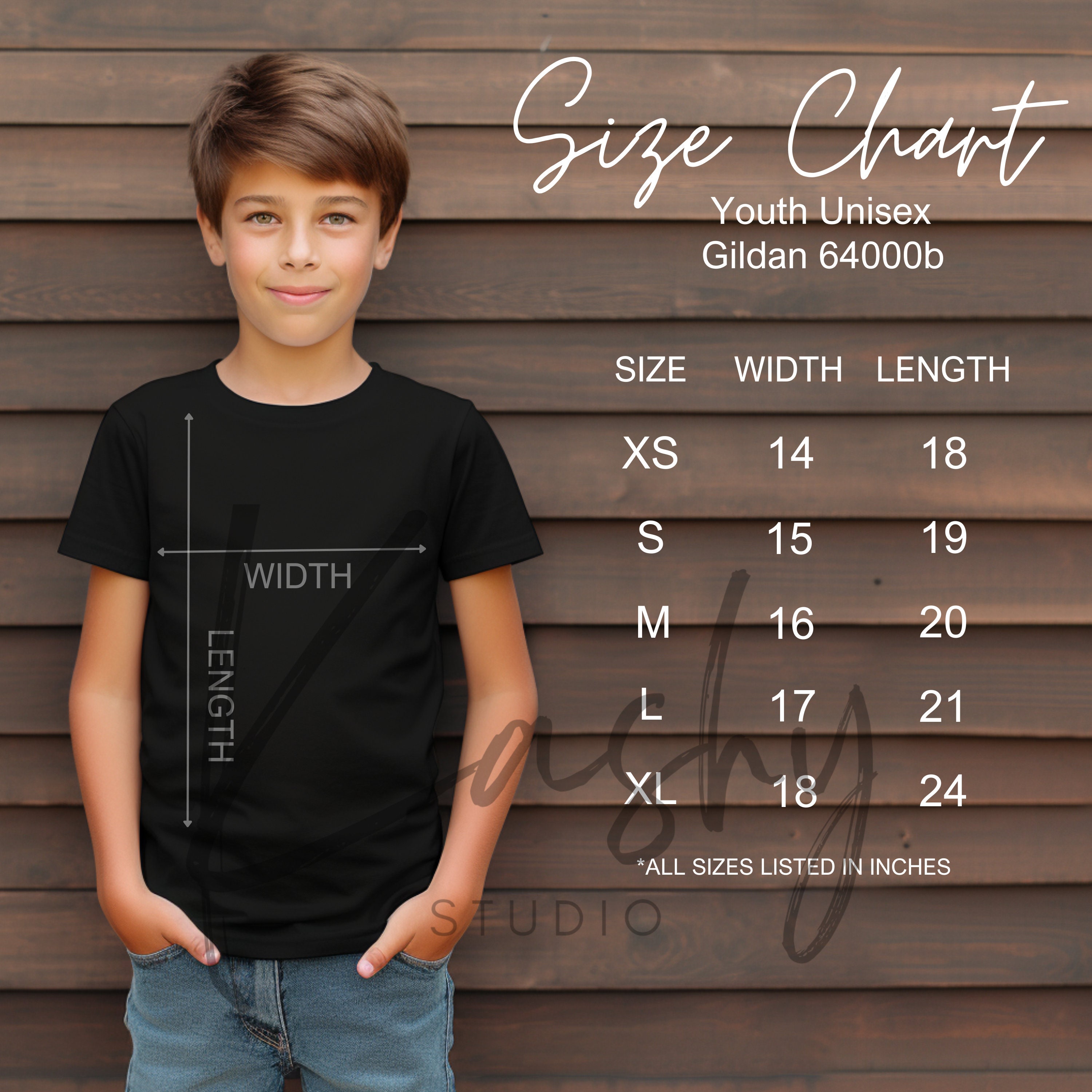
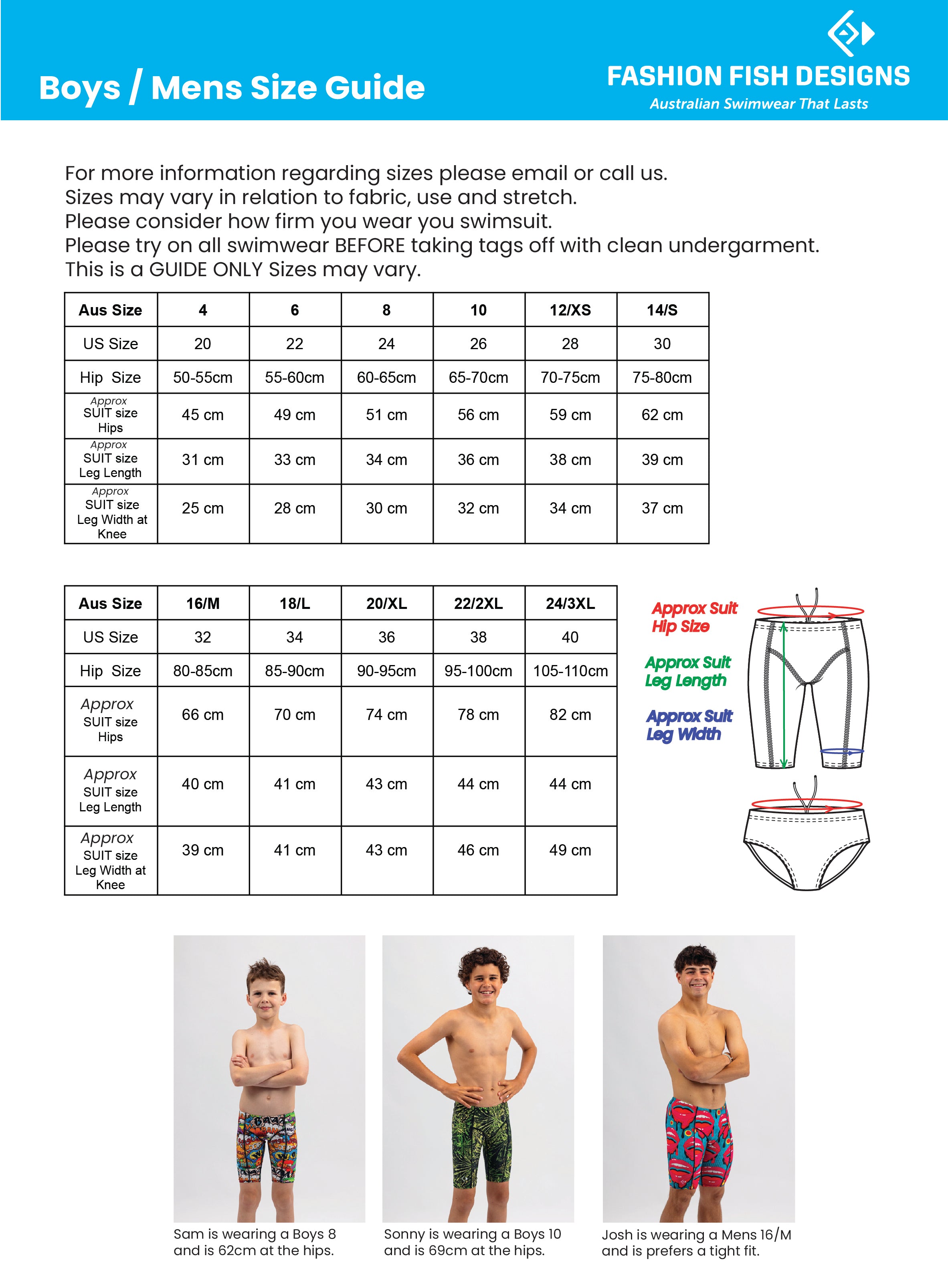
The boys size chart provides a reference for clothing sizes based on standard body measurements. It typically includes categories such as age, height, and weight, along with the corresponding clothing size. The chart is designed to offer a general guide, and the measurements are in both centimeters (cm) and inches. It is important to note that the chart may vary depending on the standard being used, whether it is a regional or international standard.
Reading and Applying the Chart: Step-by-Step
To use the boys size chart accurately, follow these steps:
Identify the relevant category: Start by determining whether you need to refer to the age, height, or weight category. This will depend on the clothing item and its specific sizing requirements.
Measure accurately: For height and weight, use a reliable measuring tape or scale. Ensure the child is standing straight and relaxed for height measurements. Weigh the child without any heavy clothing or accessories.
Find the corresponding size: Locate the measured value on the chart and identify the associated clothing size. For example, if the height is 110 cm, the chart may indicate a size 6 for tops and a size 7 for bottoms.
Consider the garment type: Different clothing items may have slight variations in sizing. For instance, tops and bottoms may have different size recommendations. Refer to the specific garment's size guide for more precise information.
Allow for growth: Keep in mind that children grow rapidly, so it is wise to choose a size that allows for some growth. Opting for a slightly larger size ensures the clothing will fit for a longer period.
Variations and Differences: Why They Occur
Boys size charts can vary due to several factors:
Regional standards: Different countries and regions may have their own sizing systems, leading to variations in measurements and categories.
International standards: Even within the same region, clothing manufacturers may follow different international sizing guidelines, resulting in slight differences.
Manufacturer preferences: Individual brands or designers may have unique sizing charts, especially for specialized clothing or unique designs.
Garment type: Certain clothing items, like shoes or hats, may have their own specific sizing systems.
Common Mistakes and How to Avoid Them
To ensure accurate sizing, avoid these common mistakes:
Relying solely on age: Age is just one factor; height and weight play crucial roles in determining the right size.
Neglecting to measure: Always measure the child accurately to get the most precise size recommendation.
Ignoring growth: Remember to allow for growth, especially for rapidly growing children.
Assuming consistency: Different brands and styles may have varying fits, so always refer to the specific size chart for each item.
Practical Tips for Accurate Results
Follow these tips for the best results when using a boys size chart:
Measure regularly: Children grow quickly, so update measurements every few months to ensure an accurate fit.
Compare multiple charts: If you are unsure, compare size charts from different brands or standards to get a broader perspective.
Consider the fabric: The stretch and flexibility of the fabric can impact the fit, so take this into account when choosing sizes.
Try before you buy: Whenever possible, try on the clothing to ensure a perfect fit, especially for special occasions or formal wear.
Double-Checking and Handling Exceptions
In certain cases, it is essential to double-check or seek additional information:
Unique body types: If your child has a unique body shape or size, consult a professional or seek advice from experienced parents to ensure the best fit.
Specific garment requirements: Some clothing items, like sports gear or formal wear, may have specific sizing guidelines. Refer to the manufacturer's instructions or seek expert advice.
International travel: When traveling abroad, be aware of different sizing systems and convert sizes accordingly.
By following these guidelines and understanding the variations, you can confidently use the boys size chart to find the perfect fit for your child's clothing.
Remember, when working with size charts, it's essential to consider the specific context and requirements of your project. While the information provided here serves as a general guide, exact values can vary slightly depending on the standard or source you use.
Take a moment to review the key points and ensure you have all the necessary details before moving forward. And feel free to explore our other resources and guides; we have a range of practical tools and tips to offer, so there's always something new to discover!
Related: Square Roots Chart: A Quick Reference Guide
Many folks assume that a square roots chart is only for advanced math whizzes, but it's actually a super useful tool for all kinds of calculations and quick references. While it might look a bit intimidating at first, with its rows and columns of numbers, it's a simple and efficient way to find square roots without the need for complex calculations. Think of it as a handy cheat sheet! The square roots chart is your go-to resource, offering an easy-to-read format that can vary depending on your needs and preferences.
Understanding the Square Roots Chart
The square roots chart is a handy reference tool that simplifies the process of finding the square root of a number. It's like having a quick guide to uncover the values hidden beneath the radical sign. This chart is a visual representation, often in table form, that displays the square roots of various numbers, making it easier to grasp and apply this mathematical concept.
Key Details and Categories
Before diving into the chart, let's clarify some basics. The square root of a number is the value that, when multiplied by itself, gives you the original number. For example, the square root of 9 is 3, because 3 x 3 = 9. The square roots chart typically covers a range of numbers, usually starting from 0 and going up to a certain limit, depending on the chart's scope. It's important to note that the chart usually focuses on positive square roots, as negative numbers have two square roots, and the chart aims to provide a concise reference.
Reading Square Roots: A Step-by-Step Guide
Using the square roots chart is straightforward. Here's a simple guide:
- Identify the number for which you need to find the square root. Let's say you want to find the square root of 16.
- Locate the number on the chart. Square root charts are often organized with numbers increasing from left to right and top to bottom.
- Read the corresponding value in the chart. For our example, you'll find that the square root of 16 is 4.
- Verify the result by squaring the value you found. In this case, 4 x 4 = 16, confirming that the chart provided the correct square root.
Variations and Differences
While the square roots chart is a valuable tool, it's essential to understand that variations exist. Different charts may have slight differences in formatting, especially when considering international standards or specific mathematical contexts. For instance, some charts might include negative numbers or provide additional information like decimal approximations. It's always a good practice to refer to the specific chart's guidelines and ensure you're using the right one for your needs. Additionally, for precise calculations, especially in advanced mathematics or engineering, a square root calculator might be more suitable, offering a higher level of accuracy and flexibility.
So, there you have it! A square roots chart is a handy tool, offering a quick reference for those tricky square roots. Remember, it's always a good idea to check the specific guidelines or standards relevant to your context, as exact values may differ slightly.
Feel free to explore more of our practical guides and resources. We've got a whole collection of tips and tricks to make your work easier and more efficient. Happy learning and stay curious!