

Door Growth Chart Free Printable Overview
Many folks assume that a Hoka size chart is a one-size-fits-all guide, but it's actually a bit more nuanced than that. While it provides a handy reference, these charts can vary depending on the brand and the type of shoe.
So, when you're looking at a Hoka sizing guide, remember it's not just about the numbers; it's about finding the perfect fit for your unique feet. Whether you're a runner seeking the right Hoka running shoe sizes or just need a quick shoe size conversion, these charts are your friends!
Understanding the Hoka Size Chart
The Hoka size chart is your guide to finding the perfect fit for your feet. It's a simple yet effective tool that helps you navigate the world of Hoka footwear sizes. This chart ensures you get the right size, whether you're a runner seeking comfort or just looking for a stylish pair of shoes.
Key Details and Categories
The Hoka size chart typically includes standard foot measurements, with length and width being the primary dimensions. Length is measured in either US sizes or metric (international) sizes, depending on the region and standard. Width, on the other hand, often has a few variations, such as narrow, regular, and wide, to accommodate different foot shapes.
How to Read and Apply the Chart
- Start by determining your foot length. This is the foundation of your size selection. Measure your foot, or refer to a previous pair of shoes that fit well.
- Next, consider your foot width. If you have a wider foot, you may need to size up or opt for a wider width option.
- Using the Hoka size chart, match your foot length and width to the corresponding size. The chart will guide you to the appropriate size, considering both dimensions.
- Remember, the chart provides a starting point. It's always a good idea to try on the shoes to ensure a comfortable fit.
Variations and Differences
Hoka size charts may vary slightly depending on the shoe model and intended use. For instance, running shoes might have a different fit compared to casual footwear. Additionally, Hoka might offer specific width options for certain models, catering to a broader range of foot shapes. Always check the Hoka sizing guide for the particular model you're interested in.
Common Mistakes and How to Avoid Them
One common mistake is assuming all shoe brands use the same size standards. Hoka sizes might differ from other brands, so relying solely on your usual size can lead to an incorrect fit. Always refer to the Hoka one one size guide for accuracy. Another pitfall is neglecting to measure your foot width. While length is crucial, width variations can make a significant difference in comfort. Ensure you consider both dimensions when using the Hoka size chart.
Well, that's the lowdown on Hoka size charts! You now have the tools to navigate these charts with ease and find your perfect fit. Remember, while these charts are a great guide, exact values can differ, so always check your specific requirements.
It's worth bookmarking this page for future reference; you never know when you might need to size up (or down!) for your next adventure. Happy measuring, and here's to comfortable feet!
Related: Unraveling the Wine Sweet Chart: A Simple Guide
A wine sweet chart is a handy tool for any wine enthusiast, offering a simple and visual way to understand the sweetness levels in your favorite wines. This guide will cover the basics, helping you read and interpret these charts like a pro.
It's a great reference, especially when you want to explore new wines and understand their sweetness. The charts provide a quick insight into the wine's sugar content, often measured as residual sugar, and can vary depending on the wine's style and origin.
The Wine Sweet Chart: Your Guide to Wine Sweetness
The wine sweet chart is a handy tool that wine enthusiasts and professionals use to understand and communicate the sweetness levels of different wines. It provides a standardized way to measure and categorize wine based on its residual sugar content, offering a clear indication of how sweet or dry a wine is.
Key Details and Categories
The chart typically presents a range of sweetness levels, often using a scale of 0 to 10 or 0 to 100, with 0 representing a bone-dry wine and higher numbers indicating increasing sweetness. This scale is a relative measure, allowing for easy comparison between wines. The categories are usually defined by specific sugar content ranges, such as 0-1 g/L for dry wines and 100+ g/L for very sweet wines.
Reading and Applying the Wine Sweet Chart
To use the wine sweet chart, follow these steps:
Identify the wine's sweetness level: Look for information on the wine's label or consult a wine guide or expert to determine its sweetness category.
Understand the scale: The chart provides a visual representation of the sweetness range, with dry wines at one end and very sweet wines at the other.
Interpret the values: Each wine on the chart is assigned a number or category, indicating its sweetness level. For example, a wine labeled as "Off-Dry" might fall between 1 and 3 on a 0-10 scale.
Apply the knowledge: Knowing a wine's sweetness level can help you choose the right wine for a meal, pair it with appropriate foods, or simply understand its unique characteristics.
Variations and Differences
It's important to note that the wine sweet chart may vary depending on the standard or region. Different wine-producing countries or organizations may use slightly different scales or categories. For instance, the International Organisation of Vine and Wine (OIV) uses a 0-400 scale for residual sugar, with specific categories like "Dry" (0-4 g/L) and "Very Sweet" (120-400 g/L). Always refer to the specific standard being used to ensure accuracy. Additionally, factors like fermentation, climate, and grape variety can influence a wine's sweetness, leading to variations within the same category.
Well, there you have it! A handy wine sweet chart, a simple yet effective tool to navigate the world of wine sweetness. Remember, while the basics remain the same, the exact details might shift a little depending on the source and context.
Feel free to bookmark this page for future reference; it's a quick and easy way to ensure you always have a sweet guide at your fingertips! We've got plenty more guides like this, so be sure to check them out for all your wine-related queries.
Related: Get the Right Rug Size: A Clear Chart Guide
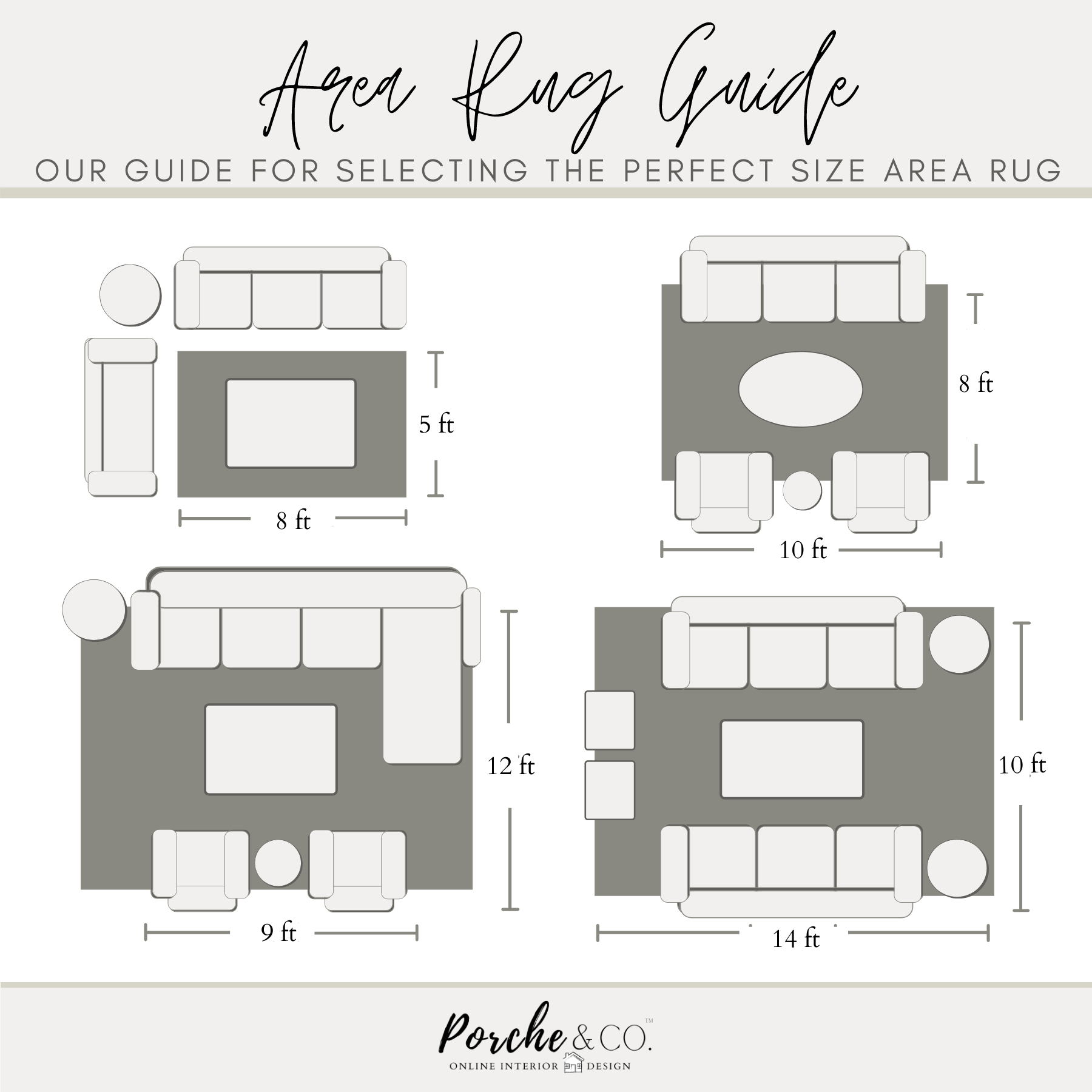
Many folks assume that a rug size chart is an exact science, with one standard size fitting all rooms. However, it's actually a flexible tool, offering a range of options to suit your space. A quick glance at this chart will show you the variety of rug sizes available, and it's an easy way to visualize how different dimensions can work in your home. Whether you're after a rug size guide, carpet dimensions, or floor covering measurements, this chart is a simple, effective starting point.
Understanding the Chart: A Quick Overview
A rug size chart is a handy tool to help you choose the right rug for your space. It provides a visual representation of standard rug sizes, making it easy to visualize and compare different dimensions. This chart is a practical guide for anyone looking to add a rug to their home, offering a simple way to ensure the rug fits the intended area perfectly.
Standard vs. Non-Standard Sizes: A Comparison
While most rugs come in standard sizes, there are also non-standard or custom-made options. The rug size chart typically covers a range of common sizes, such as 5x8, 8x10, and 9x12 feet, which are popular choices for various rooms. Non-standard sizes offer more flexibility but may require a bit more effort to find the perfect fit.
Step-by-Step Guide: Using the Chart Effectively
To use the rug size chart accurately, follow these simple steps:
- Identify the area you want to cover with the rug. Measure the length and width of this space to get an idea of the rug size you need.
- Refer to the chart and locate the closest standard size that fits your measurements. For example, if your space is 6x9 feet, a 5x8 or 8x10 rug might be suitable.
- Consider the layout and furniture arrangement. The chart provides a guide, but you may need to adjust based on your specific room setup.
- Take note of the rug's shape. Some charts also indicate whether the rug is rectangular, square, or runner-shaped, helping you choose the right fit for your space.
Common Misreadings and How to Avoid Them
One common mistake is assuming that the chart provides exact measurements for every rug. While it offers a great starting point, it's important to remember that rug sizes can vary slightly. Always double-check the exact dimensions of the rug you're interested in to ensure a perfect fit. Another potential pitfall is ignoring the scale of the room. A large rug in a small room can make the space feel cramped, so always consider the overall balance and proportion.
Key Factors Affecting Accuracy and Real-World Use
- Room Size: The size of the room plays a crucial role in choosing the right rug. A larger room can accommodate bigger rugs, while smaller spaces may require more careful consideration to avoid overcrowding.
- Furniture Arrangement: The placement of furniture can impact the rug size and shape needed. Consider leaving a border of floor space around the rug to create a balanced look.
- Rug Shape: Different shapes, like runners or round rugs, serve specific purposes and fit different spaces. The rug size chart often includes these variations to guide your selection.
- Tolerances: Rug sizes can have slight variations, so it's essential to check the manufacturer's specifications to ensure the rug meets your expectations.
Adapting the Chart: Choosing the Right Format
The rug size chart can be adapted to suit your needs. If you're looking for a specific size, some charts offer a search function or filters to narrow down options. Additionally, metric and imperial measurements are often available, catering to different regions and preferences. For unique spaces, consider using a custom rug size chart or consulting an expert to ensure a perfect fit.
Well, there you have it! A comprehensive guide to rug size charts and their practical uses. We've covered a lot of ground, from understanding the different options to avoiding common pitfalls.
Remember, when it comes to choosing the right rug size, it's essential to consider your unique space and needs. So, take a moment to double-check your measurements and specific requirements before making any final decisions. This guide should be a handy reference, but it's always good to ensure you've got the right fit for your room.
Consider bookmarking this page for future rug adventures; you never know when you might need a quick refresh on finding the perfect rug size!