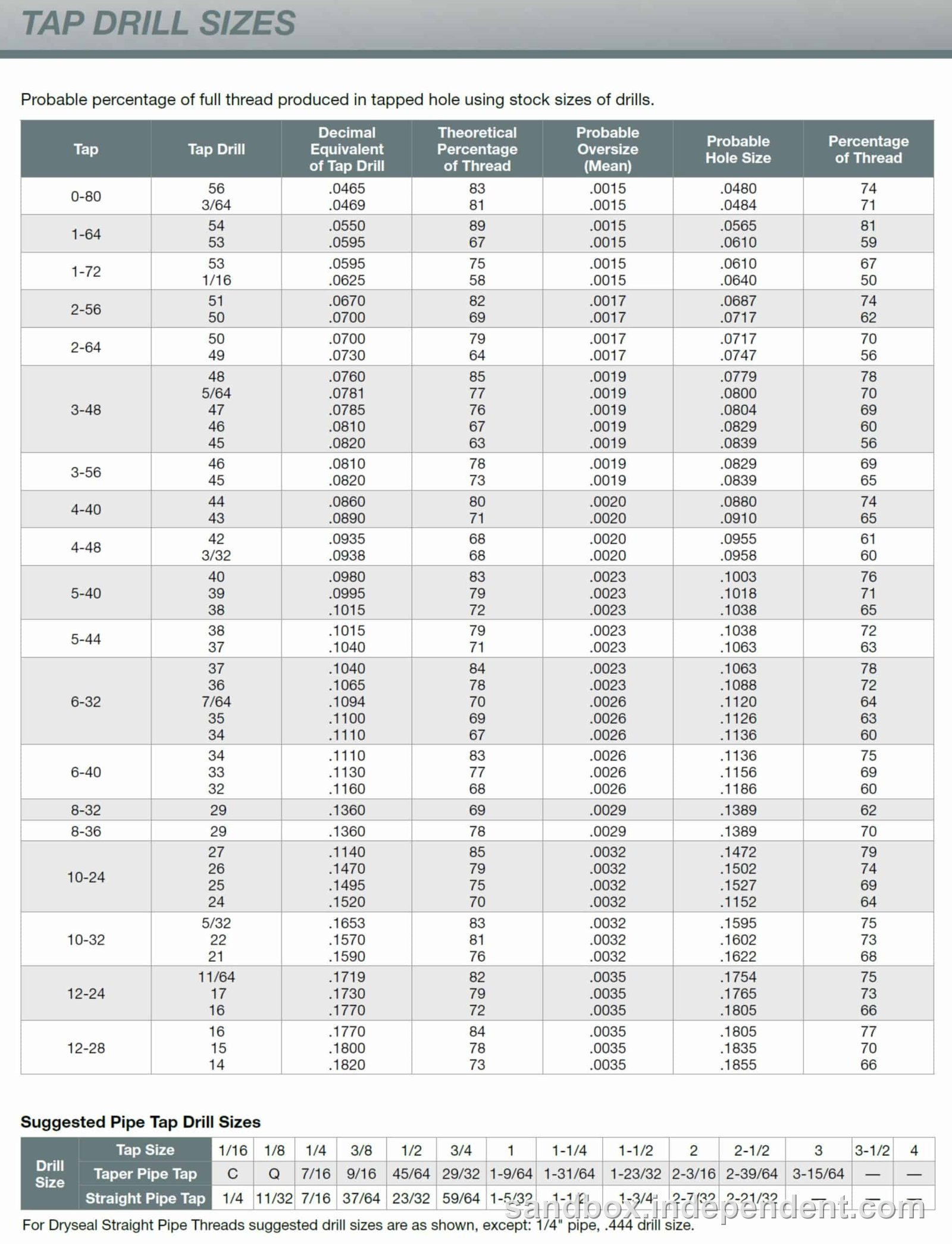


Drill Tap Chart A4 Overview
You're probably familiar with the concept of a voice level chart, whether you're a teacher, a parent, or just someone looking for a way to visualize and manage sound levels. This simple yet effective tool provides a quick reference guide, offering a clear and concise way to understand and interpret sound intensity. It's a handy resource, especially when you need to communicate and enforce specific volume expectations. While the exact values and formats may vary, the voice level chart remains a reliable and accessible way to measure and control acoustic environments.
Understanding the Voice Level Chart: A Quick Overview
The voice level chart is a valuable tool for measuring and understanding sound intensity, particularly when it comes to human speech. It provides a visual representation of different voice volumes, offering a practical guide to help individuals and professionals assess and manage sound levels. This chart is especially useful in environments where maintaining appropriate voice levels is crucial, such as classrooms, offices, and public spaces.
Decibel Scale and Voice Volume Categories
The voice level chart typically operates on the decibel scale, which is a logarithmic unit used to measure sound pressure. This scale allows for a wide range of sound intensities to be represented, from the faintest whispers to the loudest shouts. The chart categorizes voice levels into distinct ranges, often represented by colors or symbols, making it easy to identify and communicate different volume levels.
Step-by-Step Guide to Using the Voice Level Chart
- Identify the standard being used: Different regions and industries may employ various voice level chart standards. Ensure you are referencing the correct chart for your specific context.
- Observe the decibel scale: The chart will display a range of decibel values, typically from the lowest audible sound to a level considered harmful.
- Match your voice level: Compare your voice's volume to the categories or symbols on the chart. This will help you gauge whether your voice is at an appropriate level for the environment.
- Adjust as needed: If your voice falls outside the recommended range, adjust your volume accordingly. This could mean speaking softer or louder to match the desired level.
- Consider environmental factors: Remember that the chart provides a general guide. External factors like room acoustics and background noise can influence the perceived volume, so adjust your voice level accordingly.
Common Misinterpretations and How to Avoid Them
- Voice level charts are not absolute: They provide a reference, but individual perceptions of sound can vary. Trust your own judgment and the feedback of those around you.
- Avoid over-reliance: While the chart is a useful tool, it should not be the sole determinant of appropriate voice levels. Consider the context and the comfort of those around you.
- Decibel scale variations: Different charts may use slightly different decibel ranges or categories. Always refer to the specific chart you are using to ensure accuracy.
- Environmental factors: Be mindful of the environment's unique characteristics. A busy street may require a higher voice level than a quiet library, even if they fall within the same decibel range on the chart.
Remember, the voice level chart is a practical tool to promote clear communication and a comfortable environment. By understanding and accurately interpreting the chart, you can contribute to a more harmonious and productive space.
A voice level chart is a handy tool, offering a simple yet effective way to manage noise levels and create a harmonious environment. It's a great reference point, providing a clear guide to maintain a calm and focused atmosphere.
Remember, while this chart offers a standard framework, your unique context might require some adjustments. So, take a moment to tailor it to your specific needs, ensuring it fits your environment perfectly. Bookmark this page, and you'll always have a quick reminder for those moments when you need to keep the peace!
Related: Need a Hair Color Guide? Use Our Simple Chart
Many people approach hair colors charts with a bit of trepidation, assuming they are complex and confusing. But fear not! These charts are your friends and can be incredibly useful tools.
They provide a simple, visual way to understand and choose hair colors. While the specific values and formats may vary, the hair colors chart remains a reliable guide, offering a clear path to achieving your desired hair color. Think of it as a map, leading you to your perfect shade, with the color wheel and hair color levels acting as your compass.
Hair Colors Chart: A Visual Guide to Hair Dye Shades
The hair colors chart is a handy reference tool for anyone looking to experiment with hair dye. It's a visual representation of different hair colors, shades, and tones, helping you choose and understand the various options available. This chart is a great starting point for anyone new to hair coloring or those seeking a specific shade.
Key Details and Categories
The hair color guide typically features a range of colors, organized into sections or families. You'll often find categories like "blonde," "brunette," "red," and "black," with further subdivisions for specific shades. Each color is usually represented by a swatch or a small square, showing the exact shade. Additionally, the chart may include a color wheel or a visual representation of color theory, which helps understand the relationships between colors.
Reading and Applying the Chart
To use the hair colors chart, start by identifying the color family you're interested in. Let's say you're looking for a specific shade of brown. Locate the "brunette" section and explore the various shades within. Each shade will have a unique code or number, which represents the specific formulation of that color. These codes are essential when purchasing hair dye, as they ensure you get the exact shade you want.
Here's a step-by-step guide:
- Identify the color family.
- Locate the specific shade you desire.
- Note the corresponding code or number.
- Use this code when purchasing hair dye to ensure an accurate match.
Variations and Differences
It's important to note that hair color charts may vary depending on the brand or manufacturer. Different companies may use slightly different shades or numbering systems. Additionally, the way hair reacts to dye can vary based on individual hair types and previous coloring treatments. Here are some key factors that can cause variations:
- Tone and depth: Hair color can appear different depending on the natural tone and depth of your hair.
- Previous coloring: If your hair has been dyed before, the new color may interact with the existing dye, resulting in a unique outcome.
- Hair type: The porosity and texture of your hair can affect how it absorbs and holds color.
- Environmental factors: Sun exposure and water quality can impact the longevity and vibrancy of your hair color.
When using a hair color chart, it's always a good idea to consult with a professional stylist, especially if you're aiming for a specific look or have unique hair characteristics. They can guide you towards the best shade and provide tips for achieving and maintaining your desired hair color.
Hey there! So, we've covered a lot of ground with this hair color chart, and I hope it's given you a clear picture of what you need to know. Remember, these charts are a great starting point, but exact details can differ slightly, so it's always good to double-check.
Feel free to explore our other guides; we've got plenty of practical tips and tricks to help you navigate the world of hair care and styling. Happy coloring!
Related: Find Your Perfect Fit: The Wig Length Chart
Many people struggle with understanding wig length charts, often assuming they are complex and intimidating. But fear not, they are actually a simple and handy tool!
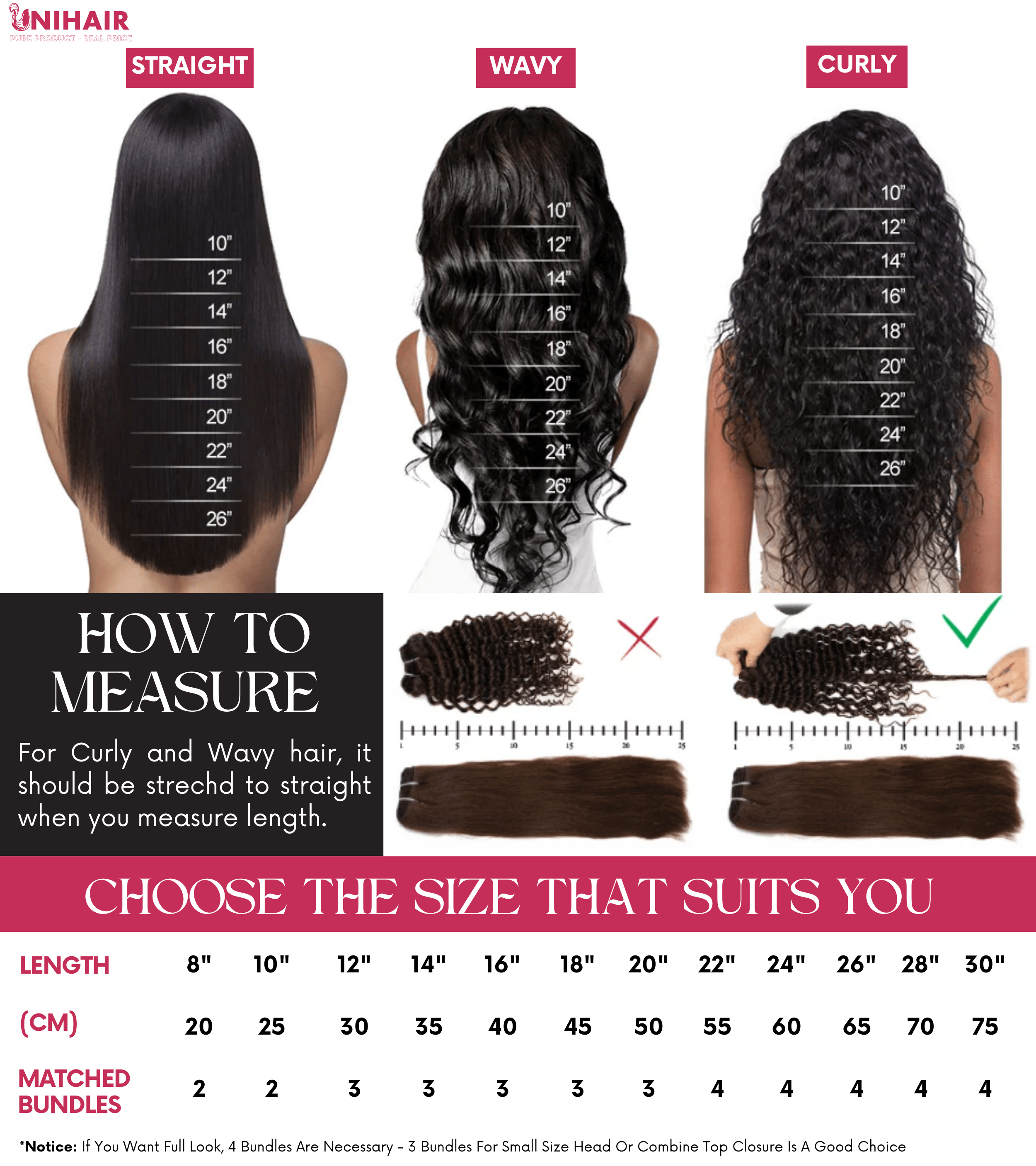
The wig length chart is your friend, providing a clear visual guide to help you choose the right wig length. It's a straightforward reference, offering a quick solution to ensure you get the perfect fit and style. While the values might vary slightly, the chart's purpose remains the same: to make your wig journey an easy and enjoyable one!
Wig Length Chart: Unlocking the Perfect Fit
Wig length charts are your secret weapon to finding the ideal wig. These charts provide a visual guide to help you understand and choose the right wig length based on your preferences and head shape. It's like having a personal stylist at your fingertips!
Key Details and Categories
The wig length chart typically displays different wig lengths, often categorized into short, medium, and long. These categories are further divided into sub-lengths, offering a more precise selection. You'll find measurements in inches or centimeters, depending on the standard used. For instance, a short wig might range from 8 to 14 inches, while a long wig could go beyond 20 inches.
Reading and Applying the Chart
Using the wig length chart is simple:
- Identify your preferred wig length. Are you aiming for a chic bob or a flowing, Rapunzel-inspired look?
- Check the chart for the corresponding category. Short, medium, or long?
- Within each category, find the specific length that matches your vision.
- If you're between sizes, consider your face shape and personal style. A little adjustment can make a big difference!
Variations and Differences
It's important to note that wig length charts may vary slightly across different manufacturers and standards. Some brands might offer more detailed sub-lengths, while others keep it simple. Additionally, the chart's categories and measurements can differ between human hair wigs and synthetic ones. Always double-check the specific chart for the wig you're interested in to ensure an accurate fit.
Common Mistakes to Avoid
A common pitfall is relying solely on the chart without considering your head size and shape. Remember, wig lengths are just one aspect; the overall fit is crucial. Another mistake is ignoring the hair density and style. Thicker hair might require a slightly larger wig cap for comfort. Always measure your head accurately and refer to a wig cap size chart for guidance.
Practical Tips for Accurate Results
To ensure the best fit, measure your head circumference at the widest point, usually just above the ears. This measurement will help you choose the right wig cap size. When trying on wigs, adjust the straps or combs for a comfortable, secure fit. If you're between sizes, consider going up a size for a more relaxed feel.
Double-Checking and Edge Cases
While the wig length chart is a valuable tool, it's not an exact science. Individual head shapes and preferences can vary greatly. If you're unsure, consult a professional stylist or wig expert. They can provide personalized advice and help you find the perfect wig length and style to complement your features.
In conclusion, the wig length chart is a fantastic resource for finding your ideal wig. By understanding the categories, reading the chart accurately, and considering your unique features, you'll be well on your way to a confident and comfortable wig experience. Happy wig hunting!
Well, there you have it! A handy wig length chart that will be your go-to resource for all things wig-related. Remember, while this chart provides a great starting point, it's always wise to double-check the specific requirements or standards relevant to your project or context.
Consider bookmarking this page for future reference; it's a simple yet effective tool that will save you time and effort. Happy wig adventures!