

Duxbury Tide Chart Editable Overview
Many pianists, especially beginners, often overlook the power of a simple piano scales chart. It's a common misconception that these charts are only for advanced players or music theorists. However, a piano scales chart is an incredibly useful tool for all levels!
This chart is your quick guide to understanding and mastering scales. It provides a visual representation of scale patterns, intervals, and fingerings, making it easier to navigate and play scales with confidence. While there may be variations in format or notation, the essence remains the same: a practical guide to exploring major and minor scales.
Piano Scales Chart: Your Visual Guide to Musical Mastery
The piano scales chart is a powerful tool for musicians, offering a visual representation of the building blocks of music. It's like a map that helps you navigate the world of scales, providing a quick reference for understanding and playing different scale patterns. This chart is your secret weapon to mastering the piano keyboard and creating beautiful melodies.
Understanding Scale Structure: The Basics
Before diving into the chart, let's grasp some fundamental concepts. A scale is a sequence of notes that forms the foundation of music. There are two main types: major and minor scales, each with its unique sound and mood. The chart typically displays these scales in a standardized format, showing the notes and their intervals. You'll find scale degree names, like "tonic" or "dominant," which are essential for understanding the structure.
Reading Scale Charts: A Step-by-Step Guide
Using the piano scales chart is straightforward. Here's a simple guide:
- Identify the scale you want to learn. Let's say it's the C major scale.
- Locate the C major scale on the chart. It will show the notes in sequence, often with fingerings to guide your playing.
- Follow the notes and fingerings, playing each one on your piano.
- Practice the scale until you can play it smoothly and confidently.
- Repeat this process for other scales, exploring the various patterns and sounds.
Common Scale Variations: Navigating Differences
While the piano scales chart provides a standard reference, scales can vary depending on the musical context. Different styles, such as jazz or classical, may use unique scale variations. Additionally, some scales have multiple forms, like the harmonic minor scale, which has a distinct sound compared to its natural minor counterpart. It's essential to explore these variations and understand their applications to become a versatile musician.
Mistakes to Avoid: Common Pitfalls
When working with the piano scales chart, it's crucial to avoid common mistakes. One pitfall is rushing through the learning process. Take your time to understand each scale and its characteristics. Another mistake is neglecting to practice the scales in context. Apply them to real songs or exercises to reinforce your understanding and muscle memory.
Practical Tips for Accurate Results
To get the most out of your piano scales chart, consider these practical tips:
- Start with the basic major and minor scales. These are the foundation for many other scales and musical concepts.
- Practice regularly, even if it's just a few minutes each day. Consistency is key to mastering scales.
- Explore different piano scale patterns and intervals to expand your musical vocabulary.
- Use the chart as a reference, but also try to internalize the scales by playing them from memory.
- Challenge yourself with more complex scales once you've mastered the basics.
Remember, the piano scales chart is a valuable tool, but it's just the beginning. Practice, experimentation, and a deep understanding of music theory will take your piano skills to new heights. Happy practicing!
Well, there you have it! A piano scales chart is a handy tool to keep close by, offering a quick and easy reference for your musical adventures. Remember, while this guide provides a solid foundation, exact values might shift slightly based on the source or standard you follow.
So, before you dive in, ensure you're using the right chart for your specific needs. And hey, why not bookmark this page for future musical missions? It's always good to have a reliable resource at your fingertips!
Related: Understanding the Jax Depth Chart
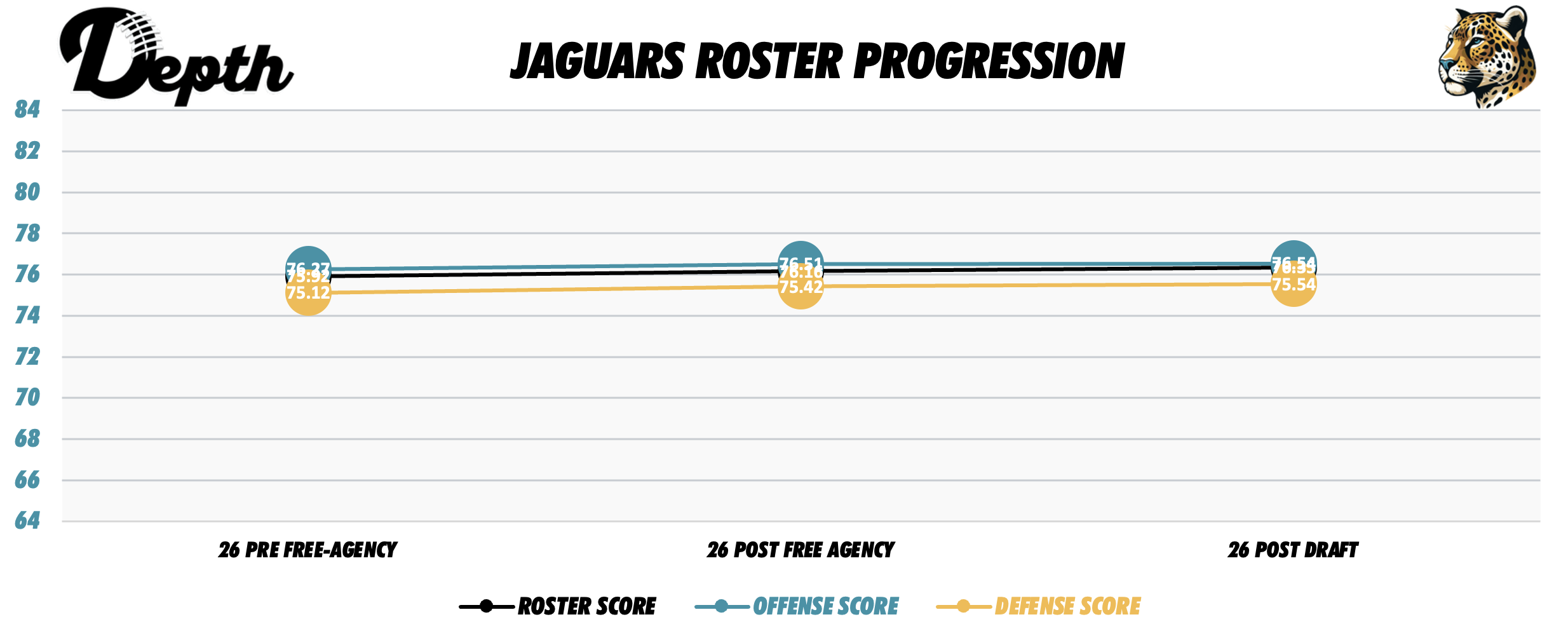
A jax depth chart is a valuable tool for any sports enthusiast or analyst, offering a clear snapshot of a team's player lineup and their positions. This guide will navigate you through the essentials, ensuring you can interpret and utilize the jax depth chart effectively. Whether you're a fan wanting to understand the team's strategy or a coach seeking insights, this reference will cover the basics, including the various formats and the key information it provides.
Understanding the Jax Depth Chart
The jax depth chart is a valuable tool for sports enthusiasts, particularly those following American football, to gain insights into a team's player lineup and strategy. It provides a visual representation of the team's roster, highlighting the depth and talent across different positions. This chart is an essential reference for fans, analysts, and even coaches to assess a team's strengths and weaknesses.
Key Details and Categories
The jax depth chart typically consists of several columns representing different player positions, such as quarterback, running back, wide receiver, and so on. Each position is further divided into categories like starters, backups, and reserves. The chart also includes player names, jersey numbers, and sometimes additional stats or notes. It is important to note that the chart's layout and categories may vary slightly depending on the team and the specific depth chart format used.
Reading the Depth Chart: A Step-by-Step Guide
To read and interpret a jax depth chart effectively, follow these steps:
- Start by identifying the position groups. These are usually grouped together and labeled clearly.
- Within each position group, locate the starters. They are often listed first or highlighted in some way.
- Next, find the backups and reserves. These players provide depth and can step in if needed.
- Pay attention to the order of players within each position. It can indicate the team's preferred depth and strategy.
- Look for any notes or additional information provided. These may include injury statuses, player roles, or recent performance indicators.
- Compare the depth chart with the team's recent game statistics to understand how the lineup has been utilized.
Variations and Differences Across Standards
While the core structure of a jax depth chart remains consistent, there can be variations based on different standards and contexts. Here are some key factors to consider:
- NFL Depth Charts: In the context of the National Football League (NFL), depth charts often follow a standardized format, with specific positions and categories. However, teams may customize their charts to highlight unique strategies.
- International Standards: Outside the NFL, depth charts may vary based on the league or country. For instance, some international leagues may have different position names or categories.
- Team-Specific Strategies: Each team might have its own depth chart nuances to reflect their playing style and coaching preferences.
Common Mistakes and How to Avoid Them
When interpreting a jax depth chart, it is crucial to avoid these common pitfalls:
- Misinterpreting Player Roles: Ensure you understand the difference between starters, backups, and reserves. Starters are the first-choice players, while backups provide depth and can fill in for injured or rested starters.
- Overlooking Position Flexibility: Some players may be listed at multiple positions, indicating their versatility. Don't assume a player is strictly limited to one role.
- Ignoring Recent Changes: Depth charts can evolve quickly, especially with injuries or trades. Always check the chart's date to ensure you have the most up-to-date information.
Practical Tips for Accurate Analysis
To get the most out of your jax depth chart analysis:
- Compare Multiple Sources: Cross-reference depth charts from different reliable sources to ensure accuracy and catch any discrepancies.
- Stay Informed: Keep up with injury reports, player news, and coaching updates to understand the context behind depth chart changes.
- Analyze Trends: Look for patterns or trends in player performance and usage over multiple games. This can provide insights into a team's long-term strategy.
Double-Checking and Handling Exceptions
While jax depth charts are valuable, it's important to remember that they are snapshots of a team's lineup at a specific time. Here are some situations to double-check or consider:
- Injury Updates: If a player is injured, their status may change rapidly. Always verify their availability and potential replacements.
- Game-Time Decisions: Coaches may make last-minute lineup changes based on game plans or opponent strategies. Stay tuned for any late-breaking news.
- Position Flexibility: Some players can fill multiple roles. Confirm their primary position and understand how their versatility fits into the team's strategy.
Well, there you have it! The Jax Depth Chart is a handy tool, and I hope this guide has given you a clear understanding of how to utilize it effectively. Remember, while the basics remain consistent, the exact details might shift slightly based on your specific context or the source you're referencing.
Feel free to bookmark this page for future reference, and don't hesitate to explore other guides on similar topics. It's always beneficial to have a reliable resource at your fingertips!
Related: What are Clone Hero charts all about?
Many newcomers to clone hero charts assume they are complex and intimidating, but in reality, they are a simple and effective tool for music gamers. These charts, often associated with games like Clone Hero and Guitar Hero, provide an easy-to-read visual representation of the song's notes and rhythms. While there may be variations in chart formats, the core principle remains the same: a clear path to follow, much like a note highway.
What Are Clone Hero Charts?
Clone Hero charts are a visual representation of a song's notes and their timing, designed to guide players through the gameplay of Clone Hero, a popular music rhythm game. These charts are essentially a roadmap for players to follow, indicating when and where to press the corresponding buttons to hit the notes accurately.
Understanding the Layout and Key Details
The chart displays a note stream, often referred to as the note highway or note track, which represents the flow of notes in a song. Each note is represented by a small circle or marker, and these notes are arranged in a specific pattern across the chart. The chart typically uses a grid-like structure, with the vertical axis indicating time and the horizontal axis representing the different lanes or frets. The notes are color-coded, with each color corresponding to a specific button or fret on the game's controller. Common colors include red, yellow, green, blue, and orange, each associated with a particular button. Additionally, the chart may include special notes, such as star power notes, indicated by unique symbols.
Reading the Note Stream and Playing the Song
To read and play a Clone Hero chart accurately, follow these steps:
- Start by familiarizing yourself with the layout and note colors. Ensure you know which color corresponds to which button or fret.
- Observe the note stream and identify the pattern. Notes are often grouped together in chords or sequences, so recognizing these patterns is crucial.
- As the song progresses, pay attention to the timing. The vertical axis indicates when each note should be played.
- Press the corresponding button or fret when the note marker reaches the designated lane. This action simulates strumming or fretting on a real guitar.
- For more advanced techniques, such as star power activation or specific finger placements, refer to the chart's symbols and follow the indicated actions.
Variations and Differences in Chart Standards
Clone Hero charts can vary depending on the song's genre, difficulty level, and the creator's style. Different chart makers may have unique approaches to note placement and timing, leading to variations in the chart's layout and complexity. Additionally, regional differences and game version updates can impact chart standards. Always check the chart's metadata or accompanying information to ensure you are using the correct version for your game setup.
Common Mistakes and How to Avoid Them
One of the most common mistakes is failing to recognize note patterns and timing accurately. Take time to study the chart and understand the song's rhythm. Another pitfall is neglecting to calibrate your game settings, which can cause timing issues. Ensure your game is properly calibrated to match your input device's response time. Additionally, some players may rush through the song, leading to missed notes. Maintain a steady pace and focus on precision.
Practical Tips for Accurate Chart Reading
To enhance your chart-reading skills and gameplay, consider these tips:
- Practice recognizing note patterns and chord progressions. This skill will improve your ability to anticipate and play notes accurately.
- Use practice modes or slower song speeds to familiarize yourself with the chart before attempting a full playthrough.
- Pay attention to your finger placement and strive for consistency. Proper finger placement can improve your accuracy and reduce fatigue.
- Take breaks and rest your hands to prevent strain, especially during longer play sessions.
Double-Checking and Handling Edge Cases
While Clone Hero charts provide a comprehensive guide, it's essential to double-check specific details, especially for complex songs or unique gameplay elements. Some charts may include custom symbols or notation, so refer to the chart's documentation or creator's notes for clarification. Additionally, if you encounter a chart with an unfamiliar layout or notation style, consider seeking guidance from the Clone Hero community or referencing other charts for comparison.
Well, there you have it! Clone hero charts are a handy tool, and now you know the ins and outs. Remember, the key is to understand the basics and then tailor them to your specific needs.
Before you go, just a quick reminder to always check the relevant standards and sources for your project. Exact values and terminology can vary, so it's best to double-check and ensure accuracy. Consider this guide a starting point, and feel free to bookmark it for future reference. Happy charting!