Dvc Points Chart Easy Overview
NHL depth charts are an essential tool for any hockey enthusiast or professional, offering a clear and concise visual representation of a team's lineup and player positions. This guide will navigate you through the world of NHL depth charts, covering their purpose, structure, and how to interpret them effectively. With these charts, you'll gain a deeper understanding of ice hockey formations and team strategies, whether you're a casual fan or a coach seeking an edge.
Understanding NHL Depth Charts: A Practical Guide
NHL depth charts are a crucial tool for ice hockey enthusiasts and analysts, offering a visual representation of a team's player lineup and strategy. These charts provide an insightful glimpse into the forward lines, defense pairings, and player positions that define a team's on-ice presence.
Comparing Chart Formats and Standards
NHL depth charts can vary in format and detail, but they typically follow a standard structure. The most common format presents a visual grid or table, with columns representing the different player positions and rows indicating the lines or pairings. Each cell displays the player's name and sometimes additional stats or roles.
Different leagues or regions may have slight variations in the categories or labels used, so it's essential to understand the specific standard being employed. For instance, the NHL roster might be divided into four forward lines and three defense pairings, while other leagues might opt for different configurations.
Reading and Interpreting NHL Depth Charts
To read an NHL depth chart accurately, follow these steps:
Identify the player positions: The chart should clearly label the positions, such as left wing, center, right wing, and defense.
Understand the lines and pairings: Pay attention to the rows or groups of players, indicating the forward lines or defense pairings. Each line or pairing works together as a unit on the ice.
Note the player names: The chart displays the names of the players in each position, often with their jersey numbers. This information helps identify the specific players and their roles.
Consider additional stats (optional): Some charts include extra columns for stats like goals, assists, or ice time. These can provide valuable insights into a player's performance and role within the team.
Common Misreadings and How to Avoid Them
One common pitfall is mistaking a player's position for their role within the lineup. For example, a center listed on the depth chart might not always play as the primary offensive threat; their role could be more defensive-minded, depending on the team's strategy.
To avoid such misreadings, consider the context and the team's overall strategy. Pay attention to any notes or explanations accompanying the depth chart, as they can provide valuable insights into the coach's intentions.
Factors Affecting Depth Chart Accuracy
Injury impact: Injuries can significantly influence a team's lineup, often leading to unexpected changes in the depth chart.
Opponent strategy: The depth chart may vary based on the opponent's playing style and strengths. A team might adjust their lineup to counter specific threats.
Player performance: Consistent underperformance or exceptional play by certain players can prompt coaches to shuffle the depth chart, ensuring the best players are utilized effectively.
Team tactics: Different coaches employ various strategies, which can lead to unique depth chart configurations. Some favor a more balanced approach, while others might load their top line with talent.
Adapting NHL Depth Charts for Specific Needs
While standard NHL depth charts offer a comprehensive overview, they might not suit every analysis or scenario. Here are some variations to consider:
Simplified charts: For a quick glance, a basic depth chart with just player names and positions can be sufficient.
Detailed charts: Analysts might prefer more intricate charts with additional stats, ice time, or special teams assignments.
Customized charts: Coaches and managers can create personalized depth charts, highlighting specific tactics or player roles relevant to their strategy.
Remember, the key is to choose a depth chart format that aligns with your specific needs and provides the most valuable insights for your analysis or decision-making process.
Depth charts are a valuable tool, offering a quick snapshot of the options and their unique strengths. Remember, the key is to find the format that suits your needs and context.
Take some time to review the specific requirements and consider any unique factors that might influence your choice. With a clear understanding, you can ensure the depth chart serves its purpose effectively.
Feel free to explore our other guides and resources; we have a range of practical topics to discover and learn from. Happy reading!
Related: What is the shades eq chart all about?
Many folks get overwhelmed when they first see a shades eq chart, thinking it's some complex, mysterious tool. But it's actually a simple, visual guide to hair color magic! This chart is your friend, offering a clear path to achieving those perfect hair tones.
It's a handy reference, whether you're a pro stylist or a color-curious individual. You'll find it covers various color mixing ratios and toning techniques, and while the specifics might vary slightly depending on your region or brand, the shades eq chart concept remains a reliable companion for your hair color adventures.
Understanding the Shades EQ Chart: A Simple Guide
The Shades EQ Chart is a valuable tool for hair professionals and enthusiasts, offering a visual guide to hair color mixing and toning. It simplifies the process of achieving desired hair shades and helps avoid common color mistakes.
Key Details and Categories
This chart typically features a grid-like structure, with rows and columns representing different hair color categories. The rows often indicate the base color or starting shade, while the columns represent the desired end result or tone. Each cell in the grid provides a specific mixing ratio or formula to achieve the target color.
How to Read and Apply the Chart
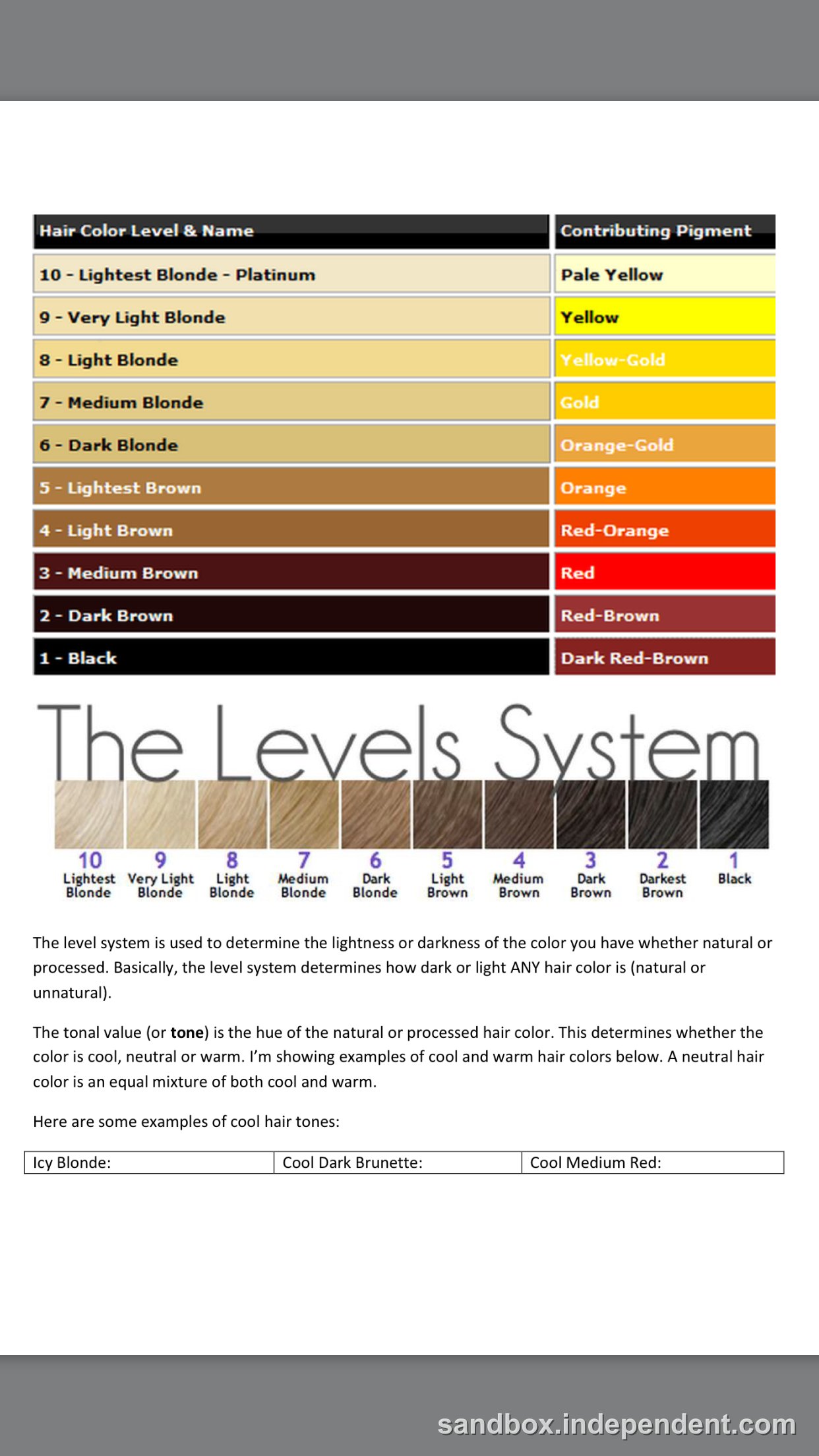
Reading the Shades EQ Chart is straightforward. Identify your client's current hair color on the chart, which serves as the base. Then, determine the desired new color or tone. The intersection of these two colors on the chart provides the recommended mixing ratio. For instance, if the base color is a level 6 and you aim for a warm brown tone, the chart will guide you to mix specific amounts of warm brown toner with the base color.
Variations and Differences
It's important to note that Shades EQ Chart variations exist, often due to different standards or manufacturer-specific formulas. These charts may use various color notations and mixing ratios, so always refer to the specific chart's guidelines. Additionally, hair porosity, previous color treatments, and natural hair texture can influence the final result, requiring adjustments to the standard ratios.
Common Mistakes and How to Avoid Them
A frequent error is overlooking the hair's condition and history. Always consider the client's hair health and previous color treatments. Another mistake is not following the recommended mixing ratios precisely. Accurate measurements are crucial for consistent results. Lastly, neglecting to perform a strand test before a full application can lead to unexpected outcomes.
Tips for Accurate Results
For precise color outcomes, ensure you're using the correct Shades EQ Chart for your product and standard. Always measure toners and developers accurately, and follow the recommended ratios. Conduct a strand test to preview the final result, especially with dramatic color changes. Additionally, be mindful of the hair's porosity and adjust the developer strength or processing time accordingly.
Double-Checking and Handling Exceptions
While the Shades EQ Chart is a valuable guide, it's essential to double-check the exact specifications for your product and client's hair. Some hair types may require customized formulas or additional steps. Always refer to the product manufacturer's guidelines and consider seeking professional advice for complex color corrections or unique hair conditions.
Remember, the Shades EQ Chart is a tool to simplify the hair coloring process, but it's not a one-size-fits-all solution. Adapt and customize the formulas based on individual hair needs for the best results.
Well, there you have it! A handy guide to navigating the shades eq chart with ease. Remember, these charts are a great reference, but it's always wise to double-check the specifics for your unique situation.
Consider bookmarking this page for future reference; it might just save you some time and effort the next time you need a quick reminder. Happy charting!
Related: Understand Nipple Size Chart: A Simple Guide
You're probably here because you need a quick answer, a simple guide to help you understand nipple size charts and their purpose. It's a common query, and these charts are more useful than you might think! They provide a straightforward way to measure and compare nipple sizes, often alongside other breast-related measurements. While the values may vary depending on the source, a nipple size chart can be a handy reference tool, especially when paired with a bra size guide or areola size chart.
Understanding the Nipple Size Chart
The nipple size chart is a handy reference tool that provides a standardized way to measure and categorize nipple sizes. It offers a simple and visual guide to help individuals understand their nipple dimensions and find the right products or solutions based on size. This chart is particularly useful for those seeking nipple piercings, nipple jewelry, or even nursing aids, as it ensures a comfortable and accurate fit.
Key Details and Categories
The nipple size chart typically displays nipple diameters, measured in millimeters (mm) or inches, depending on the standard being used. It categorizes nipples into size ranges, often with labels like "Small," "Medium," "Large," and so on. These categories provide a quick reference for individuals to identify their nipple size without the need for precise measurements.
Reading the Measurements: A Step-by-Step Guide
Start by locating the chart's measurement scale. This scale will typically run along one edge of the chart, indicating the nipple diameters in either mm or inches.
Next, identify the category labels. These labels, such as "Small," "Medium," or "Large," are usually positioned above or below the measurement scale, indicating the size range.
To determine your nipple size, measure the diameter of your nipple using a ruler or a specialized nipple gauge. Ensure you measure from the base of the nipple, where it meets the areola, to the tip.
Compare your measured diameter to the scale on the chart. Find the corresponding size category, and you've identified your nipple size!
Common Variations and Differences
It's important to note that nipple size charts may vary depending on the standard or region. For instance, a chart designed for the US market might use inches as the unit of measurement, while an international chart might use millimeters. Additionally, some charts may provide more detailed size categories, especially for specialized products like nipple jewelry, which require precise sizing.
Mistakes to Avoid
One common mistake is assuming that all nipple size charts are the same. Always check the units of measurement and the source of the chart to ensure it aligns with your needs. Another pitfall is relying solely on category labels without measuring your nipples. While categories provide a quick reference, precise measurements are essential for an accurate fit, especially for delicate items like piercings or jewelry.
Practical Tips for Accurate Results
When measuring your nipples, ensure you're in a relaxed state. Nipple size can vary slightly depending on factors like temperature and arousal, so it's best to measure when you're comfortable and at rest. If you're measuring for piercings or jewelry, consider consulting a professional piercer or a medical professional for guidance and to ensure you're using the correct techniques and tools.
Double-Checking and Edge Cases
While the nipple size chart provides a useful guide, it's not an exact science. Individual variations and unique anatomical features can sometimes fall outside standard size categories. In such cases, it's essential to consult a professional or the manufacturer's guidelines for specific products. They may provide additional sizing information or custom solutions to accommodate unique nipple sizes.
Hey there, we've covered a lot of ground on this topic, and I hope it's been helpful! Remember, when it comes to nipple size charts, the exact measurements can vary slightly depending on the source or standard you're using, so it's always good to double-check.
This guide aims to provide a straightforward reference, but every body is unique, and so are their measurements. So, if you ever need a quick reminder or want to explore other related topics, feel free to bookmark this page for future use. It's always handy to have these practical guides at your fingertips!