

Edison Charter Sf For Kids Overview
You've likely landed here with a specific goal: to find a clear, concise deer feeding chart that offers reliable information at a glance. This chart is your go-to resource, a simple yet powerful tool for understanding deer nutrition and feeding practices. It provides a quick reference, ensuring you can make informed decisions about deer diet and care. While the exact values and formats may vary, depending on factors like region and specific needs, the deer feeding chart serves as an essential guide, offering insights into deer nutrition and the seasonal changes in their diet.
Understanding the Deer Feeding Chart
The deer feeding chart is a valuable tool for anyone managing deer populations or interested in their nutrition. It provides a comprehensive overview of the dietary needs of deer, offering insights into their feeding habits and requirements. This chart is designed to simplify the process of understanding deer nutrition and ensuring their proper care.
Comparing Chart Formats and Standards
There are various formats and standards for deer feeding charts, often influenced by regional differences and specific use cases. These charts typically present information on the nutritional composition of deer diets, including the percentage of protein, fiber, and other essential nutrients. They may also provide guidelines on the recommended daily intake and the types of forage available during different seasons.
Step-by-Step Guide to Using the Chart
To utilize the deer feeding chart effectively, follow these steps:
Identify the age and weight of the deer you are caring for. This information is crucial as nutritional requirements vary based on these factors.
Locate the relevant section on the chart that corresponds to the deer's age and weight. The chart often has distinct categories for fawns, yearlings, and adult deer.
Read the nutritional values and guidelines provided for each category. Pay attention to the recommended daily intake and the types of forage suggested.
Adjust the feeding plan based on the chart's recommendations. Ensure a balanced diet by providing the right proportion of protein, fiber, and other nutrients.
Monitor the deer's health and behavior. If any issues arise, consult an expert or adjust the feeding plan accordingly.
Avoiding Common Misinterpretations
It's essential to note that deer feeding charts provide general guidelines, and individual deer may have unique needs. Here are some common misinterpretations to avoid:
Assuming that the chart covers all scenarios: Always consider the specific context and environment in which the deer are living. Factors like weather, habitat, and available forage may require adjustments to the feeding plan.
Neglecting individual variations: Each deer is unique, and their nutritional needs can vary. Keep a close eye on their health and behavior to ensure they are receiving adequate nutrition.
Overlooking seasonal changes: Deer's dietary requirements often change with the seasons. The chart should be used as a dynamic tool, adapting to the changing needs of deer throughout the year.
Factors Affecting Accuracy and Real-World Application
When using a deer feeding chart, keep in mind the following key factors that can influence its accuracy and practical application:
Forage availability: The type and amount of forage available in a deer's habitat can greatly impact their diet. Ensure you understand the local forage options and their nutritional value.
Weather conditions: Extreme weather events can affect the nutritional content of forage. Be prepared to adjust feeding plans during droughts, floods, or other weather-related challenges.
Deer diet composition: While the chart provides a guide, deer may have preferences for certain foods. Observe their feeding habits and adjust the diet accordingly.
Special considerations: Pregnant or nursing does, as well as injured or sick deer, may have unique nutritional needs. Consult experts for specialized feeding plans in such cases.
Remember, while the deer feeding chart is a valuable resource, it should be used flexibly and adapted to the specific needs of the deer in your care. Regular monitoring and expert advice can ensure the health and well-being of these magnificent animals.
Remember, every deer and its needs are unique, so while this chart provides a fantastic starting point, you may need to make small adjustments to find the perfect feeding routine for your furry friends. It's all about finding that sweet spot!
We've got a whole library of practical guides just like this one, covering various topics to help you navigate the wonderful world of wildlife care. So, feel free to explore and discover more tips and tricks to enhance your outdoor adventures and make the most of your time with nature's creatures. Happy reading and happy feeding!
Related: Bat Sizes Chart: A Clear Guide for Selection
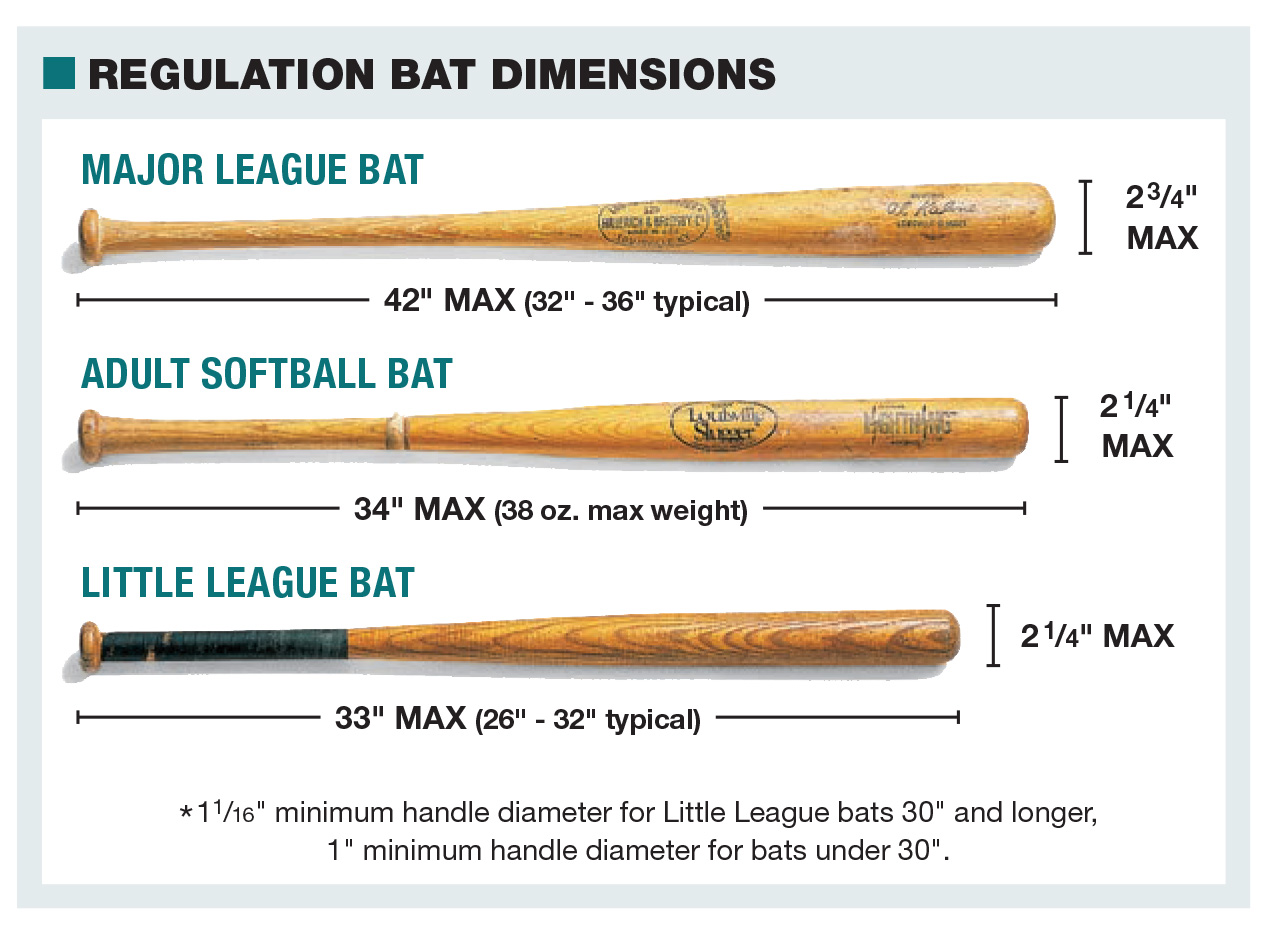
A bat sizes chart is a handy tool for anyone looking to find the perfect bat size, and it's a great starting point for your sporting equipment journey. This guide will cover the basics, showing you how to read and use these charts effectively, whether you're a baseball or softball enthusiast.
These charts provide a quick reference, offering standard bat measurements and sizes, which can vary depending on your sport and age group. It's an easy way to ensure you're on the right track when choosing equipment, and we'll explore the key factors to consider.
Understanding Bat Sizes Chart
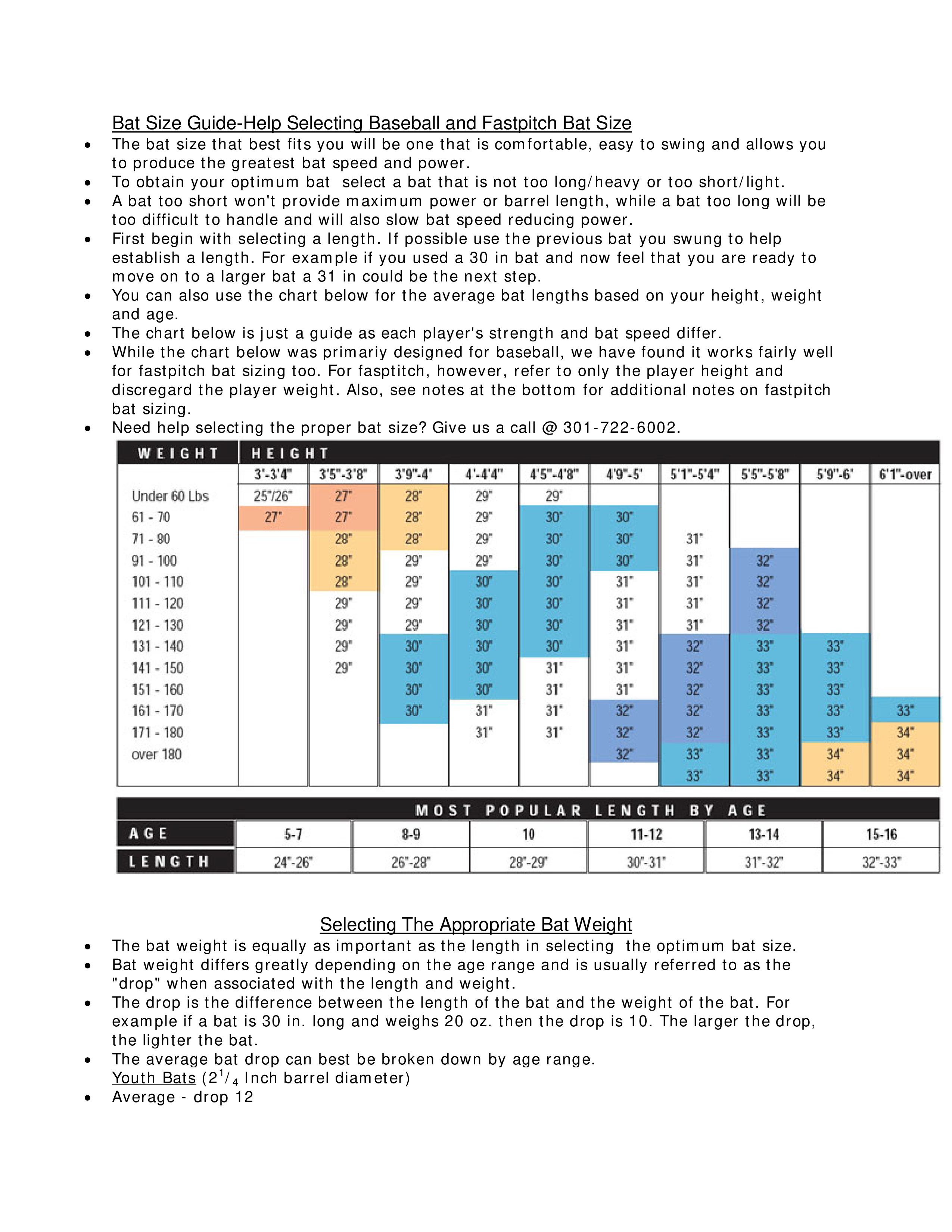
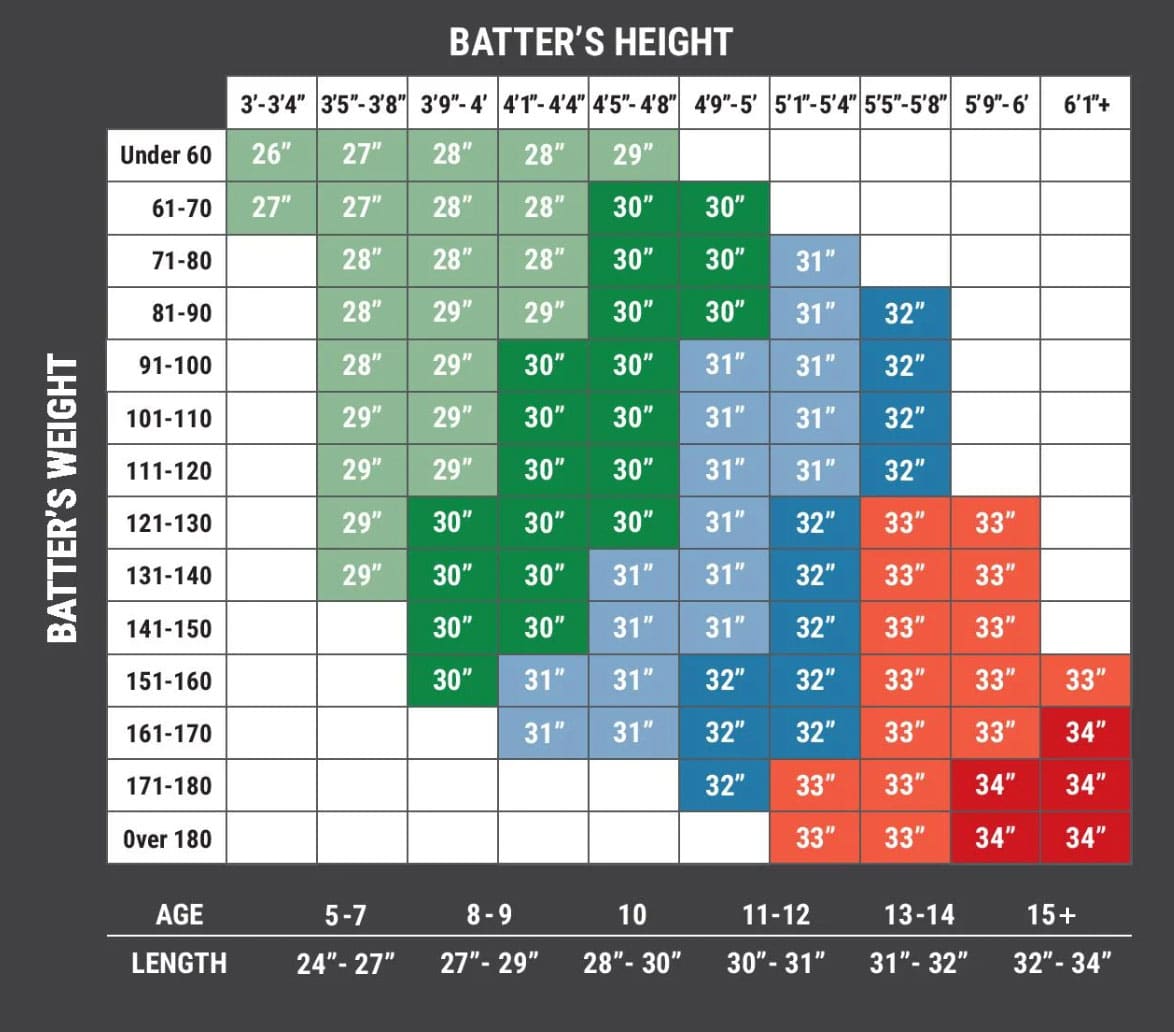
A bat sizes chart is a helpful tool for anyone looking to choose the right bat for their needs. It provides a visual guide to help you determine the ideal length and weight of a bat based on factors like age, height, and the sport you play. This chart is a great starting point, offering a quick reference to ensure you select a bat that suits your physical attributes and playing style.
Key Details and Categories
The bat sizes chart typically displays two main categories: length and weight. Length is usually measured in inches, with common sizes ranging from 24 to 34 inches. Weight is often shown in ounces, with a variety of options available. The chart may also include age and height recommendations to guide your selection. Remember, these charts are designed as a general guide, so it's important to consider individual preferences and playing experience.
How to Read and Apply the Chart
Using the bat sizes chart is straightforward. First, identify your age group or height range. Then, find the corresponding recommended length and weight ranges. For example, if you're an adult, the chart might suggest a longer and heavier bat, while youth players may need shorter and lighter options. It's essential to consider your comfort and swing speed when choosing. If you prefer a faster swing, a lighter bat might be best, even if the chart suggests a heavier one for your age.
Bat Size Variations and Differences
Bat sizes charts can vary depending on the sport and the standards used. For instance, baseball bat size charts and softball bat sizing guides may have different length and weight recommendations. Additionally, manufacturers might offer slightly different measurements or weight distributions. It's crucial to check the specific sport and brand guidelines to ensure you get the right bat for your needs. Regional variations also exist, with some countries using metric measurements, which can impact the chart's values.
Common Mistakes and How to Avoid Them
One common mistake is relying solely on the chart without considering personal preferences. Always try out a few bats to find the one that feels comfortable in your hands and allows for a smooth swing. Another pitfall is neglecting to check the latest standards and regulations, especially for competitive play. These can change over time, so it's essential to stay updated. Lastly, don't forget to measure your bat properly. Incorrect measurements can lead to an ill-fitting bat, affecting your performance. Always double-check your measurements against the chart's specifications.
Hey there, I hope this bat size chart has been helpful and easy to navigate. Remember, when it comes to choosing the right bat, it's all about finding the perfect fit for your game.
While this guide provides a solid foundation, it's always a good idea to double-check the specific requirements or regulations for your league or competition. Exact values can vary, so it's best to be prepared and ensure you're covered.
Feel free to explore more of our sports equipment guides and resources. We've got plenty of practical tips and insights to share, so stick around and discover more!
Related: Understanding Edison Charter SF: A Quick Guide
Many people often mistake Edison Charter SF for just another educational chart or table, but it's so much more than that. Edison Charter SF is a powerful tool, a comprehensive guide that offers a unique insight into the world of education, specifically within the San Francisco context. This reference is designed to provide a clear overview, helping users navigate and understand the performance and standards of schools, with a focus on the Edison Charter School and its rankings. While the values and metrics may vary, this chart offers a reliable starting point for anyone seeking to make informed educational choices.
Edison Charter SF: A Snapshot of Educational Excellence
Edison Charter SF offers a unique educational journey, and understanding its performance is key. This chart provides a concise overview, showcasing its strengths and areas of focus. Let's explore how to interpret this data effectively.
Comparing Key Metrics and Standards
The chart compares Edison Charter SF's performance against regional benchmarks and charter school averages. It covers a range of indicators, including student achievement, academic growth, and parent satisfaction. These metrics are essential for evaluating the school's overall effectiveness. When reading the chart, note that measurements may vary based on the specific standards and frameworks used.
Step-by-Step Guide: Interpreting the Data
To navigate this chart effectively, follow these steps:
Begin by identifying the key indicators. These are typically highlighted or labeled clearly.
Compare the values against the regional benchmarks. A quick glance will show how Edison Charter SF performs relative to other schools in the area.
Look for trends. Are there consistent strengths or areas for improvement? This provides insights into the school's focus and strategies.
Consider the context. Understand the unique aspects of Edison Charter SF's curriculum and mission to interpret the data accurately.
Use the chart as a starting point. It offers a snapshot, but for detailed insights, refer to the school's official reports and student achievement data.
Avoiding Common Misinterpretations
While the chart is a valuable tool, it's essential to be aware of potential pitfalls:
Avoid over-simplifying. Each indicator has its nuances, and a holistic view is crucial.
Be mindful of variations. SF education standards and assessment methods can change, impacting the data. Stay updated on any shifts.
Understand the limitations. The chart provides a broad overview; for specific details, consult the school directly.
Key Factors Influencing Accuracy
Several factors influence the accuracy and real-world application of this chart:
Charter school performance metrics can vary based on the student population and curriculum. Consider the school's unique context.
Regional benchmarks may not always align with national or international standards. Be aware of these differences when comparing.
Data collection methods and assessment tools can impact results. Ensure you understand the methodologies used.
Finally, stay informed about any recent developments or initiatives that may influence Edison Charter SF's performance.
Remember, while this guide provides a solid framework, every situation is unique. Exact details may differ slightly, so it's always good to double-check and adapt to your specific needs.
Consider bookmarking this page for future reference; it's a handy tool to have at your fingertips when you need a quick reminder. You'll find many more practical guides like this one, so feel free to explore and discover the ones that resonate with you!