

Edit Invoice Template Xero Overview
A common misconception about depth charts NFL is that they are merely a list of players; however, these charts are so much more than that. They provide a strategic overview, offering a unique insight into a team's tactics and player hierarchy. Depth charts NFL serve as a concise reference, allowing fans and analysts to quickly grasp a team's depth and potential, especially in specific positions.
Understanding Depth Charts: An Overview
A depth chart in the NFL is a valuable tool that provides an organized, visual representation of a team's roster. It offers a snapshot of the players' positions and their hierarchy within the team, giving coaches, players, and fans a clear understanding of the team's structure. This chart is an essential reference for strategizing and making informed decisions.
Comparing Depth Chart Formats and Standards
The depth chart follows a standardized format, typically arranged by position groups. Each position group is further organized with the starters at the top, followed by backups, and sometimes even further depth players. The chart may also include injury status indicators or notes about player availability. The NFL depth chart is a consistent tool, ensuring a clear and comparable view of team rosters across the league.
Reading a Depth Chart: A Step-by-Step Guide
To read a depth chart, start by identifying the position groups. These are usually labeled clearly, such as "Offensive Line," "Running Backs," or "Defensive Backs." Within each group, the players are listed in a hierarchical order. The starters, or the first-choice players, are at the top, followed by the backups, who are often listed in the order of their experience or skill level. Pay attention to any notes or symbols indicating injuries or special circumstances. These can provide valuable insights into a player's availability and the team's strategy.
Common Misreadings and How to Avoid Them
One common mistake is assuming that the depth chart is a strict hierarchy, where the second player listed is always the direct backup. While this is often the case, it's important to note that coaches may have specific strategies and plans. For instance, a team might have a veteran player listed as a backup, but they could be used in a rotational role or for specific packages. Additionally, injury situations can lead to unexpected changes, so always consider the latest updates and news to ensure an accurate interpretation.
Key Factors Affecting Depth Chart Accuracy
- Injury Status: Player injuries can significantly impact the depth chart. When a starter is injured, the backup steps up, and this can cause a ripple effect, moving players further down the depth chart into starting roles.
- Player Performance: The depth chart is a living document, and player performance can cause fluctuations. A player's impressive performance may see them rise up the chart, while a struggling player might find themselves demoted.
- Team Strategy: Coaches may have long-term plans and strategies, which can influence the depth chart. For instance, a team might want to develop a young player, so they might be listed higher on the chart to ensure they get more playing time.
Adapting Depth Charts for Specific Needs
While the standard depth chart format is consistent, teams and analysts may adapt it for their specific needs. Some teams might create more detailed charts, including additional notes on player strengths, weaknesses, or specific roles. Analysts might create depth charts that focus on specific scenarios, such as a "Red Zone" depth chart, which highlights the players most likely to be used in short-yardage situations. These adaptations ensure that the depth chart remains a versatile and valuable tool for various users.
Depth charts are a handy tool, offering a quick reference and a clear overview. It's important to remember that while they provide a valuable snapshot, they are just one part of the puzzle.
As you've seen, there are various factors and considerations to keep in mind when working with depth charts. Always ensure you're using the right format and data for your specific needs. Double-check the sources and standards you're referencing to ensure accuracy and relevance.
Feel free to explore our other guides and resources for more insights and practical tips. We've got a range of topics covered, so you can find the information you need to stay informed and make the most of your reference tools.
Related: Understanding UNC Depth Chart Basics
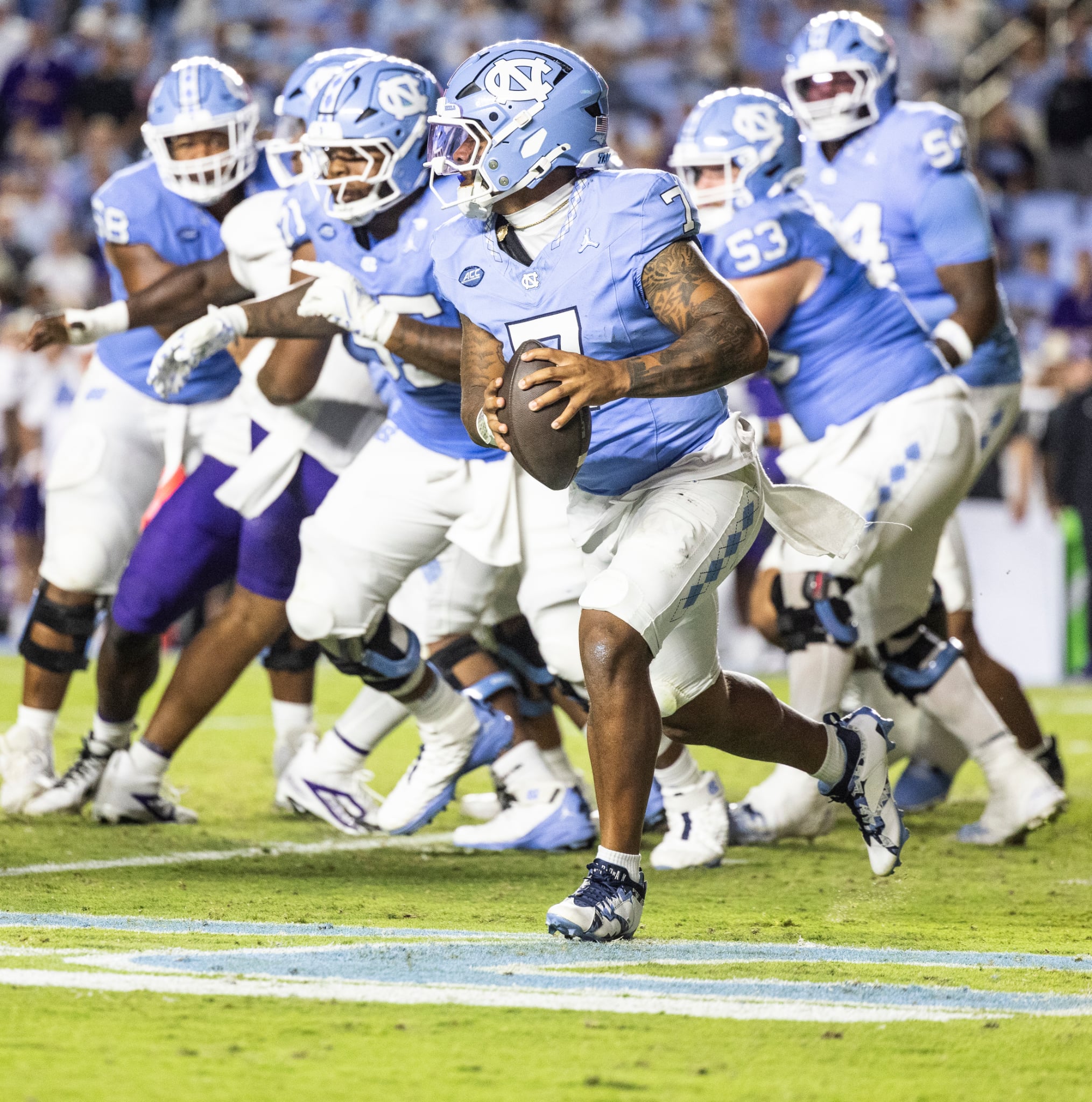
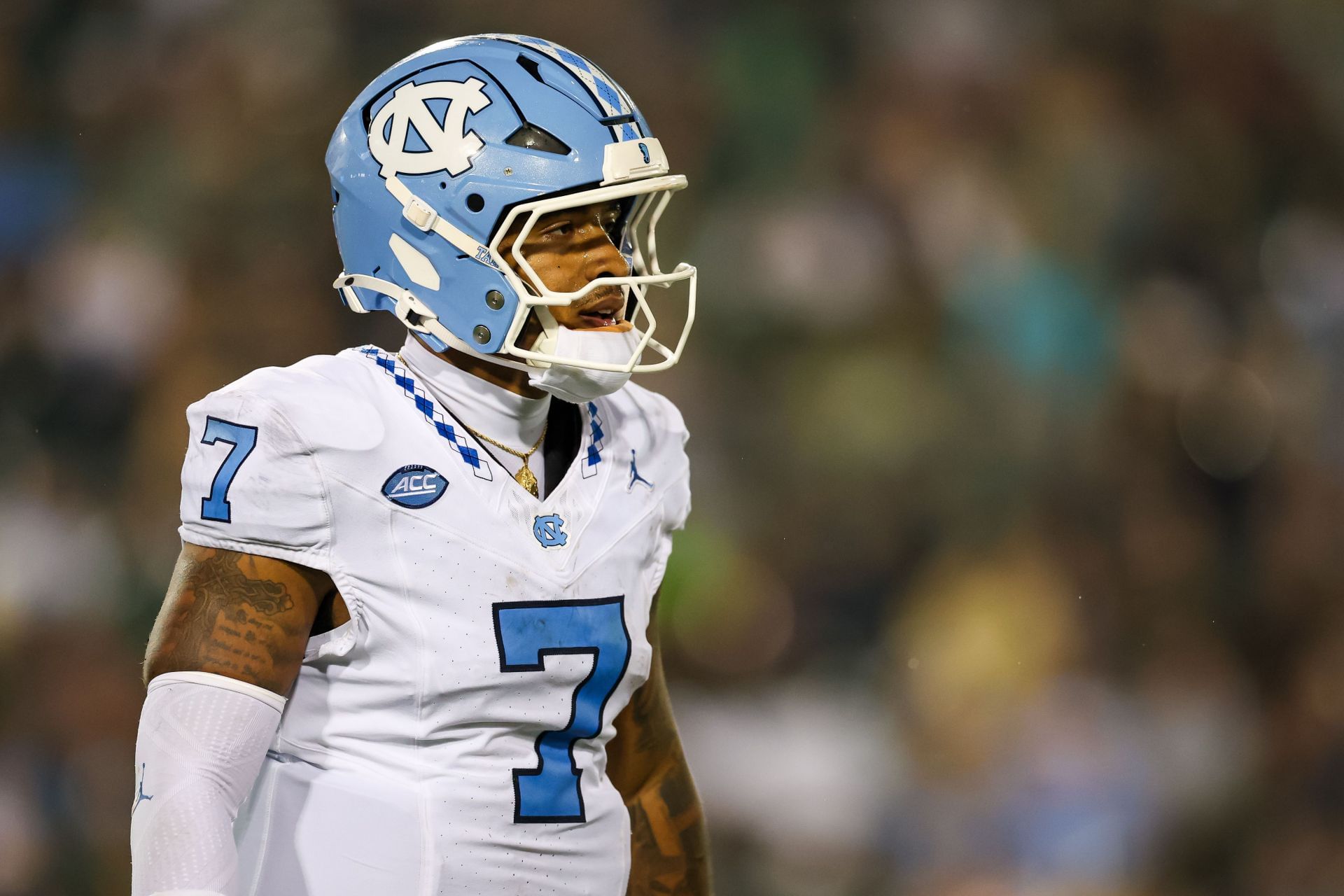
A common misconception about unc depth charts is that they are complex and intimidating, but in reality, they are a straightforward tool to understand. These charts provide a clear visual representation of a team's lineup and player positions, offering a quick reference for fans and analysts alike. While the format and specific details may vary slightly, the unc depth chart serves as an essential guide, especially for North Carolina basketball enthusiasts, to grasp the team's strategy and player dynamics.
Understanding UNC Depth Chart: A Practical Guide
The UNC depth chart is an essential tool for fans, analysts, and coaches to visualize and understand the player lineup and strategies of the University of North Carolina's basketball team. It provides a clear representation of the team's roster, highlighting the roles and positions of each player. This guide will walk you through the key aspects of the depth chart, ensuring you can interpret and utilize it effectively.
Key Details and Categories
The UNC depth chart typically features a table or diagram format, displaying the team's player positions and their respective roles. Common position abbreviations, such as PG (Point Guard), SG (Shooting Guard), PF (Power Forward), and C (Center), are used to identify the players' roles. The chart also includes the players' names, numbers, and sometimes their heights and other relevant stats. Understanding these categories is crucial for a comprehensive analysis.
Reading the Lineup: A Step-by-Step Guide
- Start by familiarizing yourself with the position abbreviations. These abbreviations are standard across NCAA basketball and will help you quickly identify the players' roles.
- Look for the "Starting Five" section, which showcases the players who are expected to start the game. This is often highlighted or listed first on the depth chart.
- Beneath the starting lineup, you'll find the bench players, arranged in a hierarchical order. These players are typically listed based on their experience, skill level, or the coach's preference.
- Pay attention to the depth of each position. A well-balanced depth chart will have multiple players capable of filling in for starters, ensuring the team has options for substitutions and strategies.
- Note any special notes or comments provided by the coach or analysts. These insights can offer additional context, such as injury updates or specific player strengths.
- When analyzing the depth chart, consider the team's overall strategy. Does the lineup favor a fast-paced, offensive-oriented approach, or is it more defensive-minded? Understanding the team's philosophy can enhance your interpretation.
Variations and Differences
It's important to note that UNC depth charts may vary slightly depending on the source and the specific game or season. Coaches may make adjustments based on opponent strategies, player performance, or injury concerns. Additionally, depth charts can evolve throughout the season as players develop and new recruits join the team. It's essential to refer to the most recent and official depth charts to ensure accuracy.
Common Mistakes and How to Avoid Them
One common mistake is relying solely on the depth chart without considering the dynamic nature of basketball. Players may excel in unexpected ways, and injuries or foul trouble can quickly change the lineup. Always keep an eye on the game's flow and be prepared for substitutions or strategic adjustments. Another pitfall is overanalyzing individual player stats without considering their role within the team's overall strategy. Remember, basketball is a team sport, and the depth chart should be viewed as a collective representation.
Practical Tips for Accurate Analysis
When analyzing the UNC depth chart, consider the following best practices:
- Compare the depth chart with the actual game lineup to identify any last-minute changes or surprises.
- Pay attention to the bench players' minutes and performance. A deep bench can be a valuable asset, especially during long tournaments or when facing tough opponents.
- Stay updated with injury reports and player availability. This information can significantly impact the depth chart's accuracy and your predictions.
- Utilize additional resources, such as player interviews, coach insights, and expert analyses, to gain a more comprehensive understanding of the team's strategies and player roles.
By following these guidelines, you'll be able to navigate and interpret the UNC depth chart with confidence, gaining valuable insights into the Tar Heels' lineup and strategies. Remember, basketball is a dynamic sport, and the depth chart is just one tool in your analytical arsenal.
Hey there, reader! I hope this guide has given you a clear understanding of the UNC depth chart and its practical applications. Remember, while the basics remain consistent, exact details might differ slightly based on your specific context or the standards you follow.
Feel free to explore other guides on our platform to deepen your knowledge. We've got a range of topics covered, so you can continue your learning journey at your own pace. Happy reading and stay organized!
Related: A Comprehensive Flute Trill Chart Guide
You've got your flute, you're ready to play, and you need a quick reminder on those trills. The flute trill chart is your go-to resource, a handy guide that simplifies those intricate finger movements. It's a visual tool, offering a clear and concise way to master those rapid, decorative notes. Whether you're a beginner or a seasoned player, this chart is a valuable reference, ensuring you can tackle any trill with confidence.
Understanding the Flute Trill Chart: A Quick Overview
The flute trill chart is an essential tool for flute players, offering a visual guide to mastering those rapid, vibrant trills. It's like a map, showing you the path to create beautiful, seamless trills with ease. This chart is your friend, making complex trill techniques more accessible and fun to learn.
Comparing Common Trill Patterns and Fingerings
When it comes to trills, there are various patterns and fingerings to explore. The chart typically presents a range of options, allowing you to see the differences and choose the most suitable approach for your playing style. It's like a reference library, offering a clear comparison of standard trill fingerings and patterns.
Step-by-Step Guide: Using the Flute Trill Chart
Using the flute trill chart is straightforward:
Identify the starting note: Locate the note you want to trill on the chart. This is usually indicated by a specific fingering or note name.
Find the target note: Look for the adjacent note(s) that form the trill. These are often shown as a series of connected dots or lines, indicating the finger movement.
Practice the finger movement: Focus on the finger pattern shown on the chart. Practice moving your fingers smoothly and quickly between the starting and target notes.
Master the embouchure: While finger movement is crucial, don't forget the role of your embouchure (lip and mouth position). Adjust your embouchure to create a clear, vibrant sound throughout the trill.
Combine finger and embouchure techniques: It's all about coordination! Practice blending the finger movement with the embouchure adjustments to produce a seamless, musical trill.
Common Misreadings and How to Avoid Them
One common pitfall is assuming that the chart provides a one-size-fits-all solution. Remember, the flute trill chart offers a general guide, but your specific flute and playing style may require slight adjustments. Always double-check the exact fingerings and notes for your instrument, especially if you're using a different flute type or size. Additionally, pay attention to the context of the music you're playing. The chart may suggest multiple options, and choosing the right one depends on the musical context and your artistic interpretation.
Factors Affecting Accuracy and Real-World Use
Several factors can influence the accuracy and effectiveness of your trills:
Flute type and size: Different flutes, such as concert flutes or piccolos, may require slight adjustments to the fingerings or embouchure.
Musical context: The style and genre of the music you're playing can impact the choice of trill technique. For example, a fast-paced jazz piece may call for a different approach compared to a classical ballet.
Personal playing style: Every flutist is unique! Your finger placement, hand shape, and embouchure may vary slightly, so it's essential to adapt the chart's suggestions to your individual playing style.
Practice and consistency: Like any skill, mastering trills takes time and practice. Consistent practice, focusing on both finger technique and embouchure control, will lead to more accurate and expressive trills.
Remember, the flute trill chart is a valuable tool, but it's just one part of your flute-playing journey. With patience, practice, and a bit of creativity, you'll be trilling like a pro in no time!
Hey there, fellow flutists! We've covered a lot of ground with this chart, and I hope it's given you a clear path to navigate the world of trills. Remember, while the basics remain consistent, the specifics might vary slightly depending on your reference or the style you're aiming for.
Feel free to explore our other guides; we've got plenty of resources to help you master the flute and its many techniques. Happy practicing, and keep those fingers moving!