



Electric Guitar Drawing Easy Overview
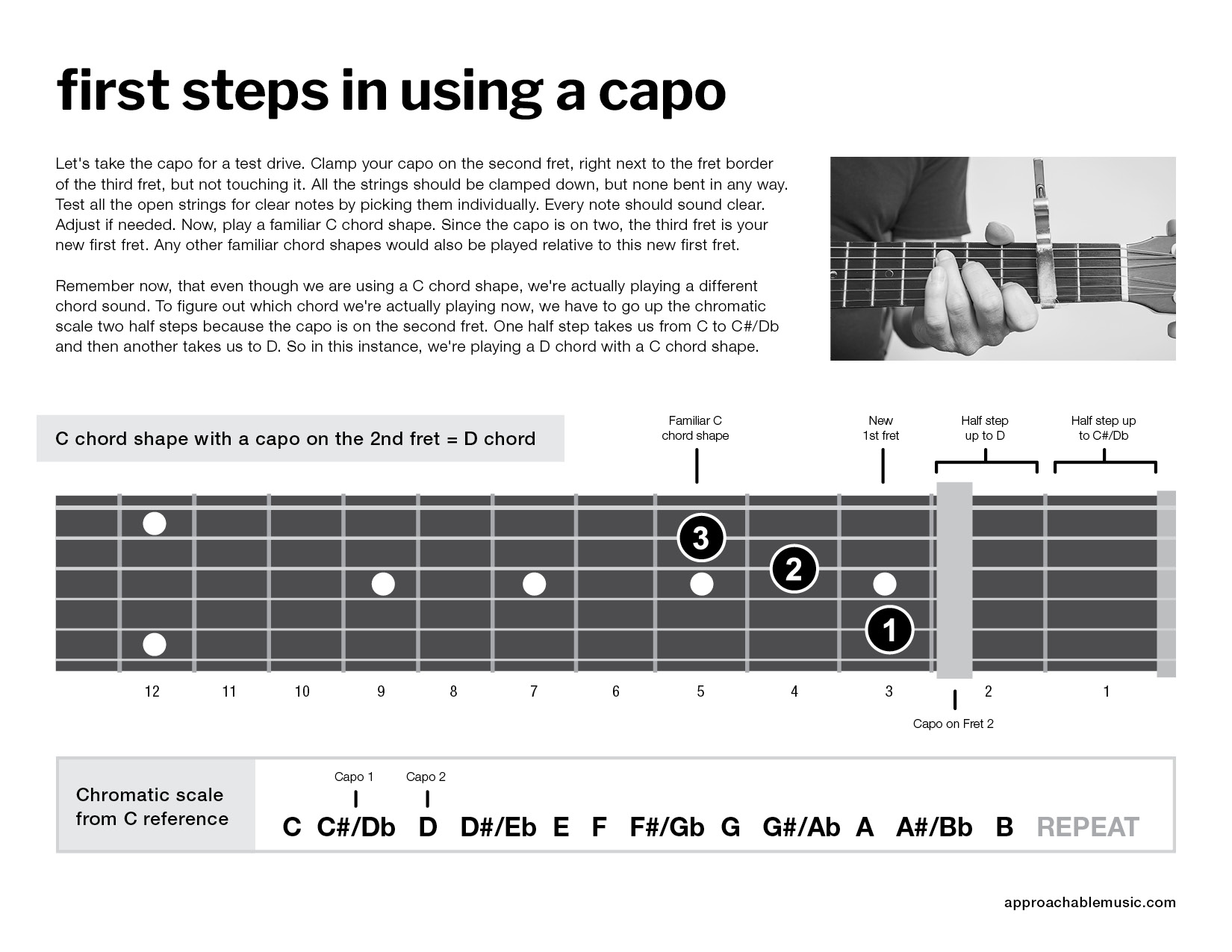
Many guitarists, especially beginners, may mistakenly assume that a guitar capo chart is a complex and daunting tool, but it's actually a simple and incredibly useful reference. This chart, often a straightforward table or diagram, is your guide to understanding guitar capo placement and its impact on your playing. It's a handy resource to have, offering a quick way to visualize and navigate the different capo positions and their corresponding effects.
Understanding the Guitar Capo Chart
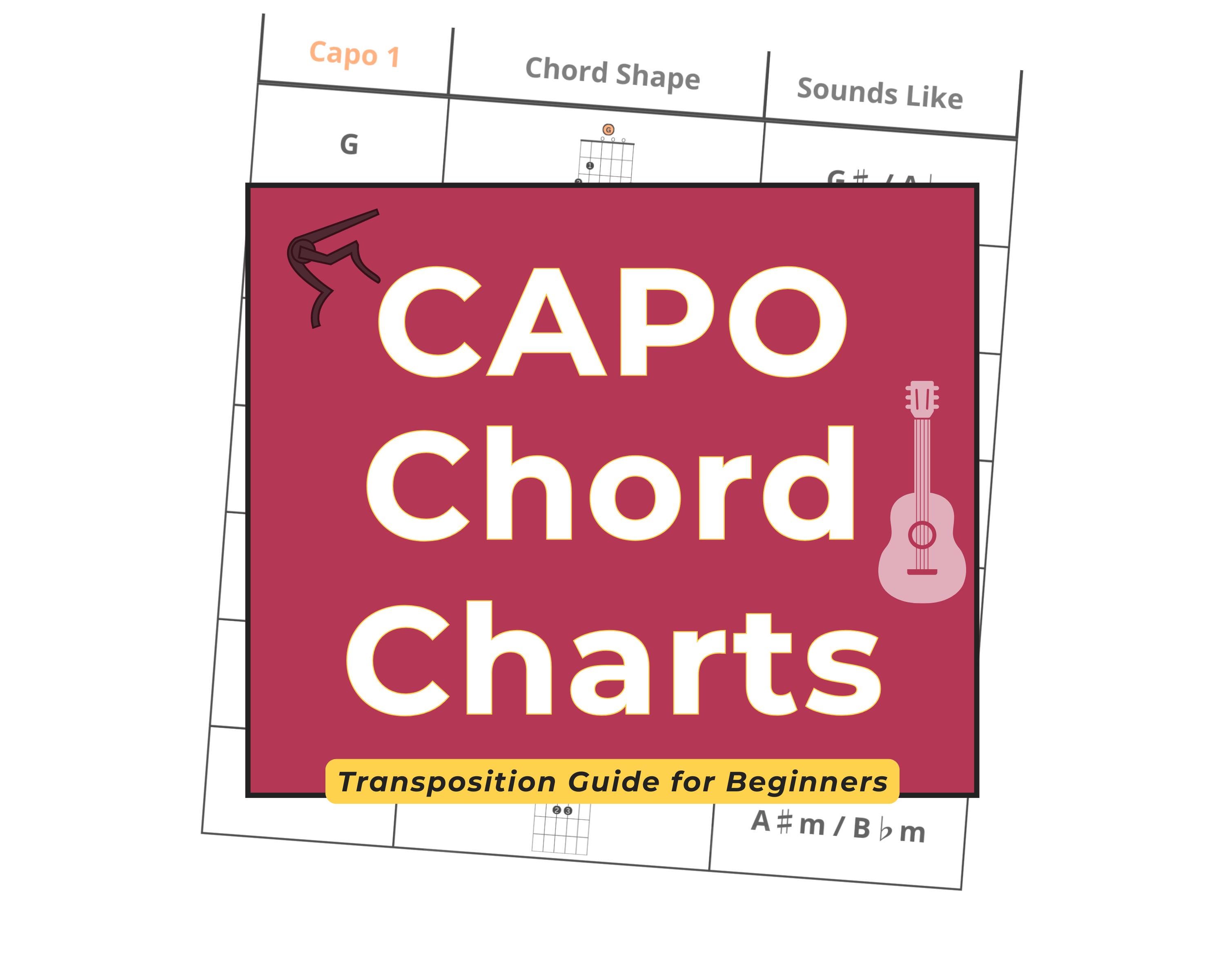
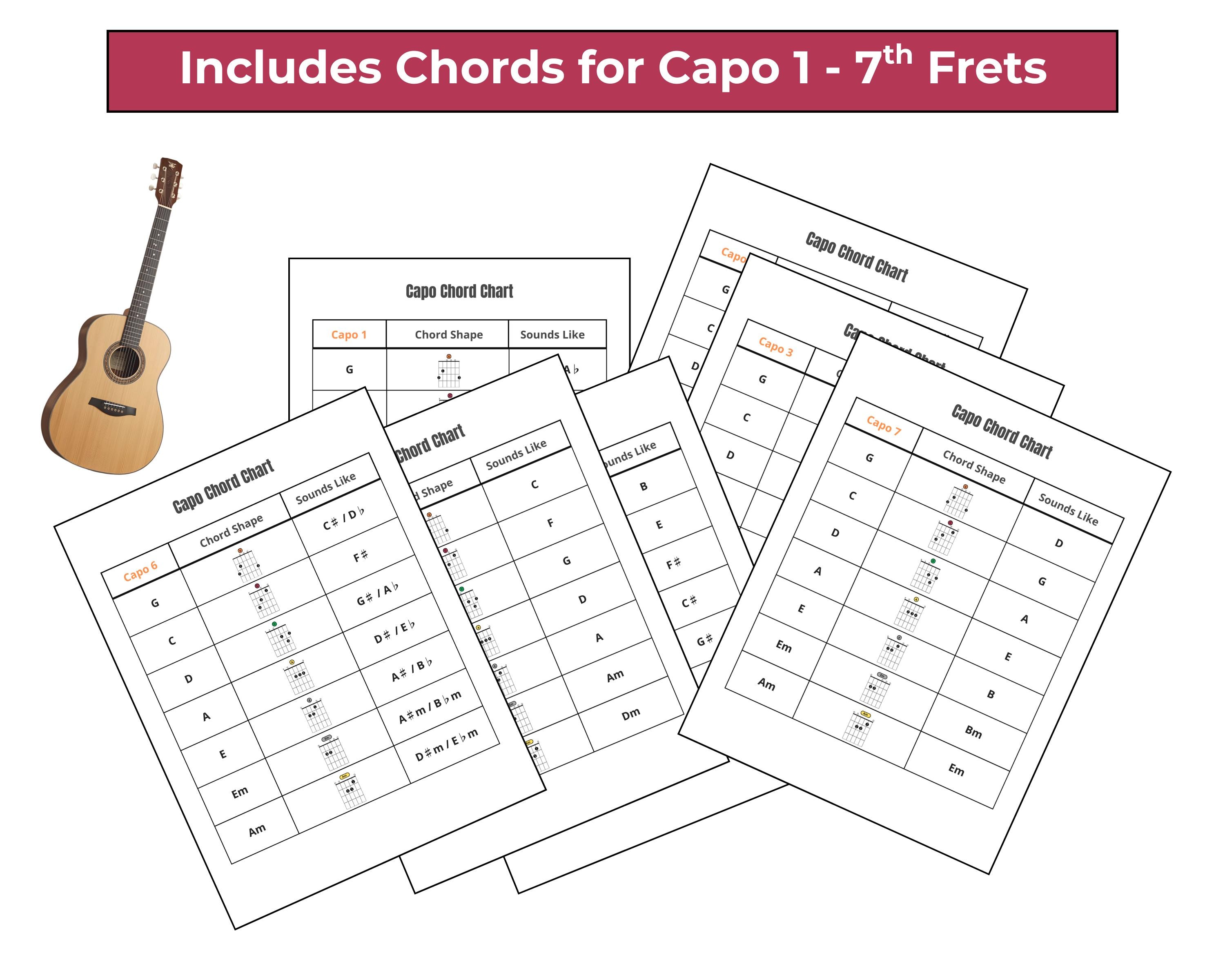
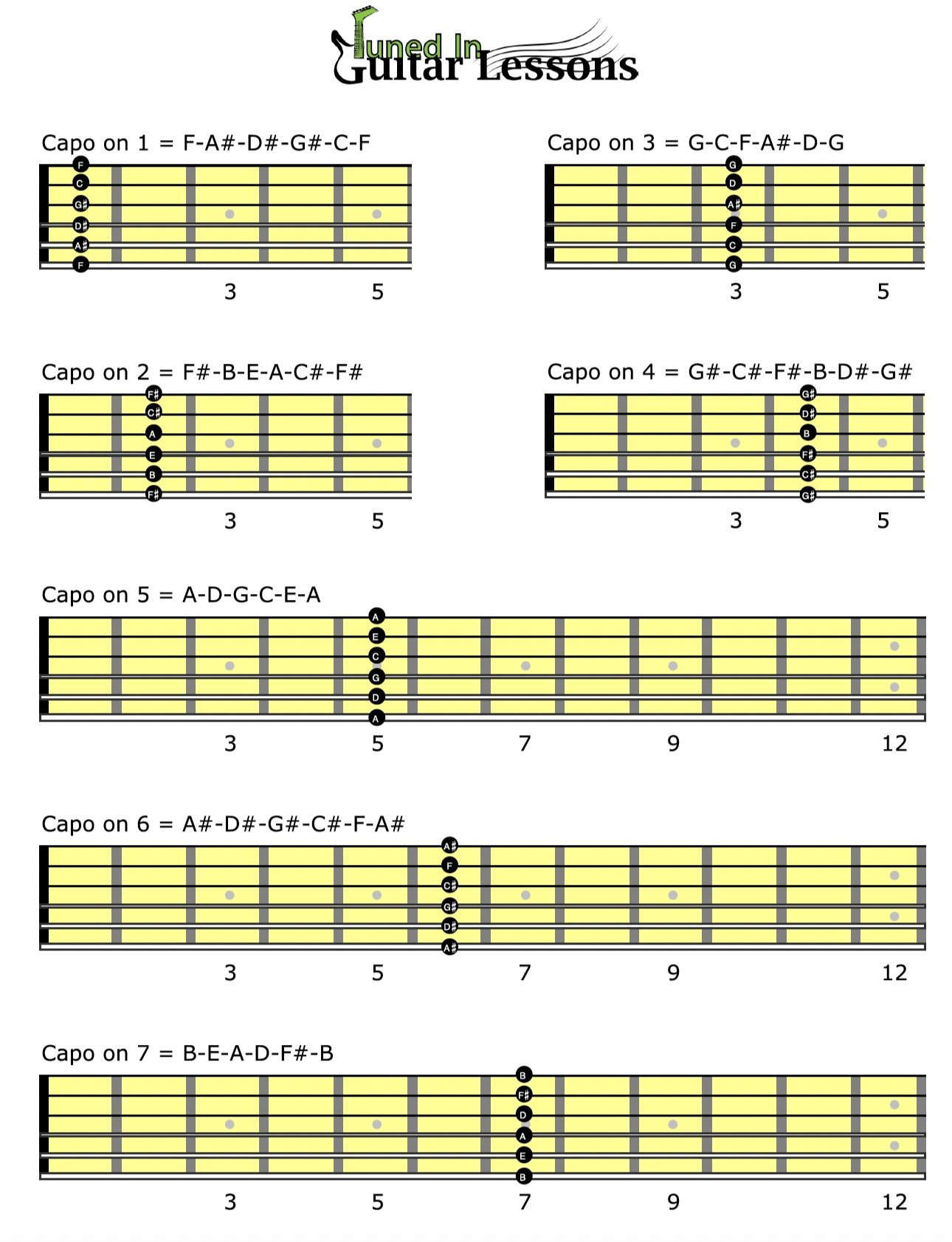
A guitar capo chart is a valuable tool for guitarists, offering a visual representation of how a capo affects the pitch and key of a guitar. It provides a quick reference guide to help musicians understand the relationship between capo placement and the resulting musical changes. This chart is particularly useful for those exploring different keys and tunings or experimenting with song arrangements.
Capo Types and Standards
There are various capo types, each designed for specific guitar models and playing styles. Standard capo sizes and designs cater to the most common guitar neck profiles, while specialized capos offer unique features like quick-release mechanisms or adjustable tension. The capo fret chart typically displays these different capo positions, showing how they raise the pitch and change the key.
Using the Capo Chart: A Step-by-Step Guide
To utilize the guitar capo fretboard chart effectively, follow these steps:
Identify the desired key change. Let's say you want to play a song in the key of G but find the chords too challenging.
Refer to the chart and locate the current key (e.g., C) and the desired key (G) on the key scale.
Find the corresponding fret number where the capo should be placed. In this case, placing the capo at the 2nd fret will transpose the guitar to the key of G.
Position the capo at the indicated fret, ensuring a snug fit to maintain the guitar's intonation.
Experiment with the new key and adjust your playing style as needed.
Avoiding Common Misunderstandings
While the guitar capo guide is straightforward, some misunderstandings can arise:
Capo Fretboard Position: Ensure the capo is placed at the correct fret. Misreading the chart can lead to an incorrect key change.
Key Transposition: Remember that the capo does not change the notes themselves; it simply alters the guitar's open strings, effectively transposing the entire instrument.
Guitar Model: Different guitar models may have variations in neck width and fret spacing, so double-check your guitar's specifications to ensure accurate capo placement.
Factors Affecting Accuracy
Several key factors can influence the accuracy of the guitar capo placement:
Guitar Type: Acoustic, electric, and classical guitars may have slight variations in neck shape and fret spacing.
Capo Design: Different capo types offer varying degrees of precision and ease of use.
Guitar Neck: The condition and setup of the guitar neck, including action and intonation, can affect the capo's performance.
String Gauge: Thicker strings may require a tighter capo grip, while lighter strings may need a looser fit.
Playing Style: The capo's position can impact playing comfort and technique, especially for complex chord shapes or fast strumming.
Adapting the Capo Chart for Specific Needs
While the guitar capo key chart provides a standard reference, guitarists may need to adapt it for specific situations:
Custom Tunings: If you use alternative tunings, you may need to create a customized capo chart or adjust the existing one to reflect the new tuning's key relationships.
Non-Standard Guitars: Guitars with unique neck shapes or wide fretboards may require a modified capo chart or a specialized capo design.
Playing Style Preferences: Some guitarists prefer a specific capo placement for certain songs or playing techniques, even if it differs from the standard chart.
Remember, when it comes to guitar capo charts, the specifics might differ slightly based on your unique circumstances. Every guitarist has their own preferences and playing style, so adapt these charts to suit your needs.
Feel free to explore our other guides and resources for more insights and tips. We've got a range of topics covered, so you can continue your musical exploration and find the information that resonates with you. Happy strumming!
Related: Learn Guitar Scale Charts: A Quick Guide
A guitar scale chart can be a guitarist's best friend, but it's often misunderstood as a complex and daunting tool. Rest assured, it's a simple and powerful reference, offering a clear visual guide to navigating the fretboard. This chart, with its various representations, is an essential companion for any guitarist, providing an organized layout of scale patterns, fretboard diagrams, and scale degree names.
Understanding the Guitar Scale Chart
A guitar scale chart is an essential tool for any guitarist, providing a visual representation of the fretboard and the various scales you can play. It serves as a quick reference guide, offering a bird's-eye view of the guitar neck and its scales. This chart is your roadmap, helping you navigate the guitar's vast landscape of sounds and tones.
Comparing Scale Chart Formats
There are several formats for guitar scale charts, each with its own advantages and use cases. The most common format is the standard fretboard diagram, which displays the guitar neck horizontally, with frets running vertically and strings represented as parallel lines. This format is intuitive and easy to follow, especially for beginners. Another popular format is the scale degree chart, which focuses on the theoretical aspect, showing the scale degrees and their corresponding notes. This chart is ideal for those delving deeper into music theory.
Step-by-Step Guide: Using the Scale Chart
To make the most of your guitar scale chart, follow these steps:
Identify the scale you want to play. The chart will typically feature common scales like major, minor, and pentatonic scales, each with its own section.
Locate the starting point on the fretboard. The chart will indicate the root note of the scale, often highlighted or marked with a symbol.
Follow the pattern: Each scale has a unique pattern of whole and half steps. The chart will show these intervals, guiding you to the correct notes.
Practice: Use the chart as a reference while playing. With time, you'll memorize the patterns, making it easier to play scales without constant reference.
Common Misreadings and How to Avoid Them
It's easy to misinterpret a guitar scale chart, especially for beginners. Here are some common pitfalls:
Confusing scale degrees with fret numbers. Remember, scale degrees (e.g., 1, 2, 3) represent the position of a note within the scale, not the fret number.
Assuming all scales follow the same pattern. While many scales share similar characteristics, each has its unique intervals and patterns. Always refer to the specific scale you're playing.
Neglecting open strings. Some scales utilize open strings, so ensure you include these when playing.
Factors Affecting Accuracy and Real-World Use
The accuracy of your guitar scale chart depends on several factors:
Guitar type: Different guitar types (e.g., electric, acoustic, classical) may have slight variations in scale length, affecting the positioning of notes. Always check the specific scale length for your guitar.
Tuning: Ensure your guitar is tuned correctly. Even a slight detuning can throw off the scale positions.
String gauge: Thicker strings may require slight adjustments to finger placement, especially for bends and vibratos.
Choosing the Right Format for Your Needs
When selecting a guitar scale chart, consider your skill level and specific needs:
Beginners may benefit from a simple fretboard diagram with clear, color-coded scales.
Intermediate players might prefer a scale degree chart to explore music theory in more depth.
Advanced guitarists may opt for comprehensive charts covering multiple scales and modes, offering a wide range of options for improvisation and composition.
While this guide aims to provide a comprehensive overview, it's important to remember that the specifics can indeed vary. Different sources may offer slight variations in scale patterns or fingerings, so it's always a good idea to cross-reference and find the one that resonates with your playing style.
Feel free to explore other guides and resources to expand your knowledge. And when you need a quick reminder, don't forget to bookmark this page for future reference! It's a handy tool to have at your fingertips.