






Understanding the Chart: A Practical Guide
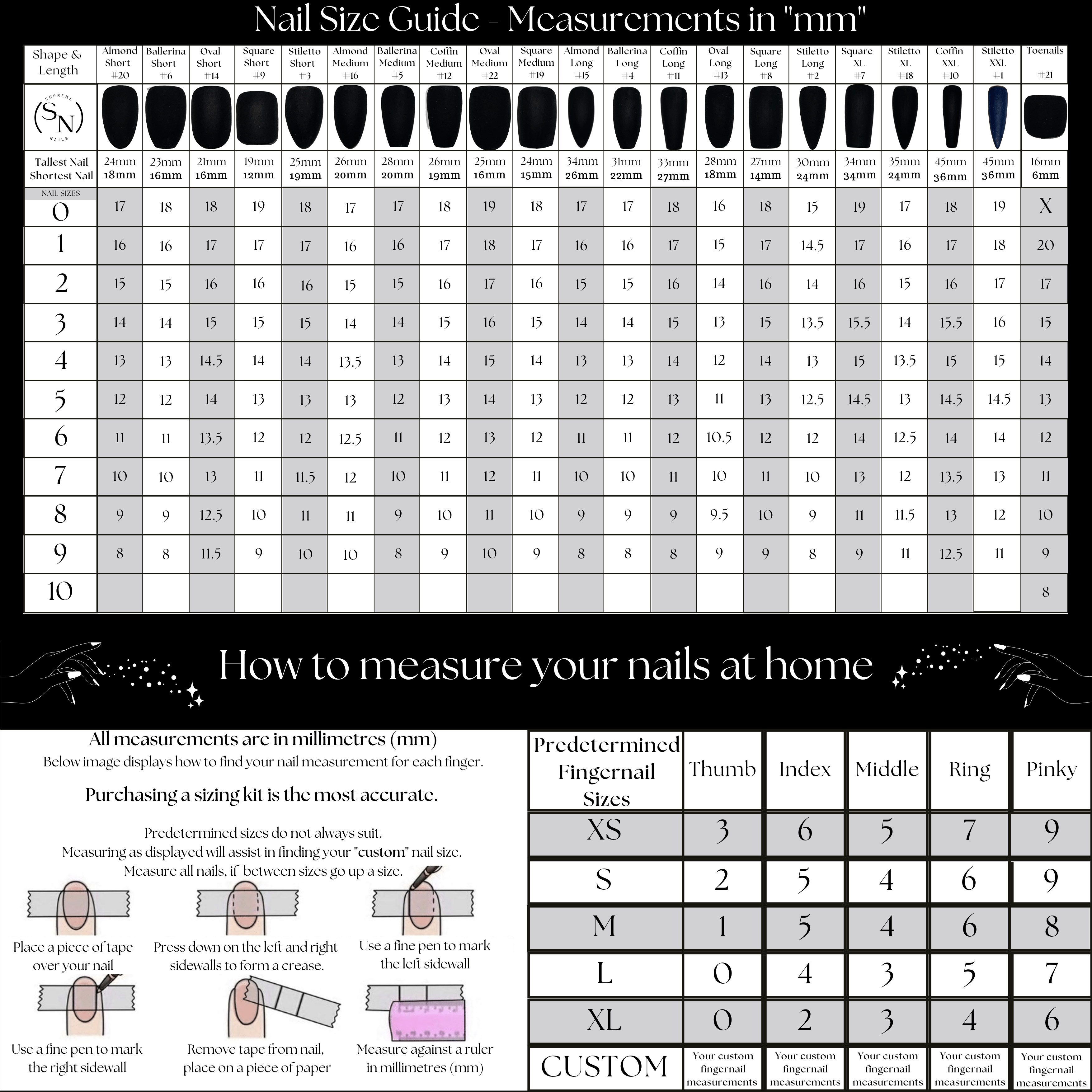
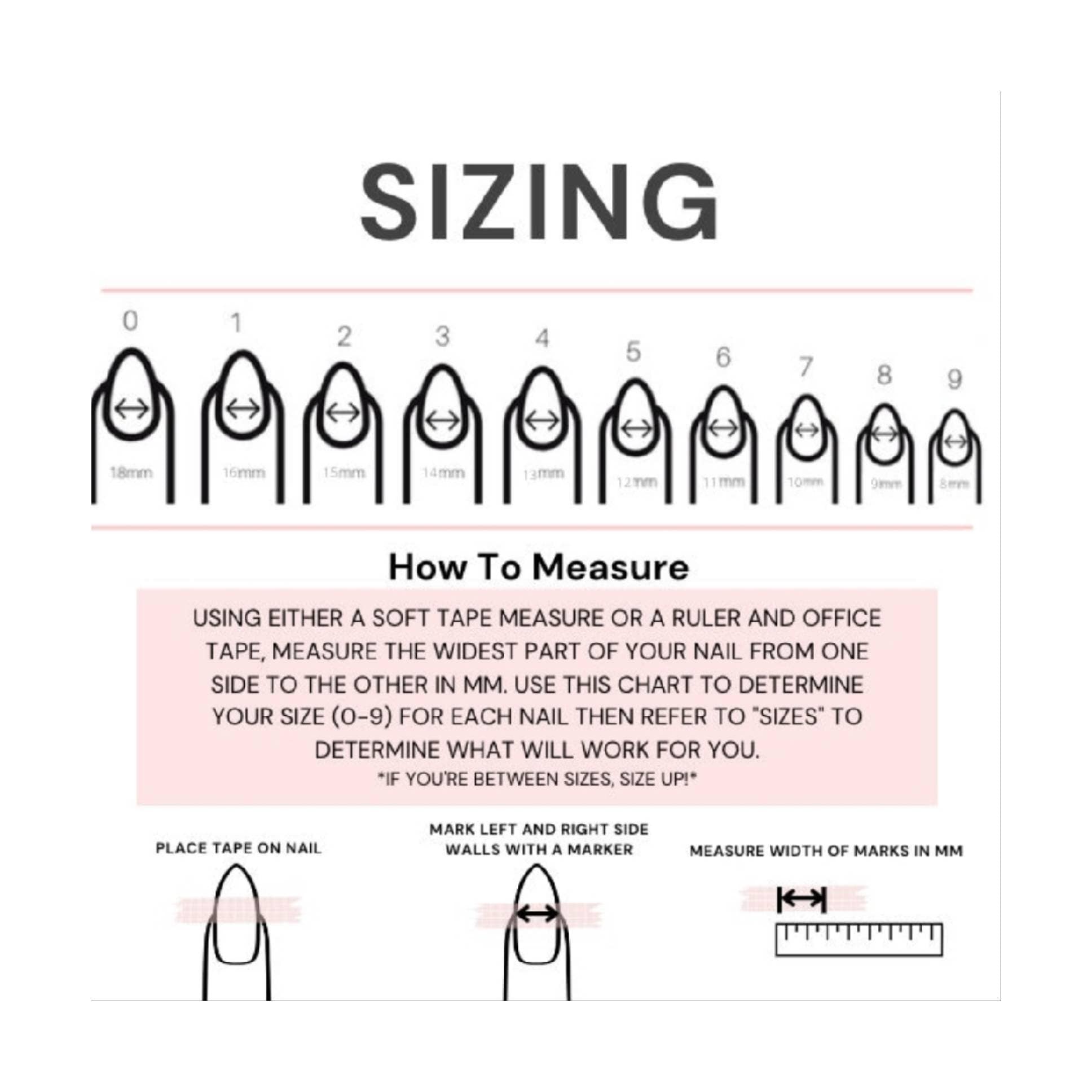
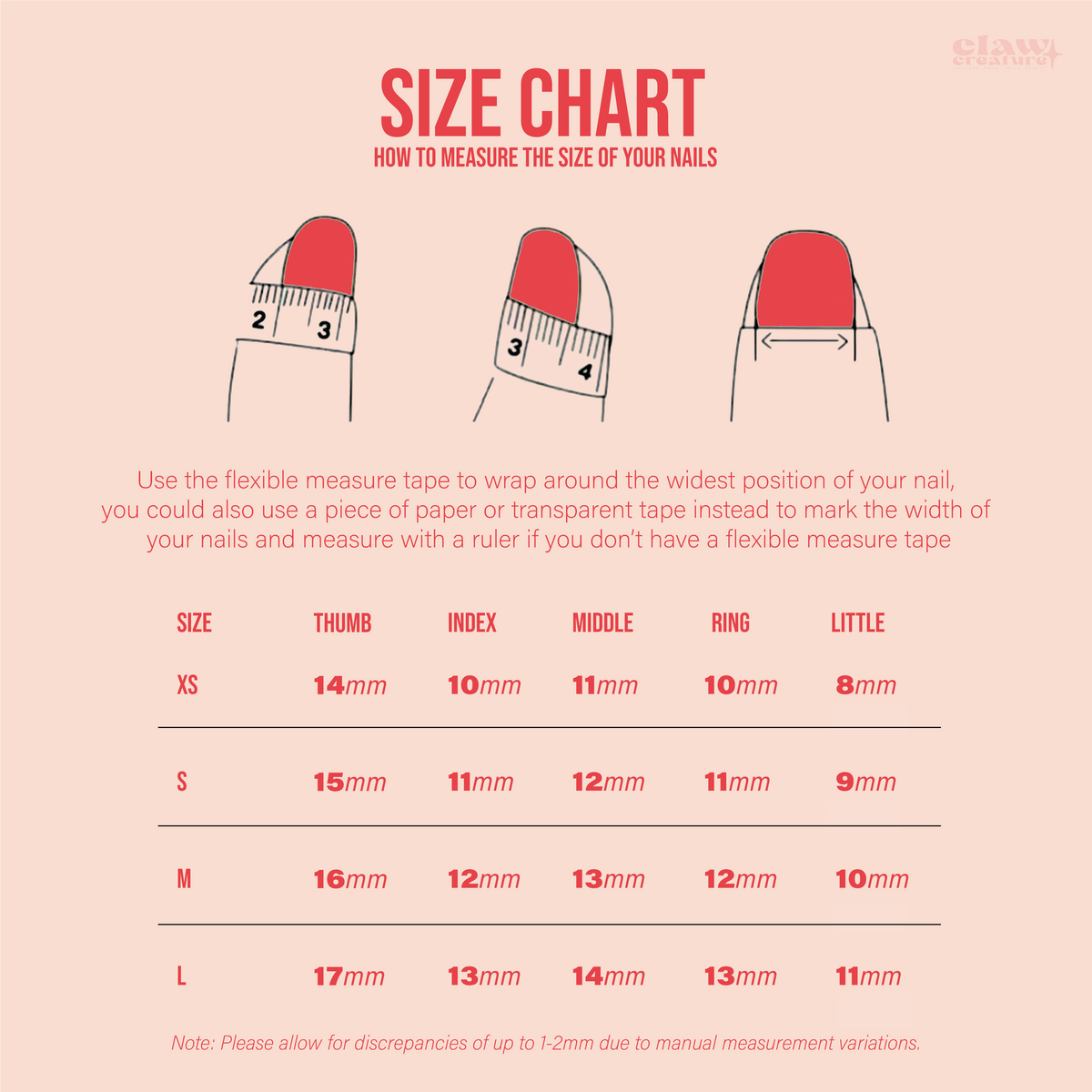
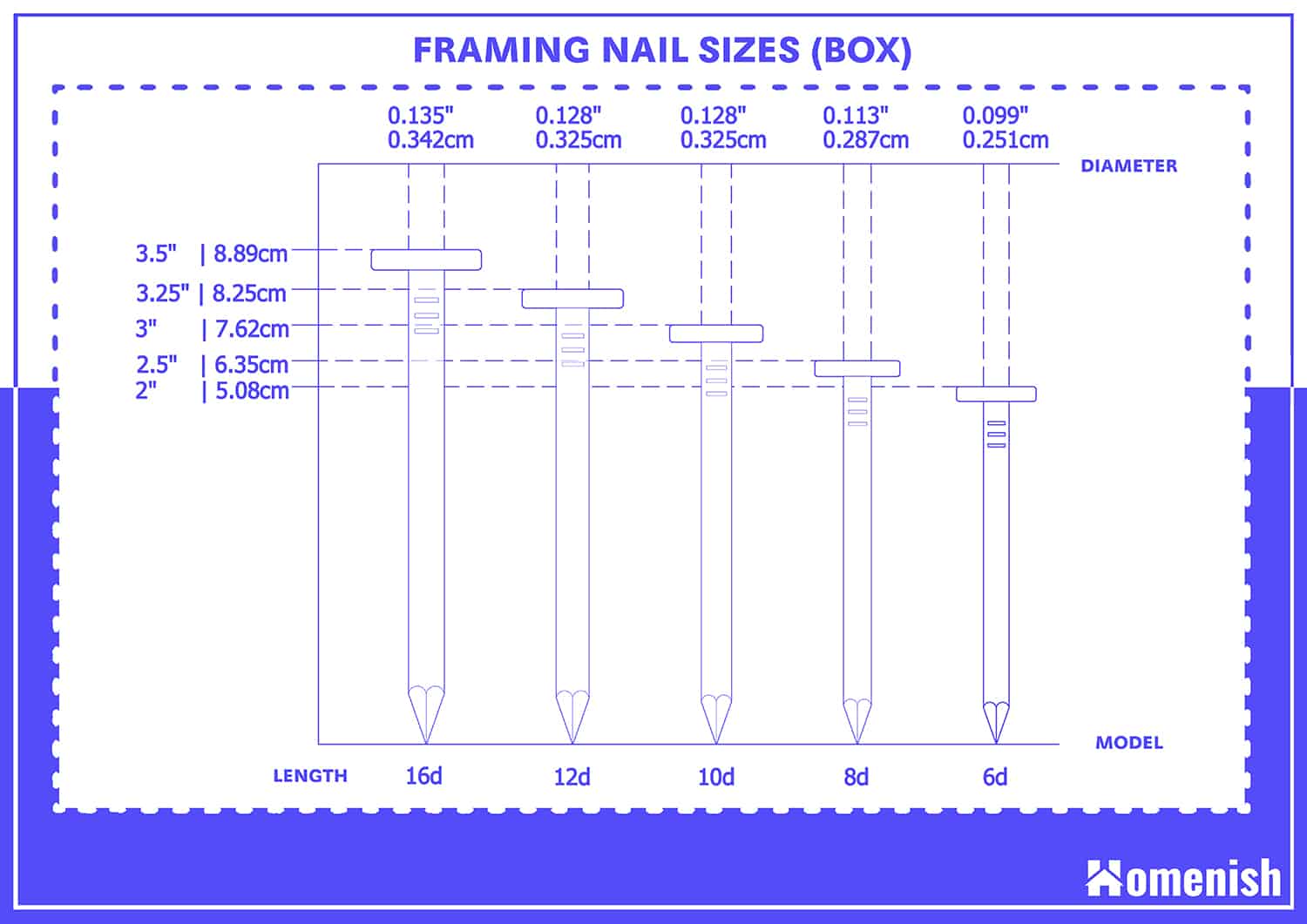
The nail size chart is a valuable tool for anyone working with nails, offering a quick reference guide to standard nail lengths and diameters. It provides a visual representation of common nail types, helping you choose the right nail for your project. This chart is an essential resource for ensuring accuracy and efficiency in your work.
Comparing Standards and Formats
Nail size charts can vary depending on the standard being followed. The most common standards are the imperial and metric systems, which use different units of measurement. Imperial charts typically display nail sizes in inches or fractions of an inch, while metric charts use millimeters. It's crucial to select the appropriate chart based on your region and project requirements.
Step-by-Step Guide to Using the Chart
To utilize the nail size chart effectively, follow these simple steps:
- Identify the nail type you need. Different nails are designed for specific purposes, such as framing, finishing, or roofing.
- Locate the relevant section on the chart. Nail types are often categorized based on their intended use.
- Determine the desired length and diameter. The chart provides a range of options, allowing you to choose the most suitable nail size.
- Select the appropriate gauge or diameter. Nail gauges are numbered, with lower numbers indicating larger diameters.
- Cross-reference the length and gauge to find the perfect match. The chart will provide a clear indication of the nail's size and its corresponding code or description.
Avoiding Misreadings and Pitfalls
While the nail size chart is straightforward, there are a few potential pitfalls to avoid:
- Ensure you are using the correct standard. Imperial and metric charts are not interchangeable, so double-check your region's standard.
- Pay attention to the gauge numbers. Lower gauge numbers mean larger diameters, so don't mistake them for smaller sizes.
- Be aware of tolerances. Nail sizes may have slight variations, so always refer to the specific manufacturer's specifications for precise measurements.
Factors Affecting Accuracy
Several factors can influence the accuracy of your nail size selection:
- Material: Different materials, such as wood or metal, may require specific nail sizes.
- Project requirements: Consider the strength and holding power needed for your project.
- Head style: Nail heads come in various shapes, and the right head style can impact the overall nail size.
- Coating and treatment: Nails with coatings or treatments, like galvanization, may have slightly different dimensions.
Adapting the Chart for Specific Needs
While the nail size chart provides a comprehensive guide, there may be instances where you need to adapt it for your unique requirements. In such cases:
- Consult manufacturer-specific charts or guidelines. Some manufacturers offer detailed charts for their nail products, ensuring precise sizing.
- Consider custom-sized nails. If your project demands non-standard nail sizes, you can explore custom options with specialized manufacturers.
- Seek expert advice. For complex projects or specific industry needs, consulting with professionals can ensure you select the right nail sizes.
Remember, while these charts provide a helpful reference, the exact details can vary slightly, so it's always good to double-check the specific standards or sources you're working with. We've got plenty more guides to explore, so feel free to browse around and find the perfect resource for your next project. Happy nailing!