





Emotion Code Chart 2026 Overview
You're here, searching for a quick fix, wanting to understand the Spotify pie chart and its insights. Well, this chart is a handy tool, a simple yet effective way to visualize Spotify's market share and audio streaming trends. It provides a snapshot of the music streaming data, offering a clear picture of the industry's landscape. The pie chart interpretation can vary; it's an adaptable visual, so you might find different versions, but the core idea remains the same: a quick, engaging way to grasp market share analysis.
Understanding the Data: A Quick Overview
The Spotify pie chart is a powerful tool to visualize and understand music streaming data. It provides a snapshot of music preferences, artist popularity, and market share analysis. This chart is a simple yet effective way to interpret complex streaming trends.
Comparing Key Metrics: A Standardized Approach
When reading a Spotify pie chart, you'll notice it displays different categories or metrics. These typically include artists, albums, or songs, each represented by a slice of the pie. The size of each slice indicates the proportion or percentage of total streams. It's a standardized way to compare music industry insights.
Step-by-Step Guide: Reading and Interpreting the Chart
Here's a simple process to read and understand a Spotify pie chart:
Identify the categories: Start by recognizing the different segments of the pie. These represent artists, albums, or songs.
Note the slice sizes: Pay attention to the size of each slice. Larger slices indicate higher popularity or market share.
Compare slices: Look for patterns or trends. Are certain artists consistently popular? Are specific genres more dominant?
Analyze the whole pie: Consider the overall distribution. Is it evenly balanced, or does one segment dominate? This gives insights into overall streaming trends.
Consider context: Think about the time frame and region. Streaming patterns can vary over time and across different regions.
Common Misreadings and Pitfalls: Avoiding Mistakes
It's easy to misinterpret a Spotify pie chart if you don't consider certain factors. Here are some common mistakes to avoid:
Assuming equal importance: Each slice represents a proportion, not an absolute value. Don't compare slices directly without considering their size.
Ignoring context: Streaming trends can vary widely. Always consider the time frame and region when interpreting the data.
Overlooking small slices: Even small slices can be significant. They might represent emerging artists or niche genres.
Forgetting to update: Streaming data changes rapidly. Ensure you're using the latest data for accurate insights.
Key Factors Affecting Accuracy and Real-World Use
The accuracy of a Spotify pie chart depends on several factors:
Data source: Ensure the data is from a reliable source, like Spotify's analytics tools.
Time frame: Consider the period the data covers. Streaming patterns can change over time.
Region: Streaming trends vary by region. Ensure the chart represents the desired region.
Category selection: Choose categories relevant to your analysis. Artist, album, and song data provide different insights.
Sample size: Larger sample sizes provide more accurate representations.
Choosing the Right Format: Adapting for Specific Needs
While the standard Spotify pie chart is versatile, you might need to adapt it for specific analyses. Here are some variations:
Multiple charts: Compare different regions or time frames side by side.
Stacked pie charts: Combine multiple categories (e.g., artists and albums) for a more detailed view.
Donut charts: Use a donut chart for a more visually appealing variation.
Bar charts: Consider a bar chart for a different visual representation of the data.
Interactive charts: Explore interactive charts for a dynamic, user-friendly experience.
Hey there! I hope this guide has given you a solid understanding of Spotify's pie chart feature and how to use it effectively. Remember, while the basics remain the same, there might be slight variations in the exact details, so keep an eye out for those.
Don't forget to explore other guides on our site. We've got a bunch of practical tips and tricks to help you get the most out of your music streaming experience. Happy listening!
Related: How to use the Lulus size chart?
The lulus size chart is a handy tool for anyone who wants to ensure they're getting the perfect fit when shopping. This guide will take you through the ins and outs of reading and using this chart effectively. From understanding the different measurements to knowing how to convert sizes, we'll cover it all, making sizing a breeze!
Understanding the Lulus Size Chart
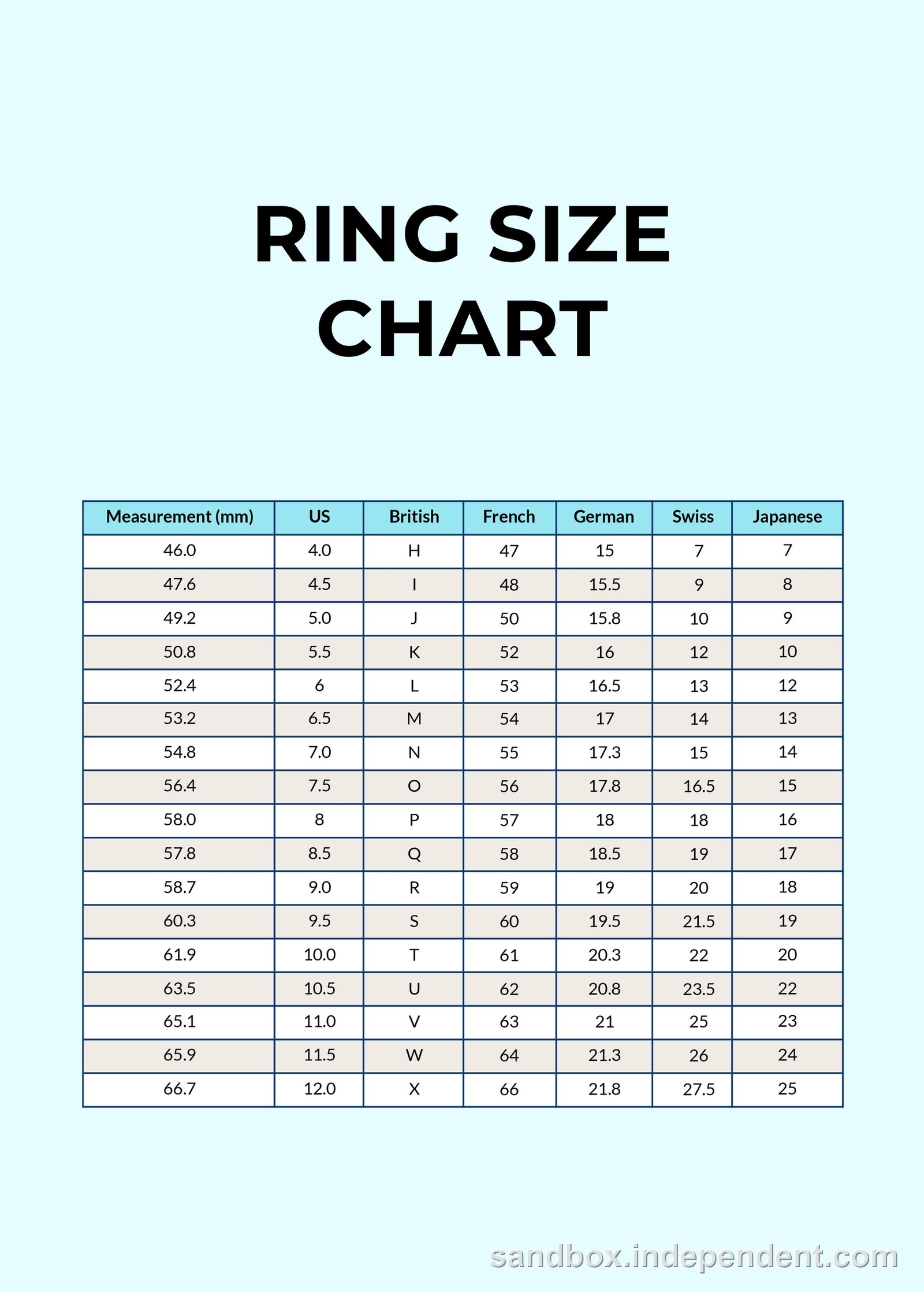
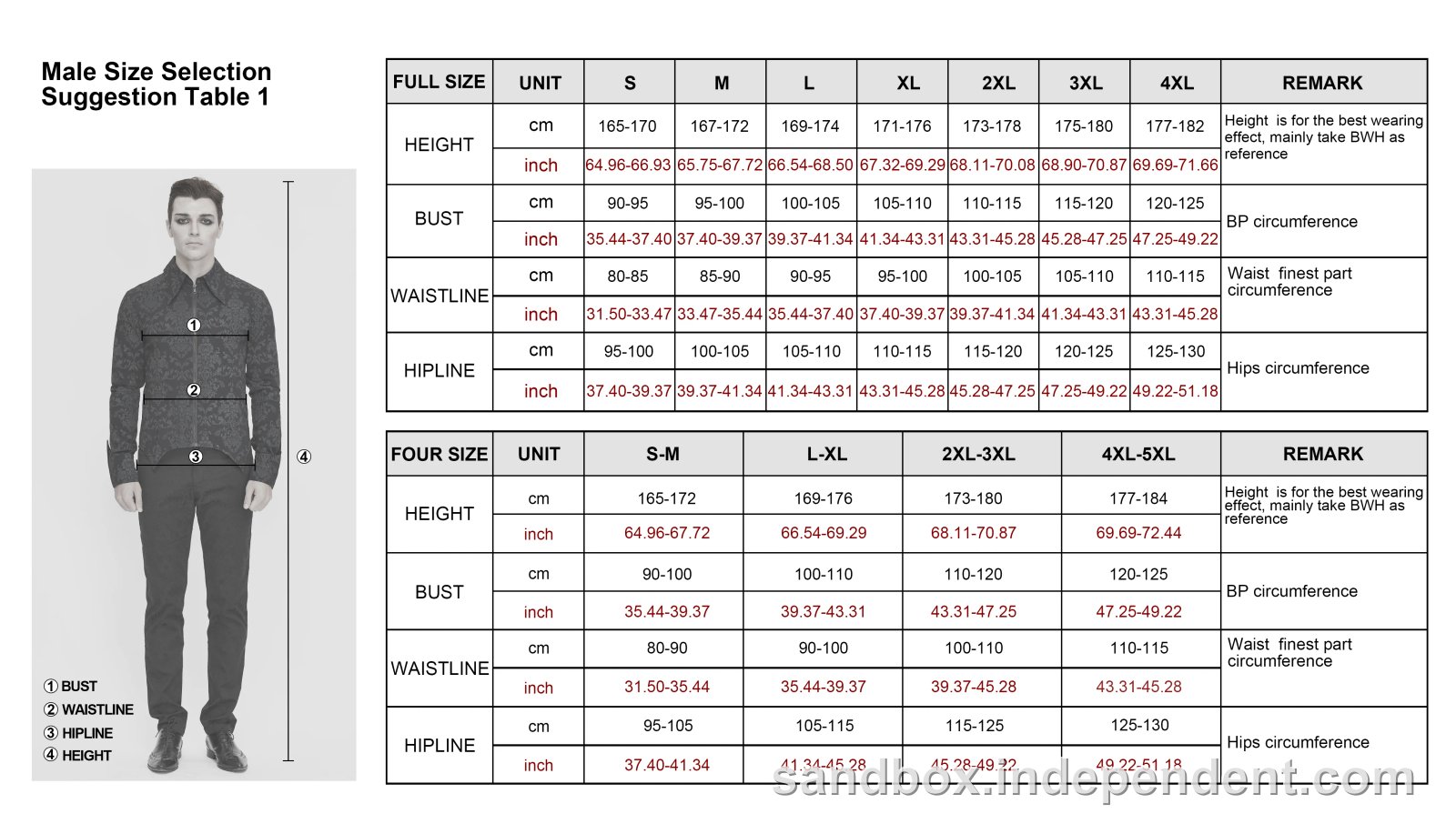
The lulus size chart is a handy tool that helps you find your perfect fit when shopping for clothing. It provides a standardized guide to help you match your body measurements with the corresponding size options. This chart is a great reference, especially when shopping online, as it ensures you make an informed choice and avoid any sizing surprises.
Comparing Size Chart Standards
Size charts can vary depending on the brand and region. Lulus, being a popular fashion brand, follows a specific sizing standard. Their chart typically includes measurements for bust, waist, and hip, which are crucial for finding the right fit. It's essential to note that these measurements are in inches, following the US standard. Other brands or international charts might use different units, so always check the chart's legend or key.
Step-by-Step Guide to Using the Chart
Using the lulus size chart is straightforward. First, measure your bust, waist, and hip accurately. You can do this by using a measuring tape and following a few simple tips: stand straight, measure at the fullest part of your bust, and ensure the tape is parallel to the floor. Once you have these measurements, find the closest match on the chart. For example, if your bust measurement is 36 inches, look for the size that corresponds to this range. The chart will provide a recommended size, usually in the form of numerical values or standard dress sizes (e.g., small, medium, large).
Avoiding Common Misreadings
One common mistake is not considering the entire body when referring to the chart. The lulus size chart provides a general guide, but your specific body shape might require some adjustments. For instance, if you have a curvier figure, you might need to size up for a more comfortable fit. Another pitfall is ignoring the brand's unique fit. Some brands have a reputation for running small or large, so always check the brand's sizing guide or reviews for any specific fit notes.
Factors Affecting Size Variations
Several factors can cause size variations, and understanding these is key to accurate sizing. Firstly, body measurements can fluctuate, especially if you're between sizes. In such cases, it's best to choose the larger size for a more comfortable fit. Secondly, different fabric types and styles can affect the fit. For instance, a stretchy fabric might provide a more forgiving fit, while structured fabrics might require a more precise size match. Lastly, personal preference plays a role. If you prefer a looser or tighter fit, you might need to adjust your size choice accordingly.
Adapting the Chart for Your Needs
The lulus size chart is a versatile tool, and you can adapt it to suit your specific needs. If you're shopping for a particular style, such as a fitted dress or a relaxed-fit top, refer to the brand's size guide for any style-specific measurements or recommendations. Additionally, if you're between sizes, consider the fabric and style of the garment. A looser-fit top might allow for more flexibility, while a structured blazer might require a more precise size match.
Keeping Your Sizing Reliable
To ensure reliable sizing, it's crucial to measure accurately and consistently. Invest in a good-quality measuring tape and follow a standardized measuring technique. Take your measurements at the same time of day, as slight variations can occur due to water retention or other factors. If you're shopping for multiple items, consider creating a personal sizing profile. Note down your key measurements and the corresponding sizes for easy reference. This way, you can quickly refer to your profile and make informed choices, ensuring a consistent and reliable fit.
Hey there! I hope this guide has been helpful in navigating the world of size charts. Remember, when it comes to Lulus' size chart, the specifics might differ slightly based on the item and your unique body. So, keep an eye out for those little variations!
If you found this guide useful, why not bookmark this page for future reference? It's always handy to have a quick reminder, especially when you're shopping online and need to make those important size decisions. Check out our other guides for more practical tips and tricks!
Related: How to Read a Cigar Size Chart?
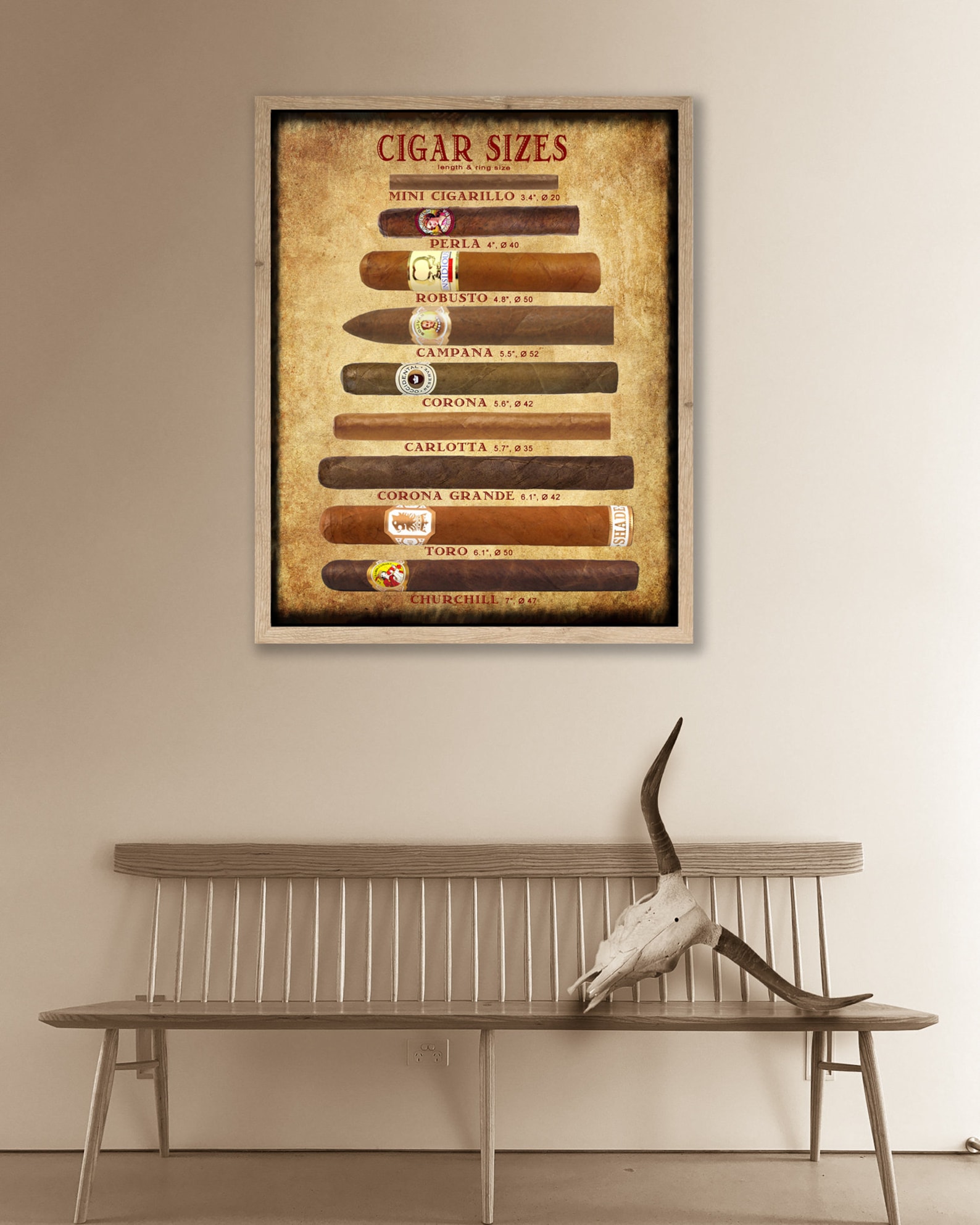
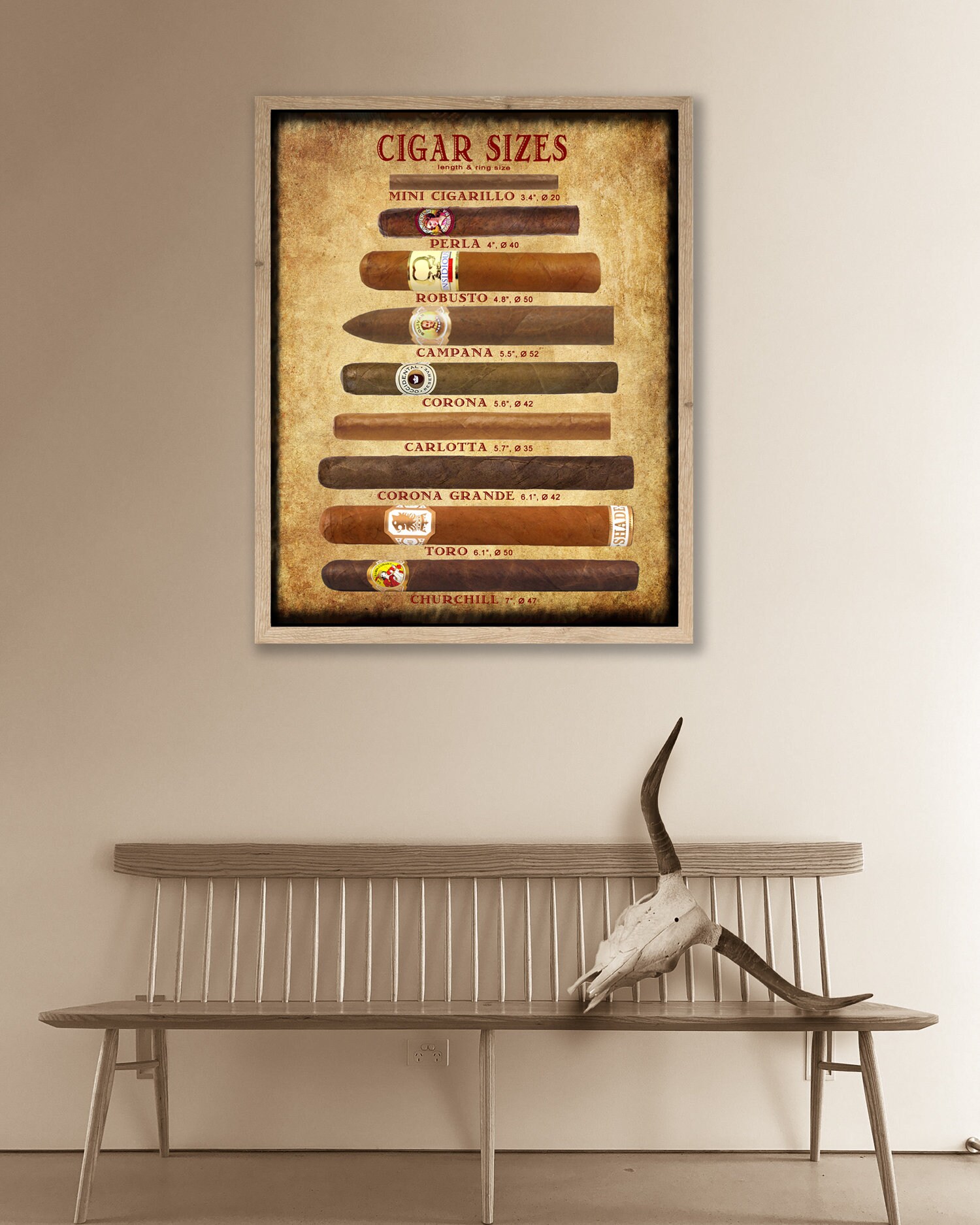
A cigar size chart is a handy tool for any cigar enthusiast, offering a quick and easy way to understand cigar dimensions. This guide will take you through the basics, covering the essential info you need to read and interpret these charts like a pro.
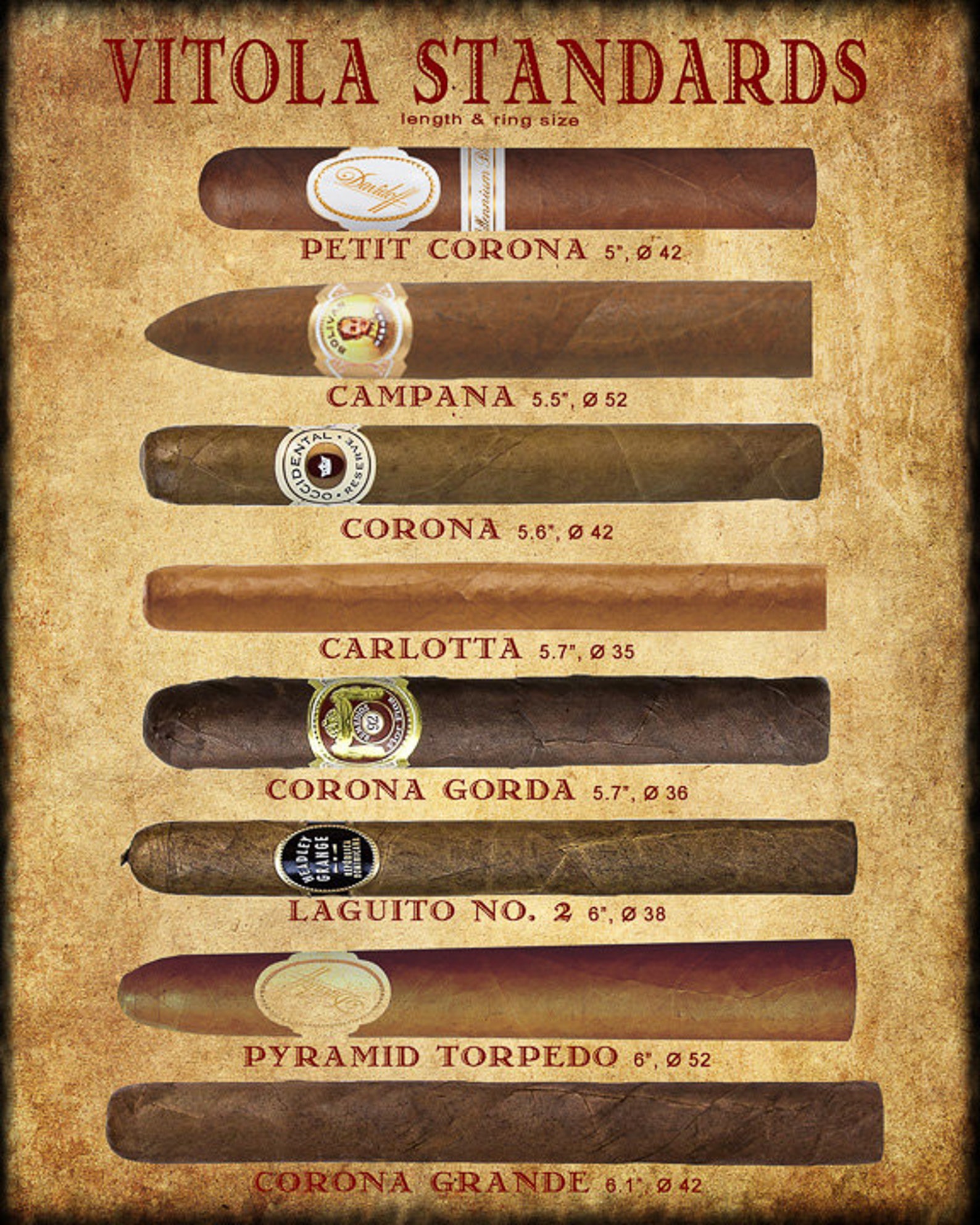
From cigar ring gauge to length, these charts provide a simple visual reference, ensuring you can identify and choose the right cigar size. While values may vary, the cigar size chart remains a reliable starting point, offering a clear and consistent way to explore the world of cigar sizes.
Understanding Cigar Sizes: A Practical Guide
Cigar size charts are your go-to resource for navigating the world of cigars. They provide a visual representation of the various dimensions and formats cigars come in, helping you make informed choices. These charts typically showcase two key measurements: length and ring gauge. The ring gauge, often referred to as the diameter, is a critical factor in determining a cigar's burn and flavor.
Standard Cigar Dimensions: Comparing Formats
Cigar size charts offer a standardized way to understand cigar sizes. They present a range of common formats, each with its own name and unique dimensions. For instance, a robusto is typically around 5 inches long with a 50 ring gauge, while a toro might measure 6 inches with a 54 ring gauge. These charts provide a quick reference, allowing you to visualize the differences between various cigar sizes.
How to Use a Cigar Size Chart: A Step-by-Step Guide
- Identify the two primary measurements: length and ring gauge. These are usually displayed side by side or in a clear, tabular format.
- Match the length of the cigar you have or are considering with the chart's length column.
- Cross-reference the ring gauge to find the corresponding format. For example, if your cigar is 6 inches long and has a 52 ring gauge, it likely fits the description of a "Churchill."
- Understand the implications: Different sizes impact the smoking experience. Larger cigars may offer a longer, more complex smoke, while smaller ones provide a quicker, more focused flavor profile.
Common Misreadings and How to Avoid Them
One common pitfall is assuming all cigars within a size category are identical. While the ring gauge and length are standardized, other factors like brand, tobacco blend, and construction can vary. These nuances impact the smoking experience, so always consider the cigar's brand and specific details when making comparisons. Additionally, be mindful of regional variations; some countries may use different measurement systems or have unique size names.
Factors Affecting Accuracy and Real-World Use
Several variables can influence the accuracy of a cigar size chart. Firstly, the chart's origin matters; some are designed for specific regions or markets, so ensure you're using one relevant to your location. Secondly, while standardized, there can be slight variations in measurements across different manufacturers. Always check the cigar's packaging or official brand specifications for precise details. Lastly, remember that cigars, especially handmade ones, may have slight imperfections, so the chart serves as a guide rather than an absolute measurement tool.
Well, there you have it! A handy guide to cigar sizes, covering the main options, how to use the chart, and some common pitfalls to avoid. Remember, these measurements can vary slightly, so always double-check if precision is key.
Feel free to explore our other guides for more practical tips and tricks. We've got a whole range of topics to help you navigate the world of cigars and beyond!