








Esl Kidstuff Worksheets Overview
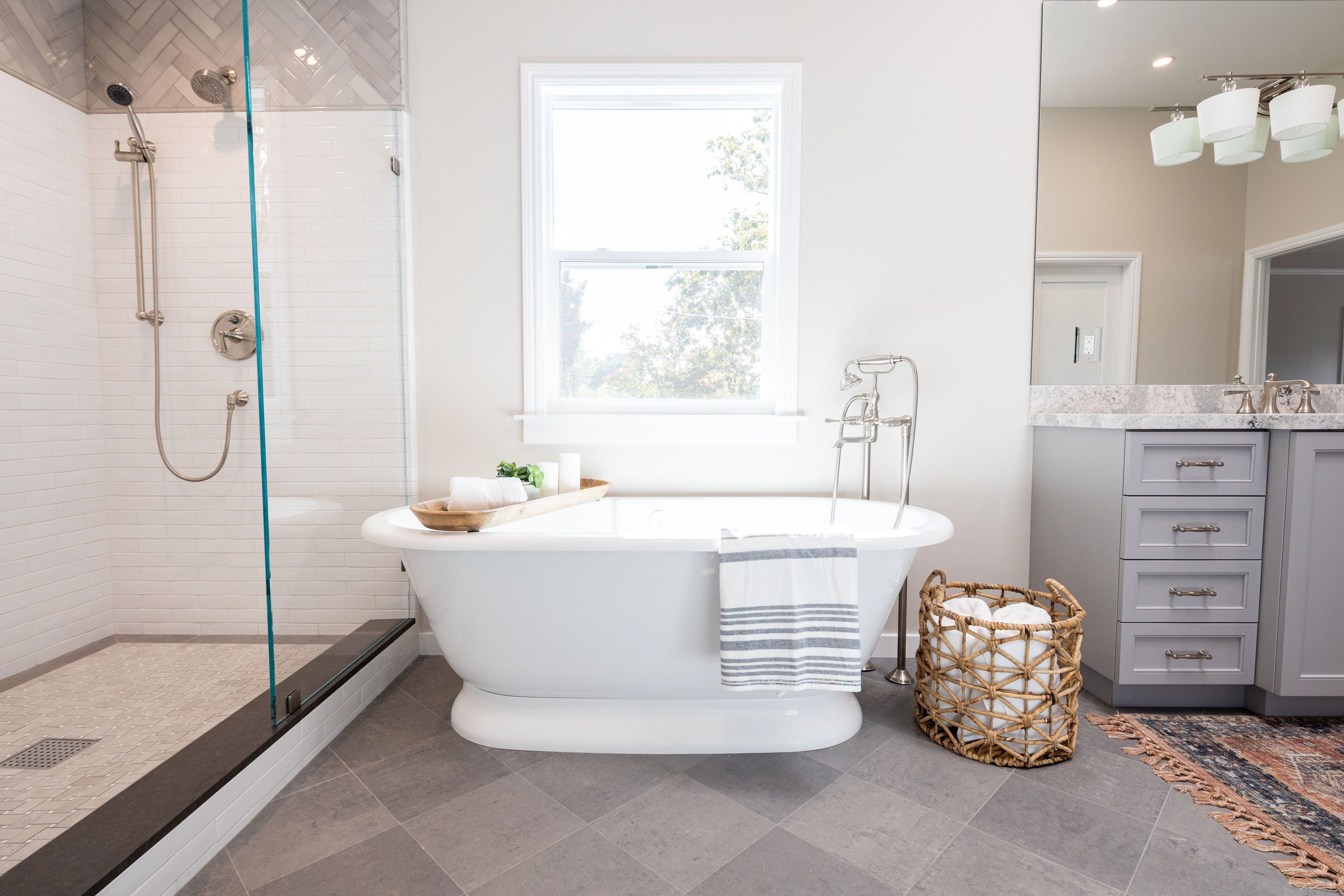
I was standing in my bathroom, staring at the dated tiles and worn-out fixtures, when it hit me: it's time for a renovation! I started thinking about finding a bathroom remodeling contractor and all the possibilities that come with it. So, here's a little guide to help you navigate this exciting process.
What's a Bathroom Remodeling Contractor?
A bathroom remodeling contractor is your go-to expert for transforming your bathroom into a stylish and functional space. They handle everything from design to construction, ensuring your vision becomes a reality. It's like having a personal bathroom makeover team!
The Cost Factor
When it comes to costs, it's a bit of a wild card. Prices can vary widely depending on the scope of your project. A simple update might be more affordable, while a full-scale renovation could be a bigger investment. It's all about balancing your dream bathroom with your budget.
Finding the Right Contractor
Hiring a bathroom remodeling contractor is a big decision. You want someone reliable, experienced, and aligned with your vision. Check their past projects, ask for references, and ensure they have the necessary licenses and insurance. It's also a good idea to get multiple quotes to compare prices and services.
Naming Your Business
If you're in the construction business, choosing a catchy name is crucial. It should be memorable and reflect your services. Some ideas could be:
- Build-it-Right Construction
- Renovate & Revive
- Home Transformation Team
- Modern Bath Solutions
Remember to check name availability and secure your domain and local registration.
Construction Jobs and Salaries
The construction industry offers a range of roles, from estimators to project managers. Salaries can vary based on experience and the specific job. If you're looking for opportunities, check online job boards and local construction companies. It's a great field with plenty of growth potential.
Tools of the Trade
In the world of construction, tools like RSMeans can be a game-changer. It's a cost database that helps contractors estimate project expenses accurately. It's a valuable resource for both small and large-scale projects.
The Big Picture
The construction industry is diverse, with companies of all sizes. Larger firms often have more resources and can take on bigger projects, while smaller companies might offer more personalized service. It's all about finding the right fit for your needs.
Local Connections
When it comes to bathroom remodeling contractors, local knowledge can be a plus. They understand the unique challenges and regulations of your area. For example, in Atlanta, you might need to consider specific building codes. It's always a good idea to check with your local building department for any specific requirements.
So, there you have it! A little insight into the world of bathroom remodeling contractors. It's an exciting process, and with the right team, you can create a bathroom that's truly yours.
Related: Best Construction Company in San Francisco
I'm moving to San Fran soon and need to find a place to live. I'm not sure if I should rent or buy, but either way, I'll probably need some work done on the property. I've heard good things about best construction company in san francisco, but I want to know more before I make any decisions.
Unpacking "Best Construction Company in San Francisco"
When people talk about the "best construction company" in a place like San Francisco, they're usually referring to a reputable, reliable business that handles a range of building and remodeling projects. It's a big claim, and it can mean different things to different people, but at its core, it's about finding a company that does great work and has a solid reputation.
So, what makes a construction company "the best"? Well, it's a combination of factors. Firstly, they should have a good track record of successful projects, with happy clients who are willing to recommend them. Secondly, they should offer a range of services, from new builds to remodeling and renovations. This versatility is key, as it means they can handle most projects you throw at them. Thirdly, and perhaps most importantly, they should have a team of skilled, experienced professionals who take pride in their work.
Finding and Hiring the Best
So, how do you find this mythical "best construction company"? Well, it's not as simple as just Googling it. You need to do some research and ask around. Check online reviews and ask friends or colleagues for recommendations. Once you've got a few names, it's time to start comparing. Get quotes from a few different companies, and make sure they're detailed and itemized. This will help you understand the costs and what you're paying for.
When comparing quotes, look beyond just the price. Consider the scope of the project, the materials and labor involved, and the company's reputation and experience. It's also worth checking if they're licensed and insured, and whether they offer any guarantees or warranties on their work.
Naming Ideas and Industry Insights
Naming a construction company is an important step, and it can be tricky to get right. You want a name that's memorable, professional, and reflects the nature of your business. Some examples of successful construction company names include:
- BuildRight
- Constructive Solutions
- Hammer & Nail
- Renaissance Builders
- Solid Foundations
- The Building Blocks
Remember, when choosing a name, you'll need to check its availability for domains and local business registration.
The Industry and Its Tools
The construction industry is a complex beast, with a lot of moving parts. One tool often used by professionals is RSMeans, a cost database that provides accurate estimates for construction projects. It's a valuable resource for contractors, helping them price jobs accurately and competitively.
Big vs. Small: The Construction Company Divide
When it comes to construction companies, size often matters. Larger companies tend to have more resources, allowing them to take on bigger projects and offering a wider range of services. They may also have more specialized teams, like dedicated estimators and project managers.
Smaller companies, on the other hand, often provide a more personalized service. They may be more flexible and able to offer quicker turnarounds on projects. It's a trade-off between scale and specialization.
Final Thoughts
So, there you have it, a quick guide to understanding and finding the "best construction company in san francisco". It's a complex topic, but with a bit of research and some careful consideration, you should be able to find a great company to work with. Remember, it's not just about the name or the size, it's about finding a company that aligns with your needs and offers a high standard of work. Good luck with your search!
Related: What is a yarn gauge chart?
Many people assume that the yarn gauge chart is a complex and intimidating tool, but it's actually a simple and incredibly useful reference for any knitter or crocheter. This chart, often referred to as a knitting gauge or cm gauge, is your secret weapon for achieving the perfect stitch consistency. It's not as tricky as it may seem; the yarn gauge chart is a straightforward guide, and once you understand it, you'll wonder why you ever found it confusing!
Understanding the Yarn Gauge Chart
The yarn gauge chart is your go-to tool for knitting and crocheting projects. It's a simple yet powerful reference that helps you choose the right yarn and needles or hooks for your desired fabric. Think of it as a map to guide your crafting journey!
Comparing Gauge Standards and Formats
There are two main standards for yarn gauge charts: the US system and the metric (international) system. These systems use different units and categories, so it's crucial to know which one you're working with. The US system typically uses inches (in) and has its own gauge sizes, while the metric system relies on centimeters (cm) and offers a different set of gauge measurements.
Step-by-Step Guide to Using the Chart
Using the yarn gauge chart is easy once you know the basics. Here's a simple process:
- Identify your project's desired fabric type, whether it's a tight, dense fabric or a looser, airier one.
- Find the corresponding gauge measurement on the chart. This will give you the recommended needle or hook size and the number of stitches per inch (or cm) for that fabric.
- Choose your yarn based on the recommended gauge. Thicker yarns will have lower gauge numbers, while thinner yarns will have higher numbers.
- Select the appropriate needle or hook size to match the gauge and start crafting!
Avoiding Common Misreadings
It's easy to misinterpret the yarn gauge chart, especially when working with different standards. Always double-check if your chart is in inches or centimeters to avoid confusion. Remember, the gauge number itself doesn't represent a specific measurement but rather a category of thickness. So, a gauge of 4 doesn't mean 4 inches or 4 cm; it's a category for a certain thickness of yarn.
Key Factors Affecting Accuracy
Several factors can impact the accuracy of your yarn gauge chart readings:
Yarn type: Different fibers and materials have varying properties, so always check the recommended gauge for your specific yarn.
Needle or hook size: Using the wrong size can lead to an inaccurate gauge.
Tension: Your personal knitting or crocheting tension can affect the final gauge, so practice consistency.
Fabric type: The desired fabric's tightness or looseness will influence the gauge choice.
Yarn weight variations
Needle/hook material
Environmental factors (e.g., humidity)
Adapting the Chart for Specific Needs
While yarn gauge charts offer a great starting point, they might not cover every scenario. If you're working with a unique yarn or have specific project requirements, you might need to adapt the chart. Here's how:
- Check the yarn label for recommended needle or hook sizes and gauge measurements.
- Create a swatch: Knit or crochet a small sample with your chosen yarn and needle/hook size. Measure the gauge and adjust as needed.
- Experiment with different needle/hook sizes to achieve the desired fabric.
- Consider the project's final use and adjust the gauge accordingly. For example, a baby blanket might require a tighter gauge for durability.
Well, there you have it! A handy guide to understanding and using yarn gauge charts. Remember, these charts are a great tool, but always ensure you're using the right one for your project and double-check the specifics to avoid any potential pitfalls.
Don't forget, there's a whole world of knitting and crocheting resources out there, so feel free to explore and discover more. Happy crafting, and keep those creative juices flowing!