






Estimate Template Quickbooks Overview
If you're seeking a quick reference on a specific winery, you've come to the right place. Charter Oak Winery is a name that might ring a bell for wine enthusiasts, and it's no surprise, given their reputation for quality. This winery, known for its attention to detail, offers an extensive wine list, providing an array of choices for any occasion. From the classic oak barrel aging to modern wine production processes, their wines are a true reflection of their dedicated craft.
Charter Oak Winery: A Guide to Understanding the Chart
Charter Oak Winery provides a comprehensive chart that offers valuable insights into their wine production process and the unique characteristics of their wines. This guide will help you decipher the information presented on the chart, ensuring an enjoyable and informed wine-tasting experience.
Key Details and Categories
The chart from Charter Oak Winery covers essential information about their wine offerings. It typically includes details such as the wine region, oak barrel aging duration, and wine production process techniques. Additionally, you'll find notes on the wine's aroma, taste, and texture, providing a sensory guide. Each wine is categorized by its varietal and vintage, offering a snapshot of its unique qualities.
Reading the Chart: A Step-by-Step Guide
To navigate the chart effectively, follow these steps:
Begin by locating the wine you wish to explore. The chart is typically organized by wine name or varietal, making it easy to find your preferred choice.
Once you've identified the wine, pay attention to the wine region it originates from. This provides context for the wine's unique characteristics, influenced by the region's climate and soil.
Take note of the oak barrel aging duration. This process imparts a range of flavors and textures, so understanding the aging time can offer insights into the wine's complexity.
Explore the wine tasting notes section. Here, you'll find detailed descriptions of the wine's aroma, taste, and texture. These notes guide you in appreciating the wine's unique sensory experience.
Finally, consider the wine production process techniques mentioned. Different methods, such as traditional or modern approaches, can influence the wine's overall profile.
Variations and Differences
It's important to note that wine production is an art, and variations can occur due to various factors. Here are some key considerations:
Wine region: Different regions have unique climates and soil compositions, leading to distinct grape characteristics and, consequently, variations in the resulting wine.
Oak barrel aging: The duration and type of oak barrels used can significantly impact the wine's flavor and texture. Longer aging periods often result in more complex and robust flavors.
Wine production process: Winemakers may employ different techniques, such as traditional or innovative methods, which can influence the wine's style and character.
Vintage: Each vintage year brings its own set of weather conditions and grape qualities, leading to unique wines within the same varietal.
Common Mistakes and How to Avoid Them
To ensure an accurate understanding of the chart and wine characteristics:
Avoid assuming that all wines from a specific region taste identical. Each wine region has diverse sub-regions, each with its own unique attributes.
Don't neglect the importance of oak barrel aging. The duration and type of oak used can significantly impact the wine's flavor profile, so pay attention to these details.
Be mindful of the wine production process techniques. Understanding the winemaker's approach provides context for the wine's style and character.
Remember that vintage variations are natural and can lead to unique wine experiences, even within the same winery and varietal.
Well, there you have it! A comprehensive guide to Charter Oak Winery and its unique offerings. Remember, when it comes to wine, context is key. So, be sure to consider your specific needs and preferences before making any decisions.
Feel free to explore our other guides and resources; we've got a wealth of information to help you navigate the world of wine with ease and confidence. Happy browsing, and cheers to your next wine adventure!
Related: Uncover the Secrets of Chart of Kalyan
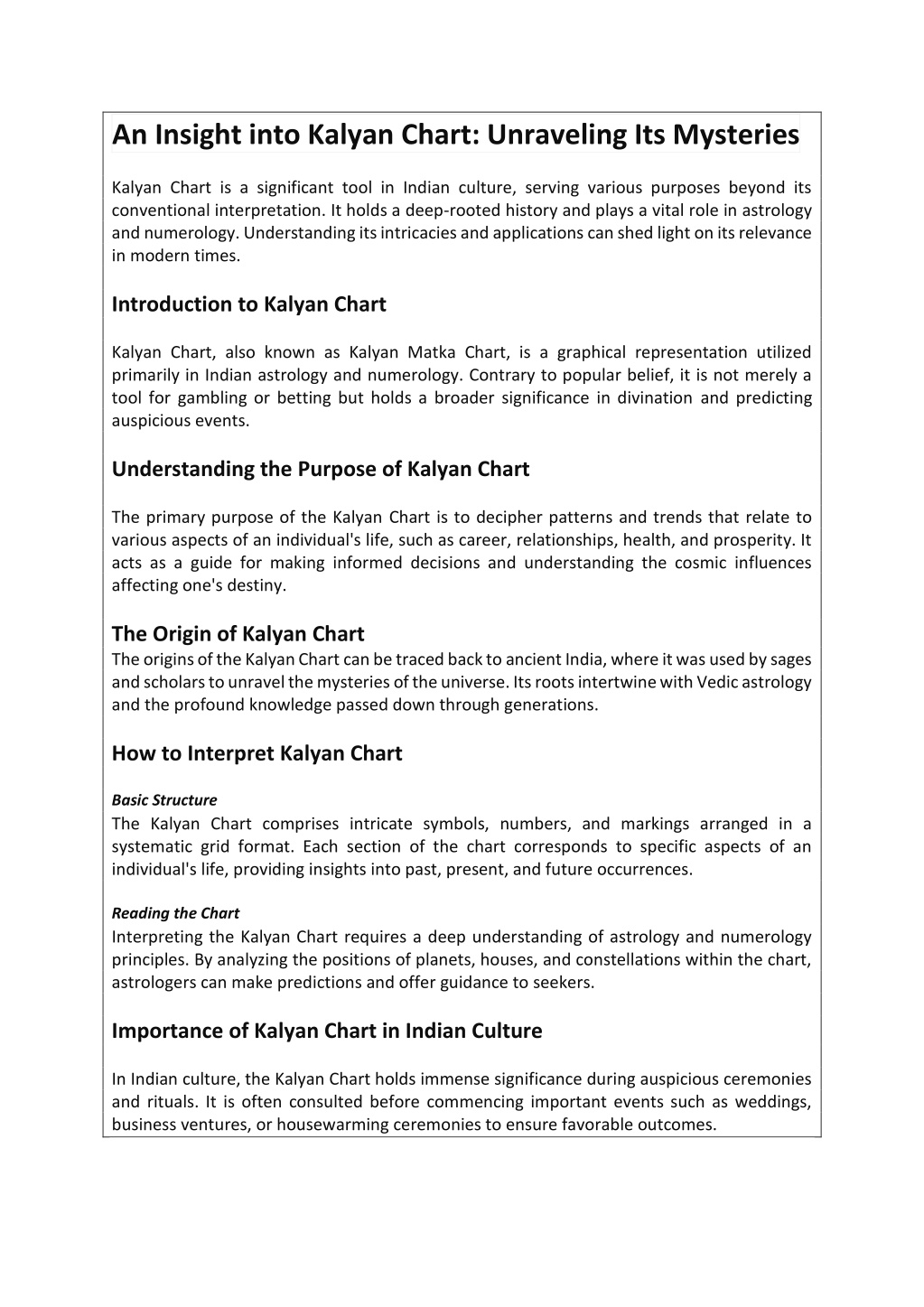
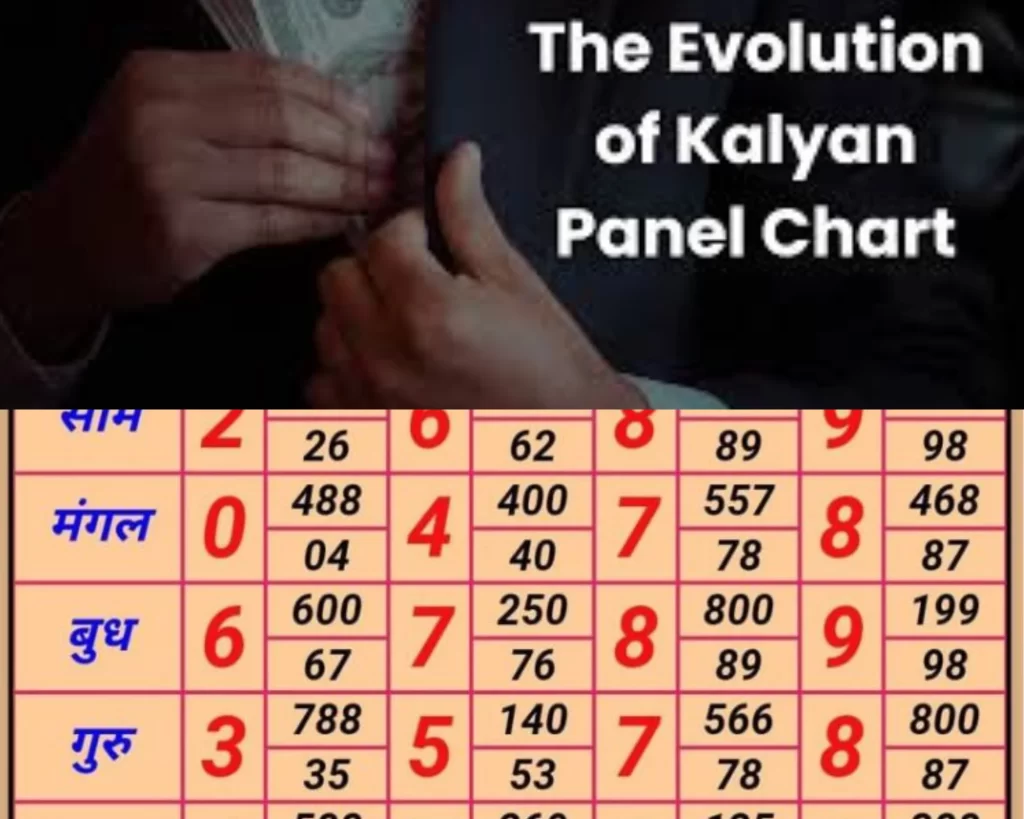
Many people often mistake the chart of kalyan for a complex and mysterious tool, but it's actually a simple and incredibly useful reference guide. The kalyan chart is a straightforward visual aid, and while it may look intimidating at first, its purpose is to provide a quick and easy reference for specific tasks. Think of it as a handy, universal language that simplifies complex information.
You'll find that this chart, in its various forms, is an essential tool for many, offering a clear and consistent way to understand and apply certain standards. Whether it's a kalyan diagram or a reference table, the key is to remember that its values and formats might vary depending on the context, so it's always a good idea to check the specific standards for your needs.
Understanding the Chart of Kalyan
The Kalyan chart is a reference tool that provides a visual representation of key data points, helping users quickly grasp complex information. It's a handy guide, often used in various industries, to make informed decisions and ensure accuracy in measurements and calculations. This chart is a valuable resource, offering a simple yet effective way to interpret and apply specific data.
Comparing Chart Variations
There are different versions of the Kalyan chart, each tailored to specific needs. These variations can include different measurement systems, such as the metric system or imperial units, depending on the region and industry. Additionally, charts may differ in their level of detail and the data they present, ranging from basic overviews to highly detailed breakdowns.
Step-by-Step Guide to Using the Chart of Kalyan
Using the Kalyan chart is straightforward. First, identify the type of chart you're working with, ensuring it aligns with your measurement system and data requirements. Next, locate the specific data point or category you need. Read the values or categories carefully, noting any units of measurement. For instance, if you're using a chart with imperial units, ensure you understand measurements like inches or feet. Finally, apply the data to your calculations or decision-making process.
Common Misreadings and How to Avoid Them
Misinterpreting the Kalyan chart is easy, especially when dealing with multiple variations. To avoid this, always double-check the chart's units and ensure they match your needs. For example, mistaking inches for centimeters can lead to significant errors. Additionally, pay attention to any notes or legends on the chart, as these often provide crucial context. Misreading these can result in incorrect assumptions about the data.
Key Factors Affecting Accuracy
Several factors can impact the accuracy of the Kalyan chart and its real-world applications. These include:
- Standardization: Ensure the chart follows the relevant industry or regional standards.
- Data Freshness: Regularly update your charts to account for any changes in specifications or tolerances.
- User Experience: Familiarity with the chart's format and data can impact accuracy.
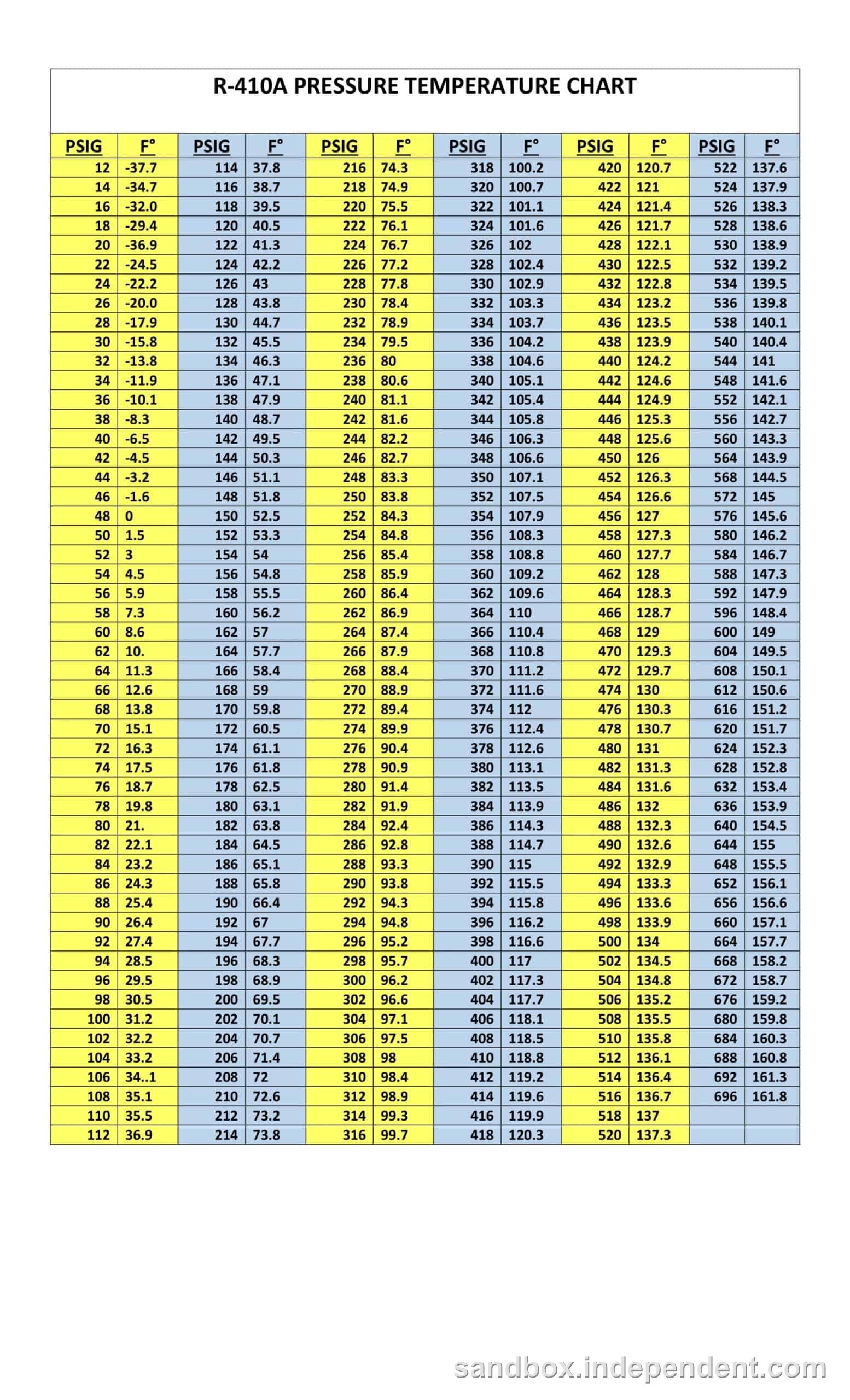
- Environmental Factors: Consider any external influences, like temperature or pressure, which may affect measurements.
Choosing the Right Chart Format
Selecting the appropriate Kalyan chart format is crucial for accurate results. Consider your specific needs and the data you require. For instance, if you need detailed measurements, opt for a chart with a higher level of precision. On the other hand, a basic overview chart might suffice for general decision-making. Always ensure the chart's units match your measurement system to avoid confusion and errors.
Keeping Your Reference Reliable
To maintain the reliability of your Kalyan chart, regular updates are essential. Stay informed about any changes in standards or specifications relevant to your industry. Additionally, consider creating a system to track and manage different chart versions, ensuring you always have access to the most recent and accurate data. This practice helps avoid using outdated charts, which can lead to significant errors.
Well, there you have it! A comprehensive guide to the Chart of Kalyan, a handy tool for your reference needs. We've covered a lot of ground, from understanding the different options to ensuring accuracy and reliability.
Remember, when it comes to practical guides like this, it's always worth taking a moment to ensure the specifics match your unique situation. So, double-check those details, and you'll be all set!
If you found this guide helpful, feel free to explore our other resources. We've got a range of practical, no-nonsense guides to assist with various topics. Happy learning, and we hope to see you around!
Related: Find Your Perfect Fit: The Levi's Size Chart Guide
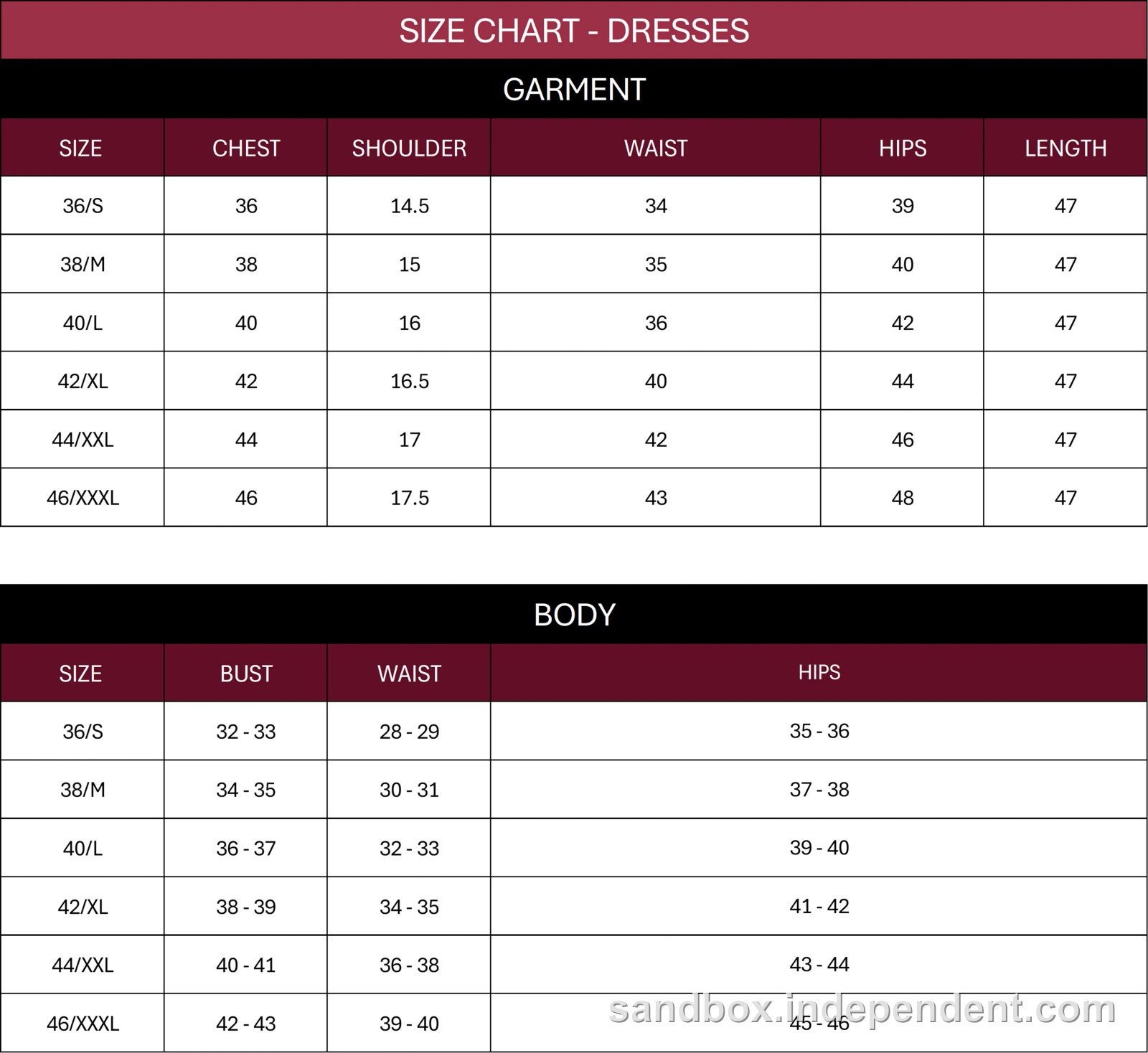
Many people approach the Levis size chart with a bit of trepidation, assuming it's a complex and confusing tool. However, it's actually a straightforward guide that can make finding your perfect fit a breeze. The chart, often accompanied by a sizing guide, provides a clear and visual representation of Levis' sizing system, ensuring you can easily navigate the brand's unique sizing standards. It's a simple reference, yet a powerful tool when you understand its layout and key measurements, such as waist size and inseam length.
Understanding the Levis Size Chart
The Levis size chart is a valuable tool for anyone looking to find their perfect fit in Levis jeans. It provides a clear and standardized guide to help you determine your size based on key body measurements. This chart ensures a consistent sizing experience across Levis products, making it easier to shop with confidence.
Key Details and Categories
The Levis size chart typically includes measurements for waist size, hip size, and inseam length. These measurements are crucial in determining the right fit for your body. The chart provides a range of sizes, usually in inches or centimeters, depending on the standard being used. For example, the waist size may be listed in inches, while the inseam length is given in centimeters. It's important to note that these measurements are specific to Levis products and may differ from other brands' sizing guides.
How to Read and Apply the Chart
To use the Levis size chart accurately, follow these steps:
- Measure your waist size: Use a measuring tape to find the circumference of your waist, ensuring the tape is parallel to the floor. This measurement should be taken at the point where you would normally wear your jeans.
- Determine your hip size: Measure the fullest part of your hips, again keeping the tape parallel to the floor. This measurement is crucial for a comfortable and flattering fit.
- Check your inseam length: Measure the length from your crotch to the point where you want your jeans to end. This measurement ensures the jeans have the desired length and fit.
- Refer to the Levis size chart: Locate your waist and hip measurements on the chart. The intersection of these measurements will give you your size. For example, if your waist is 32 inches and your hip measurement is 40 inches, you would look for the size that corresponds to these dimensions.
- Consider the style: Different Levis styles may have slightly different fits, so be sure to check the specific style guide for any variations. Some styles may have a slimmer or more relaxed fit, impacting the overall sizing.
Variations and Differences
It's important to note that sizing can vary across different standards and regions. Levis, like many clothing brands, may have slight variations in their size charts depending on the market. Additionally, individual body shapes and preferences can also impact the fit. Some people may prefer a looser or tighter fit, which can influence their size choice. It's always a good idea to refer to the brand's size guide and consider any style-specific notes.
Common Mistakes and How to Avoid Them
- Not measuring accurately: Ensure you follow the correct measuring techniques to get precise measurements. Inaccurate measurements can lead to an incorrect size choice.
- Ignoring style-specific guides: Different Levis styles may have unique fits. Always check the style guide to ensure you're choosing the right size for the style you want.
- Relying solely on past purchases: Sizing can change over time, and brands may update their size charts. It's best to measure yourself each time you shop to ensure an accurate fit.
- Assuming one size fits all: Levis offers a range of sizes to accommodate different body types. Don't be afraid to try different sizes to find the perfect fit.
- Neglecting care and maintenance: Proper care and maintenance of your jeans can impact their fit over time. Follow the care instructions to ensure your jeans maintain their shape and size.
Well, there you have it! A comprehensive guide to navigating the world of Levi's size charts. Remember, while this chart provides a solid foundation, exact values can vary, so always double-check your specific needs and requirements.
Consider bookmarking this page for future reference; it's a handy tool to have at your fingertips when you need to quickly find the right size. Stay stylish and confident, and happy sizing!