



Estimate Write Up Template Overview
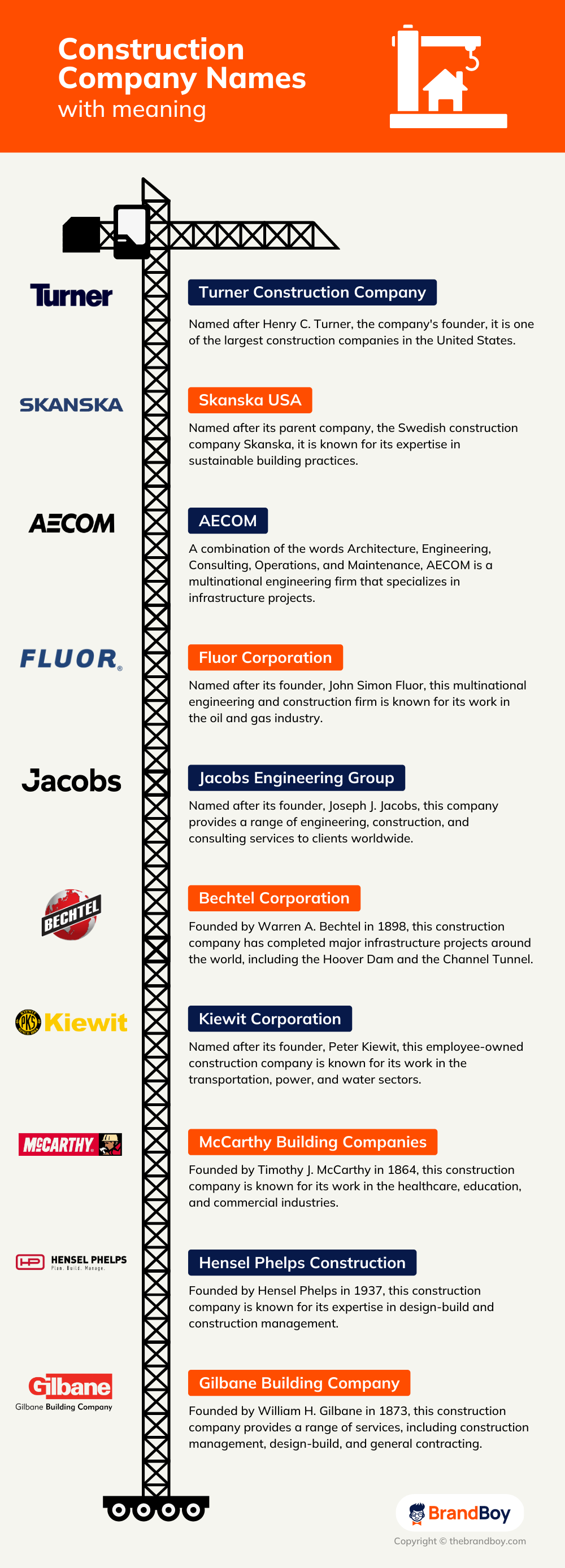
I was chatting with a friend recently, and we got onto the topic of unique construction names with meaning. It's something I've always found fascinating, how a name can capture the essence of a business and leave a lasting impression. So, I thought I'd share some thoughts and insights on this fun aspect of the construction world.
The Power of a Name
A unique and meaningful name for your construction business can set you apart from the competition. It's your first chance to make an impression and connect with potential clients. But what makes a good name? Well, it's a balance between creativity and practicality. You want something memorable, but it also needs to reflect your business's values and services.
Consider the tone and message you want to convey. Is your business focused on innovative, modern construction? Or do you specialize in traditional, heritage-style builds? The name should hint at your expertise and the unique value you bring to the table. It's a chance to showcase your personality and make a bold statement.
Naming Your Business
When brainstorming names, think about words and phrases that resonate with your brand. It could be a play on words, a nod to your location, or a reference to the services you offer. Get creative, but also ensure the name is easy to remember and pronounce. You don't want potential clients stumbling over your business name!
Here are a few original ideas to spark your imagination:
- Build-it-Bright
- Construct-a-Dream
- Hammer & Hive
- Modern Foundations
- Eco-Build Solutions
- The Bricklayer's Club
Remember, it's crucial to check the availability of your chosen name. You'll need to register it with local authorities and secure the domain name for your website. It's a good idea to consult a legal professional to ensure you're covering all the bases.
Standing Out in a Competitive Industry
The construction industry is bustling with businesses, both large and small. So, how do you make your company stand out? A unique and meaningful name is one way to differentiate yourself. It shows you've put thought into your brand and helps you build a strong identity.
Large construction firms often have well-established names that reflect their size and scope. They might incorporate their location or a reference to their long history. Smaller businesses, on the other hand, can use unique names to their advantage, showcasing their specialty and personality.
Finding the Right Contractor
When searching for a contractor, whether for a large-scale project or a home renovation, it's essential to do your research. A unique name can be a great conversation starter, but it's what's behind the name that matters most.
Ask for recommendations from friends and family, and check online reviews. Get quotes from several contractors and compare their services and prices. Don't be afraid to ask questions and ensure you understand the scope of the work and any potential additional costs. A good contractor will be transparent and happy to answer your queries.
Tools of the Trade
In the construction world, there are various tools and resources to help with estimating costs and managing projects. One such tool is RSMeans, a database that provides cost data for various construction projects. It's a valuable resource for both contractors and clients, offering insights into the potential costs of a build.
However, it's important to remember that these tools provide estimates, and the final cost can vary depending on factors like location, materials, and labor. Always get a detailed quote from your contractor and compare it with other estimates to ensure you're getting a fair price.
Final Thoughts
Choosing a unique and meaningful name for your construction business is an exciting step. It's a chance to showcase your creativity and leave a lasting impression. Remember to keep it practical and ensure your name reflects your brand's values and services. And when hiring a contractor, take the time to research and compare, ensuring you find the right fit for your project. Happy building!
Related: What's the best deer feeding chart for me?
You've likely landed here with a specific goal: to find a clear, concise deer feeding chart that offers reliable information at a glance. This chart is your go-to resource, a simple yet powerful tool for understanding deer nutrition and feeding practices. It provides a quick reference, ensuring you can make informed decisions about deer diet and care. While the exact values and formats may vary, depending on factors like region and specific needs, the deer feeding chart serves as an essential guide, offering insights into deer nutrition and the seasonal changes in their diet.
Understanding the Deer Feeding Chart
The deer feeding chart is a valuable tool for anyone managing deer populations or interested in their nutrition. It provides a comprehensive overview of the dietary needs of deer, offering insights into their feeding habits and requirements. This chart is designed to simplify the process of understanding deer nutrition and ensuring their proper care.
Comparing Chart Formats and Standards
There are various formats and standards for deer feeding charts, often influenced by regional differences and specific use cases. These charts typically present information on the nutritional composition of deer diets, including the percentage of protein, fiber, and other essential nutrients. They may also provide guidelines on the recommended daily intake and the types of forage available during different seasons.
Step-by-Step Guide to Using the Chart
To utilize the deer feeding chart effectively, follow these steps:
Identify the age and weight of the deer you are caring for. This information is crucial as nutritional requirements vary based on these factors.
Locate the relevant section on the chart that corresponds to the deer's age and weight. The chart often has distinct categories for fawns, yearlings, and adult deer.
Read the nutritional values and guidelines provided for each category. Pay attention to the recommended daily intake and the types of forage suggested.
Adjust the feeding plan based on the chart's recommendations. Ensure a balanced diet by providing the right proportion of protein, fiber, and other nutrients.
Monitor the deer's health and behavior. If any issues arise, consult an expert or adjust the feeding plan accordingly.
Avoiding Common Misinterpretations
It's essential to note that deer feeding charts provide general guidelines, and individual deer may have unique needs. Here are some common misinterpretations to avoid:
Assuming that the chart covers all scenarios: Always consider the specific context and environment in which the deer are living. Factors like weather, habitat, and available forage may require adjustments to the feeding plan.
Neglecting individual variations: Each deer is unique, and their nutritional needs can vary. Keep a close eye on their health and behavior to ensure they are receiving adequate nutrition.
Overlooking seasonal changes: Deer's dietary requirements often change with the seasons. The chart should be used as a dynamic tool, adapting to the changing needs of deer throughout the year.
Factors Affecting Accuracy and Real-World Application
When using a deer feeding chart, keep in mind the following key factors that can influence its accuracy and practical application:
Forage availability: The type and amount of forage available in a deer's habitat can greatly impact their diet. Ensure you understand the local forage options and their nutritional value.
Weather conditions: Extreme weather events can affect the nutritional content of forage. Be prepared to adjust feeding plans during droughts, floods, or other weather-related challenges.
Deer diet composition: While the chart provides a guide, deer may have preferences for certain foods. Observe their feeding habits and adjust the diet accordingly.
Special considerations: Pregnant or nursing does, as well as injured or sick deer, may have unique nutritional needs. Consult experts for specialized feeding plans in such cases.
Remember, while the deer feeding chart is a valuable resource, it should be used flexibly and adapted to the specific needs of the deer in your care. Regular monitoring and expert advice can ensure the health and well-being of these magnificent animals.
Remember, every deer and its needs are unique, so while this chart provides a fantastic starting point, you may need to make small adjustments to find the perfect feeding routine for your furry friends. It's all about finding that sweet spot!
We've got a whole library of practical guides just like this one, covering various topics to help you navigate the wonderful world of wildlife care. So, feel free to explore and discover more tips and tricks to enhance your outdoor adventures and make the most of your time with nature's creatures. Happy reading and happy feeding!
Related: Decoding Flange Size Charts: A Quick Guide
A flange size chart is a handy tool for anyone working with pipes and fittings, offering a quick visual guide to ensure precision. This guide will provide an overview of what these charts entail and how they can assist in your projects.
The charts present flange dimensions and pipe flange sizes, often with nominal pipe size indications, to help you select the right components. While values may vary based on standards and regions, the flange size chart serves as a reliable starting point for your measurements and specifications.
Understanding the Flange Size Chart: An Overview
The flange size chart is a valuable reference tool for anyone working with pipes and their connections. It provides a quick and clear overview of the various flange dimensions, helping you select the right size and type for your specific needs. This chart is a crucial guide, ensuring accurate installations and avoiding potential issues.
Comparing Flange Size Standards and Formats
Flange size charts can vary depending on the standard being used. Two common standards are the ASME (American Society of Mechanical Engineers) and the international metric system. These standards define different categories and measurements for flanges. For instance, the ASME standard uses nominal pipe size and pressure rating to categorize flanges, while the metric system focuses on pipe diameter and bolt circle dimensions.
Reading Flange Sizes: A Step-by-Step Guide
- Identify the Standard: Begin by determining which standard your project follows. Whether it's ASME or metric, this choice will guide your chart selection.
- Locate the Flange Type: The chart typically lists common flange types, such as weld neck, slip-on, and threaded flanges. Find the one that matches your application.
- Read the Dimensions: For each flange type, the chart provides key dimensions. Look for the nominal pipe size or pipe diameter, as well as the flange pressure rating or bolt circle diameter. These values are essential for selecting the right flange.
- Check Tolerances: Some charts may also include tolerance ranges. These indicate the acceptable variations in dimensions, ensuring a proper fit.
Common Misreadings and How to Avoid Them
One common mistake is assuming that all flange size charts are universal. Always double-check the standard and ensure it aligns with your project's requirements. Additionally, pay close attention to the units used. Some charts may use inches, while others prefer millimeters, so conversions might be necessary.
Factors Affecting Accuracy and Real-World Use
Several factors can influence the accuracy of your flange selection. Firstly, the pressure rating of the flange must match the expected pressure in your system. Secondly, consider the material of the flange. Different materials have varying strength and corrosion resistance, so choose wisely. Lastly, ensure the bolt circle matches the bolt pattern on your equipment to avoid misalignments.
Adapting the Flange Size Chart for Specific Needs
If you have unique requirements, you might need to adapt the flange size chart. For instance, if you're working with large-diameter pipes, you may need to consult specialized charts or calculate dimensions manually. Similarly, if you're dealing with extreme pressure or temperature conditions, you might require custom-made flanges.
Keeping Your Reference Reliable for Future Projects
To ensure reliability, regularly update your flange size chart. Standards and regulations can evolve, so staying informed is crucial. Additionally, consider creating a digital or physical reference library, organizing charts by standard and application. This way, you'll have quick access to the right chart for any future project.
Well, there you have it, a comprehensive guide to flange size charts and their practical applications. We've covered a lot of ground, from understanding the different standards and formats to navigating potential pitfalls and ensuring accuracy.
Remember, when it comes to flange size charts, context is key. Double-check your specific requirements and ensure you're using the right chart for your needs. It's always a good idea to keep this guide handy, so bookmark this page for future reference. You never know when you'll need a quick reminder on flange sizes!