

Fitness Worksheets For High School Overview
I've got a question for you: how do you estimate the cost of a construction project? I mean, it's a big deal, right? You don't want to get it wrong and end up overpaying or, worse, not having enough to finish the job. That's where the RSMeans database comes in handy. It's like a secret weapon for anyone in the construction game.
Unlocking the Power of RSMeans
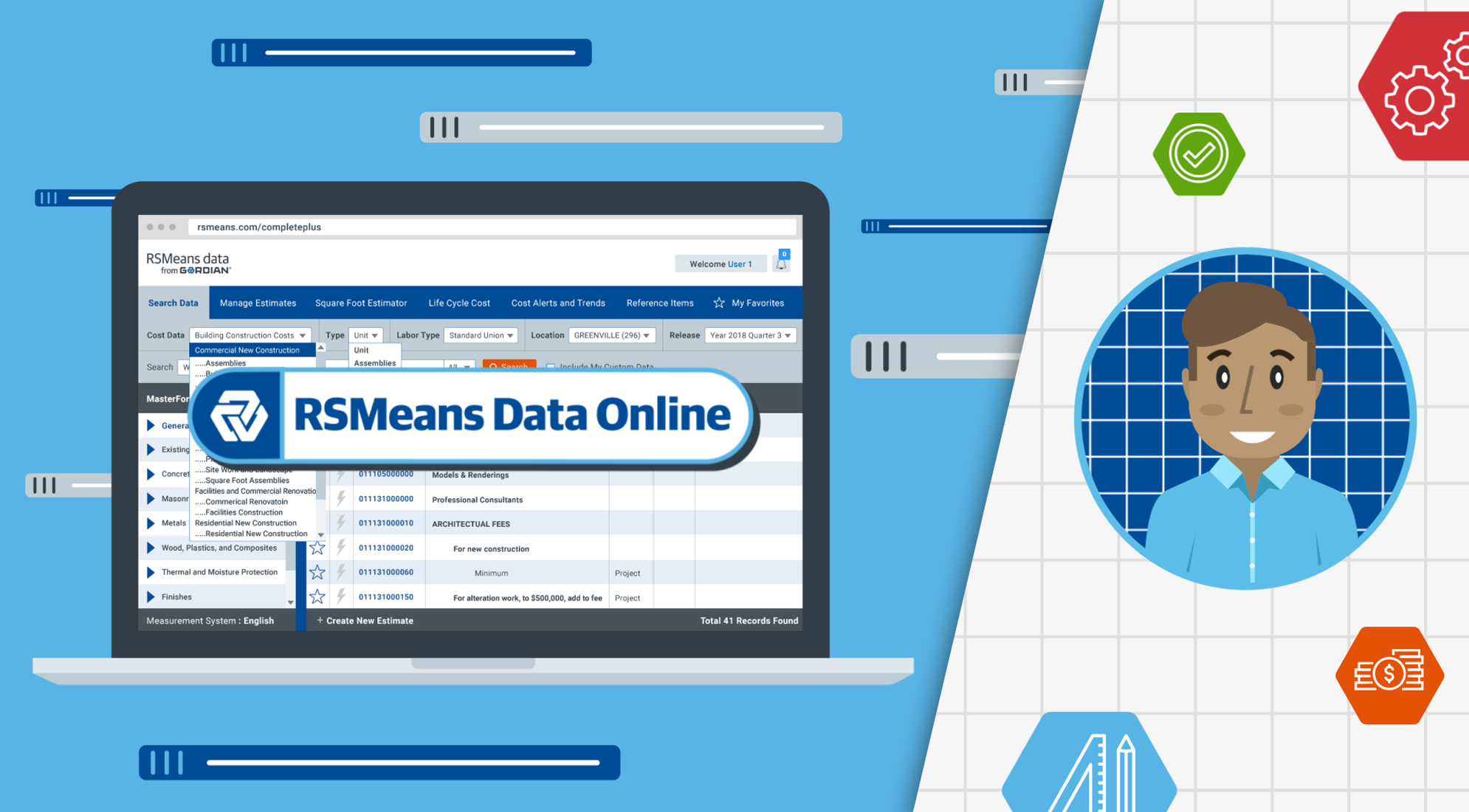
The RSMeans database is a comprehensive tool used by construction professionals to estimate costs accurately. It's a go-to resource for anyone involved in building, from contractors to architects and even homeowners taking on a renovation. This database provides detailed information on various construction elements, from materials to labor, helping users make informed decisions and create precise budgets.
One of the key advantages of RSMeans is its ability to provide location-specific data. Construction costs can vary significantly depending on where you are, and this database takes that into account. It offers regional insights, ensuring your estimates are relevant and accurate for your specific area. Whether you're in Atlanta or San Francisco, RSMeans has you covered.
Estimating Costs with Precision
When it comes to cost estimation, RSMeans is a game-changer. It provides detailed cost data for a wide range of construction projects, helping you avoid those nasty surprises down the line. With RSMeans, you can get an accurate picture of the costs involved, from the initial materials to the final touches.
For instance, if you're planning a bathroom renovation, RSMeans can give you an idea of the cost of materials like tiles, fixtures, and plumbing, as well as the labor involved. It's like having an expert by your side, guiding you through the entire process. And the best part? You can compare quotes from different contractors with confidence, knowing you have a reliable benchmark.
Choosing the Right Contractor
Hiring a contractor is a big decision, and RSMeans can help you make an informed choice. By using this database, you can ensure the quotes you receive are fair and accurate. It's a great way to weed out the cowboys and find a reputable, reliable contractor.
When reviewing quotes, look for detailed breakdowns. A good quote should include costs for materials, labor, and any additional fees. It's also worth checking the contractor's experience and reputation. RSMeans can't do that for you, but it's a great starting point to ensure you're on the right track.
Building a Construction Business
If you're in the business of construction, a unique and memorable name is key. It's your brand, your identity. A good name can set you apart and make you memorable. Here are a few ideas to get you started:
- Build-It-Right
- Solid Foundations
- Crafted Spaces
- Home Evolution
- Constructive Solutions
Remember, when choosing a name, make sure it's available for registration and that the domain name is free. You don't want any legal headaches down the line!
The Bigger Picture
The construction industry is a vast and varied landscape. From small, local businesses to large, national firms, there's a place for everyone. While the big players often have the resources and reach, smaller companies can offer a more personalized service. It's all about finding the right fit for your project.
When it comes to jobs in construction, there's a role for everyone, from estimators to project managers and skilled laborers. Salaries can vary greatly depending on the role, experience, and location. It's a vibrant industry with plenty of opportunities for growth and development.
So, there you have it. The RSMeans database is a powerful tool for anyone in the construction game. It's a resource that can save you time, money, and headaches. Whether you're a homeowner, contractor, or industry professional, it's worth exploring.
Related: Need a PT Chart for R-22?
You've likely arrived here with a specific goal: to understand and utilize the pt chart for r-22 efficiently. This chart is a handy tool, offering a quick reference for those seeking precise information on R-22 refrigerant. Whether you're a technician, an engineer, or simply someone needing accurate data, the R-22 pressure-temperature chart provides a clear visual representation of refrigerant properties. It's a go-to resource, offering insights into the relationship between pressure and temperature, and can guide you in various applications, from HVAC systems to refrigeration.
Understanding the PT Chart for R-22
The pt chart for r-22 is a valuable tool for anyone working with this refrigerant, providing a visual representation of its pressure-temperature relationship. This chart serves as a quick reference guide, offering insights into the refrigerant's behaviour under different conditions. By understanding this chart, you can make informed decisions when dealing with R-22 systems.
Comparing Pressure-Temperature Standards and Formats
There are various standards and formats for pt charts, each designed for specific purposes and regions. The chart for R-22 typically follows industry-standard pressure-temperature units, such as psi (pounds per square inch) and degrees Fahrenheit. These units are commonly used in the United States and are familiar to many technicians. However, it's important to note that other regions may use different units, such as bar and degrees Celsius, so always check the chart's legend or key to ensure you're interpreting the data correctly.
Step-by-Step Guide to Reading the PT Chart for R-22
Identify the Pressure and Temperature Axes: The pt chart will have two axes, one representing pressure and the other temperature. These axes are typically labelled clearly, but if you're unsure, refer to the chart's key or legend.
Locate the Operating Point: Determine the pressure and temperature values you need to read. These values will correspond to the refrigerant's state at a specific point in the system. For example, you might be interested in the pressure and temperature at the condenser outlet.
Find the Intersection: Locate the intersection of the pressure and temperature values on the chart. This point represents the refrigerant's state at that specific condition. The chart will provide information about the refrigerant's properties, such as its density, specific volume, and enthalpy, at that point.
Interpret the Data: The chart will often include additional lines or curves representing important parameters. For instance, you might see lines indicating the saturation pressure-temperature relationship, which helps determine if the refrigerant is in a saturated or superheated state. Understanding these lines and their meanings is crucial for accurate interpretation.
Common Misreadings and How to Avoid Them
One common mistake is assuming that the pt chart provides absolute values. While it offers valuable insights, it's essential to remember that the chart represents a generalised relationship. Actual system conditions may vary due to factors like system design, load, and ambient temperature. Always cross-reference the chart with real-time measurements and consider the specific context of your application.
Key Factors Affecting Accuracy and Real-World Use
Several factors can influence the accuracy of the pt chart for r-22. Firstly, the chart assumes ideal conditions, so deviations from these conditions can lead to variations in real-world performance. Factors like system efficiency, refrigerant charge, and component quality can impact the refrigerant's behaviour. Additionally, the chart may not account for all possible scenarios, such as extreme temperatures or specific system configurations. In such cases, it's crucial to consult the manufacturer's specifications or seek expert advice.
Choosing the Right Format for Specific Needs
The pt chart for r-22 comes in various formats, each tailored to different applications and preferences. Some charts provide a comprehensive overview, including multiple curves and lines, while others focus on specific parameters. When selecting a chart, consider your primary needs. If you're primarily interested in saturation properties, choose a chart that emphasises those. Alternatively, if you require a quick reference for superheat and subcooling calculations, opt for a chart designed for that purpose. Customising your chart selection ensures you have the most relevant and useful information at hand.
Well, there you have it! A handy PT chart for R-22 is a great tool to have in your arsenal, offering a quick and practical reference for your needs. Remember, while this guide provides a solid framework, your specific circumstances may require some adjustments.
So, before you put this knowledge into action, take a moment to ensure you've considered all the unique factors relevant to your situation. And don't forget, this page is here for you whenever you need a refresher, so feel free to bookmark it for future use!
Related: Jobs Hiring Construction Simple Guide for Builders
I've got a friend who's been looking for work in jobs hiring construction, and it got me thinking about how many people are out there searching for these roles. So, I decided to look into it and share what I found.
Construction Jobs: What's Out There?
When you hear jobs hiring construction, you might think of the big-name building companies, but there's a whole lot more to it than that. Construction covers a massive range of roles, from general contractors to specialized trades like plumbing or electrical work. It's not just about building new stuff, either; remodeling and home renovation are huge parts of the industry.
So, what does this mean for job seekers? Well, there are plenty of opportunities, but it's not always easy to know where to look or what to ask. Let's break it down.
Finding the Right Role
First, consider the type of work you want to do. Are you more interested in the hands-on side of construction, like carpentry or bricklaying? Or do you prefer the planning and management side, perhaps as a project coordinator or estimator? The great thing about construction is that there are roles for all kinds of skills and interests.
Once you've got an idea of the type of work you want, it's time to start looking. Online job boards are a good place to start, but don't forget about local companies and smaller businesses. They might not always advertise roles online, so it's worth giving them a call or popping in to see if they're hiring.
Hiring a Contractor: What to Look For
If you're on the other side of the fence and need to hire a contractor for a project, there are a few things to keep in mind. First, get quotes from several companies. This will give you an idea of the going rate and help you spot any outliers.
When comparing quotes, look beyond the price. Check the scope of the work, the materials and labor included, and the timeline. A cheaper quote might not be the best value if it excludes key elements or takes much longer to complete.
Company Names and Branding
For those starting their own construction business, choosing a name is a big deal. It needs to be memorable, reflect your services, and stand out from the competition. Some examples of catchy construction company names include:
- Build-it-Right
- Hammer Down Solutions
- Pro-Fit Renovations
- Crafted Spaces
- Blue Collar Builders
Before settling on a name, check its availability for registration and domain purchase. You don't want to get too far down the line only to find out someone else has already taken the name.
Industry Tools and Data
Construction professionals often use tools like RSMeans to estimate costs and track escalation. These databases provide valuable data on labor and material costs, helping contractors and companies price their services accurately.
While these tools are great, they're just a starting point. Local conditions, permit requirements, and the scope of your project will all impact the final cost. Always get several quotes and compare them carefully.
Wrapping Up
There's a lot to uncover when you start looking into jobs hiring construction. Whether you're seeking work or hiring a contractor, it's a complex but rewarding industry. I hope this has given you some useful insights and ideas to get you started. Happy job hunting, and good luck with those projects!