

Flashcards For Studying Overview
Many crafters, especially beginners, often overlook the importance of understanding weight chart yarn and how it can impact their projects. While it may seem like a simple reference, it's a crucial tool to ensure your knitting or crocheting turns out just right.
The weight chart provides a clear indication of yarn thickness, and while the values might vary slightly, it offers a consistent guide to help you choose the right yarn for your pattern. Think of it as a roadmap, guiding you to the perfect yarn weight for your next creation, be it a cozy scarf or a delicate lace shawl.
What is a Weight Chart for Yarn?
A weight chart for yarn is a valuable tool that helps knitters, crocheters, and other yarn crafters understand the thickness or "weight" of different yarn types. It's like a map that guides you through the world of yarn, ensuring you choose the right thickness for your project.
Key Details and Categories
The weight chart typically consists of categories or ranges that describe the thickness of the yarn. These categories are often represented by numbers or symbols, and they provide a standardized way to compare and choose yarns. For example, you might see categories like "Lace," "Fingering," "Sport," "Worsted," and "Bulky." Each category has a specific range of thicknesses, and the chart helps you visualize and understand these differences.
How to Read and Apply the Weight Chart
Reading a weight chart is straightforward. First, identify the category or range that best describes the thickness of your yarn. You can do this by referring to the label on the yarn ball or skein, which often includes the weight category. If you're not sure, you can also measure the thickness of the yarn with a gauge tool or by comparing it to known thicknesses. Once you've identified the category, you can use the chart to understand the yarn's characteristics and choose the appropriate needle or hook size for your project. For instance, if you're working with a worsted-weight yarn, you'll typically use a 4.5-5.5 mm needle or a 5.0-5.5 mm hook.
Variations and Differences
It's important to note that weight charts can vary depending on the standard being used. The most common standards are the Craft Yarn Council (CYC) Standard Yarn Weight System, which is widely used in the US, and the International Standard (metric system). These systems may have slightly different categories and ranges, so it's crucial to know which standard your chart is based on. Additionally, some yarn manufacturers may use their own proprietary systems, so always double-check the specific weight category and its range if you're unsure.
Common Mistakes and How to Avoid Them
One common mistake is assuming that all yarns within a category are exactly the same thickness. While the categories provide a useful guide, there can be variations within each range. Always check the specific gauge or thickness of your yarn, especially if you're substituting one brand or type for another. Another mistake is ignoring the recommended needle or hook size. Using the wrong size can result in a project that's too loose or too tight, affecting the overall look and feel of your work.
Practical Tips for Accurate Results
When choosing yarn, always refer to the weight chart and the specific weight category of your yarn. If you're working from a pattern, ensure the recommended yarn weight matches the weight of the yarn you've chosen. If you're substituting yarn, compare the thickness and weight category of your new yarn to the original yarn specified in the pattern. This ensures your project will turn out as intended. Additionally, always check the gauge or tension of your work early on in the project to ensure you're achieving the desired results. If your gauge is off, adjust your needle or hook size accordingly.
Hey there, I hope this guide has given you a clear understanding of weight chart yarn and its practical uses. Remember, while the basics remain the same, the exact details can differ slightly based on your specific needs and the standards you're working with.
Feel free to explore our other guides; we've got a range of topics covered to help you navigate the world of yarn and crafts with ease. Happy crafting!
Related: RSMeans Database Essential Guide for Builders
I've got a question for you: how do you estimate the cost of a construction project? I mean, it's a big deal, right? You don't want to get it wrong and end up overpaying or, worse, not having enough to finish the job. That's where the RSMeans database comes in handy. It's like a secret weapon for anyone in the construction game.
Unlocking the Power of RSMeans
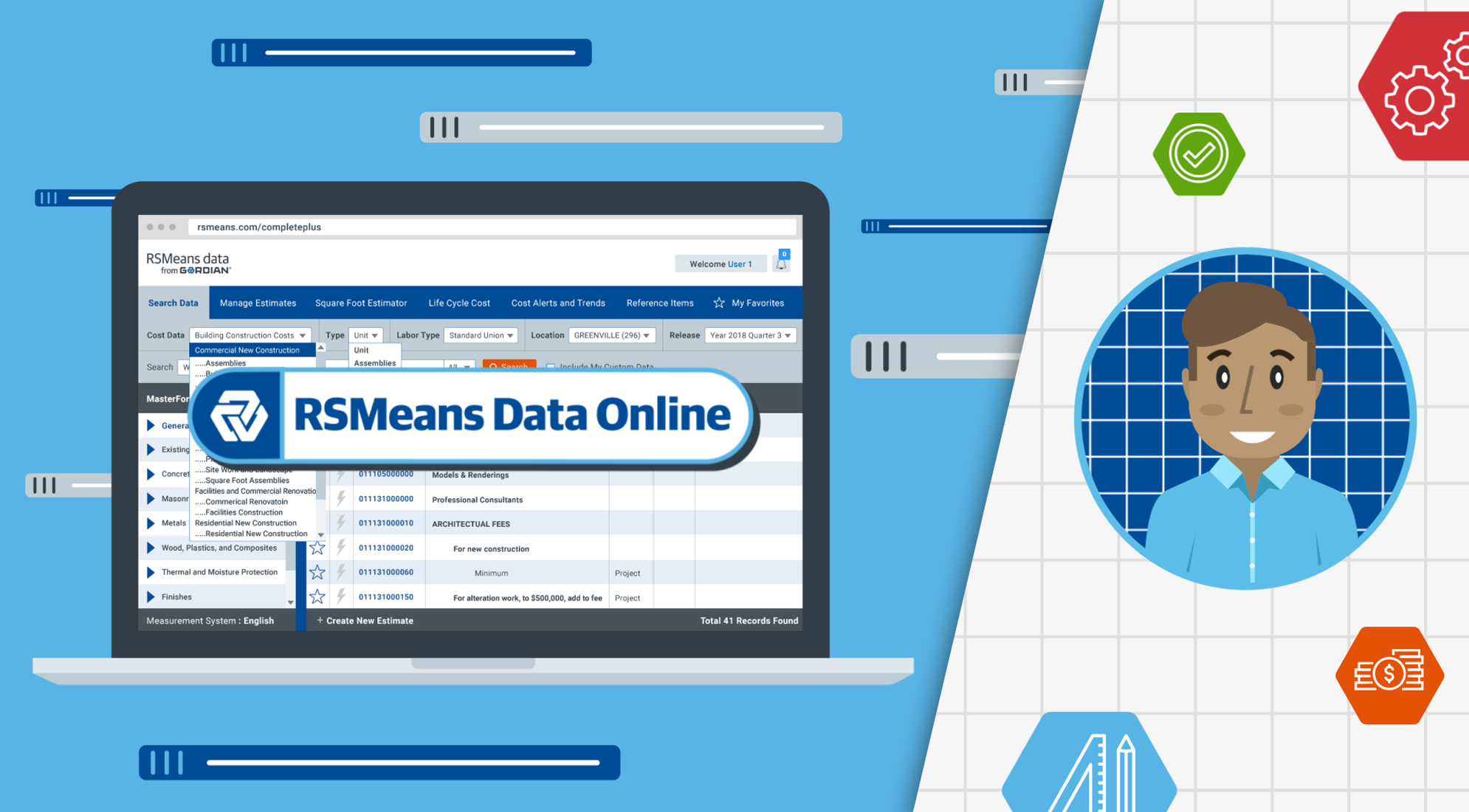
The RSMeans database is a comprehensive tool used by construction professionals to estimate costs accurately. It's a go-to resource for anyone involved in building, from contractors to architects and even homeowners taking on a renovation. This database provides detailed information on various construction elements, from materials to labor, helping users make informed decisions and create precise budgets.
One of the key advantages of RSMeans is its ability to provide location-specific data. Construction costs can vary significantly depending on where you are, and this database takes that into account. It offers regional insights, ensuring your estimates are relevant and accurate for your specific area. Whether you're in Atlanta or San Francisco, RSMeans has you covered.
Estimating Costs with Precision
When it comes to cost estimation, RSMeans is a game-changer. It provides detailed cost data for a wide range of construction projects, helping you avoid those nasty surprises down the line. With RSMeans, you can get an accurate picture of the costs involved, from the initial materials to the final touches.
For instance, if you're planning a bathroom renovation, RSMeans can give you an idea of the cost of materials like tiles, fixtures, and plumbing, as well as the labor involved. It's like having an expert by your side, guiding you through the entire process. And the best part? You can compare quotes from different contractors with confidence, knowing you have a reliable benchmark.
Choosing the Right Contractor
Hiring a contractor is a big decision, and RSMeans can help you make an informed choice. By using this database, you can ensure the quotes you receive are fair and accurate. It's a great way to weed out the cowboys and find a reputable, reliable contractor.
When reviewing quotes, look for detailed breakdowns. A good quote should include costs for materials, labor, and any additional fees. It's also worth checking the contractor's experience and reputation. RSMeans can't do that for you, but it's a great starting point to ensure you're on the right track.
Building a Construction Business
If you're in the business of construction, a unique and memorable name is key. It's your brand, your identity. A good name can set you apart and make you memorable. Here are a few ideas to get you started:
- Build-It-Right
- Solid Foundations
- Crafted Spaces
- Home Evolution
- Constructive Solutions
Remember, when choosing a name, make sure it's available for registration and that the domain name is free. You don't want any legal headaches down the line!
The Bigger Picture
The construction industry is a vast and varied landscape. From small, local businesses to large, national firms, there's a place for everyone. While the big players often have the resources and reach, smaller companies can offer a more personalized service. It's all about finding the right fit for your project.
When it comes to jobs in construction, there's a role for everyone, from estimators to project managers and skilled laborers. Salaries can vary greatly depending on the role, experience, and location. It's a vibrant industry with plenty of opportunities for growth and development.
So, there you have it. The RSMeans database is a powerful tool for anyone in the construction game. It's a resource that can save you time, money, and headaches. Whether you're a homeowner, contractor, or industry professional, it's worth exploring.
Related: What's the Right Bat Size for You?
Many people assume that a bat size chart is solely about the length of a bat, but it's actually a comprehensive guide covering various dimensions and specifications. While length is an essential factor, a bat size chart also provides insights into other critical aspects, ensuring you choose the right equipment. This simple yet effective tool offers a quick reference, guiding you through the process of selecting the perfect bat size, whether for yourself or a young player.
Understanding the Bat Size Chart: A Quick Overview
The bat size chart is an essential tool for anyone involved in baseball or softball, offering a simple yet effective way to determine the appropriate bat size for players of all ages and skill levels. This chart acts as a reference guide, providing measurements and recommendations to ensure players have the right equipment for their physical attributes and playing style.
Comparing Bat Size Standards and Formats
Bat size charts can vary depending on the sport and the specific standards or regulations followed. For instance, baseball and softball often have different size charts, and even within these sports, there might be variations for youth leagues, adult recreational play, or professional leagues. These charts typically cover bat length and weight, with some also including additional factors like drop weight (the difference between bat length and weight) and barrel diameter.
Measuring for the Right Bat Size: A Step-by-Step Guide
To use a bat size chart accurately, follow these steps:
- Identify the relevant chart for your sport and league.
- Measure the player's height and, if applicable, their weight.
- Refer to the chart to find the recommended bat length based on the player's height and weight.
- Consider the player's age and skill level, as these can influence the ideal bat weight and drop.
- Select a bat within the recommended range, keeping in mind that personal preference and comfort are also important factors.
Common Size Variations and How to Avoid Misreadings
While bat size charts provide a great starting point, there can be variations due to several factors:
- Height and weight are just two of many physical attributes that can influence bat size. Hand size, arm length, and overall strength can also play a role.
- Age and skill level are often used as general guidelines, but individual player development and experience can vary widely.
- Manufacturer variations can occur, as different brands might have slightly different size recommendations or use unique sizing systems.
To ensure a perfect fit, it's essential to consider these factors and not solely rely on the chart. Always allow for some flexibility and personal preference, as the ultimate goal is to find a bat that feels comfortable and performs well for the individual player.
Before you put this guide to use, remember to cross-check your specific needs and requirements. While the chart offers a comprehensive overview, exact values can vary, so it's essential to ensure you're referring to the right standard or source for your context.
Consider bookmarking this page for future reference; it's a handy tool to have at your fingertips when you need a quick reminder of bat sizes. Stay organized, and happy batting!