








Flashcards School Objects Overview
Construction companies that build schools are an essential part of our communities, and yet, they often go unnoticed. Every time I walk past a new school building or see an old one getting a much-needed upgrade, I'm reminded of the hard work and expertise that goes into these projects. So, let's explore what these companies do, why they matter, and how they impact our lives.
Building Knowledge: An Inside Look
Construction companies that build schools specialize in creating educational spaces. They take on the task of designing, constructing, and often remodeling these facilities to provide the best learning environments for students. From kindergarten classrooms to university lecture halls, these companies play a vital role in shaping our educational infrastructure.
The process involves a lot more than just bricks and mortar. It requires careful planning, skilled labor, and an understanding of educational needs. These companies work closely with architects, engineers, and educational experts to ensure the final product meets all the necessary standards and regulations. They consider factors like safety, accessibility, and the unique requirements of different age groups and subjects.
What Makes a Good School Construction Company?
When it comes to choosing a company for your school project, there are several key factors to consider. First and foremost, you want a company with a proven track record in educational construction. Look for experience and a portfolio that showcases a variety of school projects. This ensures they understand the specific needs and challenges of building for education.
Another crucial aspect is communication. A good construction company will keep you informed throughout the process, providing regular updates and addressing any concerns promptly. They should also be transparent about their pricing and provide detailed, itemized quotes. Remember, it's not just about the initial cost but also the long-term value and durability of the construction.
Naming the Game: Construction Company Names
Naming a construction company is an art in itself. A good name should be memorable, professional, and reflect the company's expertise and values. It might include a reference to education, learning, or the specific services they offer. Here are a few original ideas:
- Educonstruct
- Build-Ed
- Schoolhouse Builders
- Learning Legacy Construction
- Scholar's Choice
- Smart Build
Before settling on a name, it's essential to check its availability for domains and local business registration. A unique and available name will help your construction company stand out and be easily found.
The People Behind the Projects
Construction companies that build schools employ a range of skilled professionals. From project managers and estimators to architects and engineers, each role is crucial to the success of a school construction project. These individuals bring their expertise and passion to create functional, inspiring spaces for learning.
Project managers, for instance, oversee the entire process, ensuring everything stays on track and within budget. Estimators provide cost analyses and help with financial planning. Architects and engineers design and plan the building, considering structural integrity and functionality. Each role is vital, and these professionals often work together seamlessly to bring a school project to life.
Final Thoughts
Construction companies that build schools are more than just builders; they're creators of learning environments. Their work impacts the education and future of our communities. By understanding the process, the people involved, and the factors that influence construction, we can appreciate the value and complexity of these projects. So, the next time you pass a school, take a moment to think about the hard work and dedication that went into its creation.
Related: Unravel the Rodent Poop Chart: A Simple Guide
Many people tend to overlook the importance of a rodent poop chart, assuming it's a trivial matter. However, this chart is a valuable tool with a simple yet effective purpose.
It offers a straightforward way to identify and understand rodent droppings, which can be crucial for various reasons. While the values and formats may vary depending on your region or specific needs, the rodent poop chart provides a reliable guide to help you make informed decisions and take appropriate actions.
Understanding the Rodent Poop Chart: A Practical Guide
The rodent poop chart is a handy tool for identifying and distinguishing between different types of rodent droppings. It provides a visual reference guide, often in the form of a chart or table, to help you accurately identify the type of rodent you may be dealing with based on their waste. This chart is particularly useful for pest control, wildlife enthusiasts, and anyone curious about the rodents in their environment.
Key Details and Categories
The rodent poop chart typically includes visual representations of various rodent droppings, often displayed as images or drawings. These visual aids show the size, shape, and color of the droppings, which are crucial for accurate identification. The chart may also provide additional information such as the average length and width of the droppings, helping to further narrow down the specific rodent species. It's important to note that while the chart offers a comprehensive guide, there can be slight variations in droppings due to factors like diet and environment.
Reading the Chart: A Step-by-Step Guide
To use the rodent poop chart effectively, follow these steps:
Observe the droppings you want to identify. Take note of their overall size, shape, and color. Are they long and thin, or more rounded? What shade of brown or black are they?
Compare your observations to the chart. Look for droppings that match or closely resemble the ones you found. Pay attention to the provided measurements and visual cues.
Consider the context. The chart may provide additional information, such as common habitats or dietary preferences, to help narrow down the species. For instance, if you find droppings in a rural area with access to grains, it could indicate a different rodent than if you found them in an urban setting with more varied food sources.
Confirm your findings. Once you've identified a potential match, double-check the species' characteristics and behavior to ensure a correct identification.
Variations and Differences: Why It Matters
While the rodent poop chart is a valuable resource, it's important to understand that droppings can vary due to various factors. Diet plays a significant role; a rodent's diet can affect the size and color of their droppings. Additionally, environmental conditions can impact droppings, as rodents in different habitats may have access to varying food sources. It's also worth noting that while the chart provides standard measurements, there can be slight variations between individuals of the same species. Therefore, it's essential to consider these factors when using the chart and to consult additional resources for a more accurate identification if needed.
Hey there, fellow rodent enthusiasts! We hope this guide has given you a clear understanding of the rodent poop chart and its practical uses. Remember, while the basics remain the same, exact details can differ slightly, so always refer to the most relevant and up-to-date sources for your specific needs.
If you're keen to explore more, why not check out our other guides on related topics? We've got a whole range of fun and informative content to keep you entertained and educated. Happy reading!
Related: Construction Industry Sustainability Essential Guide
Construction industry sustainability is a buzzword these days, but it's more than just a trend. It's about building a better future, literally and figuratively. So, let's break it down and see what it's all about.
Building a Greener Future
Construction industry sustainability is all about creating a more environmentally friendly and socially responsible approach to building. It's not just about the end result, but the entire process, from design to completion. By adopting sustainable practices, the construction industry aims to reduce its environmental impact and create a more sustainable world.
This means considering the long-term effects of construction projects and finding ways to minimize waste, conserve resources, and promote energy efficiency. It's about using materials that are eco-friendly, durable, and locally sourced whenever possible. Sustainable construction also involves thinking about the well-being of workers and the community, ensuring fair practices and minimizing disruptions.
Practical Steps for a Sustainable Build
So, how can you ensure your construction project is sustainable? Here are some key considerations:
Materials: Opt for sustainable and recycled materials. Look for certifications like LEED or Energy Star to guide your choices. Consider the lifespan and maintenance needs of materials to reduce future costs and environmental impact.
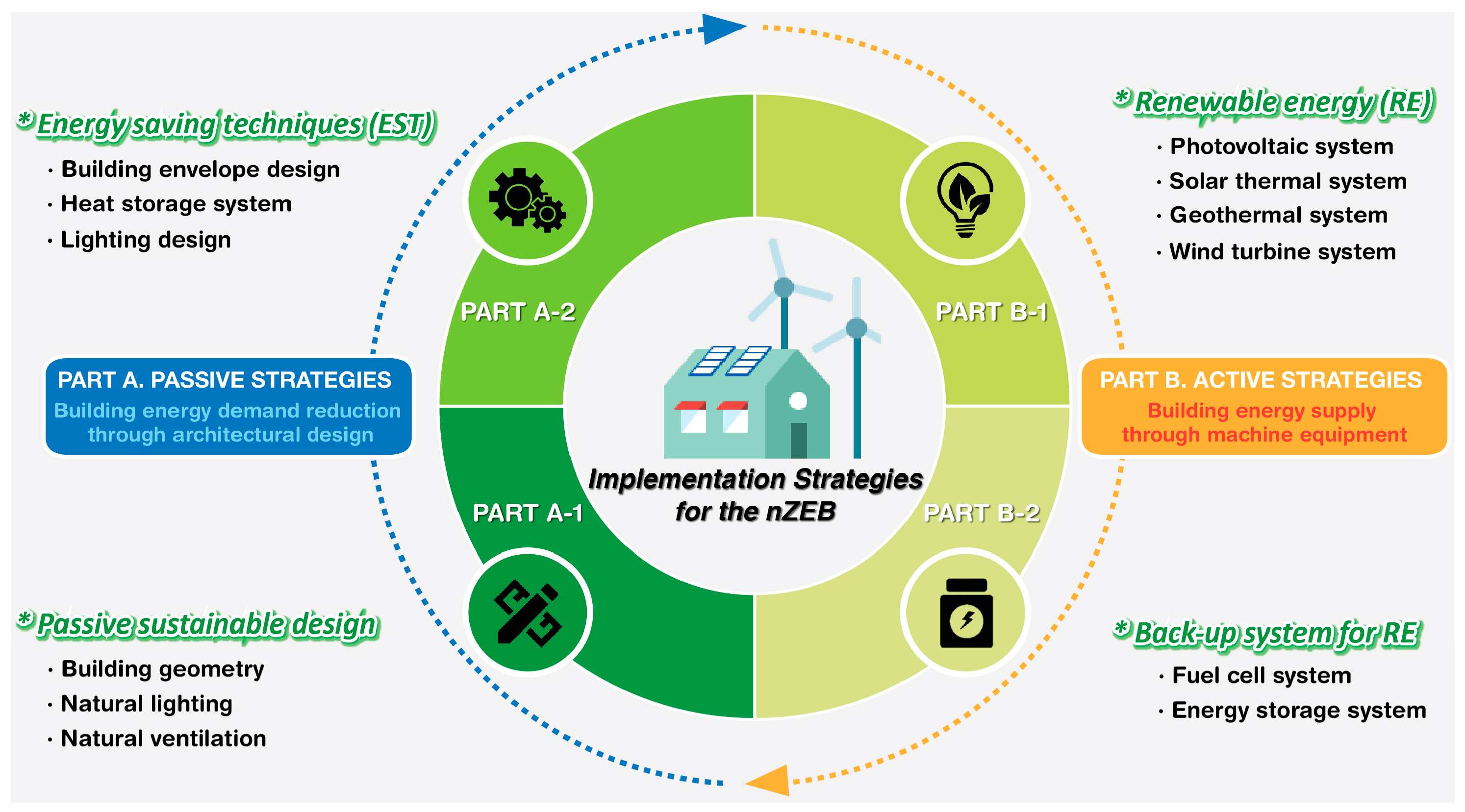
Energy Efficiency: Focus on insulation, efficient HVAC systems, and smart design to minimize energy consumption. Proper insulation and energy-efficient appliances can significantly reduce a building's carbon footprint.
Waste Management: Implement a waste reduction plan. Separate and recycle construction waste, and consider donating or reusing materials where possible. Proper waste management not only benefits the environment but can also save costs.
Water Conservation: Install water-efficient fixtures and consider rainwater harvesting systems. These practices can reduce water usage and lower utility costs.
Green Spaces: Incorporate green roofs or walls to improve air quality, reduce urban heat, and provide habitat for local wildlife. Green spaces also enhance the aesthetic appeal of a building.
Choosing the Right Contractor
When hiring a contractor, sustainability should be a key factor. Ask about their experience with sustainable practices and their commitment to environmental initiatives. Look for certifications or memberships with green building organizations. Ensure they have a track record of successful sustainable projects.
Get detailed quotes that break down costs and materials. Compare quotes, but remember, the cheapest option might not always be the most sustainable or reliable. Ask for references and check their past work to ensure they deliver on their promises.
The Future of Construction
Construction industry sustainability is not just a passing trend; it's a necessary evolution. As the industry adapts, we can expect to see more innovative materials, efficient technologies, and a greater focus on renewable energy integration.
Large construction firms are already leading the way with ambitious sustainability goals and innovative projects. However, small and medium-sized businesses are also crucial to this movement, as they can adapt quickly and bring sustainable practices to a wider range of projects.
So, whether you're planning a home renovation or a large-scale development, consider the long-term benefits of construction industry sustainability. It's an investment in our planet's future and a step towards a more responsible and resilient industry.