




Fnaf Coloring Pages Freddy Overview
The Adams Time Chart is a handy tool for anyone seeking a quick and reliable reference when it comes to time-based measurements. This guide will give you an overview of how to use this chart effectively, ensuring you can navigate and apply its information with ease. Whether you're looking to convert standard time measurements or understand common time-related conversions, the Adams Time Chart is a practical solution. It provides a visual representation, making it simple to grasp and apply, and can vary depending on your specific needs and context.
What is the Adams Time Chart?
The Adams Time Chart is a valuable tool for anyone working with time-based measurements. It's a visual representation, often in the form of a diagram or table, that simplifies complex time conversions and helps you understand different time scales quickly. This chart is especially useful for professionals in fields like engineering, project management, and data analysis, where precise time references are essential.
Key Details and Categories
The Adams Time Chart typically covers a wide range of time units, from seconds to years, and sometimes even longer periods. It provides a clear hierarchy of these units, making it easy to see how they relate to each other. For instance, you'll find seconds, minutes, hours, days, weeks, months, and years, all organized in a logical, easy-to-follow manner. Each unit is represented by a specific symbol or abbreviation, ensuring a universal understanding across different regions and industries.
Reading and Applying the Chart
Using the Adams Time Chart is straightforward. Here's a step-by-step guide:
Identify the time unit you want to convert. Let's say you have a duration of 3 hours and want to express it in minutes.
Locate the relevant unit on the chart. In this case, find the "hours" category.
Follow the row or column associated with that unit. You'll see the equivalent values for other time units. For 3 hours, you'll find it's equal to 180 minutes.
If you need to convert to a smaller time unit (e.g., seconds), continue following the chart's path until you reach the desired unit. In our example, 180 minutes is equivalent to 10,800 seconds.
Variations and Differences
While the Adams Time Chart provides a standardized framework, variations exist due to different standards and contexts. For instance, some charts might include additional units like milliseconds or decades, catering to specific industries or scientific fields. Additionally, regional differences can impact how time is measured and represented. For example, the number of days in a month varies in different calendar systems, which can affect the chart's accuracy for certain calculations.
Common Mistakes and How to Avoid Them
One of the most common errors is misreading the chart, especially when dealing with large numbers or multiple conversions. Always double-check your references and ensure you're following the correct path on the chart. Another pitfall is assuming the chart covers all possible scenarios. Remember, it's a general guide, and certain specialized applications might require more precise calculations or adjustments. Always refer to specific guidelines or consult experts for highly specialized time-related tasks.
Practical Tips for Accurate Results
To ensure accuracy when using the Adams Time Chart, consider these tips:
Familiarize yourself with the chart's layout and symbols. Practice a few basic conversions to build confidence.
When dealing with complex calculations or critical tasks, verify your results using multiple methods. Cross-referencing with other charts or online converters can help spot errors.
Stay updated with the latest versions of the chart. Standards and conventions can evolve, so using an outdated chart might lead to incorrect results.
For highly specialized work, consider creating customized charts or templates tailored to your specific needs. This ensures you have a quick reference for the time units and conversions relevant to your work.
By following these practical tips and understanding the chart's limitations, you can confidently use the Adams Time Chart as a powerful tool for time-based measurements and conversions.
Well, I hope this Adams Time Chart guide has given you a clear understanding of this useful tool and its applications. It's a simple yet effective reference, and with a bit of practice, you'll be navigating time-related data like a pro!
Remember, when working with any chart or guide, it's essential to consider your specific needs and context. Exact values and units may differ slightly, so always double-check the standards relevant to your project. And don't worry, we've got you covered with plenty of other guides and resources to explore, so feel free to browse and discover more practical tips!
Related: Decoding the Emotion Code Chart: A Quick Guide
A common misconception about the emotion code chart is that it's a complex, intimidating tool, but it's actually a simple and powerful resource when used correctly. This chart, a visual representation of emotions, is an accessible guide that offers a clear and concise way to understand and interpret emotional responses. While there may be variations in the specific values and formats across different systems, the core concept remains the same: an emotion code system provides a structured approach to navigating the spectrum of human feelings.
Understanding the Emotion Code Chart: A Quick Overview
The emotion code chart is a valuable tool designed to help us interpret and understand human emotions. It provides a visual representation of various emotional states, offering a structured way to analyze and communicate feelings. This chart serves as a reference guide, aiding individuals in recognizing and expressing their emotions accurately.
Comparing Emotion Coding Systems: Formats and Standards
There are different formats and standards for emotional coding systems. The emotion code chart typically follows a widely accepted scale, ensuring consistency in emotional analysis. This scale often ranges from 0 to 10, with 0 representing a neutral or calm state and 10 indicating an intense or extreme emotion. It is essential to note that while this scale is common, variations may exist, especially in specialized fields or cultural contexts.
How to Use the Emotion Code Chart: A Step-by-Step Guide
To utilize the emotion code chart effectively, follow these steps:
- Identify the emotion you wish to analyze or communicate.
- Locate the emotion on the chart by considering its intensity and context.
- Assign a numerical value based on the scale, ensuring it aligns with the emotion's intensity.
- Communicate the emotion by sharing the assigned value, providing a clear and concise representation.
- When discussing emotions with others, refer to the chart to ensure a shared understanding.
Common Misreadings and Pitfalls: Ensuring Accurate Interpretation
Misinterpreting emotions can lead to misunderstandings. To avoid this, consider these tips:
- Ensure you understand the context in which the emotion is expressed.
- Be aware of cultural differences and how they may influence emotional expression.
- Regularly review and update your understanding of the emotion code chart, especially if you encounter new or unfamiliar emotions.
- Seek clarification if needed; open communication is key to accurate emotional interpretation.
Factors Affecting Real-World Accuracy: Key Considerations
When using the emotion code chart in real-life situations, several factors can impact accuracy:
- Affect intensity can vary widely between individuals, so be mindful of personal differences.
- Cultural norms and expectations play a significant role; emotions may be expressed differently across cultures.
- The context and situation greatly influence emotional responses; consider these factors when interpreting emotions.
- Personal experiences and past associations can shape how emotions are perceived and expressed.
- Physical and mental health conditions may affect an individual's emotional range and expression.
Remember, while the emotion code chart provides a valuable framework, it is essential to approach emotional analysis with flexibility and an open mind, considering the unique factors that influence each individual's emotional landscape.
Remember, the emotion code chart is a flexible tool, so you may find slight variations in practice. The key is to adapt it to your specific needs and context.
Feel free to explore our other guides for more practical insights and tips. Consider bookmarking this page for a handy reference—it might come in handy sooner than you think!
Related: Cost of Bathroom Reno Simple Guide
I've got to admit, cost of bathroom reno is a topic that's been on my mind lately. I'm planning a home renovation, and the bathroom is a key part of that. It's a space that can really add value to your home, but it's also a project that can quickly get expensive. So, I wanted to share my findings and some practical tips for anyone else considering a bathroom renovation.
Understanding the Costs
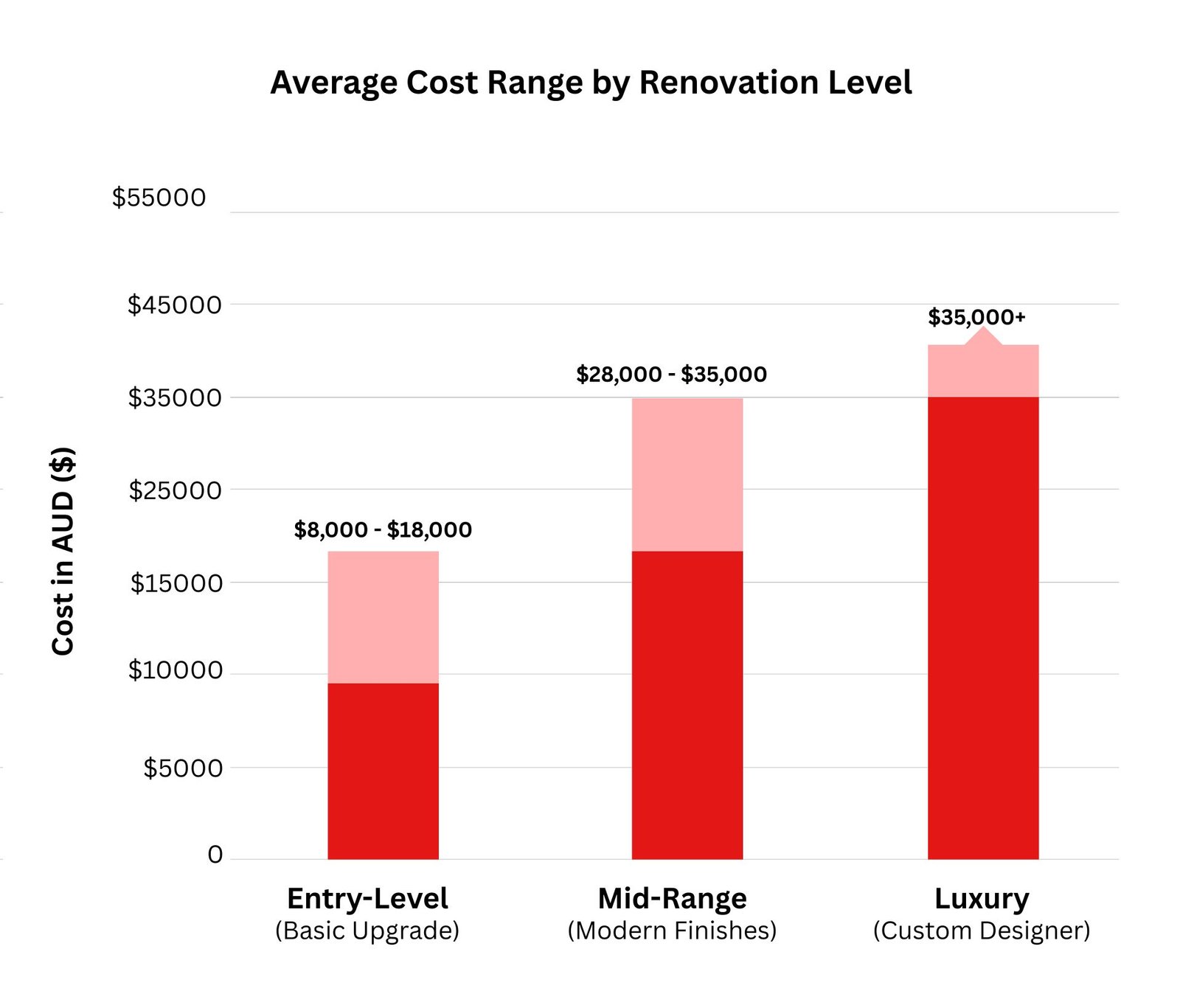
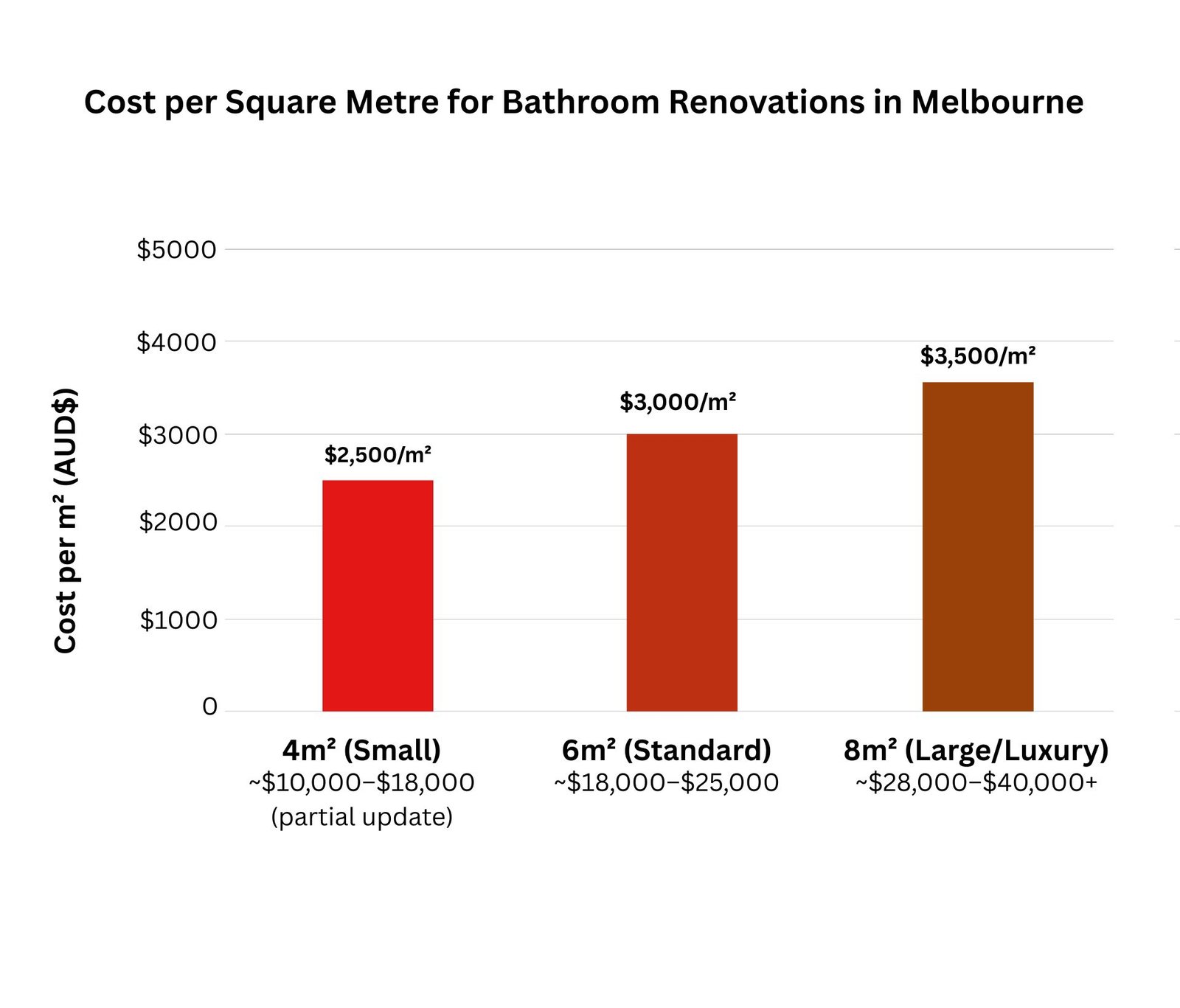
Renovating a bathroom involves a range of costs, and it's important to consider them all. From the initial design and planning to the actual construction, there are several factors that can impact the overall price. The size of your bathroom, the materials you choose, and the complexity of the work are all key considerations. For example, a simple update with new fixtures and a fresh coat of paint will likely be more affordable than a complete overhaul involving structural changes and custom features.
Finding the Right Contractor
Hiring a reputable contractor is crucial for a successful bathroom renovation. You want someone who understands your vision and can deliver quality work within your budget. Before hiring, ask for references and check their past projects. Get at least three quotes to compare prices and ensure you're getting a fair deal. Look for a contractor who provides a detailed breakdown of costs and is transparent about any potential additional expenses.
Construction Companies and Their Names
When it comes to construction companies, the name can be an important factor. It should be memorable, professional, and reflect the nature of the business. Some construction companies opt for a straightforward approach, using their founder's name or a combination of their services and location. Others go for a more creative route, choosing a unique name that stands out. Here are a few original name ideas:
- Build-It-Right
- HomeCrafters
- Renova
- Constructo
- The Fixers
- BuildSmart
Remember to check name availability and secure the necessary registrations and domains to avoid any legal issues.
Jobs and Salaries in the Industry
The construction industry offers a range of job roles, from general contractors and estimators to project managers and specialized tradespeople. Estimators, for example, play a crucial role in determining the cost of projects like bathroom renovations. They analyze factors like materials, labor, and equipment to provide accurate cost estimates. These professionals often work with construction companies and building firms, and their salaries can vary depending on experience and the size of the company.
Tools and Resources for Estimating Costs
When it comes to estimating the cost of a bathroom renovation, there are various tools and resources available. One popular resource is RSMeans, which provides comprehensive cost data for construction projects. It helps contractors and estimators calculate the expenses involved in different aspects of a renovation, including materials, labor, and equipment. While it's a valuable tool, it's important to note that costs can vary depending on your location and the specific project requirements.
Big Companies vs. Small Businesses
The construction industry encompasses a wide range of businesses, from large corporations to small, local enterprises. Big companies often have the resources to take on large-scale projects and may offer a wider range of services. They can handle complex renovations and have the manpower to complete projects efficiently. On the other hand, small businesses tend to focus on a more personalized approach. They may offer more flexibility and can provide a higher level of attention to detail for smaller projects like bathroom renovations.
Wrapping Up
Renovating a bathroom is an exciting project, and understanding the cost of bathroom reno is a crucial step. By considering the various factors that impact costs, hiring the right contractor, and utilizing the right tools and resources, you can make informed decisions and stay within your budget. Remember, it's always a good idea to get multiple quotes and do your research to ensure a successful and satisfying renovation experience.