







Freelance Invoice Uk Overview
I was walking past a huge construction site the other day and it got me thinking about biggest construction companies in world. Who are these giants, and what do they do? Well, let's find out!
The Giants of Construction
When we talk about the biggest construction companies in the world, we're referring to the global players in the industry. These are the firms that take on massive projects, often spanning multiple countries and continents. They're the ones building iconic skyscrapers, designing innovative infrastructure, and shaping our cities and landscapes.
So, what makes these companies so big? It's a combination of factors. They have the resources, the expertise, and the global reach to take on projects that smaller companies might find daunting. These firms often have a diverse range of capabilities, from architecture and engineering to project management and construction execution.
Practical Considerations
If you're considering hiring one of these giants for a project, there are a few things to keep in mind. First, they're likely to be more expensive than smaller, local companies. This is due to their overhead costs, the complexity of their operations, and the fact that they often have to source materials and labor from a variety of places.
However, their size also means they can offer certain advantages. They often have access to the latest technology and innovative solutions, and their vast experience means they can handle complex projects with ease. They also tend to have strong relationships with suppliers and subcontractors, which can streamline the process.
When comparing quotes, make sure to get detailed, written estimates. Ask about the scope of work, timelines, and any potential extra costs. It's also worth checking references and previous projects to get a sense of their quality and reliability.
Company Names and Branding
Naming a construction company is an art. It needs to be memorable, professional, and reflect the company's values and services. Some of the biggest construction companies have simple, powerful names that stick in your mind. For example, think of Bechtel, Vinci, or Laing O'Rourke.
If you're starting a construction business, here are a few name ideas to get you started:
- BuildMaster
- Constructo
- Skyrise
- TerraFirm
- BuildTech
- GlobalBuild
Remember to check name availability and register your business name locally to avoid any legal issues.
Industry Tools and Data
The construction industry relies on various tools and data sources to estimate costs, manage projects, and stay competitive. One such tool is RSMeans, a comprehensive cost database used by contractors and estimators to price projects accurately. It provides detailed information on materials, labor, and equipment costs, helping companies bid for projects confidently.
The Outlook
The construction industry is constantly evolving, and the biggest companies are at the forefront of this change. They're investing in technology, adopting sustainable practices, and finding innovative solutions to industry challenges. With a focus on efficiency, sustainability, and digital transformation, these companies are shaping the future of construction.
So, that's a glimpse into the world of the biggest construction companies. They're the giants of the industry, with the resources and expertise to take on the most ambitious projects. While they may not be right for every job, their size and capabilities offer a unique set of advantages.
If you're considering a major construction project, it's worth researching these companies and understanding their strengths and weaknesses. It's a fascinating industry, and these companies are the true leaders, shaping our world one project at a time.
Related: What is a hull tide chart?
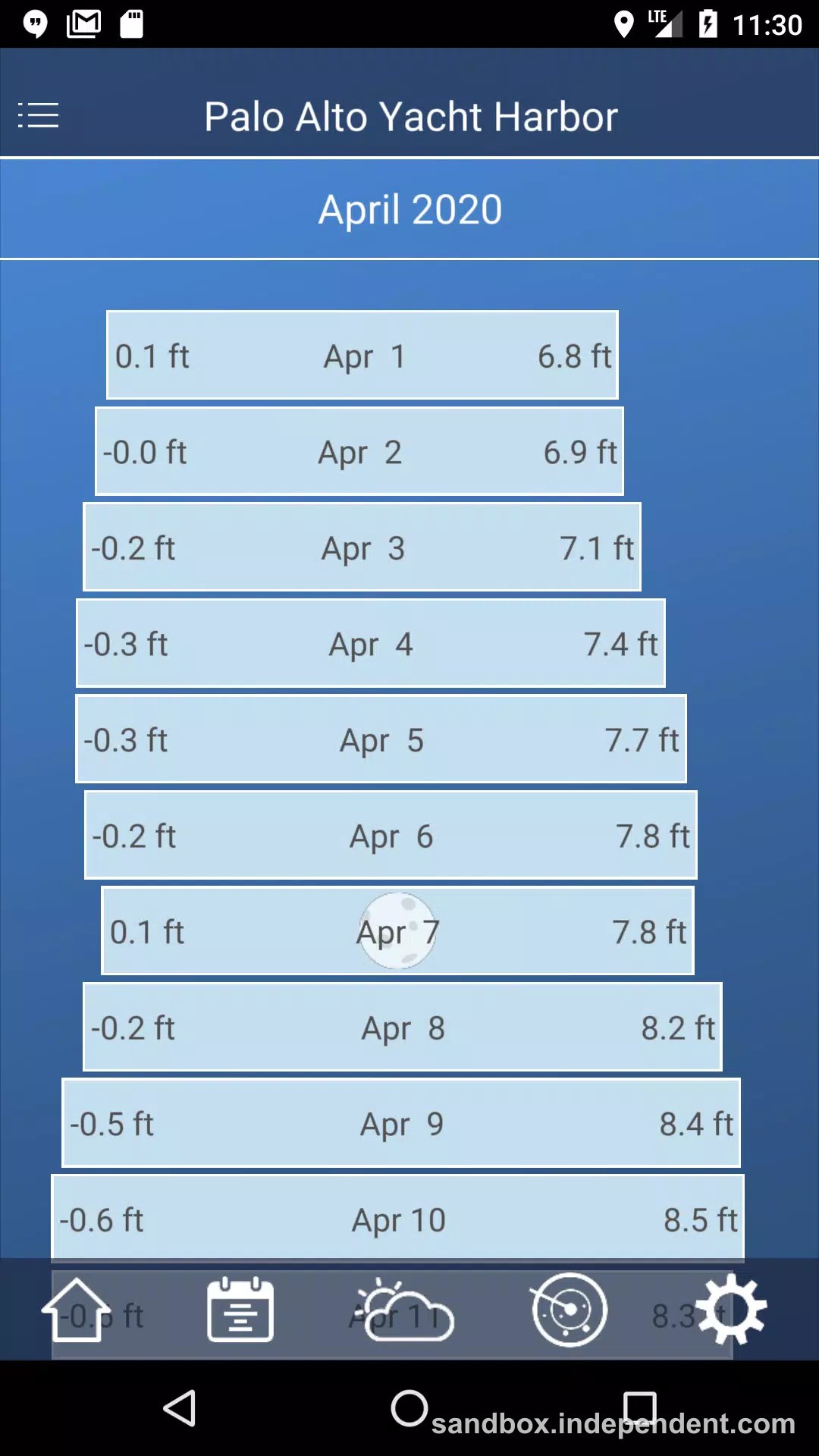
Many people overlook the importance of a hull tide chart and its precise details, assuming it's a simple tool. However, an accurate understanding is key to safe navigation. A hull tide chart is an essential reference, offering vital information for those navigating coastal waters. It provides a clear, visual representation of tidal data, including water levels and the tidal range, which are critical for planning a voyage and ensuring a smooth journey. These charts can vary slightly, but their purpose remains the same: to guide mariners and provide an accurate snapshot of the ever-changing coastal environment.
Understanding Tides: A Guide to Hull Tide Chart
The hull tide chart is a valuable tool for anyone navigating coastal waters, offering a visual representation of tidal patterns and water levels. This chart provides a snapshot of the dynamic nature of tides, helping sailors, fishermen, and coastal enthusiasts plan their activities and ensure safety.
Comparing Tide Chart Formats
Tide charts come in various formats, but the hull tide chart is designed specifically for marine navigation. Unlike generic tide tables, it accounts for the unique characteristics of a vessel's hull, such as its draft and displacement, which influence how it interacts with changing water levels. This chart typically displays tidal data for a specific location, often a harbor or coastal area, and provides a graphical representation of the tidal range over a given period.
Reading the Graph: A Step-by-Step Guide
To read a hull tide chart, follow these steps:
Identify the location: Ensure the chart corresponds to the area you're interested in. Each chart is specific to a particular harbor or coastal region.
Understand the timeline: The horizontal axis represents time, typically covering a 24-hour period or more. Each mark represents a specific hour, and you can estimate minutes between the marks.
Interpret the tidal data: The vertical axis shows the tidal range, with the mean sea level (MSL) as the reference point. Values above MSL indicate high tide, while values below represent low tide. The chart may use feet or meters, depending on the standard followed.
Locate key points: Identify the highest and lowest points on the chart, which represent the extreme high and low tides for the given period. These are crucial for understanding the maximum and minimum water levels.
Plan your activities: Use the chart to determine the best times for sailing, fishing, or other water-based activities. Consider the depth of your vessel's hull and the tidal range to ensure safe navigation.
Common Misconceptions and How to Avoid Them
A common mistake is assuming that tidal patterns are uniform across different locations. While tidal data is generally consistent within a small area, variations can occur due to factors like geography and local weather conditions. Always double-check the specific tidal range and water levels for your intended location, especially if you're unfamiliar with the area.
Factors Affecting Accuracy and Real-World Use
Several factors can influence the accuracy of a hull tide chart and its practical application:
Tidal range: The difference between high and low tide can vary significantly, impacting the chart's representation.
Weather conditions: Strong winds, storms, and other atmospheric events can cause deviations from predicted tides.
Geographic features: The shape of the coastline, bays, and estuaries can affect tidal flow and water levels.
Moon phases: The gravitational pull of the moon influences tides, and different moon phases can result in varying tidal patterns.
Local currents: Underwater currents and ocean circulation patterns can impact water levels and tidal flow.
When using a hull tide chart, consider these factors and regularly check for updates to ensure the most accurate information.
Well, there you have it! You should now feel equipped with the knowledge to navigate the world of hull tide charts and make the most of this practical tool. Remember, it's always a good idea to cross-reference and verify the information with your specific needs in mind.
Feel free to explore our other guides; we've got a range of topics that might be of interest, offering further insights and practical tips. Happy reading, and here's to smooth sailing!
Related: Home Renovation Contractor Simple Guide
I'm feeling a bit overwhelmed by the thought of my upcoming home renovation. I've heard home renovation contractor is the way to go, but I'm not sure where to start. I want to get it right, so I'm doing some research to find the best approach.
Understanding the Home Renovation Contractor
A home renovation contractor is your go-to expert for all things related to transforming your living space. They handle the ins and outs of construction and remodeling, ensuring your vision becomes a reality. From adding a room to updating your bathroom, these professionals manage the entire process, from planning to completion.
When you hire a home renovation contractor, you're getting a team of skilled workers who can handle various tasks. They'll coordinate the work, manage the timeline, and ensure the project stays on track and within budget. It's a one-stop shop for all your renovation needs, taking the stress out of the process.
Finding and Hiring the Right Contractor
Finding a reliable home renovation contractor is key. Check online reviews and ask for recommendations from friends or family. Once you've found a few potential contractors, it's important to ask the right questions. Inquire about their experience, the scope of their work, and any specific skills or certifications they have.
Get detailed quotes from at least three contractors. Compare these quotes, but remember the cheapest isn't always the best. Look for a balance between cost and quality. A good quote will include a breakdown of costs, the timeline, and a clear understanding of the work to be done.
Construction Companies and Their Names
Construction companies often have unique names that reflect their brand and services. A good name should be memorable, easy to pronounce, and give a hint about the business. Some creative names could be Build-It-Right, Renovate & Revive, or Home Transformation Specialists.
Before settling on a name, check its availability for local registration and as a domain. You want to ensure your business name isn't already taken and that you can secure a matching website address.
Industry Tools and Data
The construction industry uses various tools and data to estimate costs and manage projects. One such tool is RSMeans, which provides cost databases and escalation data to help contractors and estimators. This data is crucial for accurate pricing and helps ensure projects stay within budget.
Construction Jobs and Salaries
The construction industry offers a range of roles, from general contractors to specialized tradespeople. Salaries can vary depending on the role, experience, and location. Estimators, for example, play a crucial part in pricing projects accurately.
If you're interested in construction jobs, check local job boards, company websites, and industry-specific platforms. It's a hands-on, rewarding career with plenty of opportunities.
Big Construction Companies
Large construction companies often have the resources to take on major projects. They may have a broader range of services and a larger team of specialists. However, smaller companies can offer personalized service and may be more flexible.
The size of the company doesn't always determine its quality. It's important to research and choose a company that aligns with your needs and budget, regardless of its size.
Final Thoughts
Hiring a home renovation contractor can be a great way to bring your home improvement dreams to life. With the right team, you can transform your space and create a home you love. So, take the time to research, ask questions, and find the perfect fit for your project.