




Full Page Geometric Coloring Pages Overview
"Full home remodeling" is a big project, and it's easy to feel overwhelmed when you're just getting started. But it can be a fun and rewarding process if you know what you're doing. So, let's break it down and make it a bit more manageable!
Understanding Full Home Remodeling
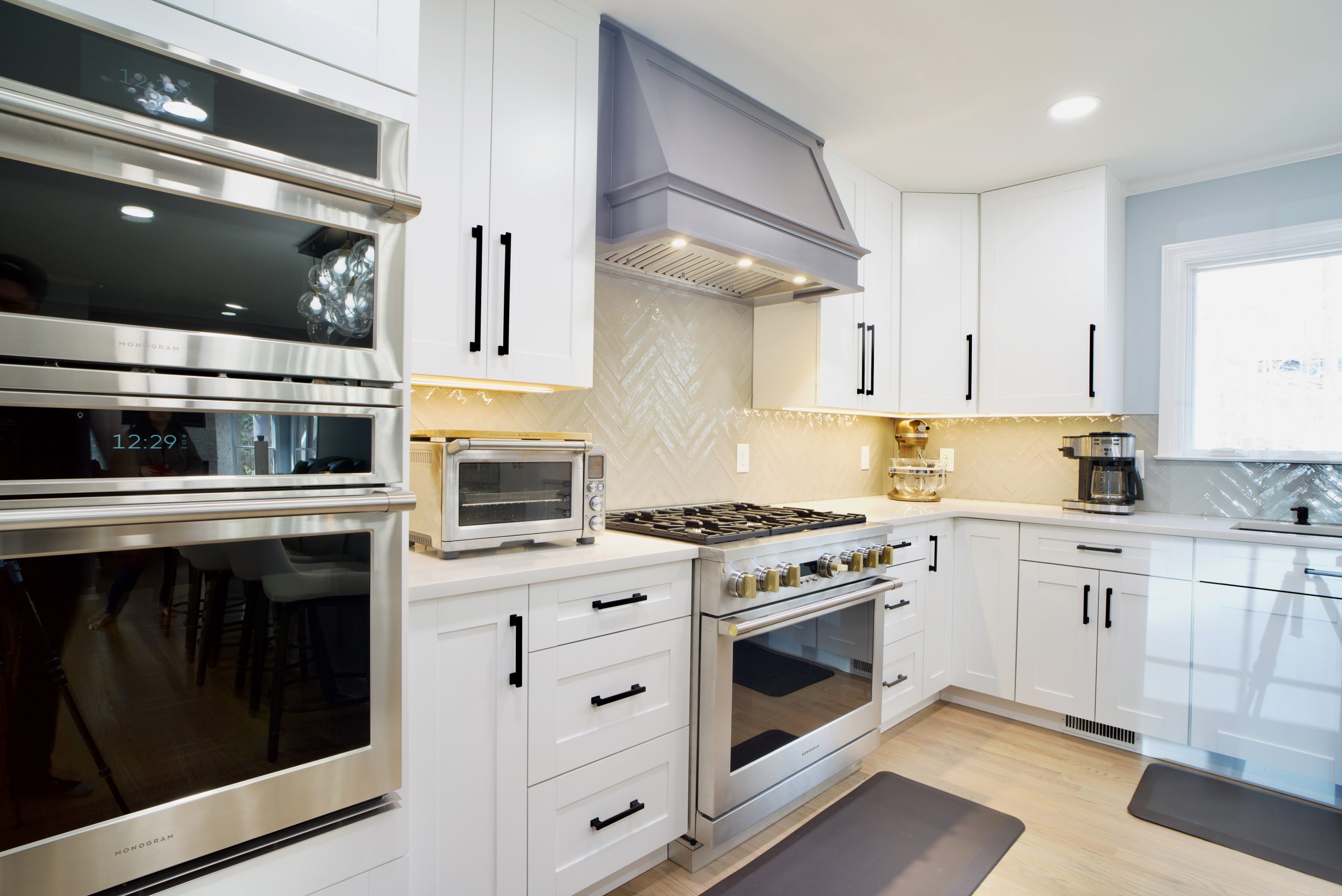
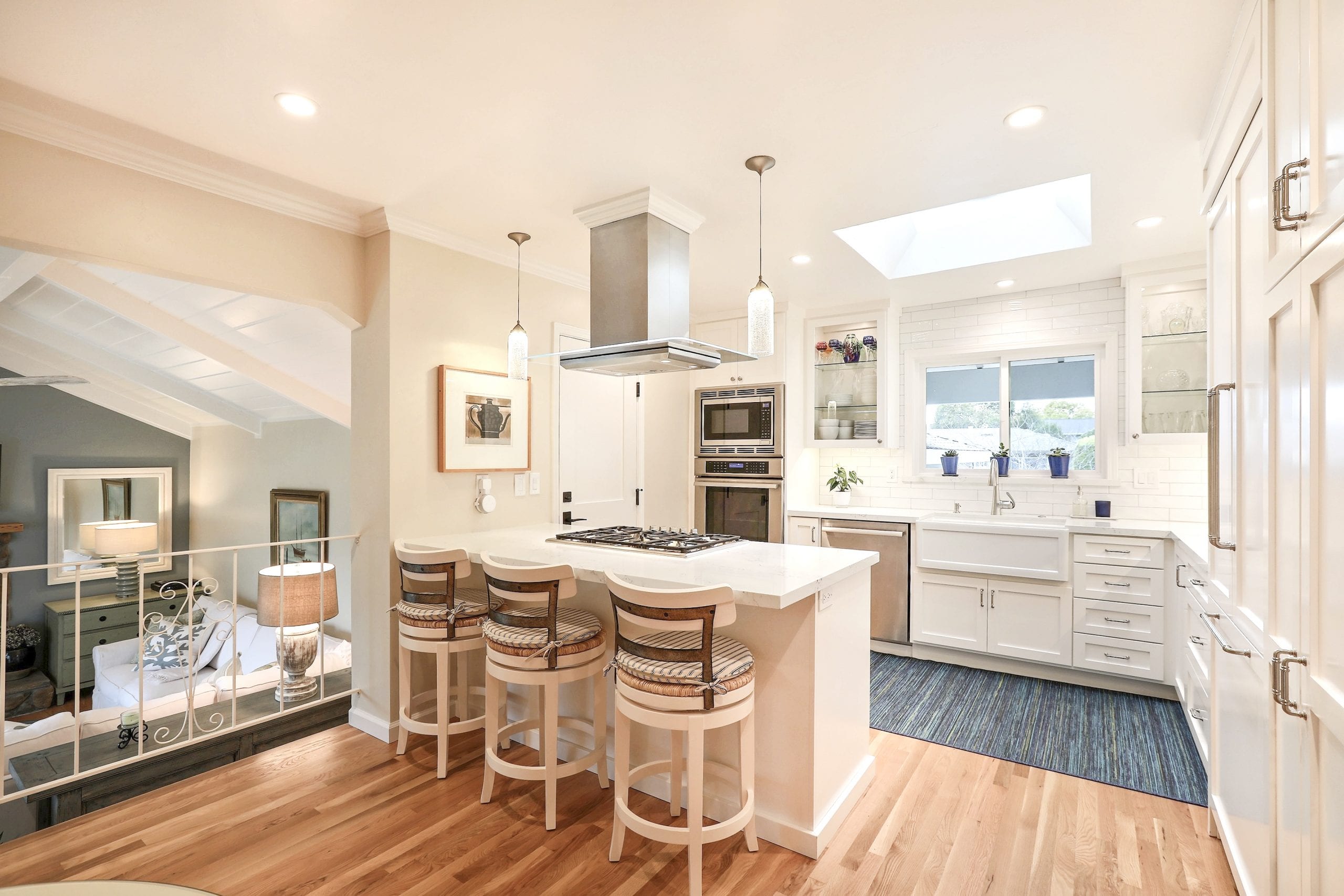
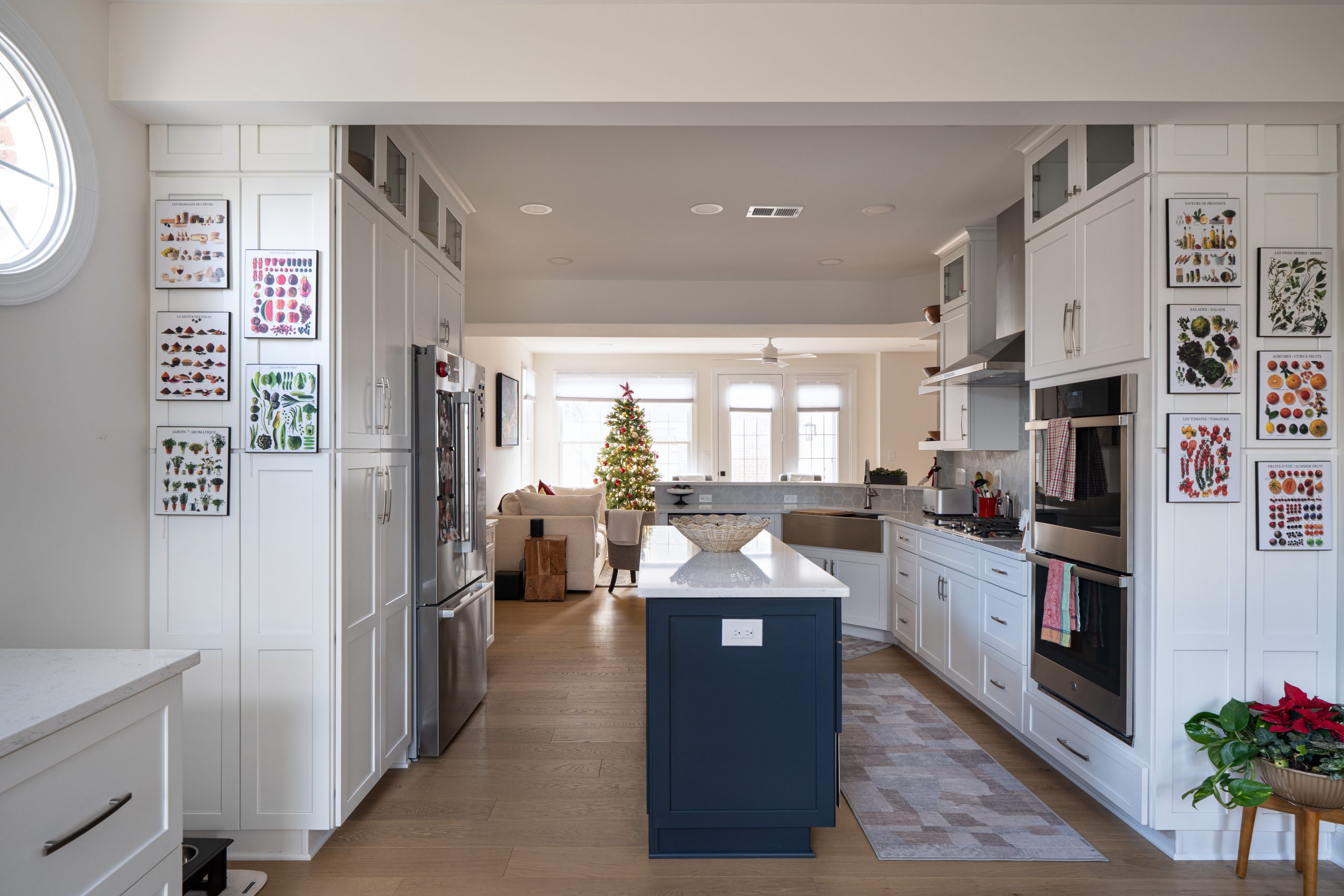
Full home remodeling is exactly what it sounds like: taking your entire home and giving it a complete makeover. It's not just about updating one room or adding a new feature; it's a comprehensive transformation. This could mean updating the layout, adding extensions, modernizing the design, and even making structural changes. It's a chance to create a space that truly reflects your style and needs.
When considering full home remodeling, it's important to think about the scope of the project. Are you looking to modernize an outdated home, increase its value, or adapt it to your changing lifestyle? The reasons and goals will influence the decisions you make. For example, if you're aiming for a high-end, luxury feel, the materials and finishes you choose will be different from a more budget-conscious renovation.
Finding the Right Contractor
One of the biggest decisions you'll make is choosing a contractor. This person or company will be responsible for managing the entire project, so it's crucial to find someone reliable and experienced. Ask for recommendations from friends or check online reviews. You want someone who has a good track record and can provide references.
Before hiring, make sure to ask about their experience with similar projects. Get a sense of their communication style and whether they're responsive to your needs and concerns. A good contractor will guide you through the process, offer suggestions, and provide a detailed estimate.
Costs and Budgeting
The cost of a full home remodeling project can vary greatly. It depends on factors like the size of your home, the complexity of the design, the materials used, and the local labor rates. To get an accurate estimate, you'll need to provide detailed plans and specifications to multiple contractors. Compare their quotes, but remember that the cheapest option isn't always the best. Look for a balance between quality and price.
Naming Your Construction Business
If you're a contractor or thinking of starting a construction business, choosing a name is an important step. It should be memorable, unique, and reflect the services you offer. Avoid generic names and try to incorporate something that stands out. Here are a few ideas:
- Build-it-Right Construction
- Modern Space Renovations
- Crafted Homes
- Renaissance Builders
- Green Mountain Construction
- Skyward Builders
Remember to check the availability of the name, domain, and local registration before finalizing it.
Construction Jobs and Salaries
The construction industry offers a wide range of roles, from general contractors and project managers to specialized tradespeople like electricians and plumbers. Salaries can vary depending on experience, location, and the specific role. If you're looking for construction jobs, check online job boards, local newspapers, or even reach out to construction companies directly. Many also hire through word-of-mouth recommendations.
Industry Tools and Data
In the construction world, tools like RSMeans provide valuable data and cost estimates. These resources help contractors and estimators calculate project costs accurately. They take into account various factors like labor rates, material prices, and local market conditions. It's a useful tool for both professionals and homeowners to get a realistic idea of the expenses involved in a project.
Large vs. Small Construction Companies
The construction industry has a mix of large and small companies. Large firms often have the resources to take on bigger projects and may have more specialized teams. They might also have better access to certain materials and equipment. On the other hand, smaller companies can offer more personalized service and may be more flexible with their approach. It's a matter of finding the right fit for your project.
So, there you have it! A quick guide to understanding full home remodeling. It's an exciting process, and with the right planning and research, you can turn your vision into a reality.
Related: What is "my wakemed chart" and how to use it?
You've got my Wakemed Chart open, ready to dive into the details, and you're seeking a quick, reliable guide. Well, you're in the right place! This chart is your go-to resource, a handy tool to navigate and understand your personal health record. It's a simple yet powerful way to keep track of your medical journey. With your my Wakemed Chart, you can quickly access vital information like lab results and medication lists, all in one place.
Understanding Your Wakemed Chart
Your Wakemed chart is a powerful tool to manage your health. It's like having a personal health assistant, keeping track of vital signs, lab results, and more. But how do you make sense of all the data? Let's dive in!
Key Details: Unpacking the Data
The chart displays various health metrics, each with its unit and range. Common categories include blood pressure (mmHg), heart rate (bpm), temperature (°F or °C), and oxygen saturation (%). These values are essential for understanding your body's performance.
Reading and Applying Your Wakemed Chart: A Step-by-Step Guide
- Start by familiarizing yourself with the chart's layout. Note the different sections and their labels.
- Identify the units used for each metric. This is crucial for accurate interpretation.
- Compare your latest results with previous entries. Look for trends or significant changes.
- If you notice any anomalies, consult your healthcare provider. They can guide you on the next steps.
- Use the chart to track progress. For instance, if you're monitoring blood pressure, note the changes over time.
Variations and Differences: Why Charts May Differ
It's important to note that charts can vary based on the standard or region. For instance, temperature readings may be in °F (US) or °C (metric/international). Always check the units to avoid confusion. Additionally, some charts might include extra categories, like glucose levels or lung function, depending on your medical history.
Common Mistakes and How to Avoid Them
One common mistake is mixing up units. Always double-check the units for each metric. Another pitfall is comparing your results to generic norms without considering individual factors. Remember, everyone's body is unique! Finally, avoid assuming that a single chart covers all your health needs. Different charts may be needed for specific conditions or treatments.
Practical Tips for Accurate Results
To ensure accuracy, regularly update your Wakemed chart with the latest results. This helps you and your healthcare team track changes effectively. Customize your chart by adding relevant categories, especially if you have specific health concerns. For instance, if you have diabetes, include blood sugar levels. Finally, always consult with your healthcare provider if you have questions or concerns about your health data.
Your Wakemed chart is a valuable resource, but it's just one tool in your health management toolkit. Stay informed, stay proactive, and keep your health on track!
Hey there! I hope this guide has been helpful in understanding your Wakemed chart and how to navigate it effectively. Remember, while we've covered the basics, the exact details might shift a little based on your unique situation and the specific context you're working with.
So, keep this guide handy, and feel free to explore our other resources for more practical tips and tricks. Bookmark this page, and you'll always have a quick reference to fall back on!
Related: Home Extension Cobham Essential Guide
I've just been thinking about home extension cobham and how it could be a great option for us. We've been considering our options for more space, and an extension seems like a practical, long-term solution. It's an exciting idea, but I want to make sure we approach it the right way.
Understanding Home Extensions
A home extension is basically adding a new room or space to your existing house. It's a popular choice for growing families or those who need more room for hobbies, guests, or just a bit of extra breathing space. Home extension cobham is all about creating a seamless blend of the old and new, so it looks and feels like it was always part of your home. It's a big project, but with the right planning and professionals, it can be a fantastic way to transform your living environment.
When you're considering an extension, you need to think about the layout and design. Do you want a simple, open plan space, or something more complex with multiple rooms? The design should fit your lifestyle and needs. It's also important to consider the existing structure and how the extension will connect to it. You want a smooth, integrated look, so the extension feels like a natural part of your home's architecture.
Finding the Right Builders
Hiring the right builders is crucial for a successful home extension. You want a team that understands your vision and can bring it to life. Look for experienced contractors with a good track record and positive reviews. Ask for references and check their previous work. It's also a good idea to get multiple quotes to compare prices and services. Make sure the quotes are detailed and cover all aspects of the project, from materials to labor and any necessary permits.
The name of the construction business can be an important factor in attracting clients. It should be memorable, professional, and reflect the services offered. Some examples of unique and catchy names could be:
- Build & Beyond
- Crafted Spaces
- Home Evolution
- Creative Construction
- Structure Solutions
- The Extension Experts
Remember, a great name can set the tone and create a positive first impression.
Costs and Considerations
The cost of a home extension can vary widely. It depends on factors like the size and complexity of the build, the materials used, and the local labor rates. You'll also need to consider any additional costs, such as planning permission, architectural designs, and any necessary utilities or infrastructure upgrades. Getting multiple quotes will help you understand the range of prices and find a contractor who offers a competitive and transparent pricing structure.
Industry Insights and Outlook
The construction industry is constantly evolving, and staying informed is key. Tools like RSMeans provide valuable cost data and resources for estimating and planning projects. It's a great way to stay on top of industry trends and ensure accurate cost estimates. The outlook for home extensions is positive, with many homeowners recognizing the benefits of expanding their living spaces. It's an investment that can add value to your home and improve your quality of life.
In conclusion, home extension cobham is an exciting and practical way to create the space you need. It's a big decision, but with careful planning and the right professionals, it can be a rewarding experience. I'm excited to explore this option further and see how it could transform our home.