Grammar Worksheets Easy Overview
Easy paper craft for kindergarten is a fun and simple way to get creative with your little ones, and it's something I've really enjoyed doing with my kids. It's a great activity to keep them entertained and engaged, and it's so satisfying to see their little faces light up with pride when they've made something cool.
So, what is this all about? Well, it's basically a collection of craft ideas that use paper as the main material. These crafts are designed to be accessible and fun for kids, with simple steps and minimal supervision needed. It's a brilliant way to encourage their creativity and fine motor skills, and it's an affordable activity too!
You can find a whole range of ideas online, from the classic paper chain to more intricate pop-up cards. Some ideas are seasonal, like making paper snowflakes for Christmas, while others are more general and can be done anytime. The best part is that these crafts often require very few materials - paper, scissors, glue, and maybe some crayons or markers.
Getting Started
If you're new to this, I'd recommend starting with some basic folding and cutting activities. You can teach them how to make simple shapes like squares and triangles, and then use those to create fun designs. For example, folding a piece of paper into a fan shape is a great way to introduce the concept of symmetry and pattern-making.
Step It Up
Once they've got the hang of the basics, you can introduce more complex crafts. One of my favorites is making paper boats. It's a classic for a reason - it's easy, and kids love seeing their creations float in water! You can also try making paper hats, which is a fun way to encourage imagination and role-play.
The beauty of easy paper craft for kindergarten is that it's so adaptable. You can tailor the difficulty level to your child's age and abilities, and you can often use these crafts as a springboard for other activities. For instance, making a paper doll might lead to a fun dress-up game, or creating a paper city could inspire some imaginative play.
So, why not give it a go? It's a brilliant way to spend some quality time with your kids, and you might just discover a new hobby together!
Related: Custom Home Renovation Made Easy
I've just moved into a new house, and I'm thinking about making some changes. It's an older place, and I want to put my stamp on it with a custom home renovation. I've heard that projects like these can be a real headache, so I'm doing my research first. Here's what I've found out.
What's Custom Home Renovation All About?
Custom home renovation is all about transforming your living space to fit your unique needs and style. It's not just about adding value to your home; it's about creating a space that feels truly yours. Whether you want to update your kitchen, add a new room, or completely overhaul your exterior, custom home renovation gives you the freedom to design and build something special.
The process involves a lot of planning and decision-making. You'll need to consider the scope of your project, choose the right professionals, and manage costs effectively. It's a big undertaking, but the results can be incredibly rewarding.
Finding the Right Professionals
One of the most important steps is hiring the right team. You'll want to work with reputable custom home renovation companies or general contractors who have experience in the type of project you're planning. Check their past work, ask for references, and make sure they have the necessary licenses and insurance.
When getting quotes, compare apples to apples. Make sure each contractor is providing a detailed breakdown of the work and materials, so you can easily see what's included. Don't be afraid to ask questions and clarify any uncertainties. A good contractor will be transparent and happy to explain their process.
Cost Considerations
Costs can vary widely depending on the scale and complexity of your project. Factors like the size of the renovation, the materials you choose, and the labor involved will all impact the final price. It's a good idea to get multiple written quotes to compare and ensure you're getting a fair deal.
To keep costs down, consider doing some of the simpler tasks yourself if you have the skills and time. You can also look for ways to save on materials by shopping around or opting for more affordable options without compromising quality.
Naming Your Business
If you're in the construction industry, choosing a business name is crucial. It should be memorable, reflect your services, and stand out from the competition. Some examples of catchy names could be "Build-It-Right Construction," "Renovate and Revive," or "Home Transformation Specialists."
Before settling on a name, check its availability for domains and local business registration. You want to ensure you can build a strong brand identity without legal issues.
Industry Tools and Data
The construction industry uses various tools and resources to estimate costs and manage projects. One popular tool is RSMeans, which provides cost data and estimates for different construction projects. It's a valuable resource for professionals to ensure accurate pricing and stay competitive.
Large vs. Small Companies
The construction industry has a range of companies, from small local businesses to large national firms. Small companies often offer a more personalized service and can be more flexible with unique projects. They may have a tighter-knit team and a more hands-on approach.
Larger companies, on the other hand, often have more resources, specialized teams, and a broader range of services. They can handle more complex projects and have the infrastructure to manage larger-scale renovations.
Jobs and Opportunities
The custom home renovation industry offers a variety of job roles. From estimators who calculate costs to project managers who oversee the entire process, there are opportunities for skilled professionals. Salaries can vary depending on experience and the specific role.
If you're interested in working in this field, check job boards, construction company websites, and local industry networks. Building a network and gaining experience can open doors to great opportunities.
I hope this gives you a good overview of custom home renovation. It's an exciting process, and with the right knowledge and professionals, you can create your dream home. Happy renovating!
Related: Find Your Girth Size with Our Easy Chart
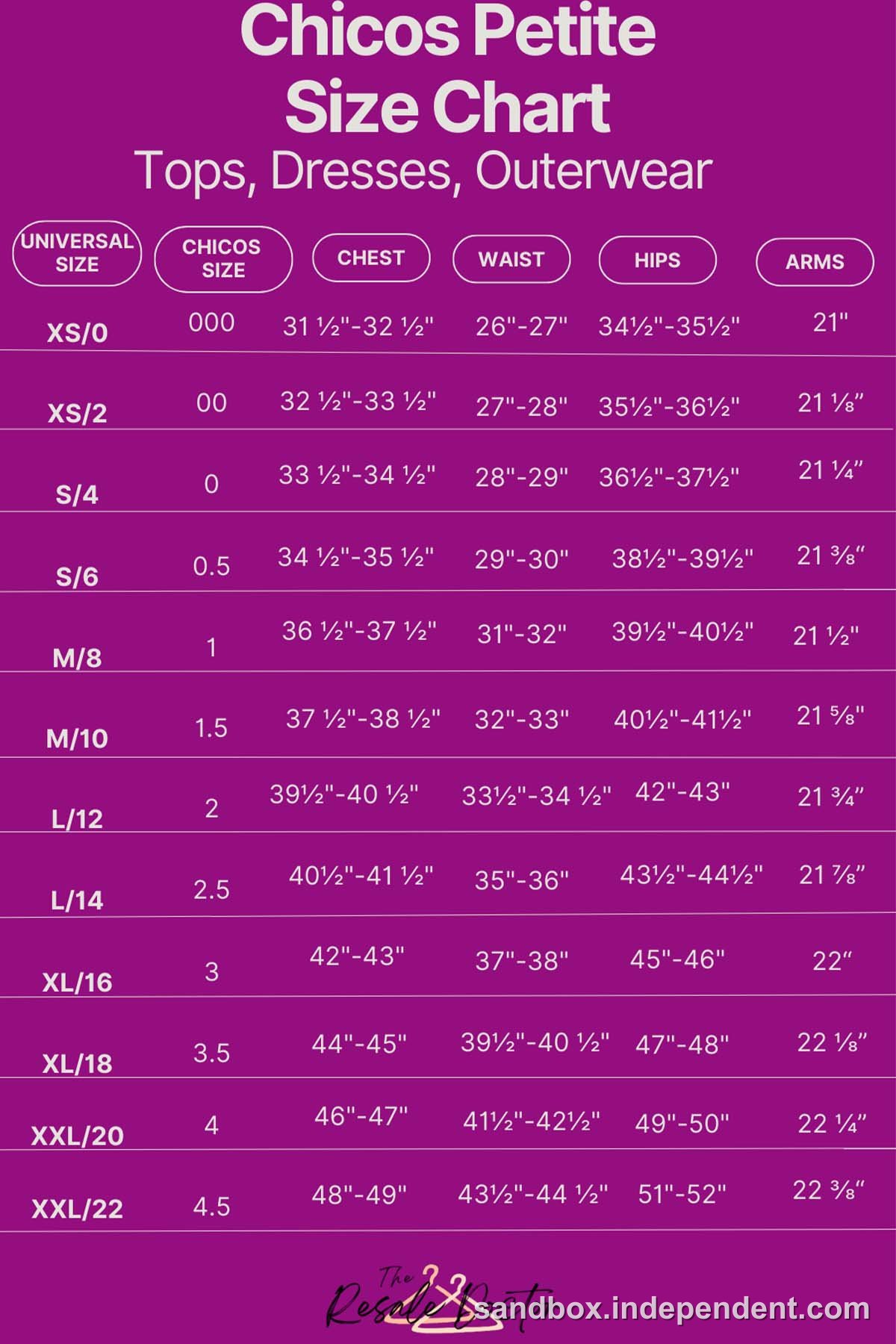
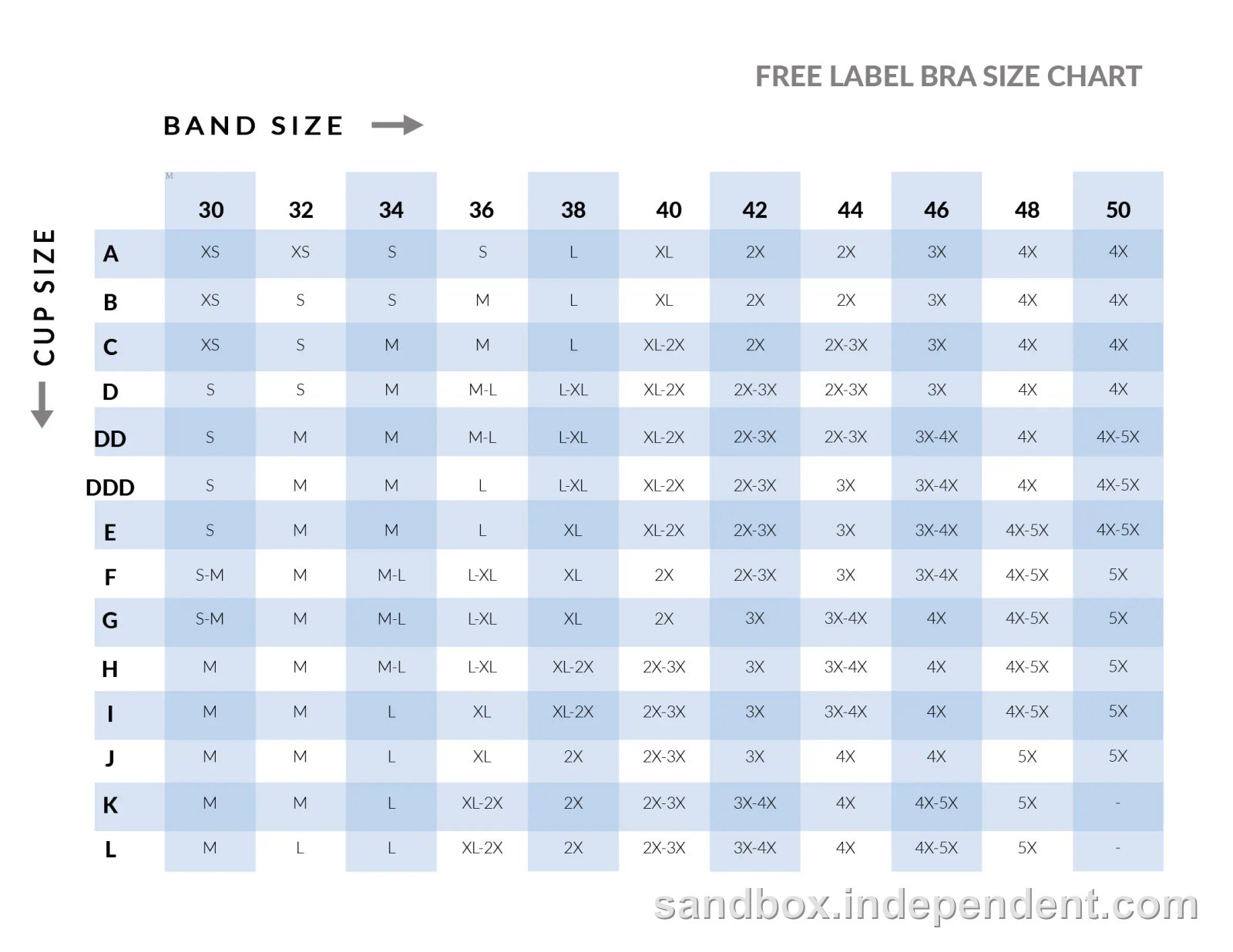
A girth size chart is a handy tool, a simple yet effective way to visualize and understand measurements. This guide will show you how to navigate and utilize these charts efficiently, as they can vary in format and detail.
Whether you're dealing with circumference guides or size charts for various applications, knowing how to read and interpret them is key. Standard units and metric conversions may differ, so being able to quickly reference and understand these charts is a useful skill.
Understanding the Girth Size Chart: A Quick Overview
The girth size chart is a handy reference tool that provides a visual representation of various girth measurements and their corresponding sizes. It offers a simple way to understand and compare different girth dimensions, making it an essential guide for various applications.
Comparing Standards and Formats: Girth Size Chart vs. Circumference Guide
While the terms girth size chart and circumference guide are often used interchangeably, they can refer to slightly different formats. A girth size chart typically presents a range of measurements with their corresponding sizes, often in a table or diagram format. In contrast, a circumference guide may provide more detailed information, including specific circumference values and their equivalent sizes, which can be particularly useful for precise measurements.
Step-by-Step: Reading and Using a Girth Size Chart
To effectively use a girth size chart, follow these simple steps:
Identify the type of measurement you need to make. For example, you might need to measure the girth of a tree trunk, a person's waist, or the circumference of a pipe.
Locate the relevant section on the chart. Girth size charts often categorize measurements by type, such as body measurements, industrial applications, or natural objects.
Measure the girth accurately using the appropriate tool, such as a tape measure or calipers. Ensure you follow any specific instructions for the measurement, such as where to place the tape measure or how to account for any irregularities.
Find the measured value on the chart. Some charts may provide a scale or ruler for direct measurement, while others may require you to estimate the closest value.
Read the corresponding size or category. The chart will provide a clear indication of the size associated with the measured girth. This can be a numerical value, a size category (e.g., small, medium, large), or a specific application-related term.
Common Misreadings and How to Avoid Them
Misreading a girth size chart can lead to inaccurate results and potential issues. Here are some common pitfalls and how to avoid them:
Ensure you are using the correct chart for your specific application. Different charts may have varying scales, units, or categories, so double-check the chart's intended use.
Be aware of the units of measurement. Some charts may use imperial units (inches, feet), while others use metric units (centimeters, meters). Convert your measurements accordingly to ensure accuracy.
Pay attention to the scale or ruler provided on the chart. Misinterpreting the scale can lead to significant errors. If you're unsure, estimate the value or use a separate measuring tool to verify.
Consider any tolerances or allowances specified on the chart. Some applications may have specific tolerances, especially in industrial or technical fields. Ensure you understand and account for these tolerances in your measurements.
Factors Affecting Accuracy: Variations and Averages
The accuracy of a girth size chart can be influenced by various factors, including:
Regional standards and conventions: Different countries or regions may have specific measurement standards and units, so ensure you're using the appropriate chart for your location.
Application-specific variations: Girth measurements can vary significantly depending on the application. For example, measuring the girth of a tree trunk at different heights may yield different results, impacting the accuracy of the chart.
Averages and ranges: Some charts may provide average values or ranges to account for natural variations. Understanding these averages can help you interpret the chart more effectively, especially when dealing with organic or irregularly shaped objects.
By considering these factors and following the step-by-step process, you can accurately use a girth size chart for a wide range of applications, from everyday measurements to technical specifications.
Well, there you have it! A handy guide to help you navigate the world of girth size charts. Remember, while we've covered the basics, the exact details might shift a little based on your specific needs and the standards you follow.
So, keep this page bookmarked for a quick reminder, and feel free to explore our other guides for more practical tips and insights. Happy measuring!