



Grammar Worksheets Multiple Choice Overview
Many fans might feel overwhelmed when first looking at a Mets seating chart, thinking it's a complex puzzle. But fear not! It's a simple tool to navigate and enjoy the game.
The chart is your guide to finding the perfect spot at Citi Field. With various sections and views, you can choose your ideal seat, whether you prefer being close to the action or having a panoramic view. It's worth noting that seat prices can vary, so it's a good idea to explore the different options and find the best value for your preferred experience.
Understanding the Mets Seating Chart
The mets seating chart is your guide to navigating the iconic Citi Field stadium and choosing the perfect seats for your baseball experience. This chart provides a visual representation of the stadium's layout, helping fans understand the different sections, seat numbers, and views.
Key Details and Categories
When examining the mets stadium seating chart, you'll notice it's divided into various sections, each with its own unique features and amenities. These sections are typically labeled with letters or numbers, and each has a distinct seating arrangement. The chart will also display the row numbers within each section, allowing you to identify your seat's exact location.
Reading and Applying the Seating Chart
Here's a step-by-step guide to using the mets seating chart effectively:
- Start by identifying the section you're interested in. Each section offers a different perspective and atmosphere, so choose based on your preferences.
- Within your chosen section, look for the row number that aligns with your ticket. This will help you find your seat quickly and easily.
- Consider the view from your seat. The citi field seating view can vary depending on the section and row. Some seats offer a more intimate view of the field, while others provide a broader perspective.
- Take note of any amenities or features specific to your section. For instance, certain sections may have better access to concessions or offer a more relaxed, family-friendly environment.
Variations and Differences
It's important to note that mets seating charts can vary slightly depending on the game or event. Factors such as special promotions, concerts, or other events may impact the seating arrangement and availability. Additionally, weather conditions or field maintenance can sometimes lead to last-minute changes. Always double-check the mets ticket prices by seat and any specific event details to ensure an accurate understanding of the seating chart for your chosen game.
Remember, the mets seating chart is your tool to navigate and enjoy the game to the fullest. With a little knowledge and planning, you can make the most of your baseball experience at Citi Field!
Well, there you have it! You're now equipped with the knowledge to navigate the Mets seating chart like a pro. Remember, when it comes to seating charts, there's no one-size-fits-all approach. So, always double-check the specifics for your game day experience.
Feel free to explore our other guides and resources for more baseball-related tips and tricks. We've got you covered, whether you're a seasoned fan or a newcomer to the sport. Happy reading, and here's to an awesome season ahead!
Related: How to Read a Chest Size Chart?
You're probably here because you need a quick answer, and who can blame you? A chest size chart is a handy tool, offering a simple visual guide to understanding bra sizes and fit. It's a reference that can save you time and ensure you get the right size, every time. These charts can vary slightly, but they're an essential guide for anyone wanting an accurate bra size and a comfortable fit.
Understanding the Chest Size Chart
The chest size chart is a handy tool to help you find the right fit for clothing and accessories, especially when shopping online. It provides a reference for measuring and understanding your chest size, ensuring you make informed choices. This chart is particularly useful for women's sizing, including bra size charts, but it can also guide men's clothing choices.
Comparing Measurement Standards
Measurement standards can vary depending on the region and manufacturer. For example, the US and international (metric) systems have different size categories and ranges. The chest size chart typically includes both systems, making it versatile. It's essential to check which standard is being used to ensure accuracy.
Measuring Accurately: A Step-by-Step Guide
- Prepare a flexible measuring tape. Ensure it's not too tight or loose.
- Stand in a relaxed position, with your arms slightly away from your sides.
- Measure the fullest part of your chest, usually across the nipple line.
- Wrap the tape around your body, ensuring it's level and parallel to the floor.
- Take the measurement in inches or centimeters, depending on the standard.
- Refer to the chest size chart to find your size. It will provide a range of measurements and corresponding sizes.
- If you fall between sizes, consider the fabric's stretch and your personal preference for a snug or loose fit.
Common Mistakes and How to Avoid Them
One common mistake is measuring too tightly or too loosely. This can lead to an inaccurate reading and an ill-fitting garment. Always ensure the tape is snug but not constricting. Another pitfall is assuming all brands use the same sizing. Different manufacturers may have slight variations, so it's best to refer to their specific size charts. Additionally, some charts may not cover all body types, so be mindful of any special considerations you may have.
Factors Affecting Accuracy and Real-World Use
Several factors can influence the accuracy of your chest size measurement. These include your posture during measurement, the type of clothing you're wearing, and any recent weight changes. It's essential to stand upright and maintain a consistent posture. The fabric of your clothing can also affect the measurement, so consider measuring over a thin, form-fitting garment. If you've recently gained or lost weight, your chest size may have changed, so it's beneficial to remeasure periodically.
So, now you're equipped with a handy chest size chart and the knowledge to use it effectively. Remember, these charts provide a great starting point, but it's always wise to consider your unique needs and measurements.
Don't forget to check out our other guides for more practical tips and insights. We've got a range of topics to explore, so feel free to browse and discover something new!
Related: Unravel the Mystery: Hook Size Chart
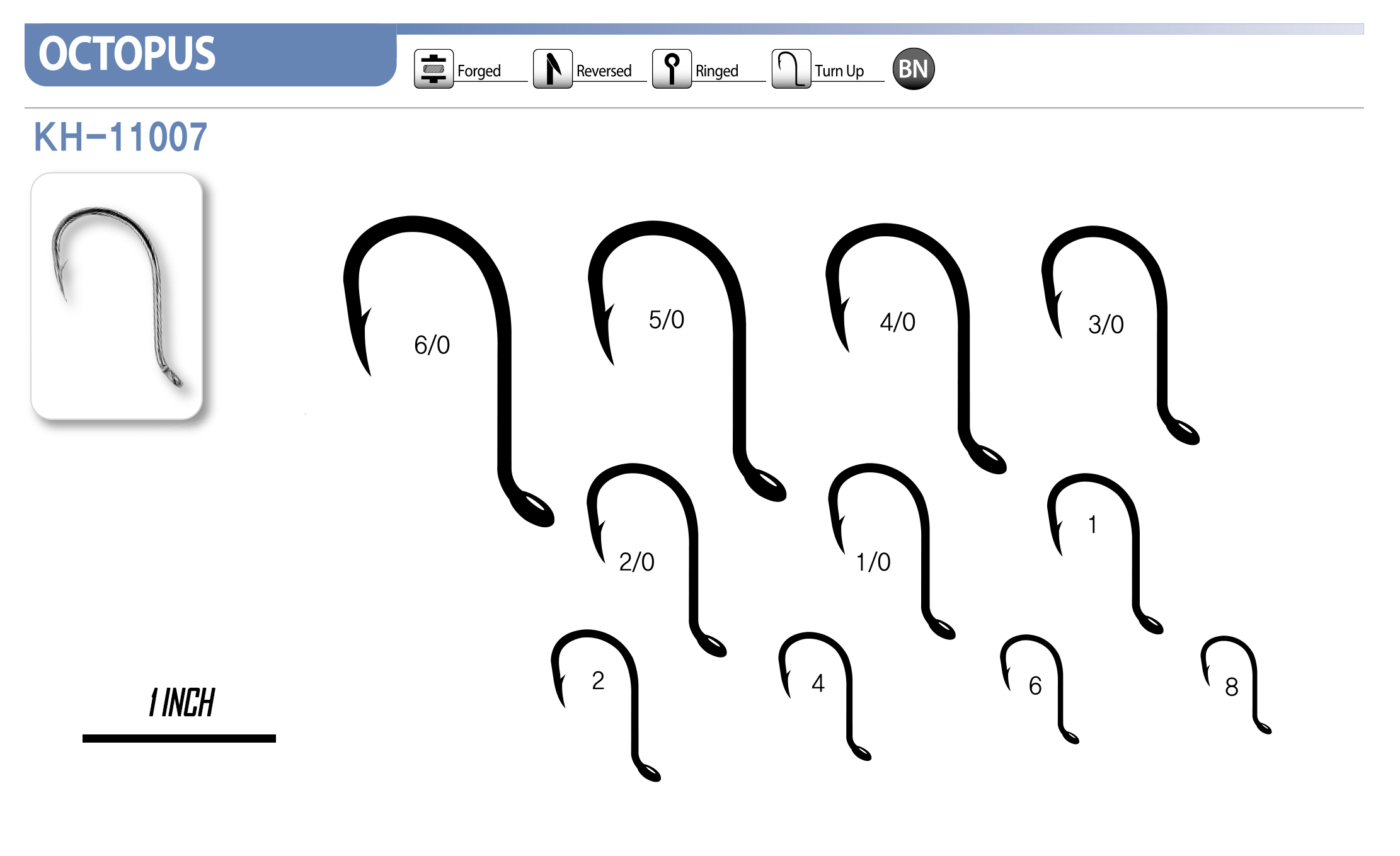
You're here, searching for a hook size chart, probably for your next fishing adventure or a craft project. These charts are a handy tool, offering a quick and easy way to find the right hook size for your needs. Whether you're a seasoned angler or a beginner, having a reliable reference like this is essential. The great thing about hook size charts is their simplicity; they provide a clear guide, and while the values may vary slightly depending on your location or the brand you use, they offer a consistent framework to work with.
Understanding the Chart: A Quick Overview
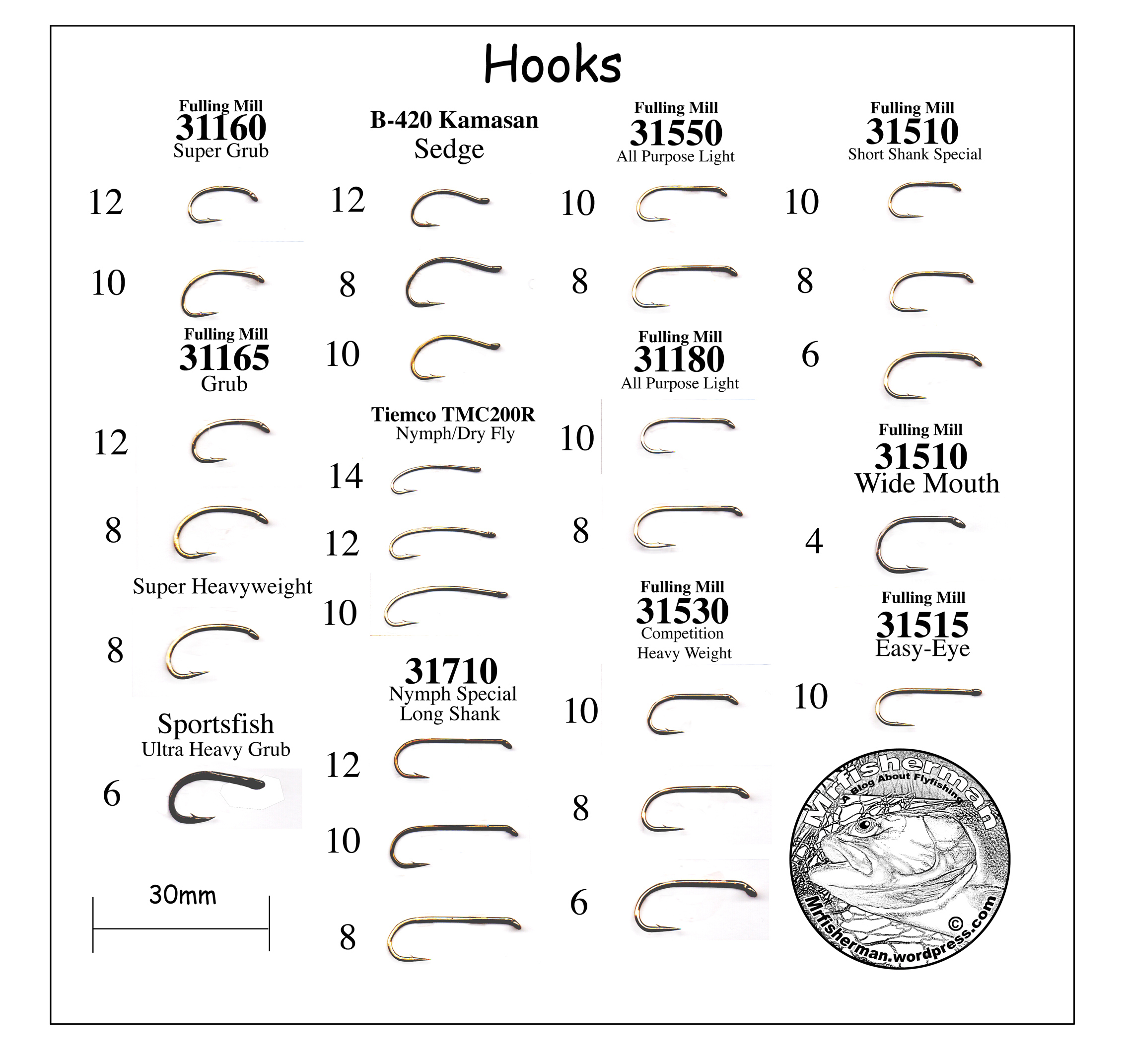
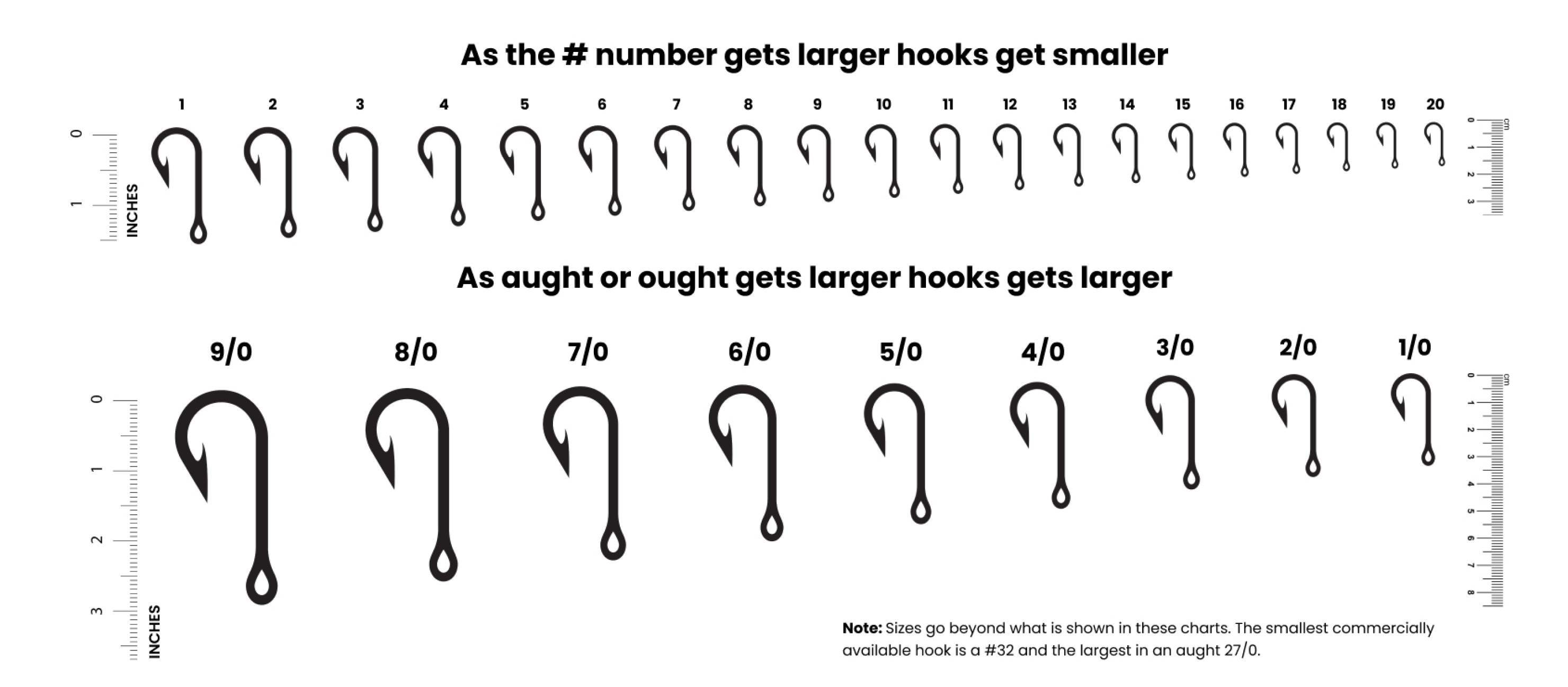
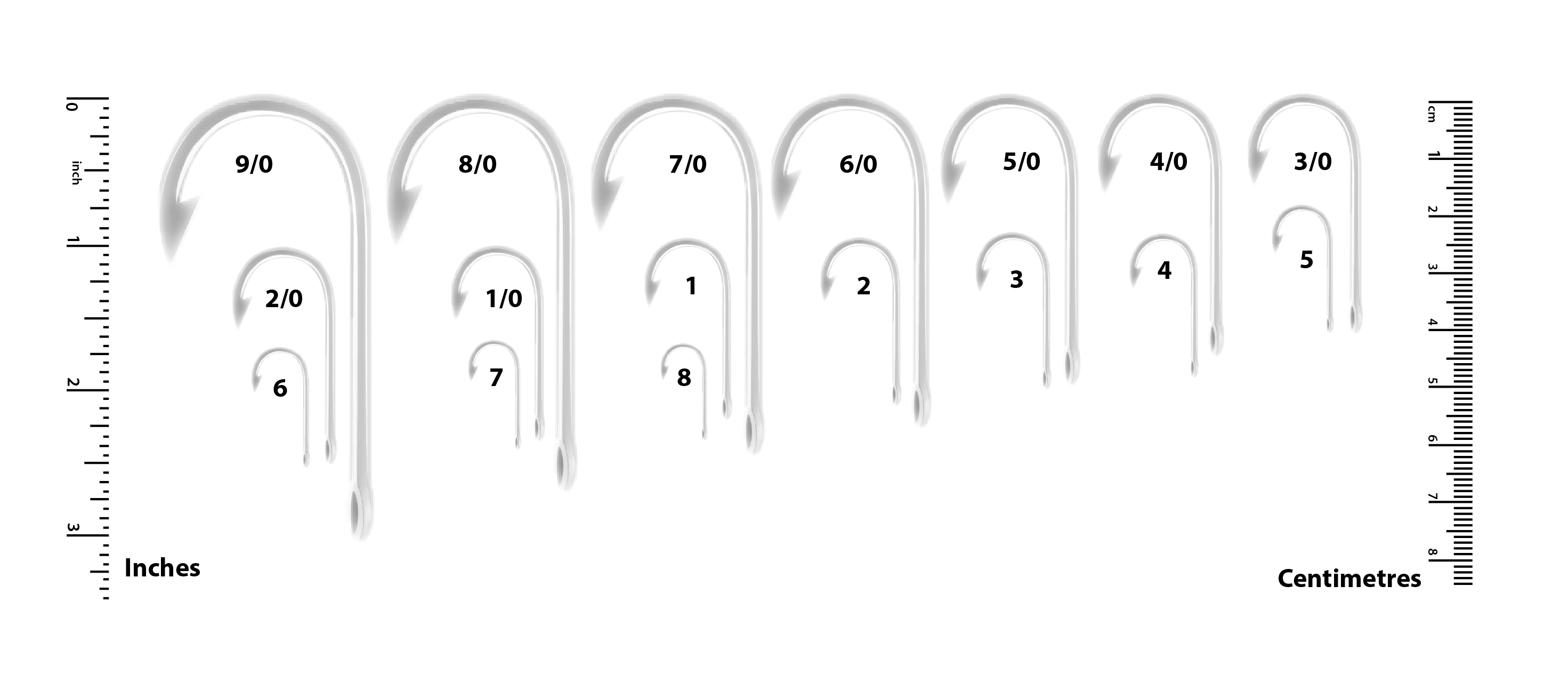
The hook size chart is a handy tool for anglers, providing a simple visual guide to choosing the right hook size for your fishing needs. It's a reference tool that displays hook sizes, often in a table format, to help you select the appropriate hook for your fishing line, bait, and target fish.
Comparing Hook Size Standards and Formats
Hook size charts can vary depending on the standard or region. For instance, the American system uses numbers, while the European system employs letters. These charts typically show hook sizes in a range, such as 2/0, 1/0, 1, 2, 4, 6, and so on, with smaller numbers indicating larger hooks. Some charts may also include additional information like hook type and recommended line strength.
Choosing the Right Hook: A Step-by-Step Guide
To use a hook size chart effectively:
- Identify your target fish species. Different fish require different hook sizes.
- Determine your fishing method: fly fishing, bait fishing, or other techniques.
- Check the chart for the recommended hook size based on your fish and technique.
- Consider the bait you're using; larger baits may require bigger hooks.
- Select a hook size that aligns with the chart's recommendations.
- Always double-check the exact specifications, especially for specialized fishing techniques.
Common Misreadings and How to Avoid Them
It's important to note that hook size charts provide general guidelines. Factors like hook brand, bait size, and personal preference can influence your choice. Misreading the chart might lead to selecting a hook that's too small or too large for your needs. Always consider the context and adjust accordingly.
Factors Affecting Accuracy: Key Considerations
Hook size and fish: Different fish species have varying mouth sizes and feeding habits, influencing the hook size required.
Hook size and line: The strength of your fishing line should match the hook size to ensure a secure connection.
Hook size and bait: The size of your bait plays a role; larger baits may need bigger hooks to support them.
Personal preference: Anglers may have their own preferences based on experience, so the chart serves as a guide, not a strict rule.
Some key factors that can cause variations include:
- Water conditions: Turbulent waters might require larger hooks to handle the current.
- Fish behavior: Active fish may need smaller, more subtle hooks.
- Hook material: Different hook materials can affect the hook's strength and size.
Adapting the Chart for Specific Needs
While the hook size chart provides a standard guide, anglers can adapt it for their unique situations. If you prefer a specific hook brand, you might need to adjust the size based on its unique characteristics. Specialized fishing techniques, like ice fishing or deep-sea fishing, may require custom hook size charts. Always consider the context and adjust the chart to fit your specific fishing needs.
Well, there you have it! A handy hook size chart is a simple yet effective tool to ensure your hook choices are spot on. Remember, while this guide offers a comprehensive overview, it's always wise to double-check the specific requirements of your project. Exact values can vary, so it's best to be prepared and ensure you're using the right reference for your needs.
Feel free to explore our other guides and resources; we've got plenty of practical tips and tricks to offer. Happy hook-choosing, and we hope you find the perfect fit for your next adventure!