




Gravel Size Chart Blank Overview
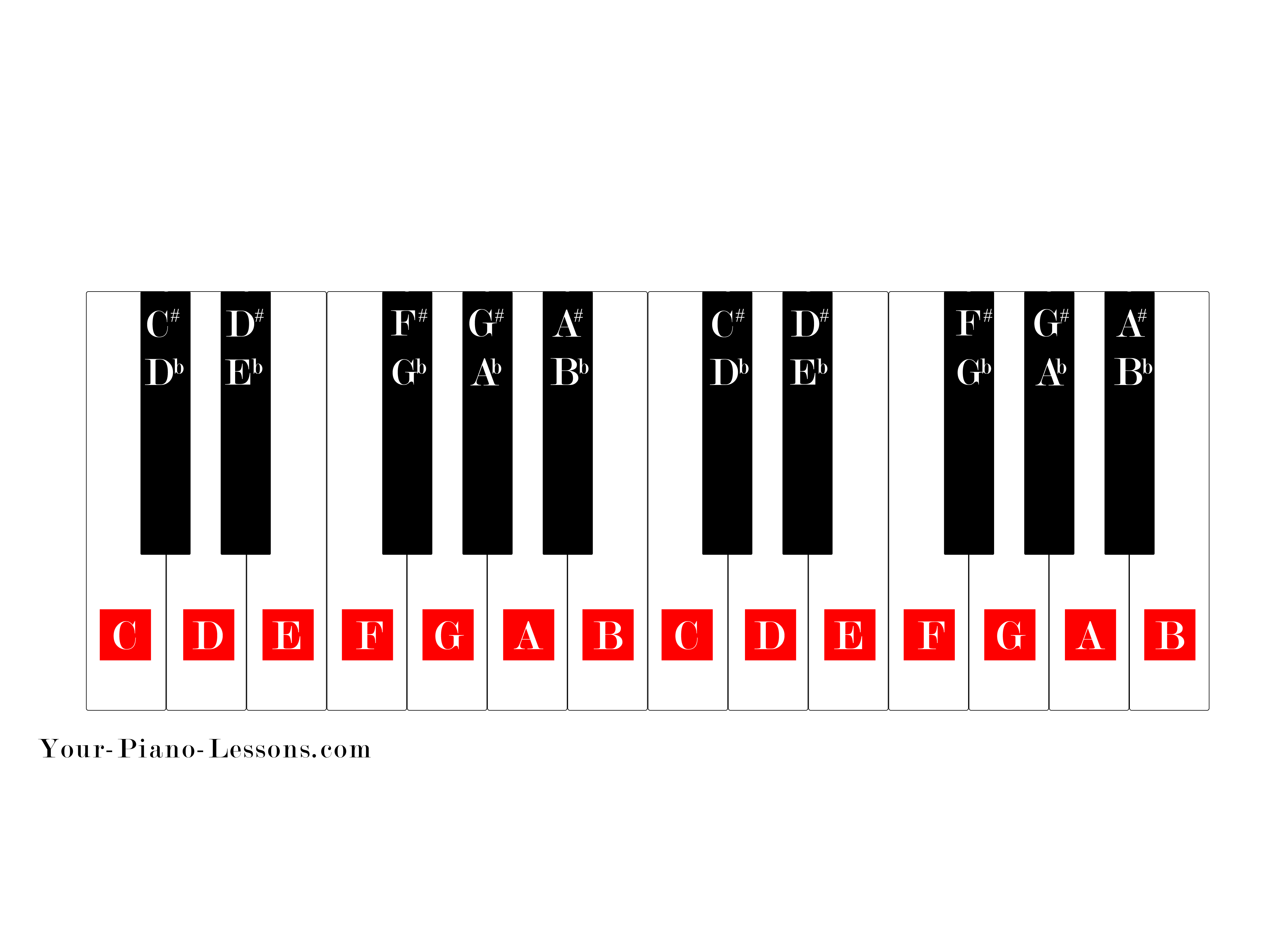
If you're here, you're likely seeking a piano keys chart to quickly reference or understand better. Whether it's for a music project, a performance, or simply to enhance your piano skills, having a reliable chart at hand is essential. The piano keys chart offers a clear and organized layout, providing an overview of the keyboard's layout and the notes it produces. It serves as a practical tool, especially when you need precise information about piano key lengths, standard layouts, or even the note frequencies. While the values and formats may vary slightly depending on the source, the chart's purpose remains the same: to guide and assist musicians and enthusiasts alike.
Understanding the Piano Keys Chart
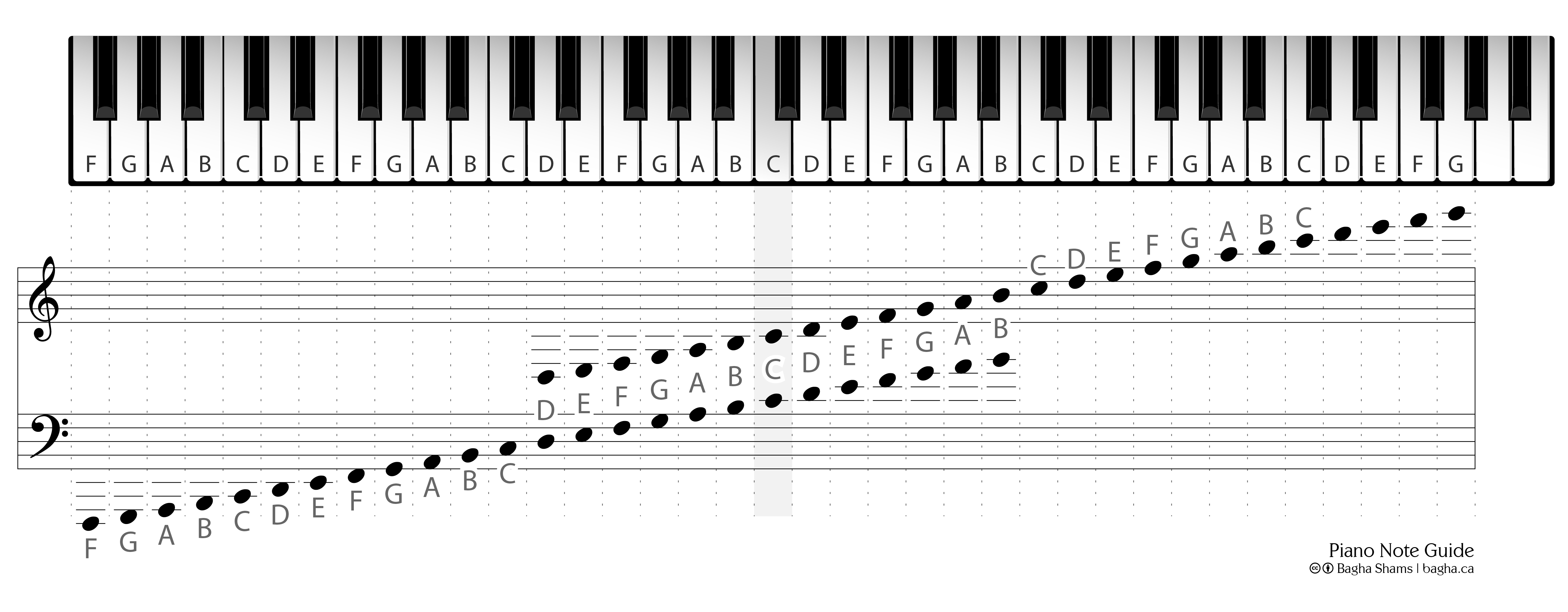
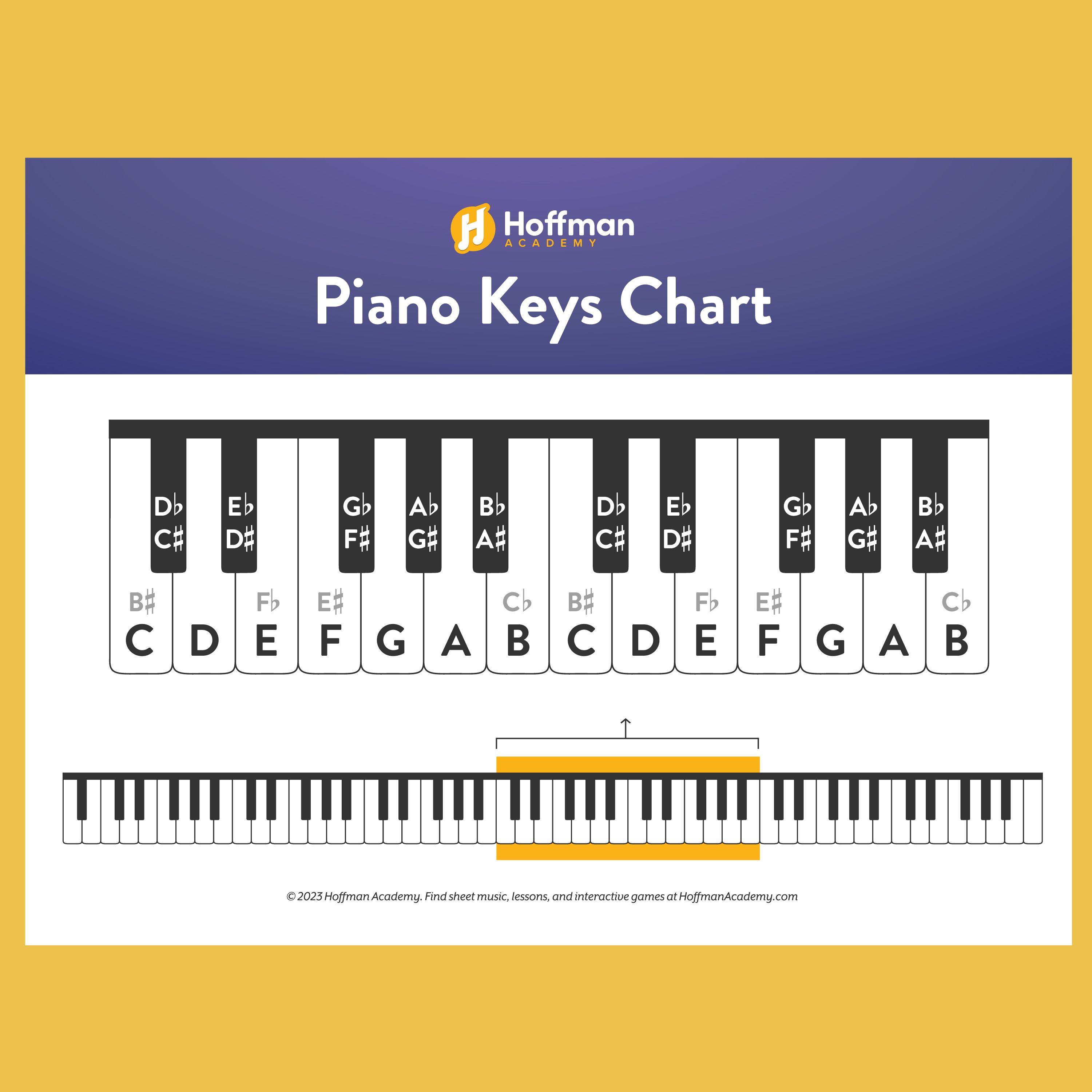
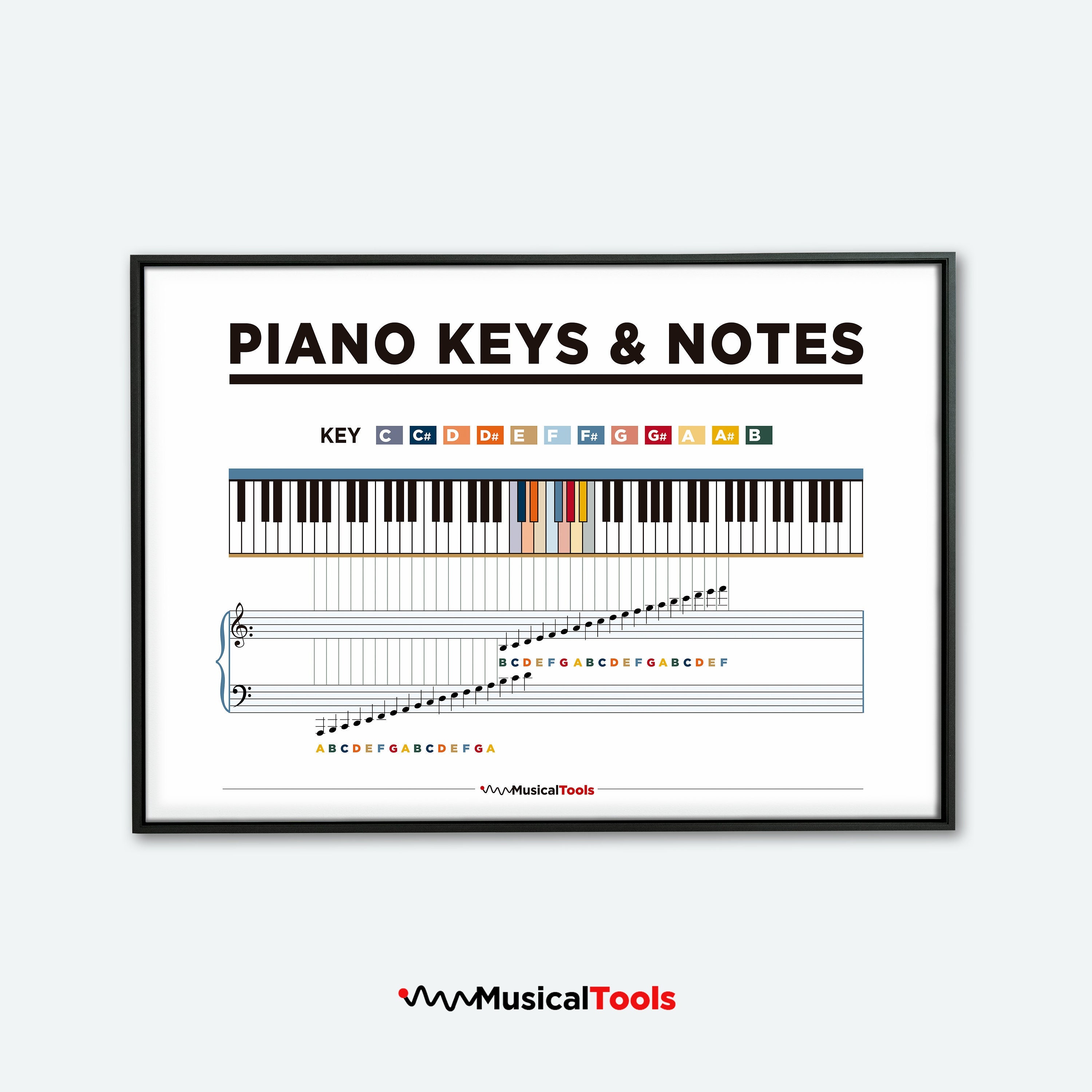
The piano keys chart is a valuable tool for musicians and piano enthusiasts, offering a visual representation of the keyboard layout and its corresponding notes. This chart provides an organized overview, making it easier to identify and understand the relationship between keys, octaves, and musical notes.
Key Details and Prerequisites
Before delving into the chart, it's essential to grasp some fundamental concepts. A standard piano keyboard consists of 88 keys, with a repeating pattern of seven white keys and five black keys. These keys are organized into groups of twelve, forming an octave. Each key represents a specific note, and their arrangement follows a logical sequence. The chart typically displays the keys and their corresponding notes, often using a color-coded system for clarity.
Reading the Measurements and Layout
To read the piano keys chart, follow these steps:
Identify the Key Labels: The chart will display the names of the keys, usually in alphabetical order, with corresponding note names. Common labels include C, D, E, F, G, A, and B, along with their sharps and flats.
Understand the Octave System: Octaves are groups of twelve keys, and the chart will often highlight these divisions. Each octave starts with a C note, followed by the remaining eleven notes in sequence.
Recognize the Key Colors: Many charts use colors to differentiate between white and black keys. White keys are typically represented by a light shade, while black keys might be darker or shaded differently.
Note Frequencies: Some charts include information about the frequency of each note, measured in Hertz (Hz). This data provides insight into the pitch and can be useful for tuning and understanding the piano's range.
Key Dimensions: The chart may also provide measurements for key lengths and widths, especially for those interested in piano construction or repair.
Common Keyboard Variations and Standards
While the standard piano keyboard layout is consistent, there can be variations and differences:
Piano Key Lengths: The length of piano keys can vary slightly between manufacturers and models. Some older pianos might have slightly shorter or longer keys.
Note Frequency Chart: The frequency of notes can differ based on the tuning standard. Common standards include A440 (440 Hz for the A above middle C) and A442, with variations used in different regions and musical genres.
Octave Measurements: The exact length of an octave can vary, especially in older pianos. Modern pianos typically have a standardized octave length, but older instruments might have slight deviations.
Avoiding Common Mistakes
To ensure accurate use of the piano keys chart:
Double-check the standard being used, especially for note frequencies and octave measurements.
Be aware of potential variations in key lengths and dimensions, especially when working with older pianos.
Understand the context and purpose of the chart. For example, a chart designed for tuning might focus on note frequencies, while a construction guide might emphasize key dimensions.
Always refer to reliable sources and official specifications when dealing with specific piano models or unique situations.
By following these guidelines and understanding the layout and measurements, you can effectively utilize the piano keys chart as a practical tool for exploring the piano's vast musical potential.
Well, there you have it! A comprehensive guide to understanding piano keys and their chart. With this knowledge, you can now navigate the keyboard with ease and precision.
Remember, when it comes to applying this chart, it's essential to consider your specific needs and the context in which you'll be using it. Exact values may differ slightly, so always double-check the standard or source you're working with. It's a good idea to bookmark this page for future reference; you never know when you might need a quick reminder!
Related: Find the Perfect Fit: Chicos Size Chart Guide
Many shoppers may approach the chicos size chart with some hesitation, assuming it's a complex and confusing tool. However, it's quite the opposite; this chart is a straightforward and invaluable resource for anyone navigating the world of clothing sizes.
The beauty of the chicos size chart lies in its simplicity and consistency. While size charts can vary slightly across brands and regions, the Chicos chart offers a reliable and standardized guide, ensuring a seamless shopping experience for its customers. With a quick glance, you can confidently understand your size and make informed choices, whether you're shopping online or in-store.
Understanding the Chicos Size Chart
The chicos size chart is a valuable tool for anyone looking to find their perfect fit in Chicos clothing. It provides a clear and organized guide to help you determine your size based on your body measurements. By following this chart, you can ensure a comfortable and flattering fit for your Chicos wardrobe.
Key Details and Categories
The chicos sizing guide typically includes measurements for bust, waist, and hip, which are the primary categories to consider. These measurements are presented in inches or centimeters, depending on the standard being used. The chart offers a range of sizes, usually starting with smaller sizes and progressing to larger ones, covering a wide range of body types. It's important to note that Chicos, like many clothing brands, may have slight variations in their sizing charts, so always refer to the specific chart provided by Chicos for the most accurate information.
How to Read and Apply the Size Chart
To use the chicos size chart effectively, follow these steps:
- Measure your bust, waist, and hip using a measuring tape. Ensure the tape is straight and not twisted, and that it sits comfortably around your body without squeezing or sagging.
- Locate your measurements on the chart. Find the size that aligns with your bust, waist, and hip measurements. If your measurements fall between two sizes, consider the overall fit you prefer. A looser fit may be more comfortable, while a closer fit can create a more tailored look.
- Take into account the fabric and style of the garment. Some fabrics have more give, so a slightly smaller size may work, while structured garments may require a more precise fit.
- If you're between sizes or unsure, don't hesitate to contact Chicos' customer support for further guidance. They can provide additional advice based on the specific garment and your preferences.
Size Variations and Common Causes
It's important to understand that size charts can vary across brands and even within a brand's different product lines. Here are some factors that can contribute to size variations:
- Fabric and design: Different fabrics and styles can affect the fit and sizing of a garment. Stretchier fabrics may accommodate a wider range of sizes.
- Regional standards: Clothing size charts can differ based on regional standards. For example, a US size may not align perfectly with an international size chart.
- Body shape: Everyone's body is unique, and variations in body shape can impact how a size chart applies to you. Curves, height, and proportion can all influence the fit.
- Manufacturing tolerances: Even within a brand, there can be slight variations in sizing due to manufacturing processes. Always refer to the specific size chart for the garment you're interested in.
Remember, the chicos size chart is a helpful guide, but it's not an exact science. By understanding your body measurements and the factors that can influence sizing, you can make informed choices and find the perfect Chicos outfit that flatters your figure.
Chicos size charts are a handy tool to have at your disposal, especially when you need to find the perfect fit. Remember, these charts are a guide, and while they provide a consistent framework, exact values can vary.
So, before you finalize your measurements, take a moment to ensure you're using the right chart for your specific needs. With that in mind, you're all set to tackle your sizing challenges! Consider bookmarking this page for future reference; it might just save you some time and effort the next time you need to refer to a size chart.
Related: What is a piano chords chart?
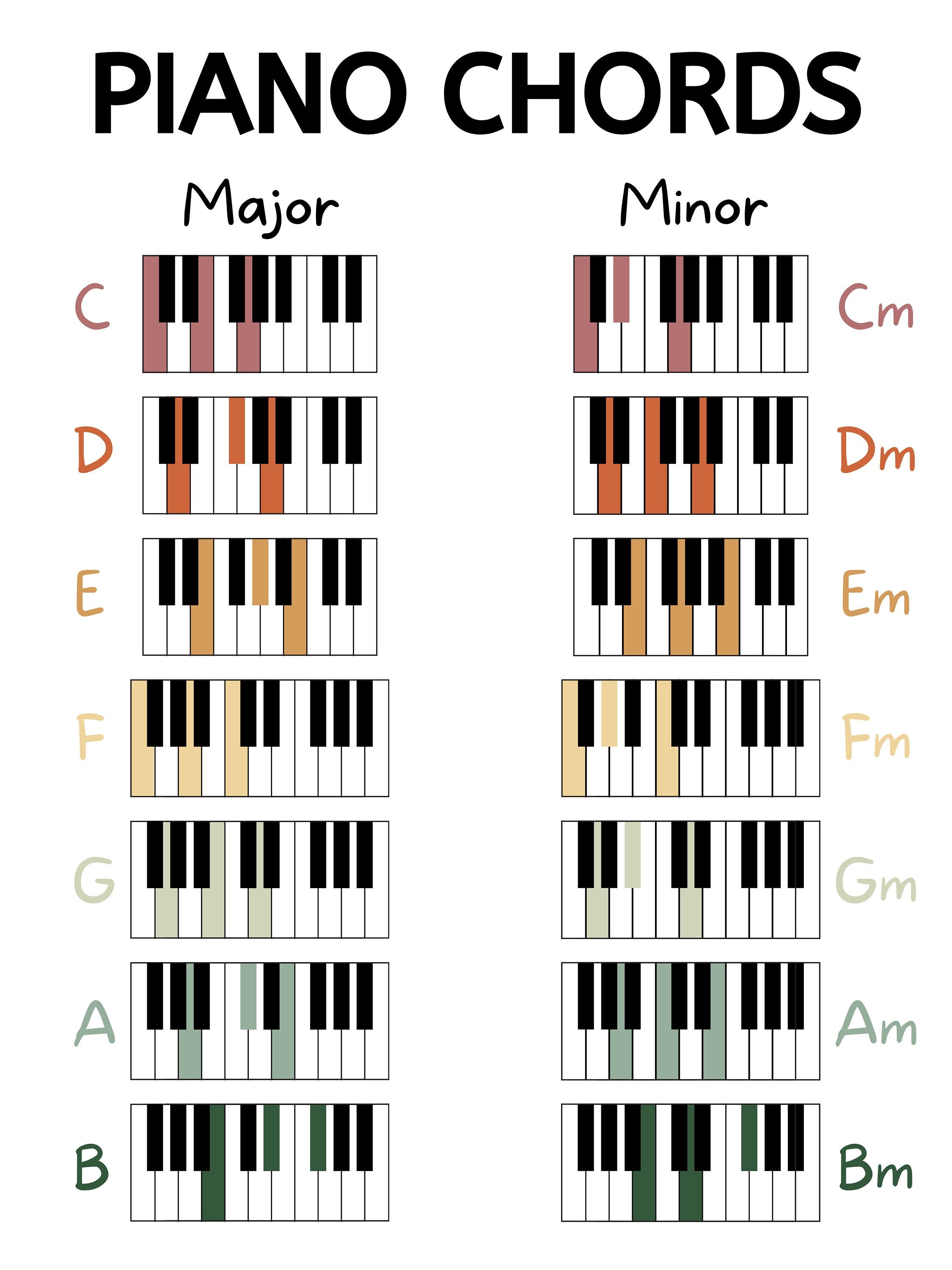
Frustrated by the hunt for the perfect piano chords chart? You're not alone. Whether you're a beginner or an experienced player, having a reliable and easy-to-read chart is essential for quick reference and practice. A good piano chords chart should be your go-to resource, offering a clear layout of chord structures, from basic major and minor chords to more complex progressions.
Understanding Chord Symbols
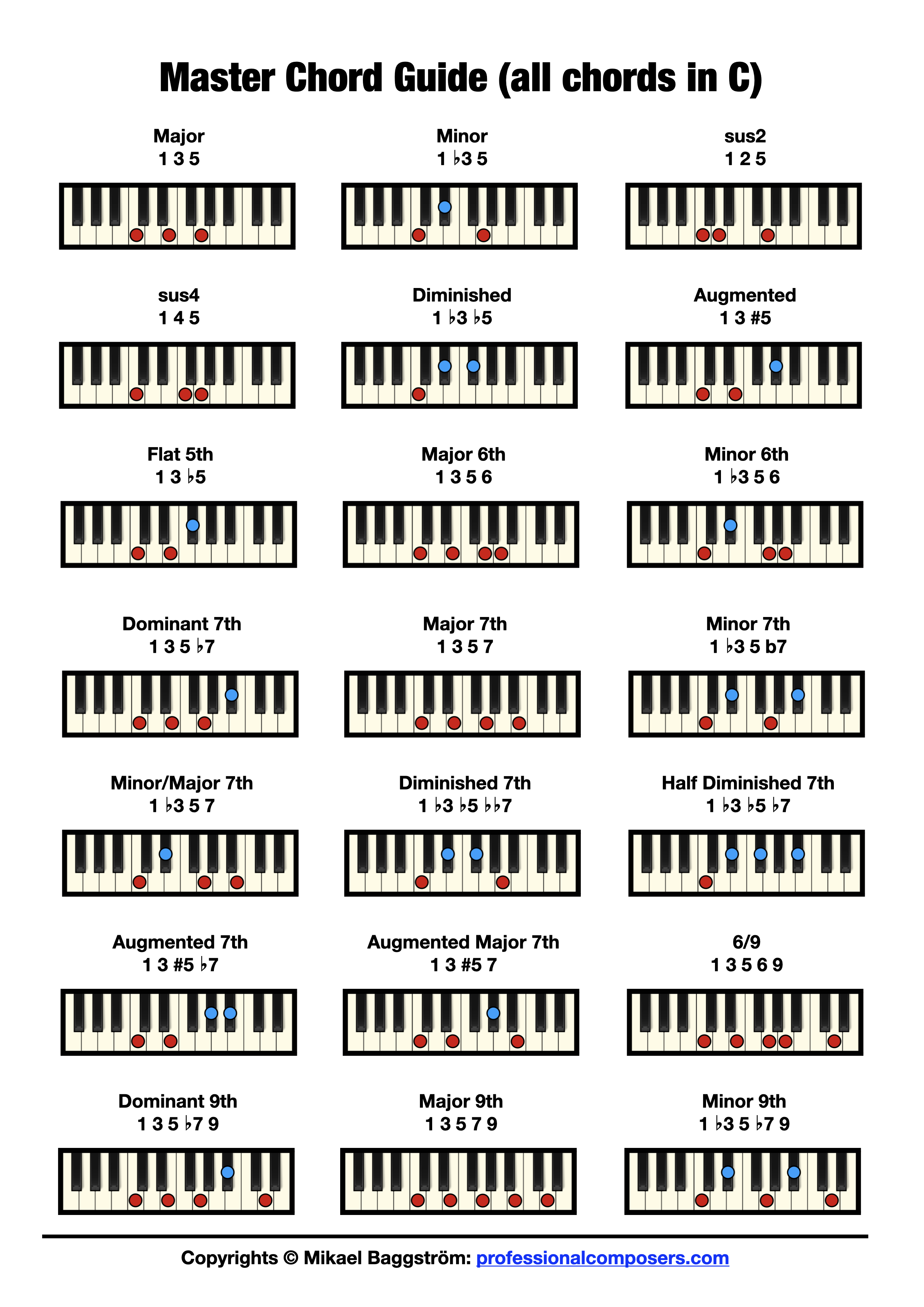
A piano chords chart is a handy reference tool for musicians, especially pianists. It's like a map that shows you the layout of different chords and their components. This chart is a great way to quickly grasp the basics of chord construction and progressions. The symbols on the chart represent the notes that make up each chord, and by understanding these symbols, you can easily build and play various chords on the piano.
Common Chord Progressions and Formats
There are several standard chord progressions and formats used in music. The piano chords chart typically includes major and minor chords, which are the most common. These chords are represented by symbols like C, Dm, G7, and so on. The chart might also feature more complex chords like suspended chords (Csus) or added-note chords (Cadd9). Each symbol gives you a snapshot of the notes that create that specific chord.
Reading Chord Charts: A Step-by-Step Guide
When reading a piano chords chart, follow these steps:
- Identify the chord symbol you want to play.
- Locate the symbol on the chart and find the corresponding notes.
- Place your fingers on the piano keys according to the chart's diagram.
- Play the chord and listen to its unique sound.
For example, if you see the symbol C, you'll find it represents the notes C, E, and G. Place your fingers on these keys, and you've just played a C major chord!
Avoiding Misreadings and Pitfalls
While piano chords charts are incredibly useful, it's important to be aware of a few potential pitfalls:
- Variations: Different charts may use slightly different symbols or notations. Always double-check the specific chart's key or legend to ensure you're interpreting the symbols correctly.
- Complex Chords: Some chords, especially those with added notes or extensions, can have multiple variations. Be sure to explore all the possible fingerings to find the one that works best for you.
- Practice: Reading chord charts takes practice. Start with simple major and minor chords, and gradually work your way up to more complex progressions.
Remember, a piano chords chart is a valuable tool, but it's just one part of your musical journey. Keep exploring, practicing, and enjoying the beautiful world of music and chord progressions!
Hey there, fellow music enthusiasts! We've covered a lot of ground in this blog post, and I hope it's given you a solid foundation to start exploring piano chords. Remember, the specifics might differ slightly based on your needs and the context, so feel free to adapt and make it your own.
If you're keen to dive deeper into the world of music theory and practice, why not check out some of our other guides? We've got a whole range of topics to explore, from basic music theory to more advanced techniques. It's a great way to keep learning and growing as a musician, so take a look and see what piques your interest!