Grout Color Chart Sheet Overview
Hey there! Let's talk about the gallon man chart, a clever visual tool that simplifies liquid measurements. This guide will give you a quick rundown on how to use this chart like a pro.
The gallon man chart is a handy reference, often used in cooking and baking, to convert and understand different liquid measurements. It's a simple diagram, but it can vary slightly depending on your region and the standards you follow. So, let's explore how to read and apply it accurately!
Understanding Gallon Man: A Visual Guide
The gallon man chart is a clever visual tool that helps us understand and convert liquid measurements easily. It's like having a handy reference guide for all your cooking and baking needs! This chart is especially useful when you're working with recipes that call for different units of measurement, like cups, pints, quarts, and gallons.
Key Details and Units
The gallon man chart typically displays a visual representation of a person, often a stick figure, with different body parts labeled to indicate liquid measurements. The head might represent a cup, the torso a pint, and so on. Each body part is labeled with its corresponding volume, making it easy to visualize and remember. The chart usually covers common liquid measurements in the imperial system, such as cups, pints, quarts, and gallons. It's a great way to quickly convert between these units.
Reading the Chart and Converting Measurements
Using the gallon man chart is simple and practical. Here's a step-by-step guide:
Identify the unit you want to convert. Let's say you have a recipe that calls for 2 cups of milk, but you only have a measuring jug that measures in pints.
Locate the "cup" on the gallon man chart. It's usually the head or a part of the head.
Follow the visual guide to see how many cups are equivalent to a pint. You'll see that 2 cups are equal to 1 pint.
Now, you know that 2 cups of milk are the same as 1 pint. So, you can easily measure out the right amount for your recipe.
It's as simple as that! The gallon man chart provides a quick and visual way to convert liquid measurements, making your cooking and baking adventures smoother.
Variations and Differences
While the gallon man chart is a fantastic tool, it's important to note that variations exist. Different charts might use slightly different visuals or have additional measurements included. For example, some charts might include half-cup or quarter-cup measurements, providing even more precision. Additionally, the chart's design and layout can vary, so it's always a good idea to familiarize yourself with the specific chart you're using.
Common Mistakes and How to Avoid Them
Here are a few common pitfalls to watch out for when using the gallon man chart:
Misinterpreting the visual cues: Always double-check the labels and ensure you're following the correct path of measurement.
Assuming precision: Remember, the chart provides a general guide. For precise measurements, especially in baking, it's best to use a scale for dry ingredients and a liquid measuring cup for liquids.
Mixing up imperial and metric: If you're working with recipes from different regions, be mindful of the measurement system used. The gallon man chart typically represents imperial measurements, so conversions might be needed for metric recipes.
By being aware of these potential mistakes, you can ensure accurate measurements and delicious results!
Well, there you have it! The Gallon Man Chart is a handy tool with a simple concept, but as we've seen, it's important to be aware of the variations and potential mistakes. Remember, the exact details might shift a little depending on your context, so always double-check your sources.
Feel free to explore our other guides; we've got plenty of practical tips and tricks to offer, and who knows, you might just discover a new favorite reference tool!
Related: How to Read the UCLA Depth Chart?
A ucla depth chart is your go-to resource for understanding the Bruins' team structure. This guide will walk you through the basics, ensuring you can navigate and utilize this chart like a pro.
It's a simple yet powerful tool, offering a clear view of player positions and team dynamics. Whether you're a sports enthusiast or just starting out, the ucla depth chart provides an easy-to-follow snapshot of the team's lineup, making it an essential reference for anyone wanting to stay informed.
Understanding the UCLA Depth Chart
The UCLA depth chart is a valuable tool for sports enthusiasts and analysts, offering a detailed look at the Bruins' roster and their player positions. It's like a map that guides you through the team's lineup, showing you who's in and who's ready to step in.
Key Positions and Categories
This chart is organized by player positions, with each position having a hierarchy. You'll find the starting players at the top, followed by backups and reserves. It's a clear way to see the depth of talent on the team. The positions are typically divided into offense, defense, and special teams, with further subdivisions for specific roles.
Depth Chart Analysis: A Step-by-Step Guide
Here's how to read and understand a UCLA depth chart:
- Start by identifying the position groups. These are usually labeled clearly, so you know which section to focus on.
- Within each position, the players are listed in order of their role. The starters are at the top, followed by backups. Look for the player's name, number, and sometimes their year in school.
- Pay attention to the depth. A well-balanced chart will show multiple players for each position, indicating a strong team with options.
- Some charts may also include additional info like player heights, weights, and even their hometowns, providing a more comprehensive view.
Variations and Differences
While the UCLA depth chart follows a standard format, variations can occur based on the sport and specific team strategies. For instance, in football, you might see different formations like the 3-4 defense or the 4-3 defense, which impact the depth chart's layout. Additionally, injuries or strategic decisions can lead to last-minute changes, so it's always a good idea to refer to the most recent chart for accurate information.
Remember, the depth chart is a dynamic tool, and understanding it can enhance your appreciation of the team's strategy and player talent.
Hey there, we hope this guide has given you a solid understanding of the UCLA depth chart and its practical uses. Remember, while the basics remain the same, there might be slight variations depending on your specific context or the source you're referencing.
Feel free to explore other guides on our site to deepen your knowledge and stay informed about the latest developments. We've got a range of topics covered, so you can always find something useful and relevant. Happy learning!
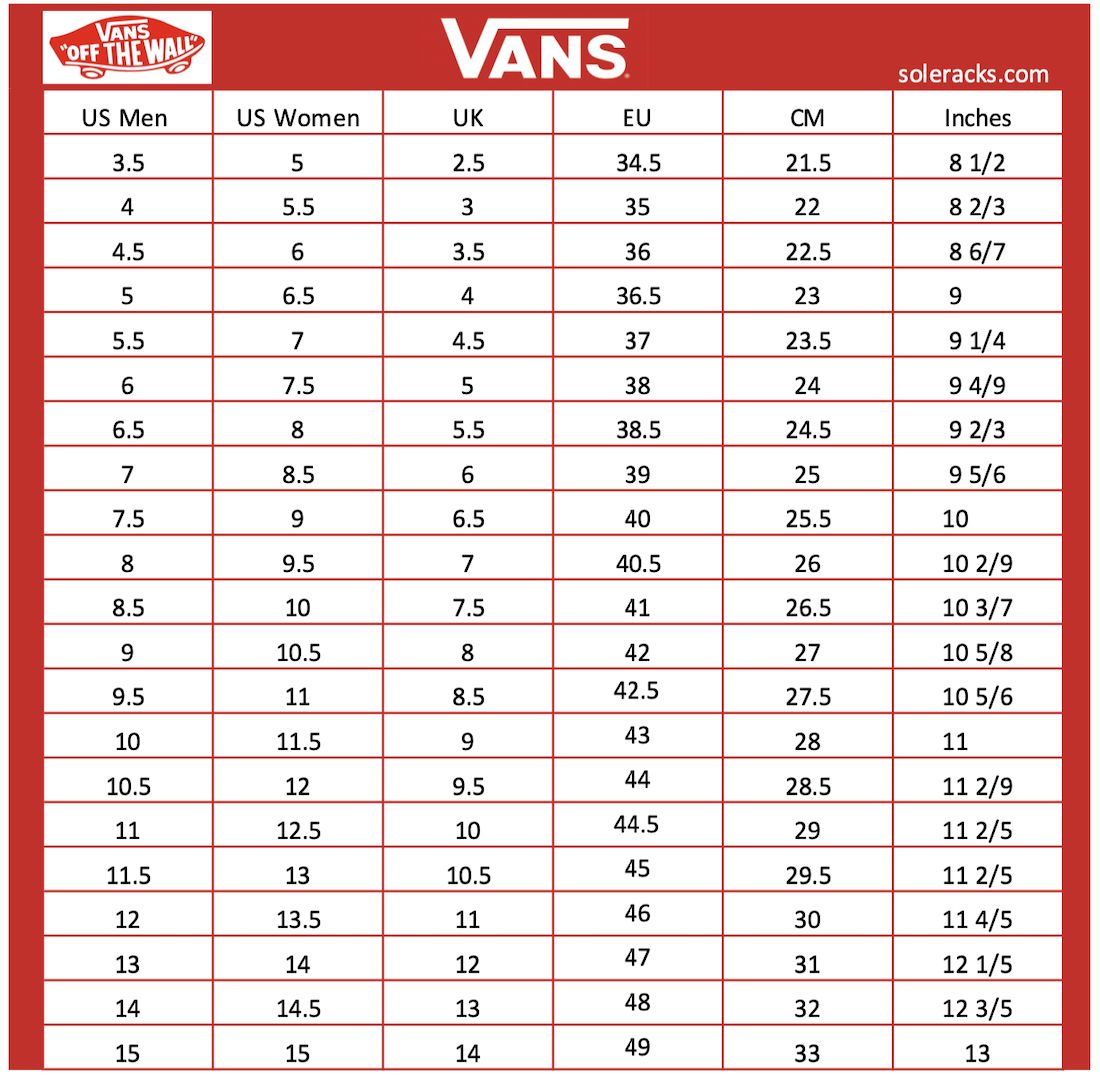
Related: How to use the Vans size chart?
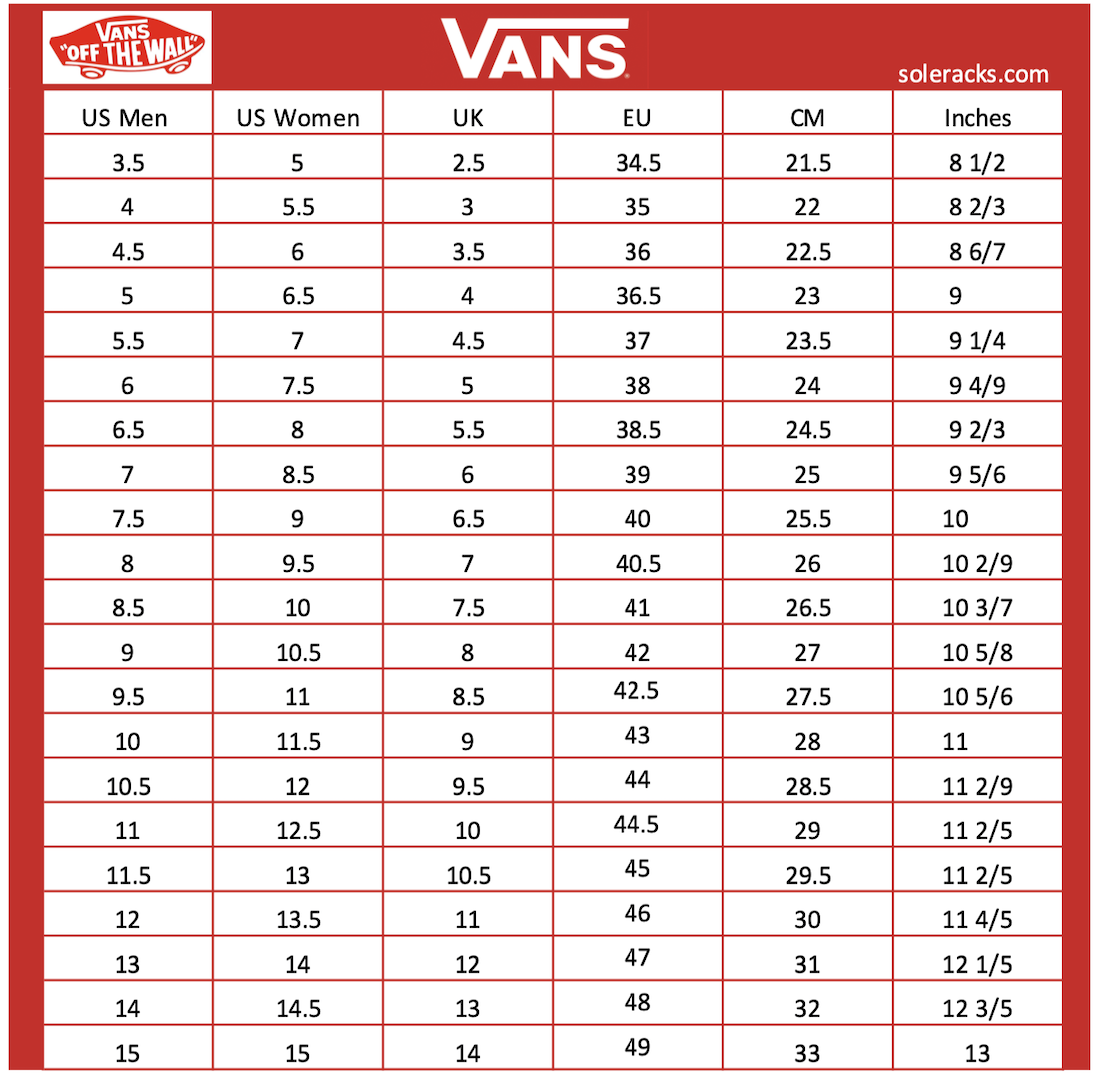
You're on a mission to find the perfect fit for your new Vans, and the Vans size chart is your trusty guide. It's a simple yet effective tool, offering a quick and reliable way to ensure you get the right size. This chart, a handy reference, provides an easy-to-read overview of men's and women's sizes, with length and width measurements to help you match your feet to the ideal pair. While the values may vary slightly depending on the style and region, the Vans size chart is a great starting point for an accurate fit.
Understanding Vans Size Chart
The Vans size chart is your go-to guide for finding the perfect fit for your favorite Vans sneakers. It's a handy tool that simplifies the sizing process, ensuring you get the right size for a comfortable and stylish stride.
Key Details and Categories
This chart provides a comprehensive breakdown of Vans shoe sizes, covering both men's and women's styles. The sizes are typically presented in US standard measurements, with length and width dimensions for each size. You'll find a clear table or diagram, making it easy to locate your ideal size.
Step-by-Step Guide to Reading the Chart
Here's a simple guide on how to navigate the Vans size chart:
- Identify your gender: The chart often separates men's and women's sizes, so start by locating the relevant section.
- Find your US size: Look for the column or row labeled with your US shoe size.
- Check the length and width: The chart will provide measurements for both length and width, ensuring a precise fit.
- Convert if needed: If you're more familiar with international sizes, use the conversion chart provided to find your equivalent US size.
- Choose your style: Different Vans styles might have slight variations, so ensure you're referring to the correct style guide.
Variations and Differences
It's important to note that shoe sizing can vary slightly between brands and even within the same brand for different styles. Vans, like many other shoe manufacturers, may have slight variations in their sizing charts to accommodate different foot shapes and preferences. These variations ensure a comfortable fit for a wide range of wearers.
Common Mistakes and How to Avoid Them
One common mistake is assuming that your Vans size will be the same as your regular shoe size. Always refer to the Vans shoe size chart specifically, as it may differ from other brands you wear. Another pitfall is neglecting to measure your foot properly. Ensure you follow the provided guidelines for accurate measurements.
Tips for Accurate Sizing
To ensure an accurate fit, consider these practical tips:
- Measure your foot regularly, especially if you're between sizes or notice any changes.
- Try on multiple sizes if possible, especially if you're new to Vans or have unique foot characteristics.
- Pay attention to the width measurements; a wide foot might require a different size than what you usually wear.
- Consider the style of Vans you prefer; some styles might fit slightly differently due to their design.
Double-Checking and Handling Exceptions
While the Vans size chart is a reliable guide, it's always a good idea to double-check the specific style and model you're interested in. Some Vans styles might have unique features or fit preferences, so referring to the detailed sizing guide for that particular style is recommended. Additionally, if you have unique foot characteristics, such as a wide or narrow foot, you may need to adjust your size accordingly. Always trust your comfort and fit preferences.
Well, there you have it! A comprehensive guide to understanding the Vans size chart. It's always best to be prepared and know your size, especially when it comes to finding the perfect fit.
Remember, while this guide provides a solid foundation, it's always wise to check the specific size chart for the style you're interested in. Vans, like many brands, may have slight variations, so double-checking ensures you get the right size for your feet. Happy shopping, and don't forget to explore our other helpful guides to enhance your shoe-buying experience!