Hair Levels Chart Editable Overview
You're likely here because you need a reliable dmc color chart to guide your creative project, be it embroidery, cross-stitch, or another craft. This chart is a crucial tool, offering a clear and organized display of colors, often in the form of a thread or floss color guide. With various formats and standards, it's essential to find the right reference for your specific needs, ensuring an accurate and satisfying result.
Understanding the DMC Color Chart
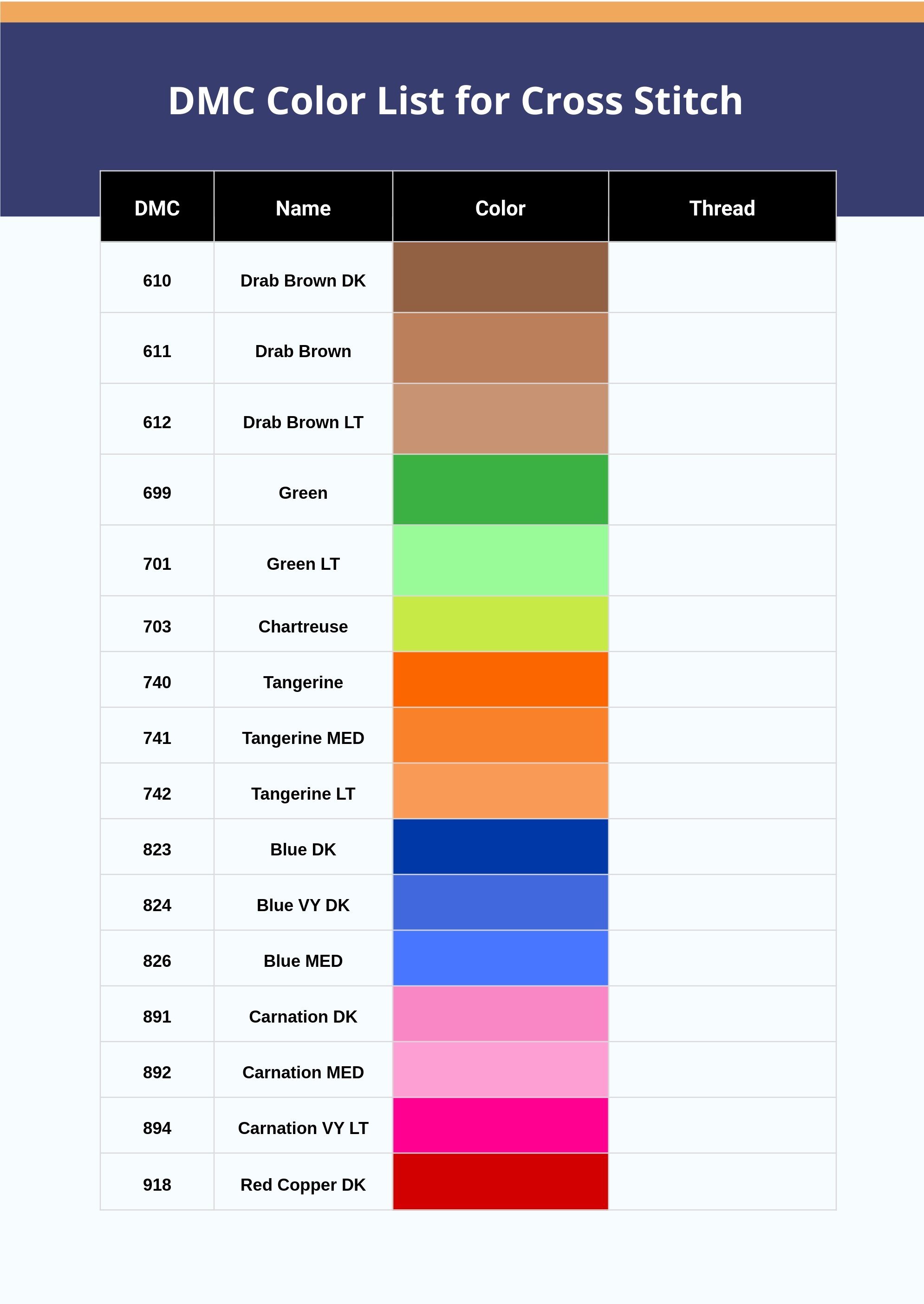
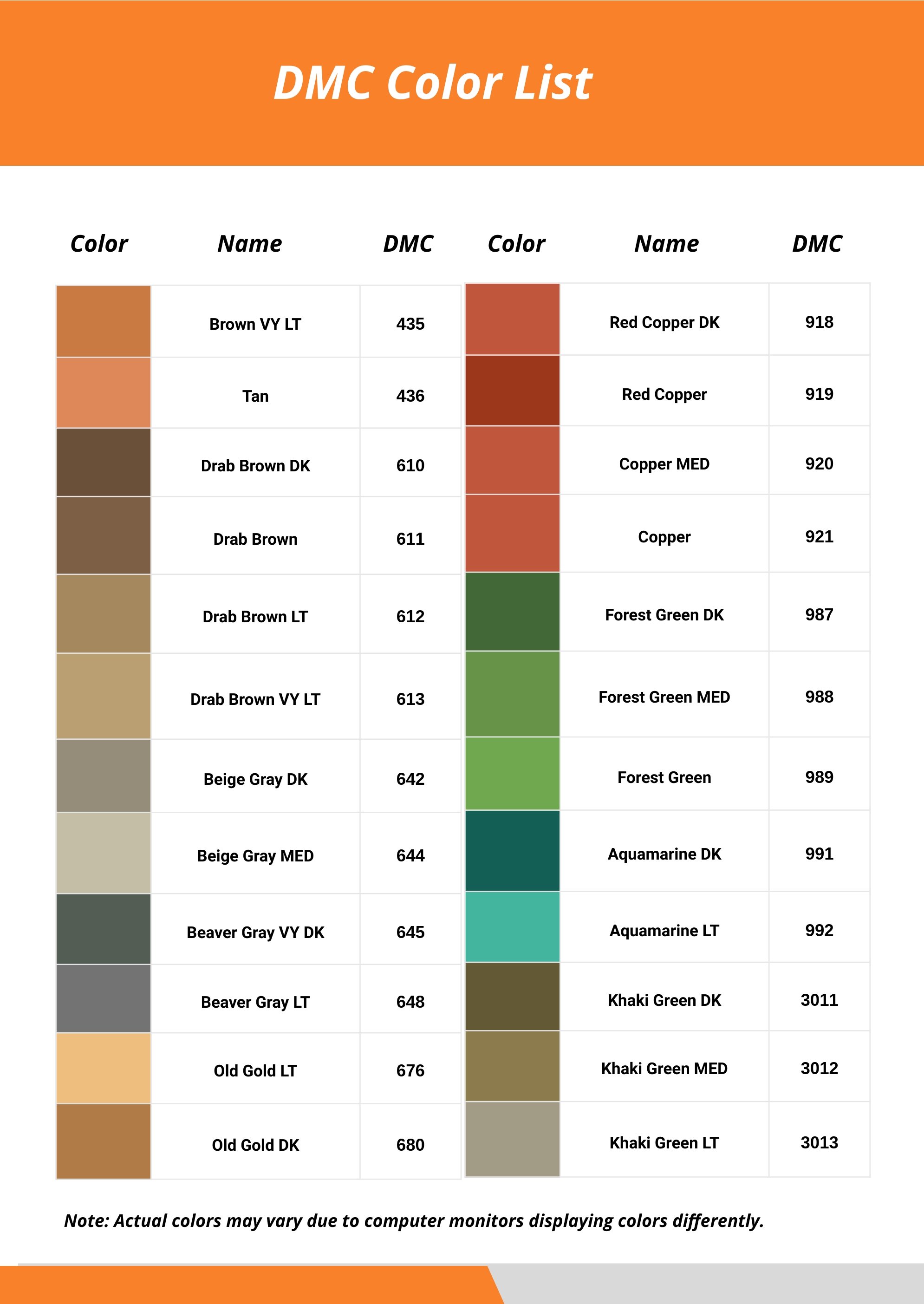
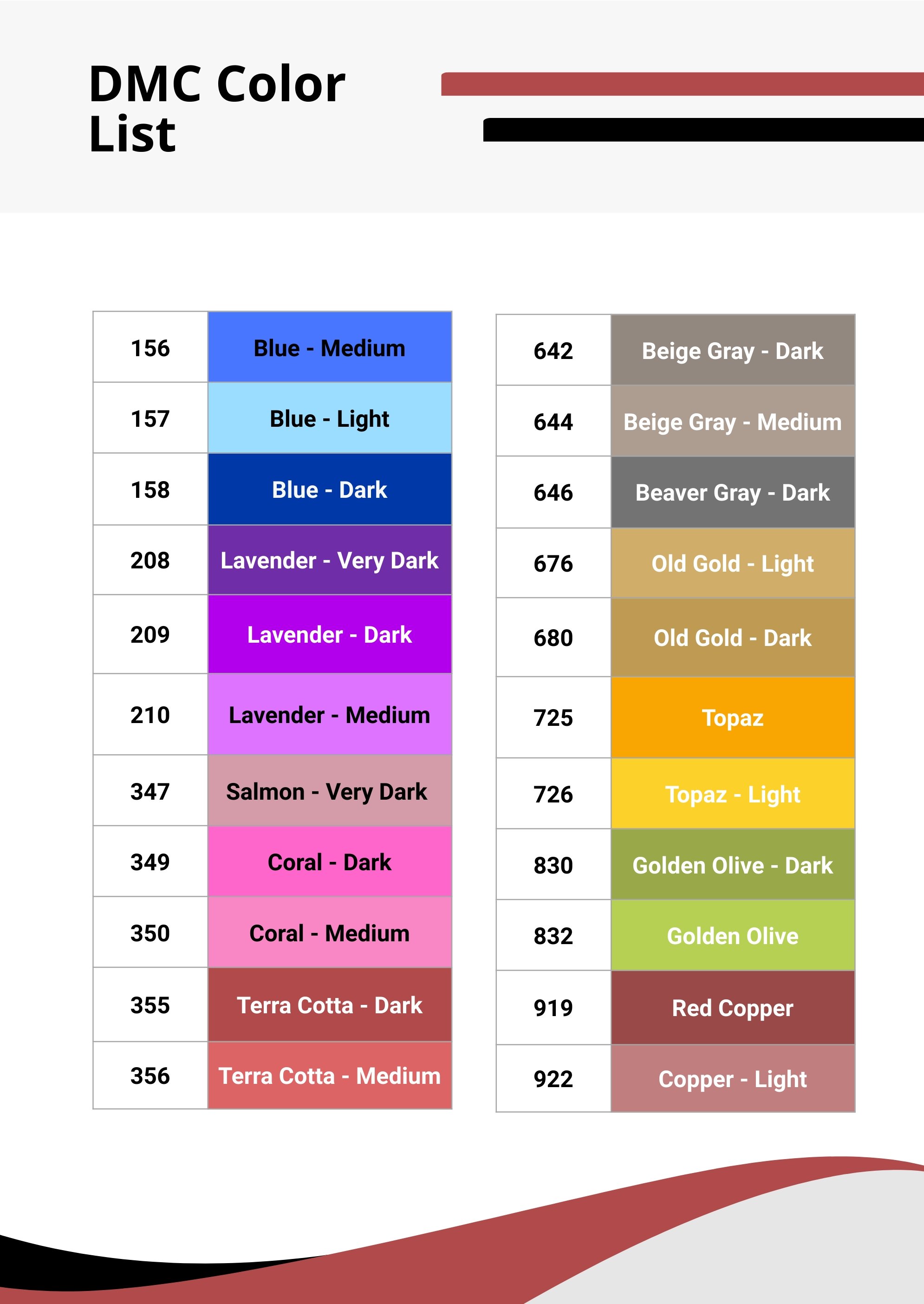
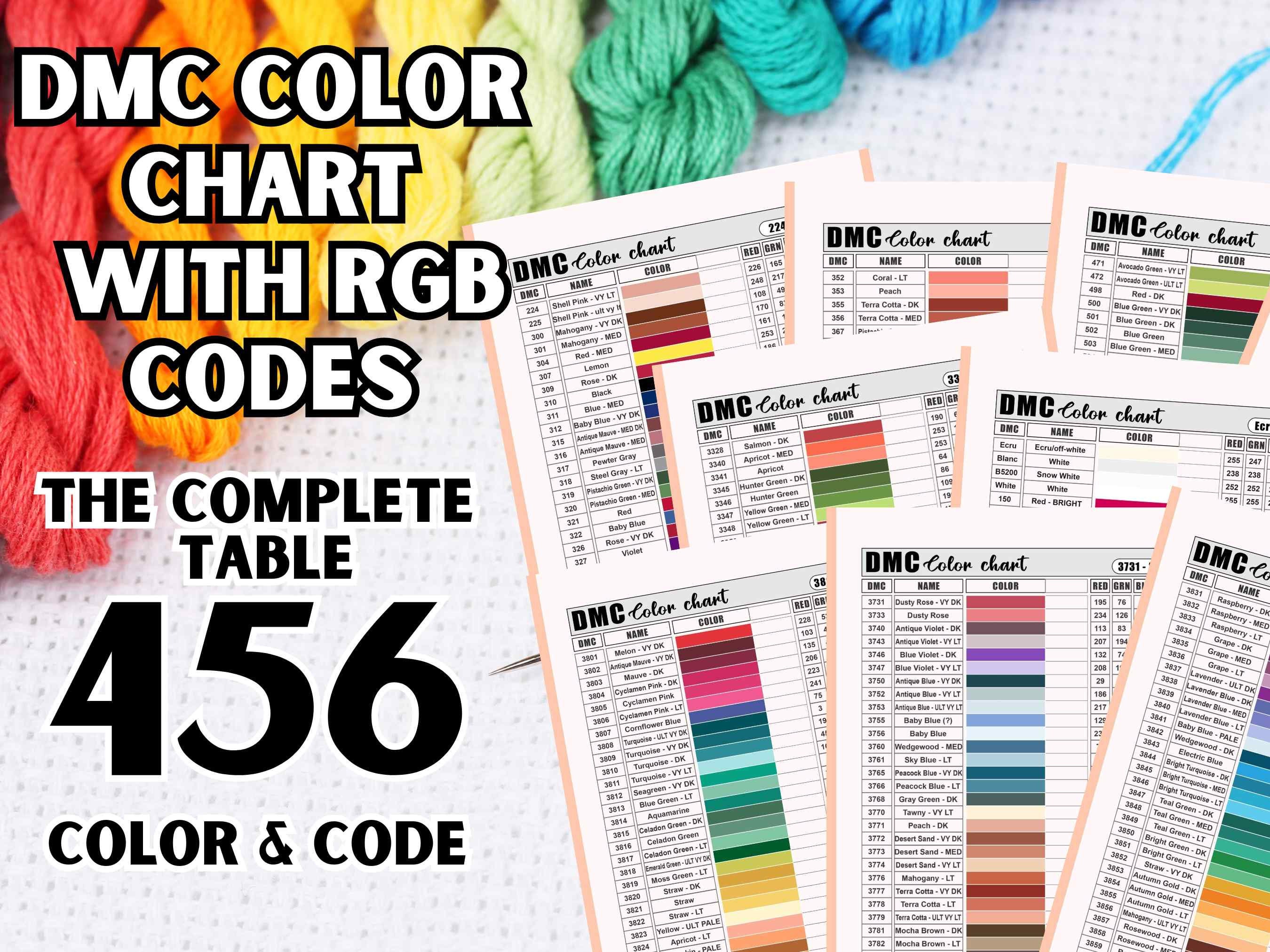
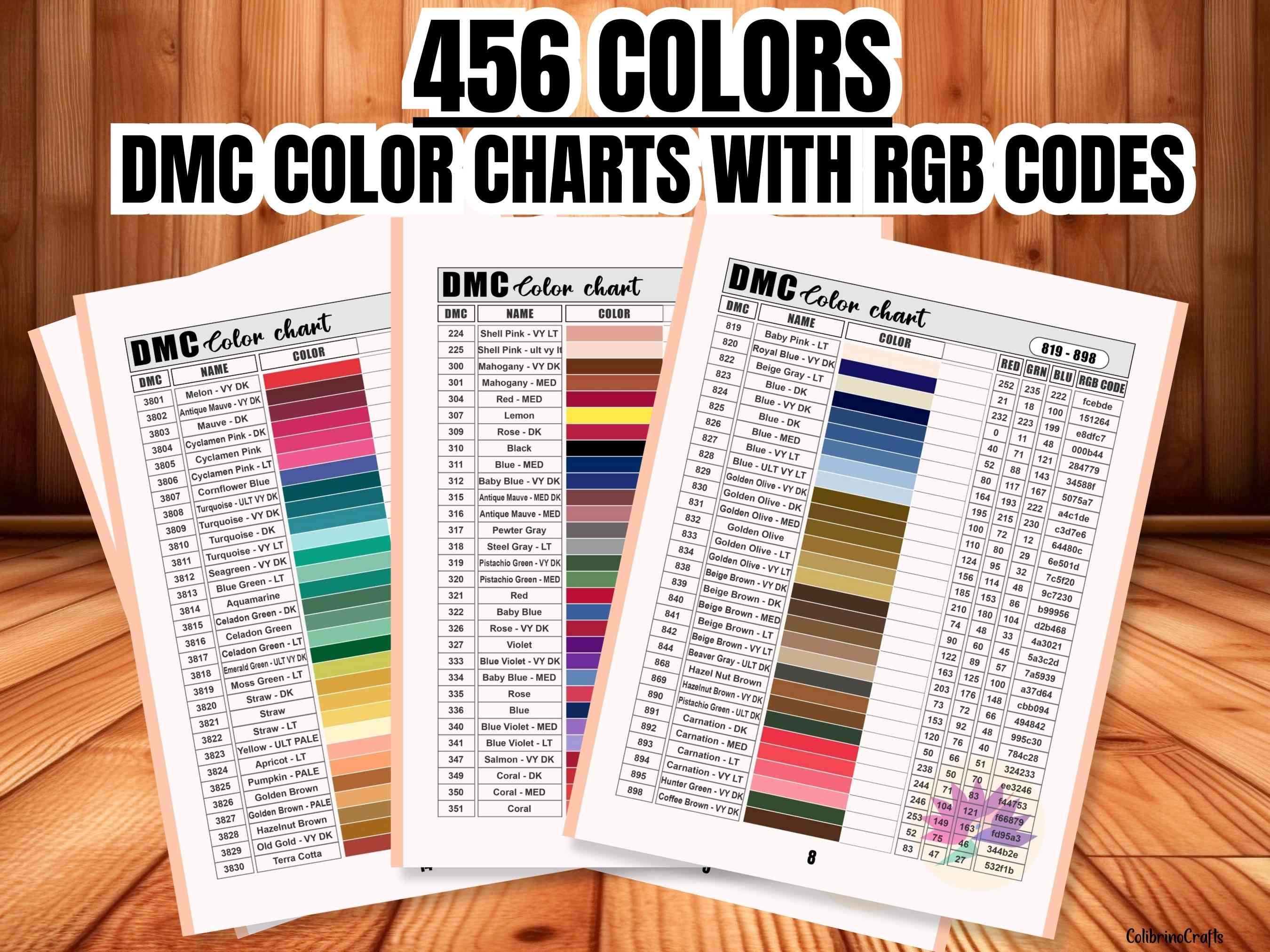
The DMC color chart is an essential tool for embroidery enthusiasts and professionals. It serves as a comprehensive guide to the vast range of DMC thread colors, providing a visual reference and accurate color codes. This chart is your key to unlocking the full potential of DMC embroidery threads.
Comparing Color Standards and Formats
DMC offers a standardized color system, ensuring consistency across their thread range. The chart typically displays a color swatch with its corresponding DMC color code. These codes are unique identifiers, allowing you to easily specify and match colors accurately.
Step-by-Step Guide to Using the DMC Color Chart
- Begin by identifying the color you wish to use. Look for the desired shade on the chart, which is usually organized by color family.
- Once you've located the color, note its DMC color code. This code is essential for referencing and ordering the correct thread.
- Use the chart as a guide when selecting threads for your embroidery projects. It ensures you achieve the intended color scheme and maintain consistency.
Avoiding Common Misreadings
It's important to note that lighting conditions can affect how colors appear. Ensure you view the chart in natural light to get an accurate representation of the shades. Additionally, be mindful of the difference between on-screen colors and physical thread colors, as screens may not always display true-to-life shades.
Factors Affecting Accuracy
Several factors can influence the accuracy of color representation on the DMC color chart. These include the type of paper or fabric used for the swatches, as well as the printing process. It's advisable to cross-reference colors with actual thread samples whenever possible to ensure precise color matching.
Choosing the Right Format
DMC provides various formats of their color chart to cater to different needs. You can opt for a physical color card, which is portable and convenient for on-the-go reference. Alternatively, digital versions are available for easy access on your device. Consider your preferred method of reference and choose the format that suits your embroidery workflow.
Maintaining Reliability for Future Projects
To ensure the longevity and reliability of your DMC color chart, handle it with care. Keep it away from direct sunlight and moisture to prevent fading or damage. Regularly update your chart to the latest version, as DMC may introduce new colors or make adjustments to their color range. By doing so, you'll always have an accurate and up-to-date reference for your embroidery endeavors.
Remember, the specifics of your DMC color chart may differ slightly, so it's always good to refer back to this guide for a quick refresh. Exact values can vary, so it's best to have your trusted reference at hand.
Feel free to bookmark this page for future use, and check out our other guides for more practical tips and insights. We aim to provide clear, concise information, so you can navigate these topics with ease. Happy crafting!
Related: How to use a chain size chart?
You're probably here because you need a quick solution, and who can blame you? When it comes to chain size chart, having the right information at your fingertips is key. This chart is your go-to resource, offering a simple and visual way to find the right chain dimensions. It's a handy tool that saves you time and effort, especially when you need to make quick decisions. While the values may vary depending on various factors, this chain size chart is a reliable starting point.
What is a Chain Size Chart?
A chain size chart is a handy reference tool that simplifies the process of identifying and selecting the right chain size for various applications. It serves as a visual guide, providing a clear overview of different chain dimensions and their corresponding specifications.
Key Details and Categories
The chart typically includes columns for chain type, pitch, width, and length. Each category is crucial for understanding the chain's dimensions and ensuring compatibility with your specific needs. The pitch refers to the distance between the chain's pins or rollers, and it is a fundamental measurement. Chain width and length are also essential factors, especially when dealing with bike chains or industrial applications.
How to Read and Apply the Chain Size Chart
To use the chain size chart effectively, follow these steps:
Identify the type of chain you need. This could be a bike chain, conveyor chain, or a specific industrial chain. Different applications require unique chain designs and sizes.
Determine the pitch of your chain. This measurement is critical and often dictates the compatibility of your chain with other components, such as sprockets or gears.
Next, consider the chain width. This dimension ensures proper fit and function, especially when the chain interacts with guide plates or other machinery.
Finally, assess the required chain length. This step is crucial for applications like bicycles, where the chain's length directly impacts the gear ratios and overall performance.
Variations and Differences
It's important to note that chain size charts can vary depending on the standard being used. Common standards include the Imperial system (often used in the US) and the metric system (used internationally). These standards may have slightly different measurements and categories, so it's essential to refer to the appropriate chart for your region or application. Additionally, some charts may provide conversions between metric and Imperial units for convenience.
Common Mistakes and How to Avoid Them
One common mistake is assuming that all chains of the same type are universally compatible. While many chains share similar dimensions, subtle differences in pitch, width, or length can render them incompatible. Always double-check the specific measurements and tolerances provided by the manufacturer or standard to ensure accurate selection.
Practical Tips for Accurate Results
When using a chain size chart, consider these tips:
Always refer to the most recent and relevant standard for your region or application. Standards may evolve, so staying updated is crucial.
Pay attention to the units used in the chart. Some charts may mix metric and Imperial units, so ensure you understand the conversions if needed.
When measuring chains, use accurate tools like a caliper or a tape measure. Precision is key to selecting the right chain size.
If you're unsure about a specific chain dimension, consult with experts or refer to detailed specifications provided by manufacturers.
Keep in mind that some chains, especially those for industrial applications, may have unique features or variations. Always consider these when selecting a chain.
Hey there! We've covered a lot of ground with this chain size chart guide, and I hope it's given you a clear understanding of the basics. Remember, while the fundamentals remain the same, exact details can vary slightly depending on the context and the standards you're working with.
Feel free to explore our other guides for more practical insights and tips. We've got a whole range of topics to help you tackle various projects and tasks. Happy reading, and stay tuned for more!
Related: Need a Pipe Thread Chart? Find the Right One Here!
A pipe thread chart is an essential tool for anyone working with pipes and fittings, offering a quick and precise way to identify and match threads. This guide aims to provide an overview of what these charts entail and how they can be utilized effectively.
The charts present a clear and organized display of thread specifications, including standard sizes, pitch, depth, and more. While the values may vary depending on the region and pipe thread standards, the pipe thread chart serves as a reliable reference, ensuring accurate connections and preventing costly mistakes.
Understanding Pipe Thread Chart: A Practical Guide
The pipe thread chart is a valuable reference tool for anyone working with pipes and threaded connections. It provides a comprehensive overview of the various thread types, sizes, and standards commonly used in the industry. By understanding and utilizing this chart, you can ensure accurate measurements, proper fittings, and secure connections.
Key Details and Prerequisites
Before delving into the pipe thread chart, it's essential to grasp some fundamental concepts. First, pipe threads are categorized into different standards, such as the National Pipe Thread (NPT) and British Standard Pipe (BSP). These standards define the thread's dimensions, including the thread angle, pitch, and depth. The chart typically includes information on both tapered and straight threads, covering a range of sizes and series. Understanding these categories and their corresponding units is crucial for accurate interpretation.
Reading and Applying the Pipe Thread Chart
Using the pipe thread chart is a straightforward process. Here's a step-by-step guide:
Identify the Standard: Determine the pipe thread standard you are working with. This information is often indicated on the pipe or fitting itself. Common standards include NPT and BSP, but there are others as well.
Locate the Thread Series: The chart usually organizes threads into series, such as NPTF (National Pipe Thread Fuel) or BSPT (British Standard Pipe Tapered). Each series has its own unique characteristics and dimensions.
Measure the Thread Size: Measure the outside diameter (OD) of the pipe or fitting. This measurement is crucial for identifying the correct thread size.
Refer to the Chart: Using the measured OD and the identified thread series, locate the corresponding thread size and its specifications on the chart. The chart will provide details such as the thread pitch, depth, and other relevant dimensions.
Verify the Thread Type: Confirm the thread type, whether it is tapered or straight. This information is essential for selecting the right fittings and ensuring a proper seal.
Variations and Differences Across Standards
It's important to note that pipe thread standards can vary across regions and industries. The pipe thread chart may present different specifications for NPT, BSP, and other standards. These variations are due to historical and functional differences, and it's crucial to refer to the appropriate standard for accurate results. For instance, NPT threads are commonly used in the United States, while BSP threads are prevalent in the United Kingdom and other parts of the world.
Common Mistakes and How to Avoid Them
One common mistake is assuming that all pipe threads are universal. Different standards and thread series have unique specifications, and using the wrong one can lead to leaks, poor performance, or even safety hazards. Always double-check the thread type and size before making any connections. Additionally, ensure that you are using the correct chart for the specific standard you are working with. Misinterpreting the chart or applying it to the wrong standard can result in incorrect measurements and fittings.
Practical Tips for Accurate Results
To ensure accurate use of the pipe thread chart, consider the following best practices:
Always refer to the latest and most updated version of the chart. Standards and specifications can evolve over time, so staying current is essential.
When in doubt, consult with experts or refer to reputable sources for guidance. Pipe thread connections are critical, and getting it right is crucial for safety and performance.
Keep in mind that the chart provides general information. For precise applications or specialized projects, it's advisable to consult detailed specifications or seek professional advice.
Measure accurately and consistently. Small variations in measurements can lead to significant differences in thread size and fit.
Regularly inspect and maintain your pipe threads and fittings. Over time, threads can wear down or become damaged, affecting their performance.
By following these practical tips and understanding the nuances of pipe thread charts, you can ensure accurate and reliable connections in your projects.
Remember, while the fundamentals remain consistent, exact details can vary slightly across different standards and sources. It's always a good idea to double-check and refer back to this guide when needed.
Feel free to bookmark this page for future reference, and don't hesitate to explore other helpful guides we have available. Accurate measurements and seamless connections are just a click away!