









Halloween Coloring Pages Cat Overview
A size chart bicycle is a handy tool for anyone looking to ensure a perfect fit when choosing a bike. This guide will navigate you through the process, offering a clear understanding of these charts and their applications.
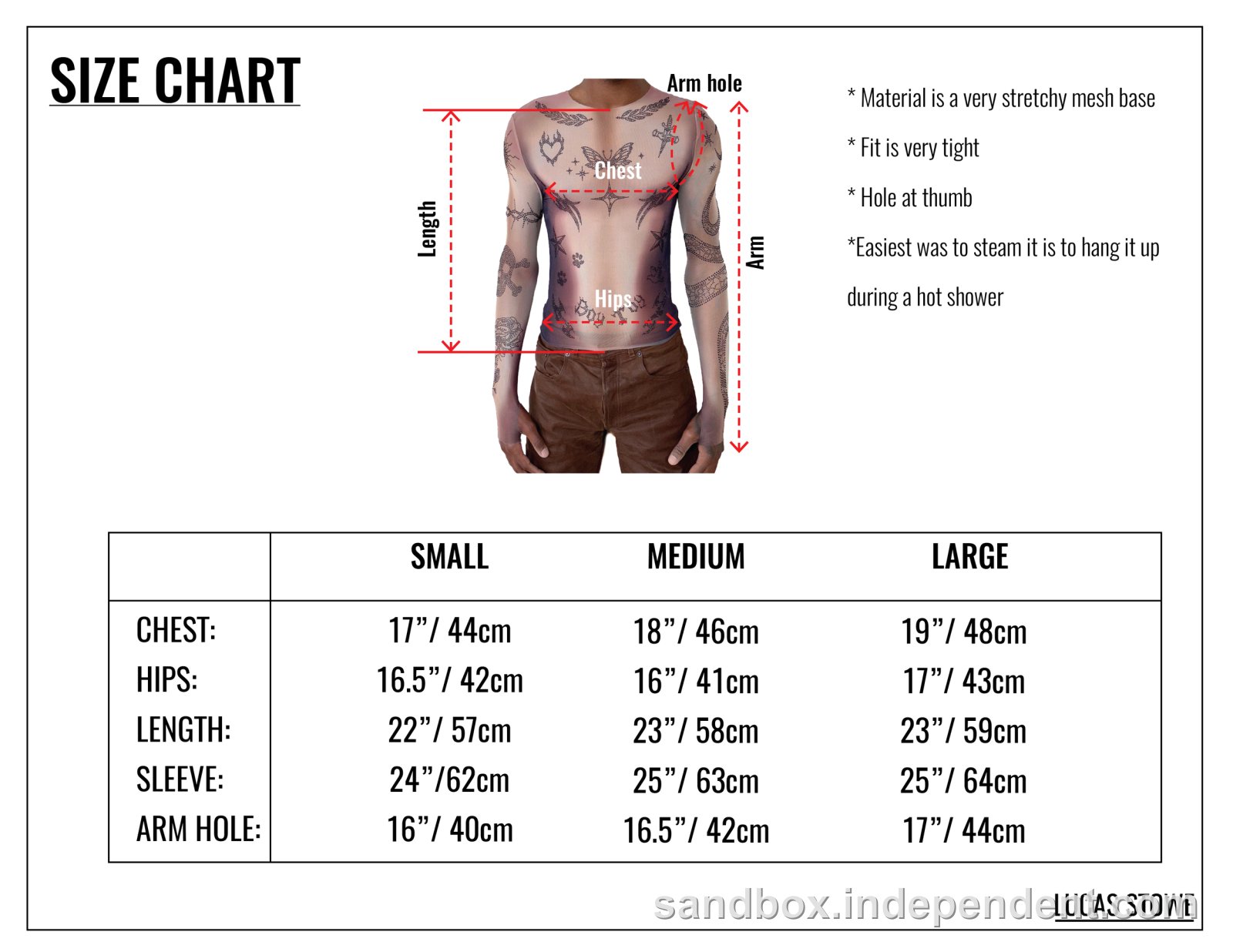
Bicycle size guides, often presented as charts or diagrams, provide a quick reference for various bike dimensions. While values may differ across brands and regions, these charts are designed to help riders find their ideal fit, covering everything from frame sizes to wheel dimensions.
Understanding the Size Chart Bicycle: A Quick Overview
A size chart bicycle is a valuable tool for cyclists, offering a standardized guide to help you choose the right bike size. It provides a reference for various bike dimensions, ensuring a comfortable and efficient riding experience. This chart is essential for anyone seeking to purchase or customize their bicycle.
Comparing Size Chart Formats: Standards and Categories
Size charts can vary depending on the region and the type of bicycle. The two primary standards are the metric (international) and imperial (often used in the US) systems. These charts categorize bikes based on factors like frame size, wheel diameter, and rider height. For instance, a road bike sizing chart might focus on frame geometry, while a mountain bike dimensions chart may emphasize wheel size.
Step-by-Step Guide: Choosing the Right Size
- Identify the type of bike you need. Different bikes have unique size charts.
- Measure your body dimensions. Key measurements include your height, inseam, and arm reach.
- Refer to the size chart. Look for your measurements' intersection on the chart to find the recommended bike size.
- Consider personal preferences. If you prefer a more upright position, you might choose a slightly larger frame.
- Double-check with the manufacturer's specifications. Some brands may have slight variations in their size charts.
Avoiding Common Misreadings and Pitfalls
It's crucial to understand that size charts are general guides. Individual rider preferences and body proportions can vary, so the chart should be used as a starting point. Always consider your comfort and riding style. Misinterpreting the chart can lead to an ill-fitting bike, affecting your riding experience and potentially causing discomfort or safety issues.
Factors Affecting Accuracy: Real-World Considerations
Several factors can influence the accuracy of a size chart. Firstly, the chart's standard must match your location and bike type. Secondly, personal factors like flexibility, riding experience, and intended use can impact the ideal bike size. For example, a more experienced rider might prefer a slightly smaller frame for better control. Lastly, manufacturing tolerances can vary, so always check the bike's actual dimensions before purchase.
Choosing the Right Size Chart Format
The choice of size chart format depends on your needs and the type of bike. For instance, a frame size chart is ideal for road bikes, focusing on frame geometry. A wheel size reference is more relevant for mountain bikes, emphasizing wheel diameter. If you're unsure, a comprehensive bicycle size guide can provide an overview of various bike types and their sizing considerations.
Keeping Your Setup Reliable: Maintenance and Updates
To ensure the reliability of your size chart, keep it up-to-date with the latest standards and specifications. Regularly check for updates from reputable sources, especially if you frequently change bike types or brands. Additionally, consider keeping a record of your body measurements and preferred bike sizes to streamline future purchases or adjustments.
Remember, while this guide offers a comprehensive overview, the exact details may differ slightly based on the specific bike model or manufacturer. It's always a good idea to double-check the size charts provided by the brand you're interested in to ensure an accurate fit.
Feel free to bookmark this page for future reference. We've got plenty more practical guides to help you with your cycling adventures and ensure you have all the tools you need to make the most of your rides. Happy cycling!
Related: Rebar Size Chart: A Quick Reference Guide
A common misconception about rebar size charts is that they are complex and intimidating, but in reality, they are a simple and incredibly useful tool for anyone working with concrete reinforcement. These charts provide a straightforward way to understand and select the right rebar size, often based on the nominal size or bar diameter. It's a quick reference guide that ensures you get the correct steel bar grades and dimensions for your project. While there may be variations in values and formats depending on your region and specific standards, the rebar size chart remains a reliable starting point.
Understanding the Rebar Size Chart: A Practical Overview
The rebar size chart is a handy reference tool for anyone working with concrete reinforcement. It provides a quick and easy way to determine the appropriate size and strength of steel bars needed for a project. This chart is essential for ensuring the structural integrity and safety of reinforced concrete.
Comparing Rebar Size Standards and Formats
Rebar size charts can vary depending on the standard being used. Two common standards are the US standard, which uses imperial units, and the metric or international standard. These standards have different measurement systems and may have variations in the categories and labels used. It's crucial to know which standard applies to your project to ensure accuracy.
Step-by-Step Guide to Reading the Rebar Size Chart
Using the rebar size chart is straightforward. First, identify the nominal size or bar diameter you require. This is usually specified based on the project's needs and the concrete's expected strength. The chart will provide a range of nominal sizes, typically in inches or millimeters, depending on the standard.
Next, locate the corresponding steel bar grade. This grade indicates the strength and quality of the rebar. Different grades offer varying levels of tensile strength, which is crucial for the concrete's reinforcement. The chart will provide a clear indication of the grade, often with a simple code or number system.
Finally, determine the rebar's weight and spacing. The chart will give you the weight per unit length, which is essential for calculating the total weight required for your project. Additionally, it will guide you on the recommended spacing between bars, ensuring proper reinforcement coverage.
Common Misreadings and How to Avoid Them
A common mistake is assuming that the nominal size on the rebar size chart represents the exact diameter. However, it's important to note that the nominal size is an approximate value, and actual diameters may vary slightly. Always refer to the chart's notes or specifications for any tolerances or deviations.
Another pitfall is overlooking the steel bar grade. Each grade has specific properties and strengths, so using the wrong grade can compromise the concrete's integrity. Always double-check the grade and ensure it aligns with your project's requirements.
Key Factors Affecting Accuracy and Real-World Use
Steel Bar Grades: Different grades offer varying strengths and are suitable for different applications. Ensure you choose the right grade for your project's needs.
Concrete Reinforcement: The type and strength of concrete also play a role. The rebar size and spacing must align with the concrete's requirements to provide adequate reinforcement.
Safety Considerations: Always prioritize safety when working with reinforced concrete. Follow industry guidelines and regulations to ensure the structural integrity and safety of your project.
Installation Tips: Proper installation techniques are crucial. Ensure the rebar is correctly positioned, tied, and supported to maintain its strength and effectiveness.
Adapting the Chart for Specific Needs
While the rebar size chart provides a comprehensive guide, it may not cover every unique situation. For specialized projects or unusual requirements, you may need to consult additional resources or seek expert advice. Always cross-reference the chart's data with project specifications and industry standards to ensure accuracy.
Keeping Your Reference Reliable for Future Projects
To ensure the reliability of your rebar size chart, keep it updated with the latest industry standards and specifications. Regularly check for any revisions or updates to the standard you are using. Additionally, consider keeping a digital or physical copy of the chart for easy access and reference during projects. This way, you can ensure consistent and accurate use of the chart for all your concrete reinforcement needs.
Well, there you have it! A comprehensive guide to rebar size charts, covering all the essential bases. From understanding the different options and standards to the step-by-step process and potential pitfalls, you're now equipped with the knowledge to tackle any rebar-related task.
Remember, while this guide provides a solid foundation, every project is unique. So, be sure to double-check your specific requirements and context to ensure you're using the right chart and format for your needs. It's a simple step but an important one to avoid any potential headaches down the line. Consider this your go-to reference, and feel free to bookmark this page for future use. Happy rebarring!
Related: Biggest Construction Companies In World Essential Guide
I was walking past a huge construction site the other day and it got me thinking about biggest construction companies in world. Who are these giants, and what do they do? Well, let's find out!
The Giants of Construction
When we talk about the biggest construction companies in the world, we're referring to the global players in the industry. These are the firms that take on massive projects, often spanning multiple countries and continents. They're the ones building iconic skyscrapers, designing innovative infrastructure, and shaping our cities and landscapes.
So, what makes these companies so big? It's a combination of factors. They have the resources, the expertise, and the global reach to take on projects that smaller companies might find daunting. These firms often have a diverse range of capabilities, from architecture and engineering to project management and construction execution.
Practical Considerations
If you're considering hiring one of these giants for a project, there are a few things to keep in mind. First, they're likely to be more expensive than smaller, local companies. This is due to their overhead costs, the complexity of their operations, and the fact that they often have to source materials and labor from a variety of places.
However, their size also means they can offer certain advantages. They often have access to the latest technology and innovative solutions, and their vast experience means they can handle complex projects with ease. They also tend to have strong relationships with suppliers and subcontractors, which can streamline the process.
When comparing quotes, make sure to get detailed, written estimates. Ask about the scope of work, timelines, and any potential extra costs. It's also worth checking references and previous projects to get a sense of their quality and reliability.
Company Names and Branding
Naming a construction company is an art. It needs to be memorable, professional, and reflect the company's values and services. Some of the biggest construction companies have simple, powerful names that stick in your mind. For example, think of Bechtel, Vinci, or Laing O'Rourke.
If you're starting a construction business, here are a few name ideas to get you started:
- BuildMaster
- Constructo
- Skyrise
- TerraFirm
- BuildTech
- GlobalBuild
Remember to check name availability and register your business name locally to avoid any legal issues.
Industry Tools and Data
The construction industry relies on various tools and data sources to estimate costs, manage projects, and stay competitive. One such tool is RSMeans, a comprehensive cost database used by contractors and estimators to price projects accurately. It provides detailed information on materials, labor, and equipment costs, helping companies bid for projects confidently.
The Outlook
The construction industry is constantly evolving, and the biggest companies are at the forefront of this change. They're investing in technology, adopting sustainable practices, and finding innovative solutions to industry challenges. With a focus on efficiency, sustainability, and digital transformation, these companies are shaping the future of construction.
So, that's a glimpse into the world of the biggest construction companies. They're the giants of the industry, with the resources and expertise to take on the most ambitious projects. While they may not be right for every job, their size and capabilities offer a unique set of advantages.
If you're considering a major construction project, it's worth researching these companies and understanding their strengths and weaknesses. It's a fascinating industry, and these companies are the true leaders, shaping our world one project at a time.