





Halloween Coloring Pages Pumpkins Overview
My Grady Chart is a valuable tool for anyone working with lighting and color. It offers a simple yet effective way to understand and control the color temperature of light sources. This guide will cover the essentials of the Grady chart, its purpose, and how it can benefit your lighting design or photography projects. Whether you're a professional or a hobbyist, having a grasp of this chart's principles is key to achieving accurate and consistent results.
Understanding My Grady Chart: A Quick Overview
My Grady Chart is a valuable tool for anyone working with lighting design, photography, or video production. It provides a visual representation of color temperature, a critical factor in achieving the desired mood and atmosphere in your visual media. This chart offers a simple yet effective way to understand and manage color temperature, helping you create consistent and accurate lighting conditions.
Comparing Color Temperature Standards: The Grady Scale vs. Kelvin Scale
The Grady Chart utilizes the Grady scale, which is a standardized method for measuring and representing color temperature. It is based on the Kelvin scale, a widely accepted standard in the lighting industry. The Grady scale provides a practical and easy-to-use reference for photographers and videographers, offering a visual guide to various light sources and their corresponding color temperatures.
Step-by-Step Guide: Using My Grady Chart Accurately
To make the most of My Grady Chart, follow these simple steps:
Identify the Light Source: Start by determining the type of light you are working with. Different light sources, such as sunlight, fluorescent, or incandescent bulbs, have unique color temperatures.
Refer to the Chart: Locate the light source on the chart. Each light source is represented by a specific color and temperature range. For instance, daylight might be indicated by a blue color, while tungsten lighting could be represented by a warmer, yellow tone.
Adjust Your Equipment: Once you've identified the color temperature, you can adjust your camera or lighting equipment accordingly. This ensures that the colors in your image or video are balanced and true to the intended effect.
Fine-Tune with White Balance: If needed, you can further refine the color temperature by adjusting the white balance settings on your camera. This step allows for precise control over the overall warmth or coolness of the image.
Avoiding Common Misreadings and Pitfalls
While My Grady Chart is a straightforward tool, there are a few potential pitfalls to be aware of:
Regional Variations: Color temperature standards may vary slightly between regions or industries. Always double-check the specific standards relevant to your project.
Light Source Changes: Be mindful that the color temperature of a light source can change over time, especially with natural light. Regularly check and adjust your settings to maintain consistency.
Creative Interpretations: While the chart provides a guide, it's important to remember that color temperature is a creative tool. Feel free to experiment and adjust to achieve your desired artistic vision.
Your Grady chart is a valuable tool, a quick and efficient reference, and a great starting point for your projects. It offers a structured approach, guiding you through the process with clarity.
Remember, while this chart provides a solid framework, your unique circumstances may require some customization. So, take a moment to review your specific needs and adapt the chart accordingly. It's a simple yet powerful resource, and with a bit of tailoring, it can become an indispensable part of your workflow.
Feel free to explore our other guides and resources. We've got a range of practical tools and tips to enhance your productivity and streamline your processes. Happy organizing!
Related: What is a hull tide chart?
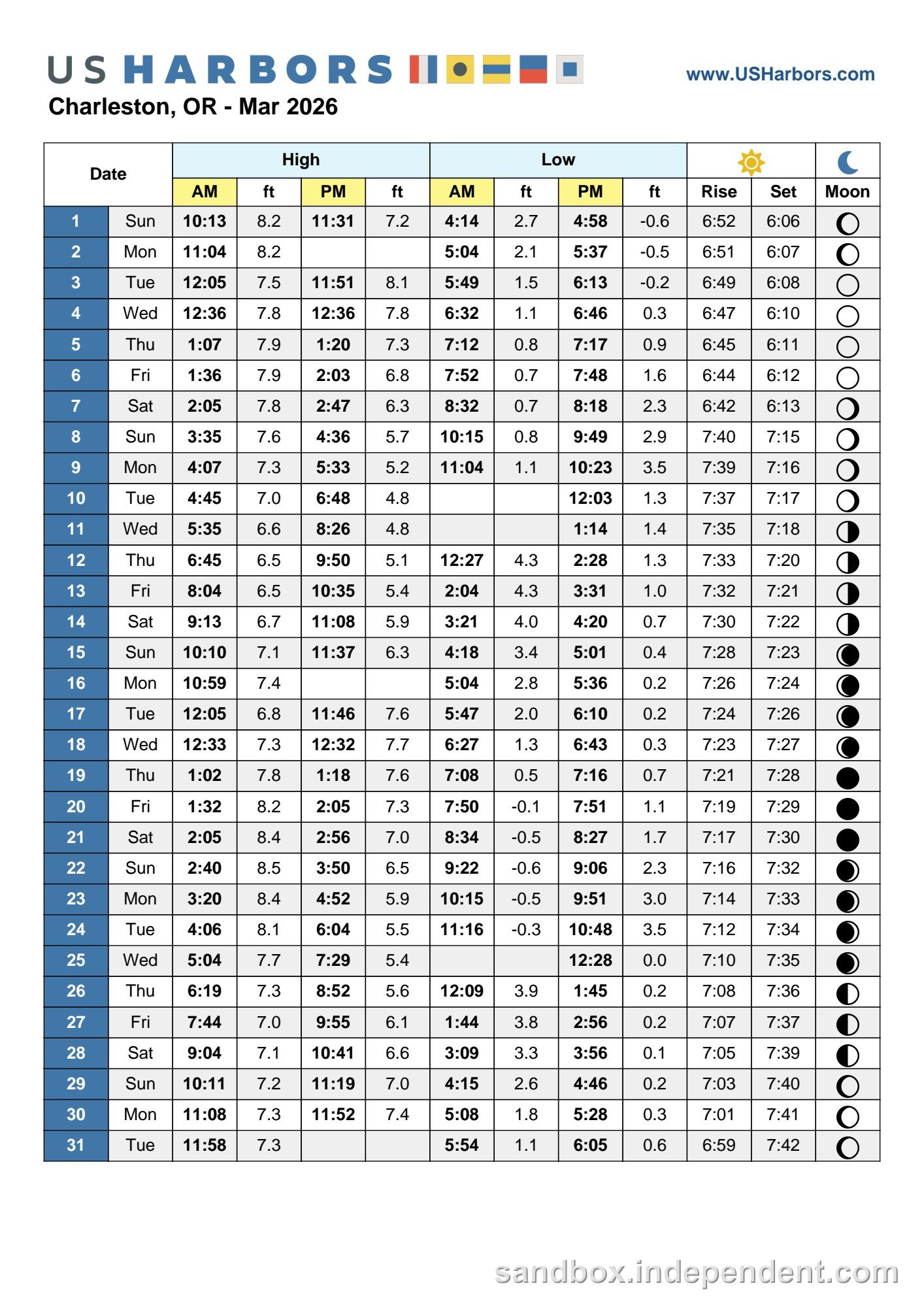
Many people overlook the importance of a hull tide chart and its precise details, assuming it's a simple tool. However, an accurate understanding is key to safe navigation. A hull tide chart is an essential reference, offering vital information for those navigating coastal waters. It provides a clear, visual representation of tidal data, including water levels and the tidal range, which are critical for planning a voyage and ensuring a smooth journey. These charts can vary slightly, but their purpose remains the same: to guide mariners and provide an accurate snapshot of the ever-changing coastal environment.
Understanding Tides: A Guide to Hull Tide Chart
The hull tide chart is a valuable tool for anyone navigating coastal waters, offering a visual representation of tidal patterns and water levels. This chart provides a snapshot of the dynamic nature of tides, helping sailors, fishermen, and coastal enthusiasts plan their activities and ensure safety.
Comparing Tide Chart Formats
Tide charts come in various formats, but the hull tide chart is designed specifically for marine navigation. Unlike generic tide tables, it accounts for the unique characteristics of a vessel's hull, such as its draft and displacement, which influence how it interacts with changing water levels. This chart typically displays tidal data for a specific location, often a harbor or coastal area, and provides a graphical representation of the tidal range over a given period.
Reading the Graph: A Step-by-Step Guide
To read a hull tide chart, follow these steps:
Identify the location: Ensure the chart corresponds to the area you're interested in. Each chart is specific to a particular harbor or coastal region.
Understand the timeline: The horizontal axis represents time, typically covering a 24-hour period or more. Each mark represents a specific hour, and you can estimate minutes between the marks.
Interpret the tidal data: The vertical axis shows the tidal range, with the mean sea level (MSL) as the reference point. Values above MSL indicate high tide, while values below represent low tide. The chart may use feet or meters, depending on the standard followed.
Locate key points: Identify the highest and lowest points on the chart, which represent the extreme high and low tides for the given period. These are crucial for understanding the maximum and minimum water levels.
Plan your activities: Use the chart to determine the best times for sailing, fishing, or other water-based activities. Consider the depth of your vessel's hull and the tidal range to ensure safe navigation.
Common Misconceptions and How to Avoid Them
A common mistake is assuming that tidal patterns are uniform across different locations. While tidal data is generally consistent within a small area, variations can occur due to factors like geography and local weather conditions. Always double-check the specific tidal range and water levels for your intended location, especially if you're unfamiliar with the area.
Factors Affecting Accuracy and Real-World Use
Several factors can influence the accuracy of a hull tide chart and its practical application:
Tidal range: The difference between high and low tide can vary significantly, impacting the chart's representation.
Weather conditions: Strong winds, storms, and other atmospheric events can cause deviations from predicted tides.
Geographic features: The shape of the coastline, bays, and estuaries can affect tidal flow and water levels.
Moon phases: The gravitational pull of the moon influences tides, and different moon phases can result in varying tidal patterns.
Local currents: Underwater currents and ocean circulation patterns can impact water levels and tidal flow.
When using a hull tide chart, consider these factors and regularly check for updates to ensure the most accurate information.
Well, there you have it! You should now feel equipped with the knowledge to navigate the world of hull tide charts and make the most of this practical tool. Remember, it's always a good idea to cross-reference and verify the information with your specific needs in mind.
Feel free to explore our other guides; we've got a range of topics that might be of interest, offering further insights and practical tips. Happy reading, and here's to smooth sailing!
Related: Public Listed Construction Company Essential Guide
I was walking past a busy construction site the other day, and it got me thinking about public listed construction companies. Who are these firms, and what do they do? Well, let's find out!
Understanding Public Listed Construction Companies
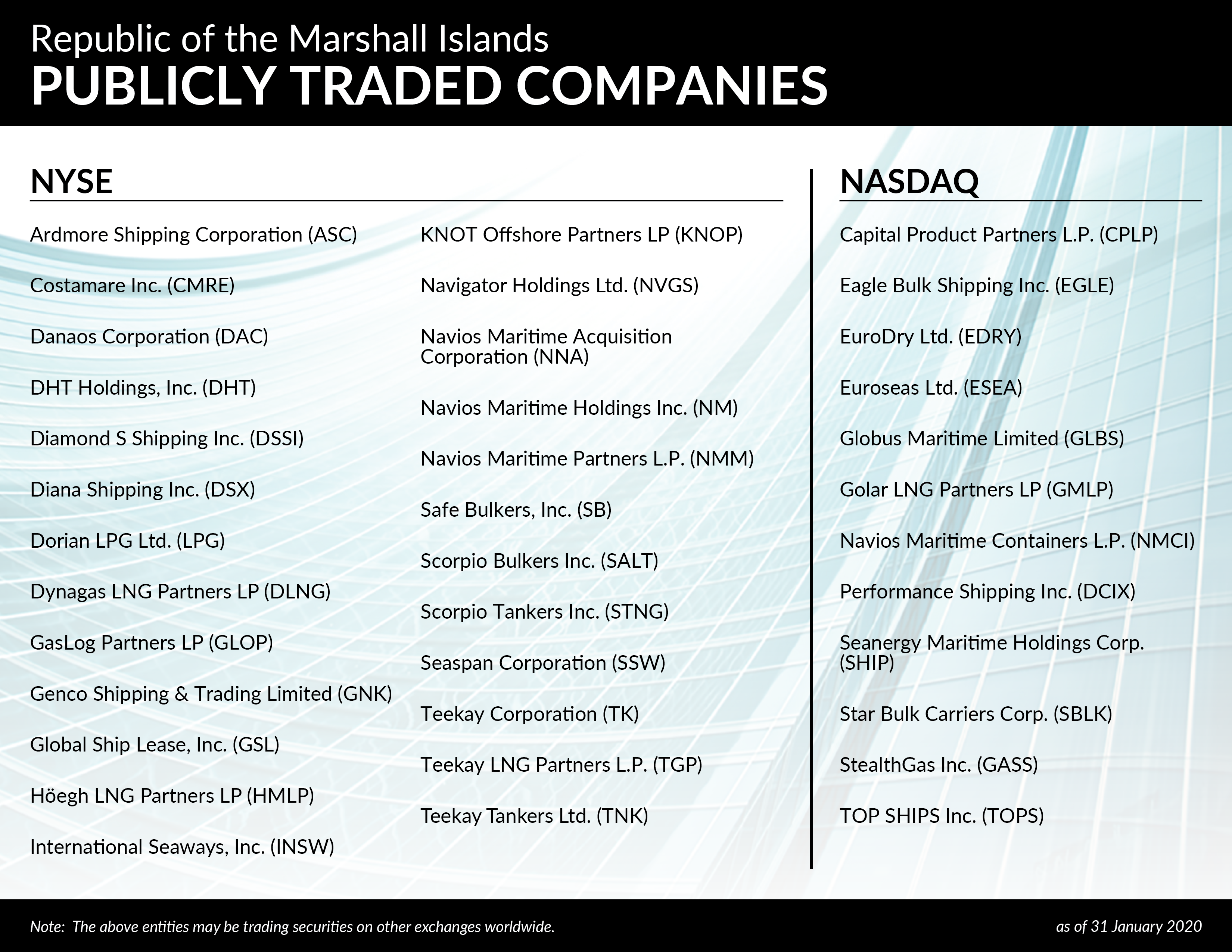
A public listed construction company is a business that builds and renovates structures, from homes to commercial buildings, and everything in between. These companies are often large-scale operations, with the resources to take on major projects. They might construct new buildings from the ground up or handle complex renovations and additions. The key here is that these companies are publicly listed, which means their shares are traded on a stock exchange and anyone can invest in them.
So, why does this matter? Well, for one, it means these companies are usually well-established and financially stable. They have the backing of investors and the public market, which can be a good sign of their long-term viability. This stability is important when you're considering hiring a contractor for a big project. You want to know they'll be around to honor their warranty and provide ongoing support.
Hiring a Contractor: What to Look For
When you're in the market for a contractor, whether it's for a home renovation or a new build, there are a few key things to consider. First, check their licensing and insurance. Make sure they're properly registered and insured for the work they do. This protects you in case of accidents or issues down the line. Next, ask for references and check their online reviews. Seeing what past clients have to say can give you a good idea of the company's reliability and quality of work.
It's also important to get multiple quotes. Prices can vary widely, and you want to make sure you're getting a fair deal. Compare apples to apples though; make sure the scope of work is the same across all quotes. And don't forget to ask about the timeline. A good contractor will give you a realistic estimate of how long the project will take, and they should be able to explain any potential delays.
Naming Your Construction Business
If you're in the construction business or thinking of starting one, you'll need a great name. A catchy, memorable name can help you stand out and make a good first impression. But what makes a good name? It should be unique, easy to remember, and reflect your business's personality or services. Avoid names that are too generic or could be confused with other businesses.
Here are a few original name ideas:
- BuildCraft
- Renova Solutions
- StructureWorks
- HomeRevamp
- ConstructoPros
- BuildTech
Remember to check the availability of these names and secure the relevant domains and local registrations before you finalize your choice.
The Construction Industry: A Quick Overview
The construction industry is a vast and diverse field, with roles ranging from general contractors to specialized tradespeople. Estimators, for example, play a crucial role in calculating costs and providing accurate quotes. Then there are project managers, who oversee the entire operation, ensuring it stays on track and within budget. These jobs can be found through various channels, including online job boards, industry-specific websites, and even word-of-mouth recommendations.
Data and Tools: RSMeans and More
In the construction world, tools like RSMeans are essential. RSMeans provides cost data and estimating tools, helping contractors and companies accurately price their work. It's a valuable resource for staying competitive and ensuring projects are financially viable. Similarly, cost databases and indexes are used to track and predict construction costs, helping businesses plan and budget effectively.
Large vs. Small Construction Firms
The construction industry is diverse, with a range of company sizes. Large firms often have the resources to take on big, complex projects and may have a national or even international presence. They can offer a wide range of services and have the manpower to handle multiple projects simultaneously. On the other hand, smaller firms might specialize in a particular area, like home renovations, and offer a more personalized service. They might be better suited to local projects and have a strong understanding of the specific market and its needs.
So, there you have it! A quick dive into the world of public listed construction companies. Whether you're looking to hire a contractor or just curious about the industry, I hope this gives you a better understanding of what these companies do and how they operate.