

Halloween Witch Coloring Pages Overview
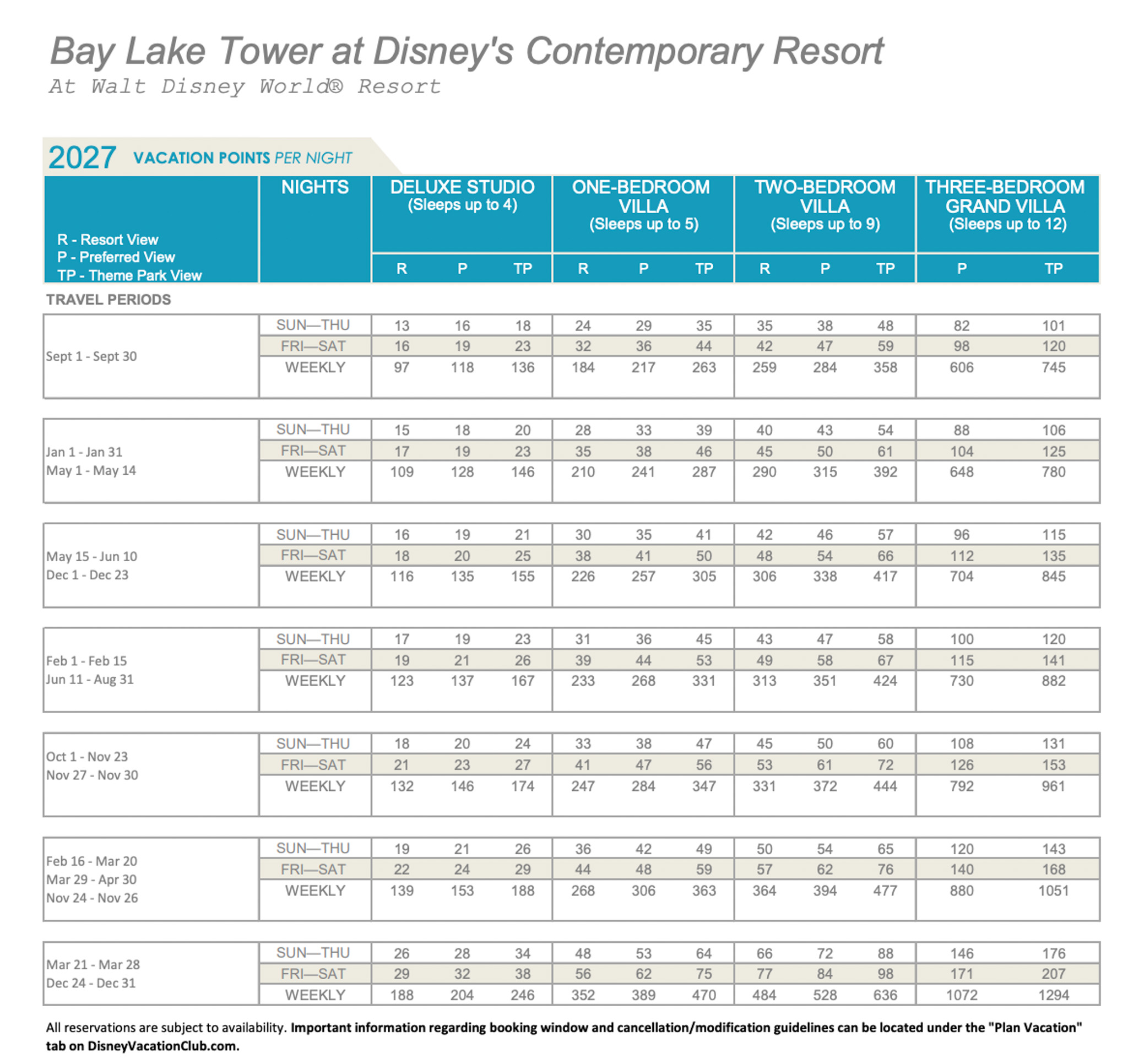
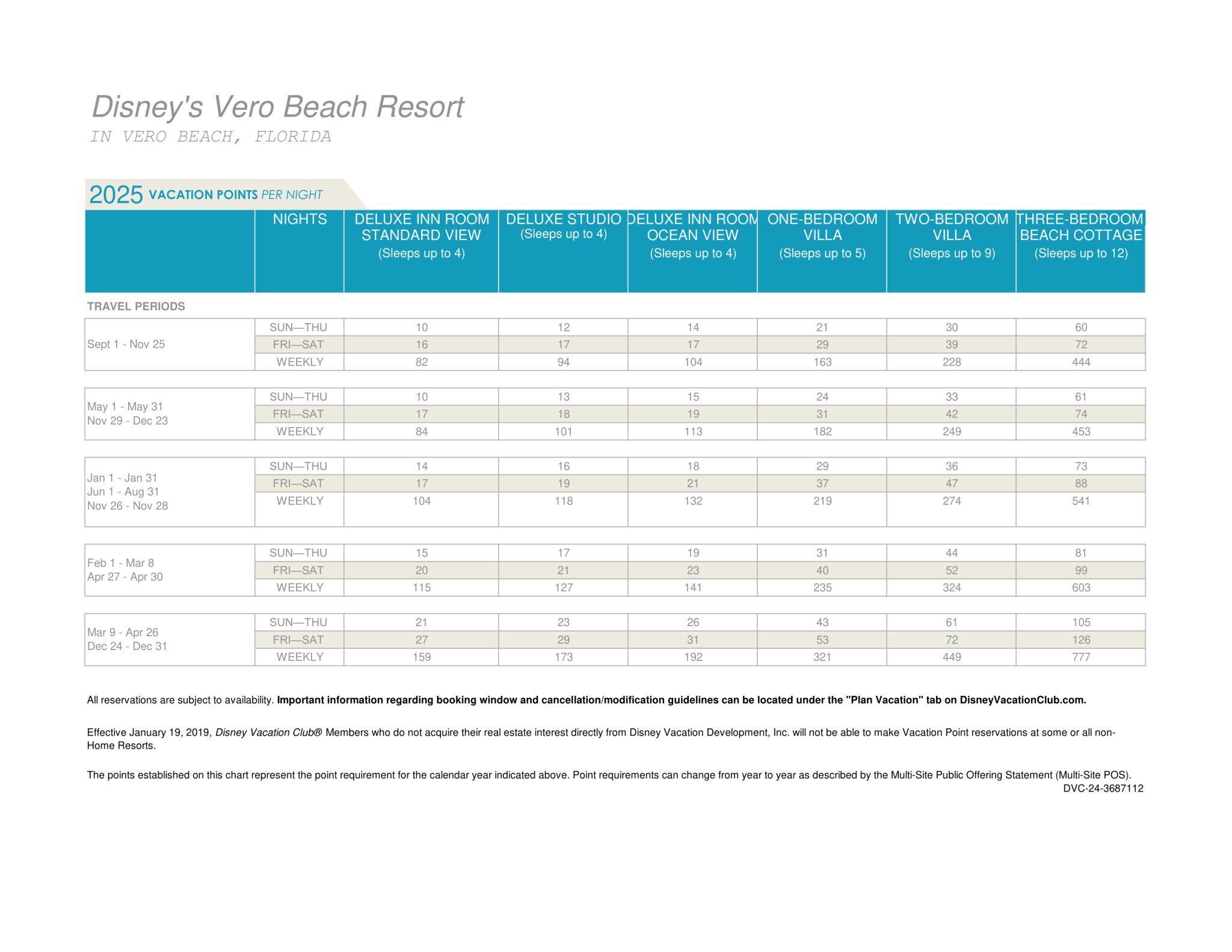
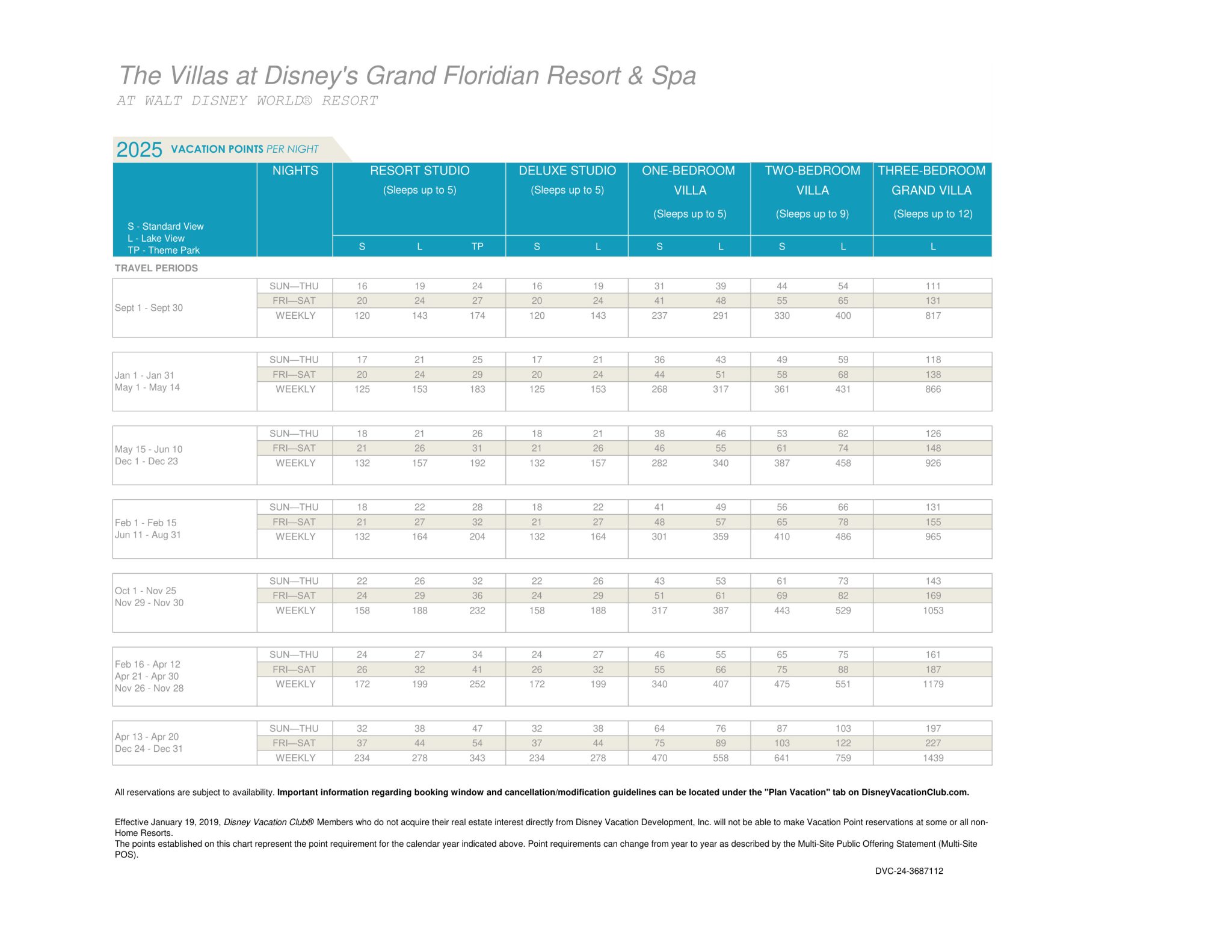
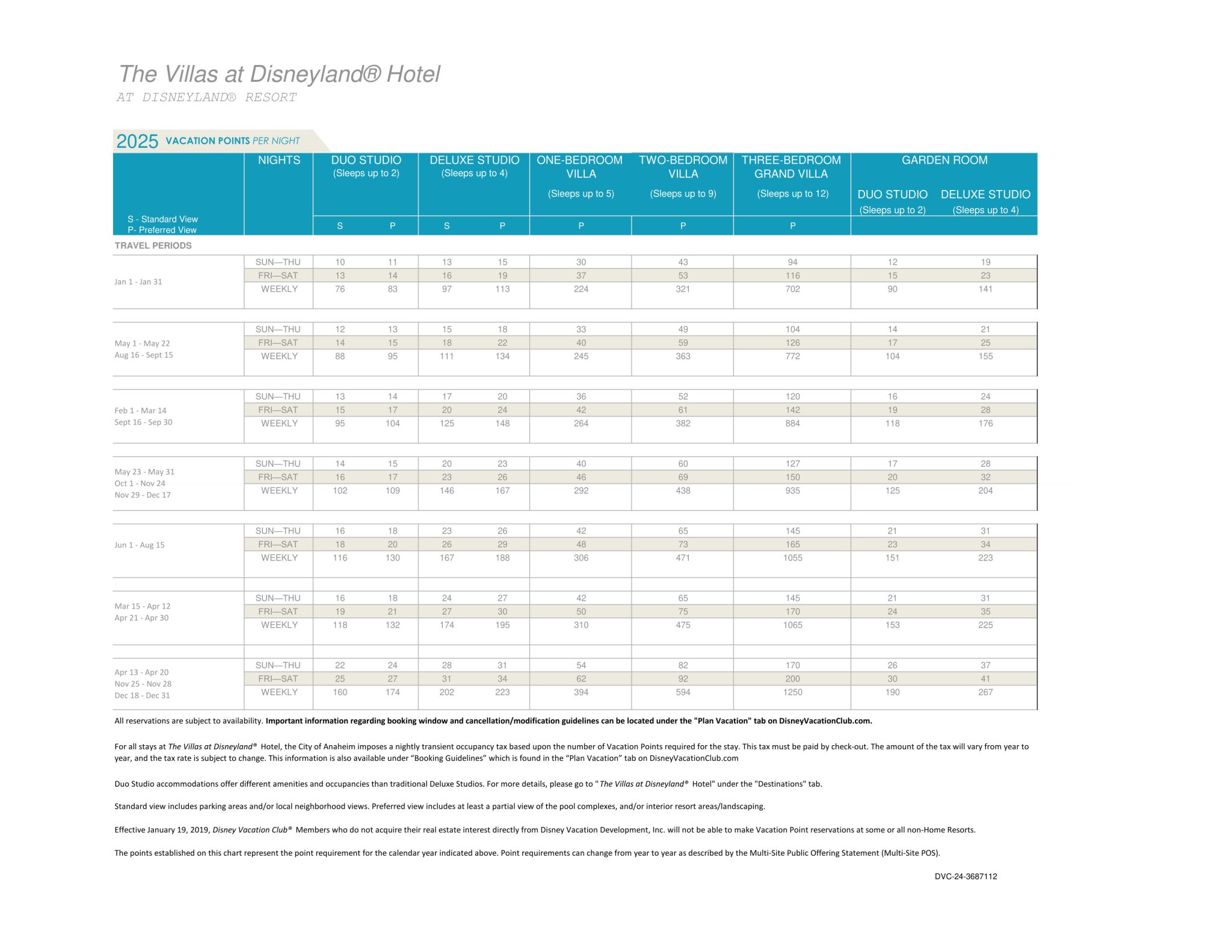
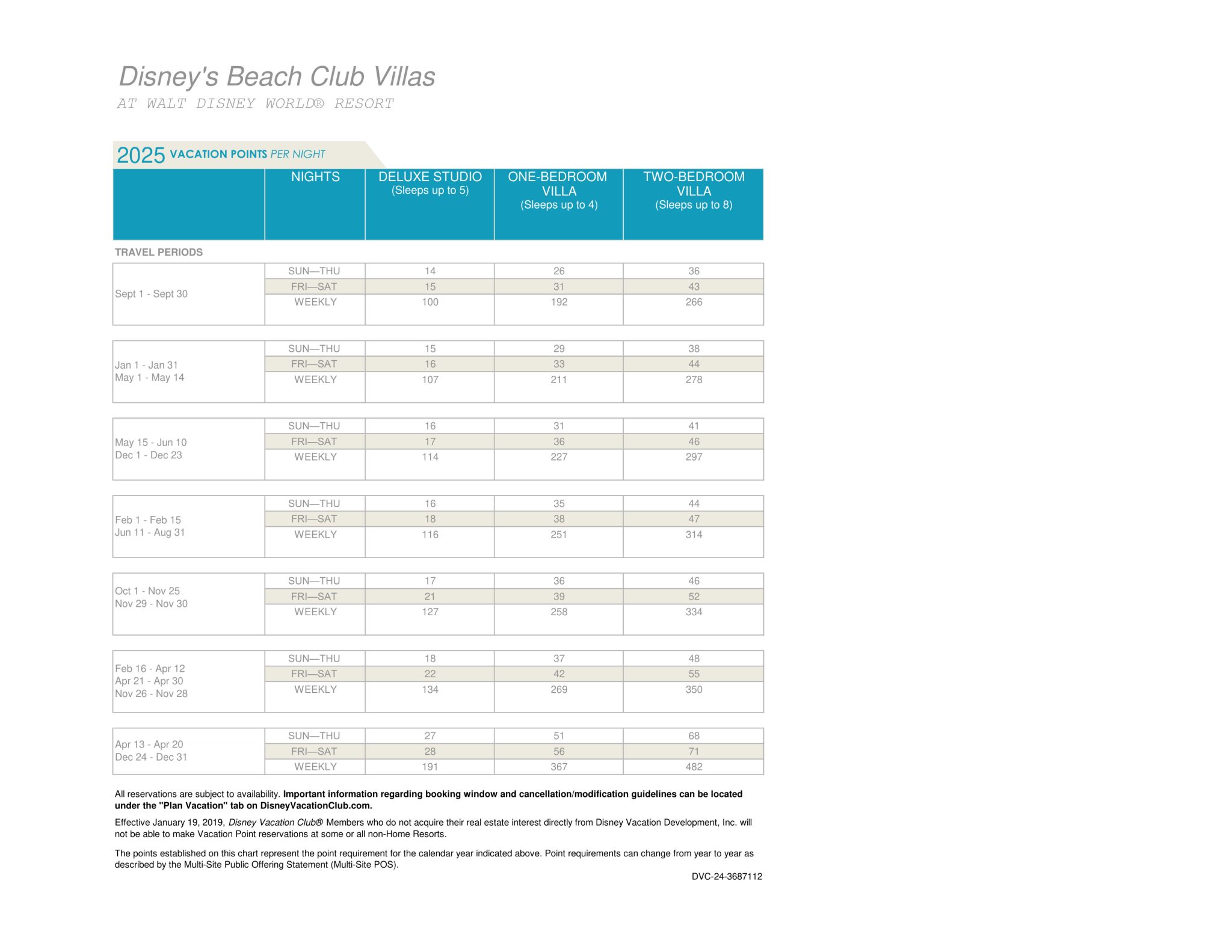
A DVC points chart is a handy tool for Disney Vacation Club members, offering a clear and concise way to visualize and understand their points system. This guide will take you through the essentials, covering what you need to know to navigate and utilize the DVC points chart effectively.
It's a simple yet powerful resource, providing an at-a-glance overview of your points and their potential, with variations depending on your region and membership type.
Understanding the DVC Points Chart
The DVC points chart is your guide to navigating the Disney Vacation Club (DVC) points system. It's a handy tool that helps you understand the value of your DVC points and how they can be used across different Disney resorts and accommodations. This chart is a reference for members to plan their vacations and make the most of their points.
Comparing Point Values and Categories
The DVC points chart typically displays point values for various Disney properties, categorized by resort and room type. You'll find columns for different resorts, with rows indicating the point cost for each room category. These categories might include standard rooms, preferred rooms, or even villas, each with its own point value. It's important to note that point values can vary based on the resort's location, amenities, and demand.
Reading the Points Chart: A Step-by-Step Guide
Start by identifying the resort you're interested in. Each resort will have its own column on the chart. Next, locate the specific room category you prefer. The corresponding point value will be displayed in that cell. For example, if you want a standard room at Resort A, find "Resort A" on the chart, then look for the "Standard Room" category. The point value in that cell is what you'll need for your stay. Remember, these points are flexible and can be used across different resorts, so you have options!
Avoiding Common Misreadings
One common pitfall is assuming that all resorts and room types have the same point values. This is not the case; each resort's point values are unique. Another mistake is not considering the time of year. Point values can fluctuate based on seasonality and demand, so always check the chart for the specific dates you're planning to travel. It's also important to note that the DVC points chart may not cover every single resort or room type. Some specialty accommodations or unique experiences might have their own point values, so it's wise to double-check with Disney or a DVC guide for these exceptions.
Factors Affecting Point Variations
Point values on the DVC points chart can vary due to several factors. Here are some key influences:
- Resort Location: Resorts in high-demand areas, like popular theme park locations, often have higher point values.
- Seasonality: Point costs can increase during peak travel seasons, such as school holidays or summer months.
- Room Amenities: Rooms with special features, like a balcony or a better view, may require more points.
- Resort Facilities: Resorts with extensive amenities, like water parks or multiple dining options, might have higher point values.
- Room Size and Capacity: Larger rooms or those accommodating more guests usually require more points.
Adapting the Chart for Your Needs
While the standard DVC points chart is a great starting point, you might need to adapt it for your specific vacation plans. Here are some tips:
- If you're planning a large family vacation, consider the room's capacity and ensure it aligns with your needs.
- For a more luxurious stay, look for resorts with higher-end amenities and check their point values.
- If you're flexible with dates, you can save points by choosing off-peak travel periods.
- Use a DVC points calculator or consult a Disney points conversion guide to estimate the points needed for your desired resort and room type.
- Keep an eye on vacation club points charts for any updates or changes, especially if you're planning far in advance.
Well, there you have it! A comprehensive guide to navigating the world of DVC points. We've covered the basics, compared the options, and provided a step-by-step process to ensure you're on the right track.
Remember, every situation is unique, so be sure to tailor these insights to your specific needs. Double-check the factors that impact your context, and you'll be well on your way to making informed decisions. This chart is a handy reference, so bookmark this page for future use. It's always good to have a quick reminder when you need it!
Related: Pistons Depth Chart: A Simple Reference Guide
A pistons depth chart is a valuable tool for anyone seeking a quick reference guide to understand engine specifications. This straightforward visual aid offers a clear overview of piston measurements and their placement within an engine's cylinder.
The chart provides a simple yet effective way to compare and contrast piston sizes, bore and stroke dimensions, and even engine displacement. It's a handy resource, especially when considering the variety of standards and units used in automotive engineering, from metric to imperial.
Understanding the Pistons Depth Chart
The pistons depth chart is a valuable tool for automotive enthusiasts and professionals alike, offering a concise overview of piston sizes and their corresponding specifications. This chart serves as a quick reference guide, aiding in the identification and selection of the right piston for various engine configurations.
Key Details and Categories
When examining a pistons depth chart, you'll encounter a range of critical information. The chart typically displays piston sizes, often referred to as bore and stroke dimensions, which define the piston's diameter and the distance it travels within the cylinder. These values are usually provided in both metric and imperial units, catering to diverse regional standards. Additionally, the chart may include engine displacement, a crucial parameter indicating the engine's capacity, often measured in cubic centimeters (cc) or liters (L).
Reading and Applying the Chart
To utilize the pistons depth chart effectively, follow these steps:
Identify the Piston Size: Start by determining the piston size you need. This is typically specified by the engine manufacturer or can be measured directly from the engine.
Locate on the Chart: Refer to the chart and locate the piston size you require. The chart will provide a clear layout, often organized by piston diameter and stroke length.
Check Specifications: Once you've found the relevant piston size, review the accompanying specifications. These may include the piston's material, compression ratio, and any specific features or design considerations.
Compare and Select: Compare the chart's specifications with your engine's requirements. Ensure the piston's dimensions and characteristics align with your engine's needs.
Verify with Manufacturer: While the pistons depth chart offers a comprehensive overview, it's essential to double-check with the manufacturer or refer to the engine's manual for precise specifications and tolerances.
Variations and Differences
Pistons depth charts can vary depending on several factors. Here are some key considerations:
Regional Standards: Different regions may use distinct measurement systems, such as the metric system (common in many countries) or the imperial system (predominant in the United States). These variations can impact the units and values presented on the chart.
Manufacturer Preferences: Each engine manufacturer may have its own preferred piston sizes and specifications. This can lead to slight variations in piston dimensions and design features.
Engine Type and Application: The intended use of the engine, whether for a car, motorcycle, or marine application, can influence the piston's design and size. Different applications may require specific piston characteristics.
Common Mistakes and How to Avoid Them
To ensure accurate selection and avoid common pitfalls, consider the following:
Misinterpreting Units: Be mindful of the units used on the chart. If you're accustomed to a particular system, ensure you understand the conversions between metric and imperial units.
Overlooking Manufacturer Specifications: While the pistons depth chart provides a general guide, it's crucial to refer to the manufacturer's specifications for precise details. This ensures compatibility and optimal performance.
Ignoring Engine Type: Different engine types, such as four-cylinder, six-cylinder, or V-type engines, may have unique piston requirements. Ensure you select the appropriate piston size for your specific engine configuration.
Practical Tips for Accurate Results
For the best results when working with a pistons depth chart, keep these tips in mind:
Measure Twice: When determining the piston size you need, take accurate measurements. Double-check your readings to ensure precision.
Consult Experts: If you're unsure about the piston selection or have specific engine modifications, seek advice from automotive engineers or experienced mechanics. Their expertise can guide you toward the best choice.
Stay Updated: Pistons and engine technology evolve. Stay informed about the latest advancements and updates to ensure you're working with the most current information and specifications.
So, with your new understanding of the pistons depth chart and its practical applications, you're now equipped to navigate this aspect of your project with ease. Remember, the key is to refer to the appropriate standards and guidelines for your specific context, as exact values can vary.
Take a moment to ensure you have all the necessary information and resources at hand. Then, feel free to explore our other guides and resources, where you'll find a wealth of information to support your work and keep your projects running smoothly.
Related: Understand Egg Candling Charts
An egg candling chart is a simple yet effective tool for anyone interested in egg incubation and hatching. It's a visual guide that simplifies the process of understanding egg development.
This guide will walk you through the basics, covering the key stages and what to expect. You'll learn how to read and interpret the egg candling chart, which can vary slightly depending on the source, so we'll explore the common elements and their meanings. From embryo development to candling egg stages, it's all about demystifying this fascinating process.
Understanding the Egg Candling Chart: A Practical Guide
The egg candling chart is your handy reference tool for assessing egg quality and development. It's a visual guide, often in table format, that helps you evaluate eggs during the candling process. This chart is a valuable resource for anyone involved in egg incubation, whether you're a hobbyist or a professional.
Interpreting Results: Comparing Candling Chart Standards
Egg candling charts can vary based on the standards and units used. Some charts provide measurements in inches, while others use centimeters. It's crucial to ensure you're using the right chart for your region and specific needs. For instance, a chart designed for metric measurements might not align with US standard units.
The chart typically presents a range of values, indicating the expected size or appearance of an egg at different stages of development. These values can refer to the size of the air cell, the embryo's progress, or other indicators of egg quality. By comparing these values to your egg, you can gain insights into its health and potential.
Step-by-Step Guide to Using the Candling Chart
Using the egg candling chart is straightforward. Here's a simple process:
- Ensure you have the right chart for your region and the type of eggs you're assessing.
- Gather your egg candling equipment, including a reliable light source and a dark room for optimal visibility.
- Carefully candle your egg by holding it up to the light.
- Compare the appearance of the egg to the values and categories on your chart.
- Interpret the results: a healthy, developing egg will show specific indicators, such as a growing embryo or a decreasing air cell.
- Repeat the process at regular intervals to track the egg's progress.
Avoiding Common Misreadings and Pitfalls
Misinterpreting the egg candling chart is common, especially for beginners. Here are some tips to avoid mistakes:
- Ensure your light source is bright and focused. A weak light might lead to inaccurate readings.
- Be cautious of eggs with unusual shapes or sizes. These can distort the results and require a more experienced eye.
- Don't rush the process. Take your time to observe and compare, especially if you're new to candling.
- Double-check your chart's units and standards. Using the wrong chart can lead to misinterpretation.
Key Factors Affecting Accuracy
Several factors can influence the accuracy of your egg candling readings:
Egg size and breed: Different breeds and sizes of eggs may have varying norms.
Incubation conditions: Temperature and humidity can impact embryo development.
Candling equipment: Ensure your light source is consistent and powerful enough.
Experience: The more you candle, the better your eye for interpreting results.
Egg quality: Always start with high-quality, fertile eggs for accurate readings.
Egg age: Older eggs might not develop as expected, affecting the results.
Adapting the Chart for Specific Needs
While standard egg candling charts cover most scenarios, you might need to adapt them for specific situations. Here are some considerations:
- If you're incubating exotic bird eggs, you might need a specialized chart with different development norms.
- For eggs with known issues or abnormalities, a standard chart might not apply. In such cases, consult an expert or a more detailed reference guide.
- If you're a professional breeder, you might prefer a more detailed chart with precise measurements and additional indicators.
Remember, the egg candling chart is a valuable tool, but it's just one part of the incubation process. Combine it with your knowledge and experience for the best results.
Hey there, I hope this egg candling chart guide has been helpful! It's a handy tool to have, and while the basics remain the same, you might find some variations in practice.
Every situation is unique, so it's always a good idea to be aware of the different factors that can influence your candling experience. Remember, this is a reference guide, and you can adapt it to your specific needs.
Feel free to bookmark this page for future reference. It's always good to have these practical tools at your fingertips!