





Hampton Tide Chart Black And White Overview
Many people struggle with the initial step of understanding shoe size charts, often assuming they are a universal guide. However, it's important to note that Dansko's size chart, like many others, is specific to their brand and may differ from other shoe brands. This chart serves as a crucial tool to ensure a perfect fit, so let's clarify how to navigate it effectively. Size charts can vary, and Dansko's is no exception, offering a range of measurements and conversions to cater to different needs.
Dansko Shoe Size Chart: A Practical Guide
The Dansko size chart is an essential tool for anyone looking to purchase their perfect pair of Dansko shoes. It provides a clear and concise reference to help you find your ideal size, ensuring a comfortable and well-fitted shoe. This guide will walk you through the chart, its key details, and how to use it effectively.
Key Details and Categories
The Dansko size chart is designed to cater to both men and women, offering a comprehensive range of sizes. It typically displays shoe sizes in US measurements, with a clear indication of the corresponding European sizes for easy conversion. The chart provides length measurements in centimeters and inches, allowing for precise comparisons. Additionally, it may include width categories, such as narrow, medium, and wide, to ensure an accurate fit for different foot shapes.
Understanding and Reading the Chart
Using the Dansko size chart is straightforward. Here's a step-by-step guide:
Measure your foot length: Use a ruler or a measuring tape to determine the length of your foot in centimeters or inches. Ensure you measure from the heel to the longest toe for an accurate reading.
Locate your size: Find your foot length on the chart and identify the corresponding Dansko shoe size. The chart will typically have a clear indication of the size range it covers, making it easy to locate your ideal size.
Consider width: If the chart includes width categories, take note of your foot's width. This step is crucial for a comfortable fit, especially if you have wider or narrower feet.
Convert if needed: If you are more familiar with European sizes, the chart will provide a clear conversion guide, ensuring you choose the correct size.
Variations and Differences
It's important to note that shoe size charts can vary slightly between brands and manufacturers. Dansko size charts are designed to provide a consistent fit, but individual foot shapes and preferences may require some adjustments. Additionally, regional differences in sizing standards can impact the chart's accuracy. Always refer to the specific Dansko size chart for the most accurate information.
Common Mistakes and How to Avoid Them
One common mistake is assuming that all shoe brands have the same sizing standards. While Dansko size charts are reliable, it's essential to double-check the brand's specific size guide. Another pitfall is neglecting to measure both feet, as slight differences can occur. Always measure both feet and choose the size that corresponds to the larger foot.
Tips for a Perfect Fit
To ensure an accurate and comfortable fit, consider these practical tips:
Take your time and measure your feet accurately. A slight miscalculation can lead to an ill-fitting shoe.
If you are between sizes, it's generally recommended to size up for a more comfortable fit, especially if you plan to wear thick socks.
Pay attention to the width category, as a narrow or wide foot may require a specific fit.
Consider the type of shoe and its intended use. Some Dansko styles may have slightly different fits, so choosing the right style for your activities is crucial.
Double-Checking and Edge Cases
While the Dansko size chart is a reliable guide, it's always a good idea to double-check your measurements and the specific shoe style's sizing details. If you have unique foot characteristics, such as a high arch or wide toes, you may need to consult a specialist or try the shoes on in-store to ensure a perfect fit.
The Dansko size chart is a valuable tool, offering a straightforward and accurate way to find your ideal shoe size. By following this guide and considering individual foot characteristics, you can ensure a comfortable and well-fitted Dansko shoe experience.
Well, there you have it! A comprehensive guide to understanding the Dansko size chart and its applications. Remember, when it comes to sizing, it's always a good idea to refer back to your specific needs and preferences. Dansko's size chart provides a great starting point, but exact values can vary, so it's wise to double-check and ensure a perfect fit.
Feel free to explore our other resources and guides; we have a range of practical tips and insights to offer, all designed to make your shopping experience smoother and more informed. Happy browsing!
Related: Unraveling the USC Depth Chart: A Clear Guide
A USC depth chart is a valuable tool for any sports fan or analyst, offering a clear glimpse into a team's lineup and strategy. This guide will break down the essentials, covering what you need to know to understand and utilize this chart effectively.
It provides an at-a-glance view of the team's depth and starting lineup, with player rankings and position groups clearly outlined. While the exact format may vary, the USC depth chart is a reliable resource for predicting the team's starting lineup and analyzing their overall depth.
Understanding the USC Depth Chart: A Practical Overview
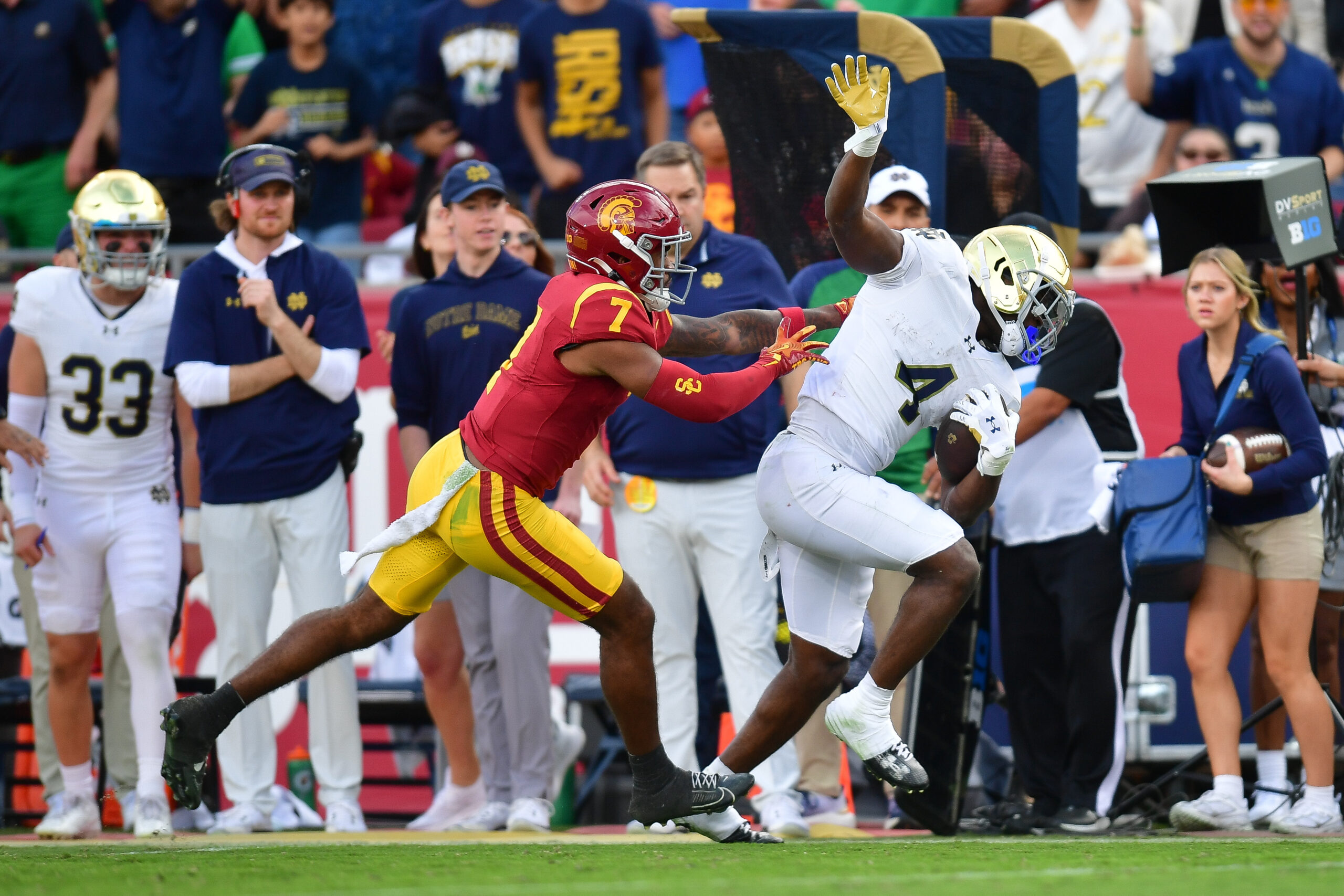
The USC depth chart is a valuable tool for sports enthusiasts, providing an insightful look into the University of Southern California's football team structure. It's a reference guide that outlines the players' positions and their rankings within the team, offering a snapshot of the current squad's composition.
Comparing Key Positions and Player Rankings
The depth chart typically displays the starting lineup first, followed by backup players for each position. These rankings are based on various factors, including skill, experience, and performance during practices and previous games. It's a dynamic tool, often changing as players improve, get injured, or transfer, so it's essential to refer to the most recent version for accurate information.
Step-by-Step Guide to Reading the USC Depth Chart
When analyzing the depth chart, start by identifying the position groups. These are typically listed across the top of the chart, with players' names and rankings beneath each position. The rankings often use a simple numerical system, with the starting player at the top, followed by backups in descending order. For example, a position might show "1. John Smith, 2. Jane Doe, 3. Michael Jones."
Here's a quick breakdown of the key steps:
- Locate the position group you're interested in.
- Identify the starting player and their ranking.
- Note the backups and their respective rankings.
- Repeat for each position group to get a comprehensive overview.
Avoiding Common Misreadings and Pitfalls
While the USC depth chart is a straightforward tool, there are a few potential pitfalls to be aware of. One common mistake is assuming that the depth chart is set in stone. Remember, it's a snapshot of the current team structure and can change rapidly due to injuries, transfers, or performance improvements.
Another potential issue is misinterpreting the rankings. The numbers don't always indicate a significant skill gap between players; they simply reflect the current team's structure and strategy. It's also worth noting that some positions might have more depth than others, which can impact the overall team dynamics and strategy.
So, keep an eye on the latest updates, and remember that the depth chart is just one piece of the puzzle when it comes to understanding a team's performance and potential.
Hey there! So, the USC depth chart is a handy tool, and while we've covered the basics, remember that these charts can have slight variations. It's always a good idea to double-check and adapt to your specific needs.
Feel free to explore other guides on our site; we've got plenty of resources to help you navigate these topics and more. Happy learning, and don't forget to keep an eye out for those unique twists and turns!
Related: Bat Sizes Chart: A Clear Guide for Selection
A bat sizes chart is a handy tool for anyone looking to find the perfect bat size, and it's a great starting point for your sporting equipment journey. This guide will cover the basics, showing you how to read and use these charts effectively, whether you're a baseball or softball enthusiast.
These charts provide a quick reference, offering standard bat measurements and sizes, which can vary depending on your sport and age group. It's an easy way to ensure you're on the right track when choosing equipment, and we'll explore the key factors to consider.
Understanding Bat Sizes Chart
A bat sizes chart is a helpful tool for anyone looking to choose the right bat for their needs. It provides a visual guide to help you determine the ideal length and weight of a bat based on factors like age, height, and the sport you play. This chart is a great starting point, offering a quick reference to ensure you select a bat that suits your physical attributes and playing style.
Key Details and Categories
The bat sizes chart typically displays two main categories: length and weight. Length is usually measured in inches, with common sizes ranging from 24 to 34 inches. Weight is often shown in ounces, with a variety of options available. The chart may also include age and height recommendations to guide your selection. Remember, these charts are designed as a general guide, so it's important to consider individual preferences and playing experience.
How to Read and Apply the Chart
Using the bat sizes chart is straightforward. First, identify your age group or height range. Then, find the corresponding recommended length and weight ranges. For example, if you're an adult, the chart might suggest a longer and heavier bat, while youth players may need shorter and lighter options. It's essential to consider your comfort and swing speed when choosing. If you prefer a faster swing, a lighter bat might be best, even if the chart suggests a heavier one for your age.
Bat Size Variations and Differences
Bat sizes charts can vary depending on the sport and the standards used. For instance, baseball bat size charts and softball bat sizing guides may have different length and weight recommendations. Additionally, manufacturers might offer slightly different measurements or weight distributions. It's crucial to check the specific sport and brand guidelines to ensure you get the right bat for your needs. Regional variations also exist, with some countries using metric measurements, which can impact the chart's values.
Common Mistakes and How to Avoid Them
One common mistake is relying solely on the chart without considering personal preferences. Always try out a few bats to find the one that feels comfortable in your hands and allows for a smooth swing. Another pitfall is neglecting to check the latest standards and regulations, especially for competitive play. These can change over time, so it's essential to stay updated. Lastly, don't forget to measure your bat properly. Incorrect measurements can lead to an ill-fitting bat, affecting your performance. Always double-check your measurements against the chart's specifications.
Hey there, I hope this bat size chart has been helpful and easy to navigate. Remember, when it comes to choosing the right bat, it's all about finding the perfect fit for your game.
While this guide provides a solid foundation, it's always a good idea to double-check the specific requirements or regulations for your league or competition. Exact values can vary, so it's best to be prepared and ensure you're covered.
Feel free to explore more of our sports equipment guides and resources. We've got plenty of practical tips and insights to share, so stick around and discover more!