



Hobonichi Planner Pages Overview
A new era size chart is your go-to tool for finding the perfect fit for your headgear. This guide will show you how to navigate and utilize these charts effectively, ensuring you get the right size every time.
Whether you're after a classic new era hat or a trendy cap, understanding the size chart is key. It's a simple process, but one that can vary slightly depending on the style and brand. We'll cover the basics and some tips to ensure you're confident in your measurements.
Understanding the New Era Size Chart
The new era size chart is your go-to guide for finding the perfect fit when it comes to New Era hats and caps. This chart is designed to help you determine your ideal size, ensuring a comfortable and stylish headwear experience.
Key Details and Categories
Before diving into the chart, let's break down some essential information. The new era size chart typically uses a numerical system, ranging from 6 3/4 to 8, with increments of 1/4. These numbers represent the head circumference measurements in inches. So, if you have a head circumference of 22 inches, you'd be looking at a size 7. It's a simple and straightforward system!
How to Read and Apply the Chart: A Step-by-Step Guide
- Measure your head circumference. This is the most crucial step for an accurate fit. Wrap a flexible tape measure around your head, just above your ears and eyebrows. Ensure the tape is not too tight or too loose.
- Refer to the new era size chart. Locate your measured head circumference on the chart. The chart will provide you with the corresponding hat size.
- Choose your style. New Era offers various hat styles, including the iconic era 59 fit and the adjustable fifty caps. Select the style that suits your preference and occasion.
- Try it on! Once you've received your hat, give it a test run. A well-fitted hat should sit comfortably on your head, not too tight or too loose. It should stay put without slipping or feeling restrictive.
Size Variations: Why They Happen
It's important to note that head circumference measurements can vary slightly due to factors like hair volume, hairstyle, and personal preference. Additionally, standard hat sizing may differ slightly between regions and manufacturers. Some brands might offer a slightly different sizing system, so always double-check the specific new era size chart for the most accurate fit.
Common Mistakes and How to Avoid Them
- Measuring inaccurately: Ensure you measure your head circumference correctly. A slight error can lead to an ill-fitting hat. Take your time and be precise.
- Assuming sizes are universal: While new era size chart is a great guide, it's not a one-size-fits-all solution. Different hat styles and brands may have slight variations, so always refer to the specific size chart for the style you're interested in.
- Neglecting personal preference: Comfort and style are subjective. Consider your personal comfort level and the intended use of the hat. If you prefer a looser fit, go for a slightly larger size, and vice versa.
- Overlooking adjustments: Some New Era hats, like the fifty adjustable caps, offer a range of sizes within a single hat. These adjustments provide flexibility, so make sure to utilize them for the perfect fit.
Well, there you have it! A size chart that's a handy tool for anyone navigating the world of sizing. It's a simple guide, but one that can save you time and ensure a perfect fit.
Remember, while this chart offers a great starting point, exact values can vary, so always check your specific needs. It's a good idea to bookmark this page for future reference; you never know when you'll need a quick sizing solution!
Related: What's the best way to read the Warframe amp chart?
You're here, searching for a quick fix, a reliable reference to make sense of the Warframe amp chart. It's a handy tool, a visual guide to mastering your amp's potential, and it can be a game-changer for your warframe builds. The chart offers a simple way to understand amp stats and damage types, helping you create effective combinations. With this reference, you can quickly compare and choose the right amps for your needs.
Understanding the Warframe Amp Chart
The warframe amp chart is a handy reference tool for gamers and enthusiasts. It provides an overview of the various amp combinations and their resulting damage outputs. This chart is a valuable resource for optimizing your amp builds and understanding the potential of these powerful weapons.
Key Details and Categories
The chart typically displays amp combinations, with each amp represented by a specific symbol or abbreviation. These symbols are often color-coded to indicate the element or damage type. You'll find categories for each amp's base damage, critical chance, status chance, and any unique abilities or mods associated with the combination. The values are usually shown in a grid format, making it easy to compare and contrast different builds.
Reading and Applying the Chart
To read the warframe amp chart, start by identifying the amp symbols or abbreviations. These will be listed on the chart's key or legend. Then, locate the specific amp combination you're interested in. The chart will provide a detailed breakdown of the damage output, including the base damage, critical chance, and status chance. You can use this information to compare different amp builds and choose the one that best suits your playstyle and strategy.
Variations and Differences
It's important to note that the warframe amp chart may vary depending on the game version, updates, or even the specific server you're playing on. Game updates can introduce new amps, modify existing ones, or change the damage calculations. Additionally, different servers may have slightly different damage calculations or amp combinations available. It's always a good idea to double-check the latest version of the chart to ensure you're using the most accurate information.
Common Mistakes and How to Avoid Them
One common mistake is relying solely on the warframe amp chart without considering your personal playstyle and the specific mission or enemy types you're facing. While the chart provides a great starting point, it's essential to adapt and customize your amp build to suit your needs. Another pitfall is neglecting to consider the synergy between different amp combinations and their potential for unique abilities or elemental interactions. Experimenting and testing different builds can help you find the perfect balance of damage output and unique abilities.
Well, I hope that amp chart guide has given you a clear and practical overview. Remember, these charts are a great tool, but always ensure you're using the right one for your specific needs. It's a simple step but an important one!
Feel free to bookmark this page for future reference; it's always handy to have these resources close by. That way, you can quickly check and apply the right chart when needed, ensuring you're on the right track. Happy referencing!
Related: How to Read a Cat Growth Chart?
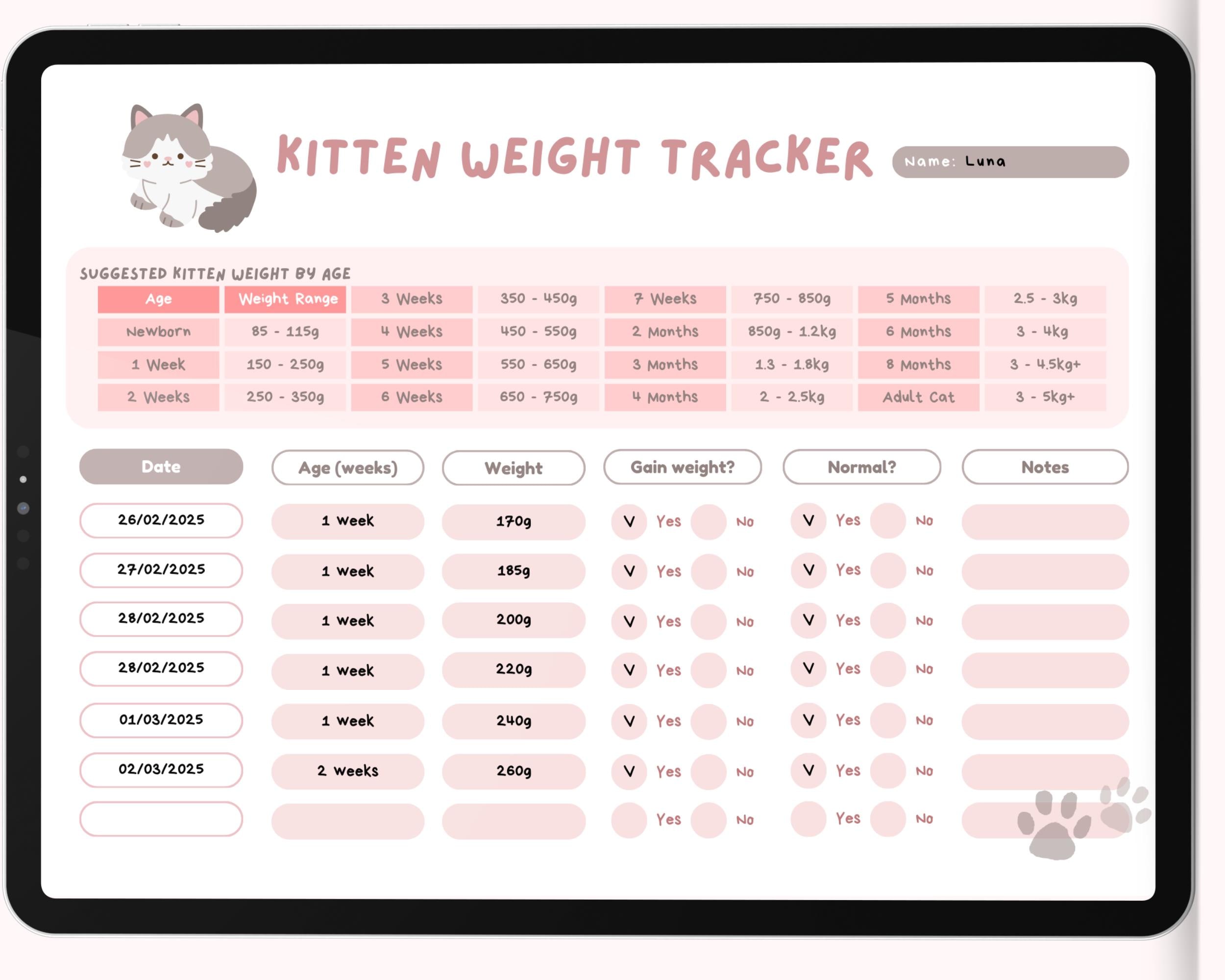
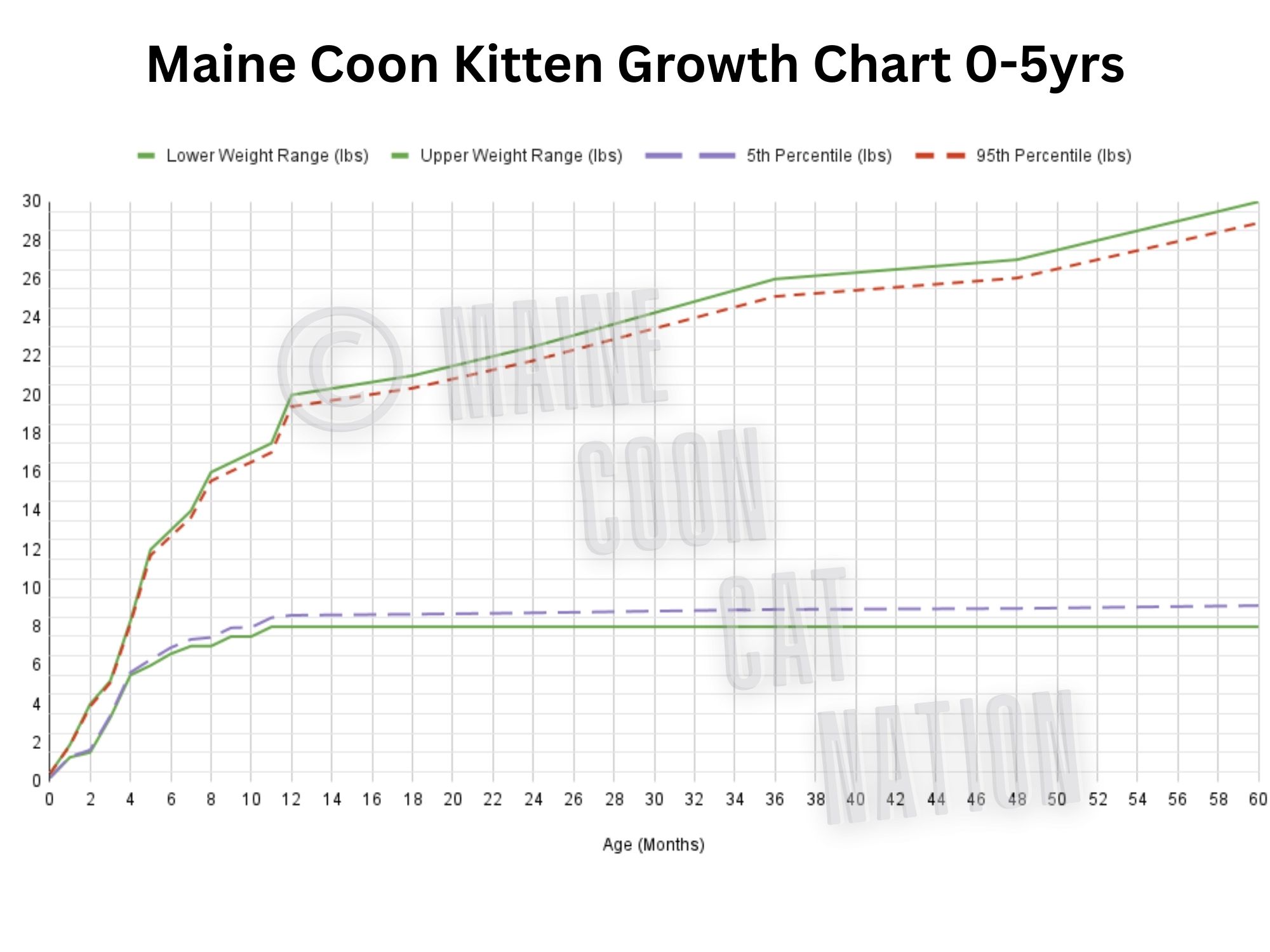
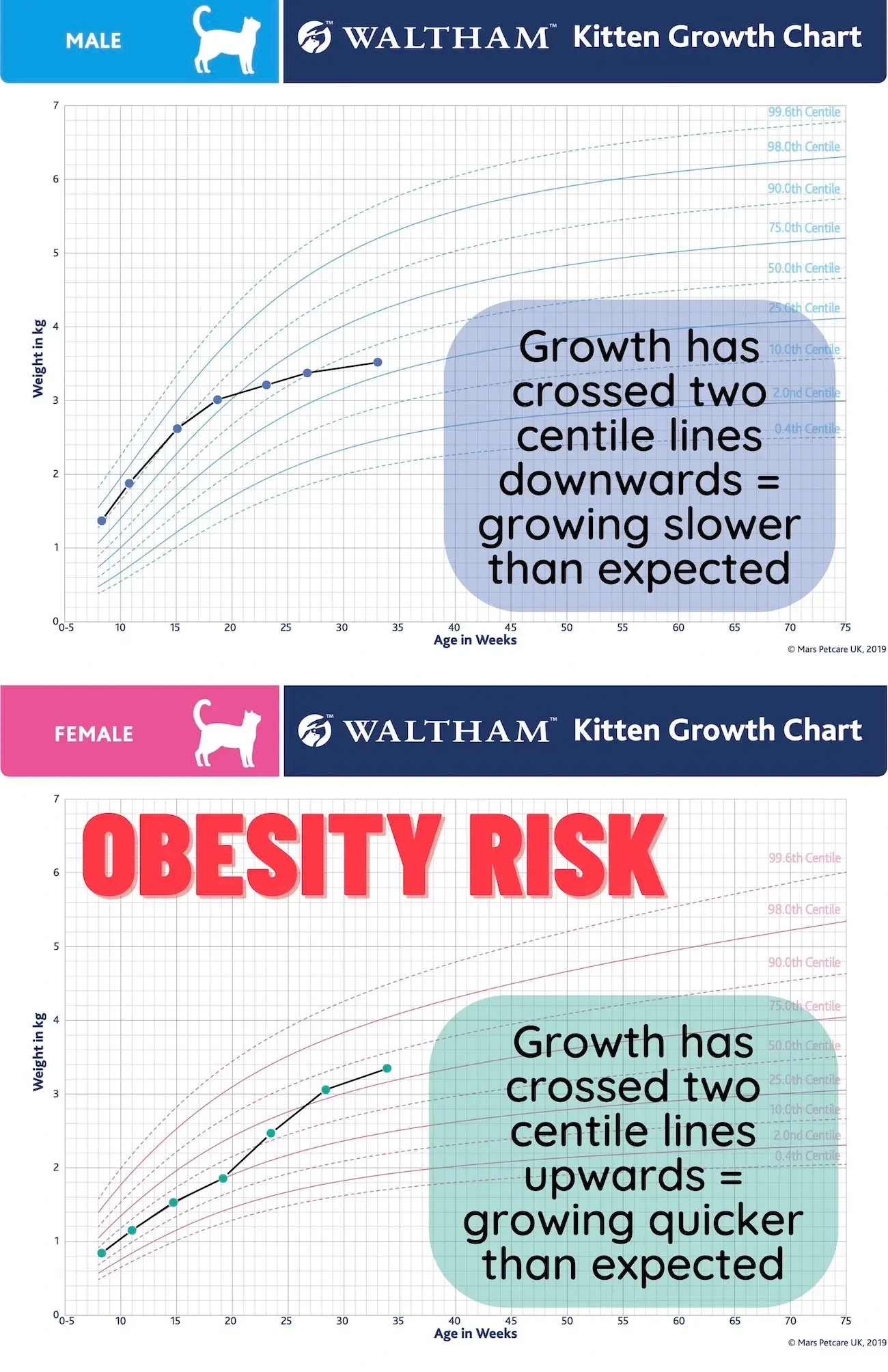
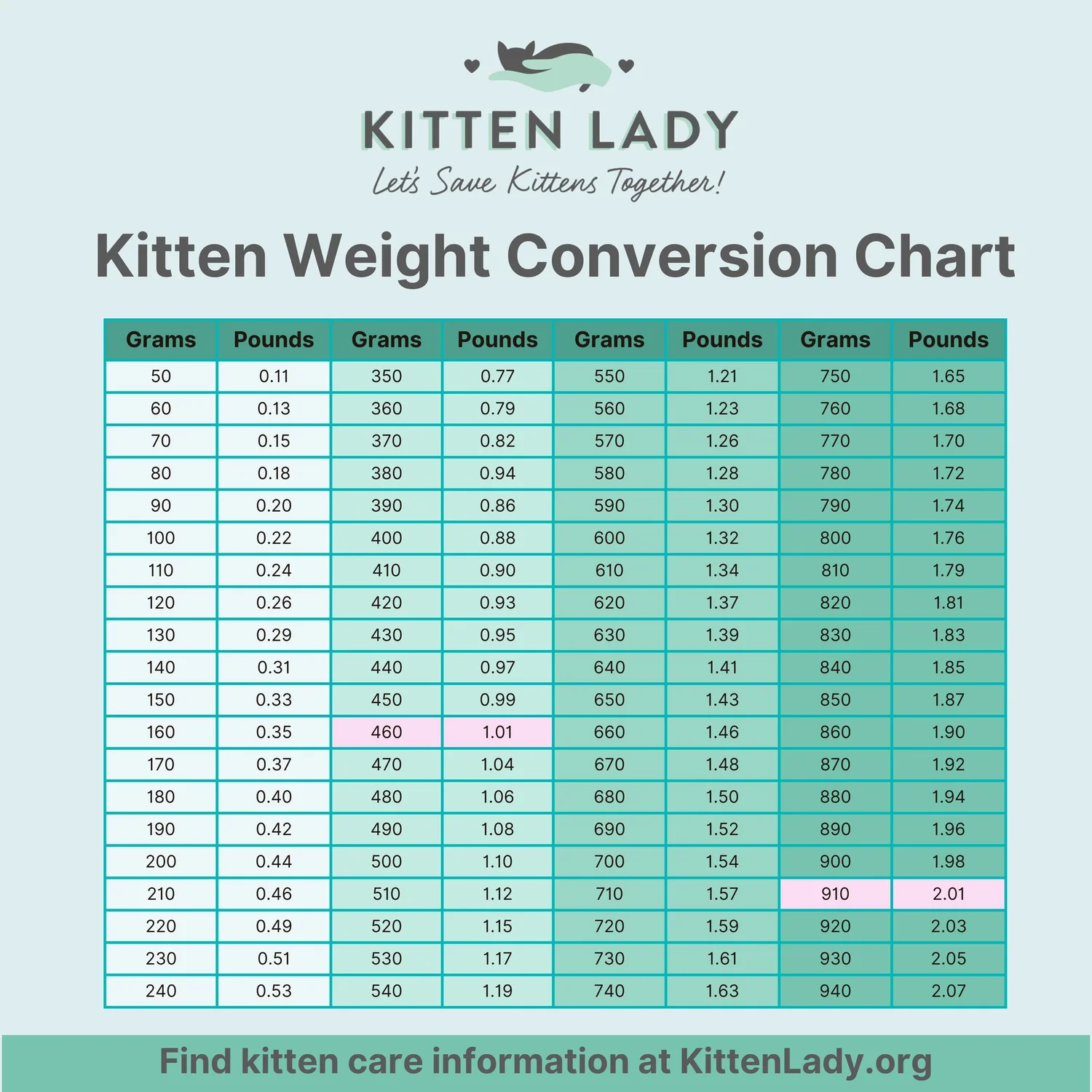
Many pet owners assume that a cat growth chart is a rigid, one-size-fits-all guide, but it's actually a flexible tool with some room for interpretation. While these charts provide a great visual reference, they are not set in stone; they offer a general framework to help you understand your cat's growth and development.
So, when using a cat growth chart, it's important to remember that every cat is unique, and growth rates can vary. These charts give you a handy comparison to ensure your feline friend is on the right track, but they are not an exact science. You might also find charts for specific aspects like cat weight or breed size comparisons, which can provide additional insights.
Understanding Growth Patterns: A Quick Overview
A cat growth chart is a valuable tool for cat owners and breeders, providing a visual representation of a cat's typical growth journey. It offers insights into the average growth rates and sizes cats achieve at different stages of their lives. This chart is a handy reference, especially for new cat parents, as it helps track and understand their feline friend's development.
Comparing Growth Chart Standards and Formats
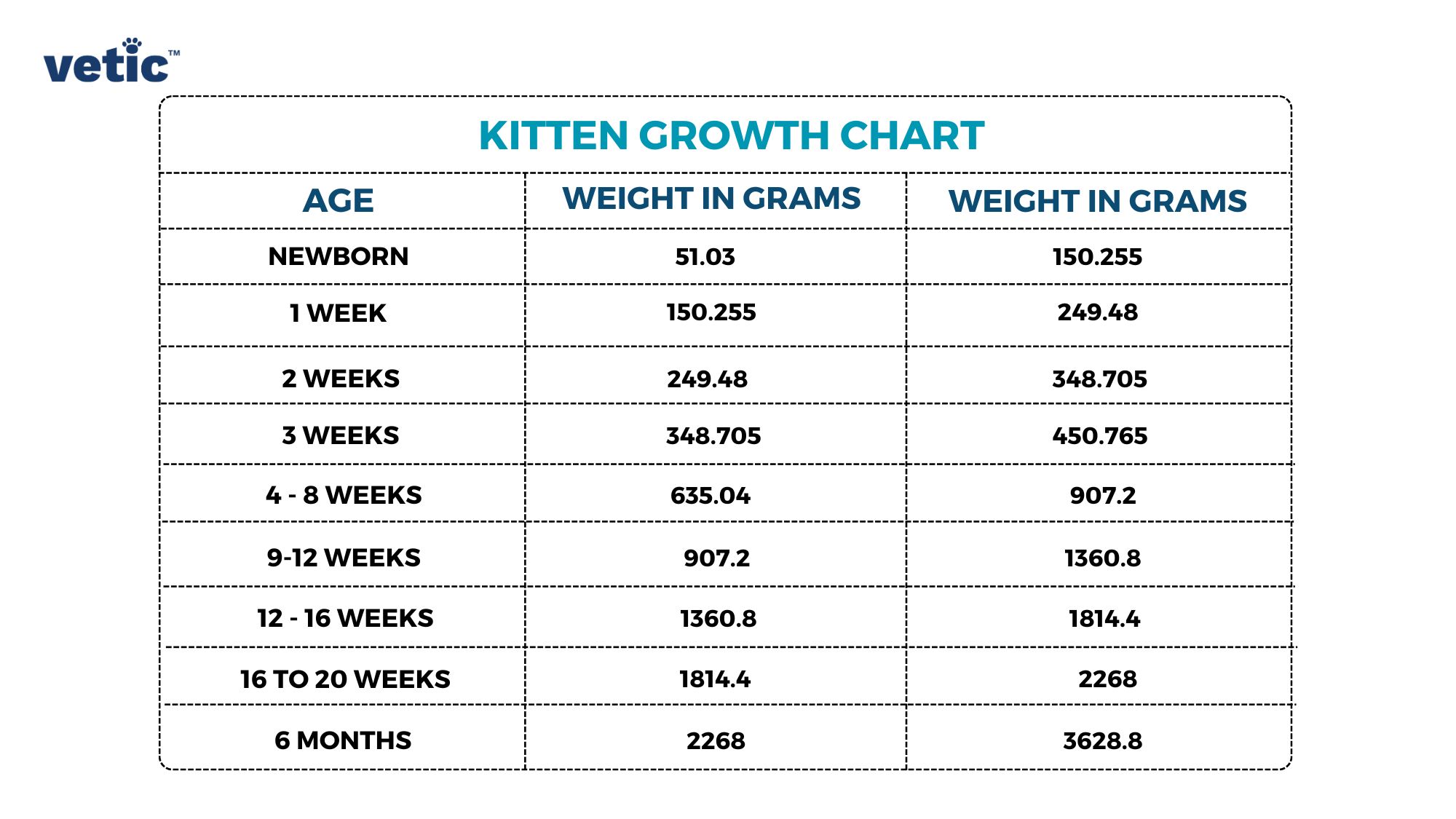
Cat growth charts typically come in two main formats: weight charts and height charts. Weight charts display the average weight a cat should gain over time, often categorized by age or growth stage. Height charts, on the other hand, illustrate the expected height a cat will reach, usually measured from shoulder to paw. Both charts use standard units of measurement, such as pounds or kilograms for weight and inches or centimeters for height. It's essential to note that these charts provide average values; individual cats may vary slightly due to breed, nutrition, and overall health.
Tracking Your Cat's Development: A Step-by-Step Guide
To use a cat growth chart accurately, follow these simple steps:
- Identify the type of chart you have: weight or height. Ensure it aligns with the measurement you wish to track.
- Locate your cat's age or growth stage on the chart. This is typically represented on the horizontal axis.
- Read the corresponding value on the vertical axis, which indicates the average weight or height for that age or stage.
- Compare this value to your cat's actual weight or height. If your cat falls within the average range, they are likely growing as expected. If they are significantly above or below the average, consult a veterinarian to ensure their health and development are on track.
Common Misreadings and How to Avoid Them
One common mistake when using a cat growth chart is failing to consider the chart's specific standard or unit of measurement. Always ensure you are using the correct chart for your region (e.g., US or metric) and that you understand the units displayed. Another pitfall is assuming the chart represents absolute values. Remember, these charts provide averages, and individual cats may vary. Regularly measuring and comparing your cat's actual size to the chart's values is essential to get an accurate reading.
Key Factors Affecting Accuracy and Real-World Use
Several factors can influence a cat's growth and development, causing variations from the average values on the cat growth chart. These include:
Breed: Different cat breeds have distinct growth patterns and sizes. For instance, a Maine Coon may grow larger than the average values on the chart, while a Siamese may be smaller.
Nutrition: A cat's diet plays a crucial role in their growth. Proper nutrition ensures they receive the necessary nutrients for healthy development.
Health: Underlying health issues can impact a cat's growth rate and size. Regular veterinary check-ups are essential to identify and address any potential health concerns.
Activity Levels: Active cats may develop differently than less active ones. Exercise and play can influence muscle development and overall size.
Environment: The living conditions and care a cat receives can also affect their growth. A stimulating and enriching environment can promote healthy development.
By considering these factors and regularly monitoring your cat's growth, you can ensure they are on a healthy development path and make informed decisions regarding their care.
Well, that's a wrap on our cat growth chart guide! We've covered a lot of ground, from understanding the different growth standards to the step-by-step process of using a chart and avoiding common pitfalls. Remember, these charts are a great tool, but exact values may vary slightly, so it's always good to consult a vet for personalized advice.
Feel free to explore our other guides for more practical tips and insights. We've got a whole collection of resources to help you navigate the world of pet care, so don't hesitate to check them out!