


Homeschool Curriculum Guide Overview
"Hey, anyone know a good general contractor in Houston Texas? We're thinking of a major home remodel and want to get it right."
Understanding General Contractors in Houston Texas
So, you've heard the term and are curious about what it means. General contractors in Houston Texas are your go-to professionals for any large-scale construction or remodeling project. They're the ones who manage the whole show, from start to finish. Think of them as the project leaders, coordinating all the different trades and keeping things on track.
These contractors are licensed and insured, which is a big deal. It means they have the necessary qualifications and protection in case something goes wrong. When you hire a general contractor, you're getting someone who can handle the entire process, from planning and permits to managing the workers and ensuring the job is done right.
What to Look For and How to Hire
When it comes to hiring a general contractor, there are a few key things to consider. First, check their licensing and insurance. This is crucial to ensure they're legitimate and covered in case of any accidents or issues. Then, ask for references and check their past work. You want to see a track record of happy clients and successful projects.
Get multiple quotes and compare them. While price is important, it's not the only factor. Look at the scope of work, the timeline, and the materials they plan to use. A good quote will be detailed, covering all aspects of the job. Don't be afraid to ask questions and clarify any doubts. You want a contractor who communicates well and understands your vision.
Construction Company Names and Ideas
Naming a construction business is an art. It needs to be memorable, professional, and reflect the company's values. Some names might highlight the owner's name, like "Smith's Building Solutions," while others could be more creative, like "Build-It-Right Construction."
Here are a few original ideas:
- Houston Home Transformations
- Texas Build Team
- Crafting Spaces
- Remodel Revolution
- Solid Foundations
Remember to check name availability and secure the necessary local registrations and domains.
The Industry and Its Tools
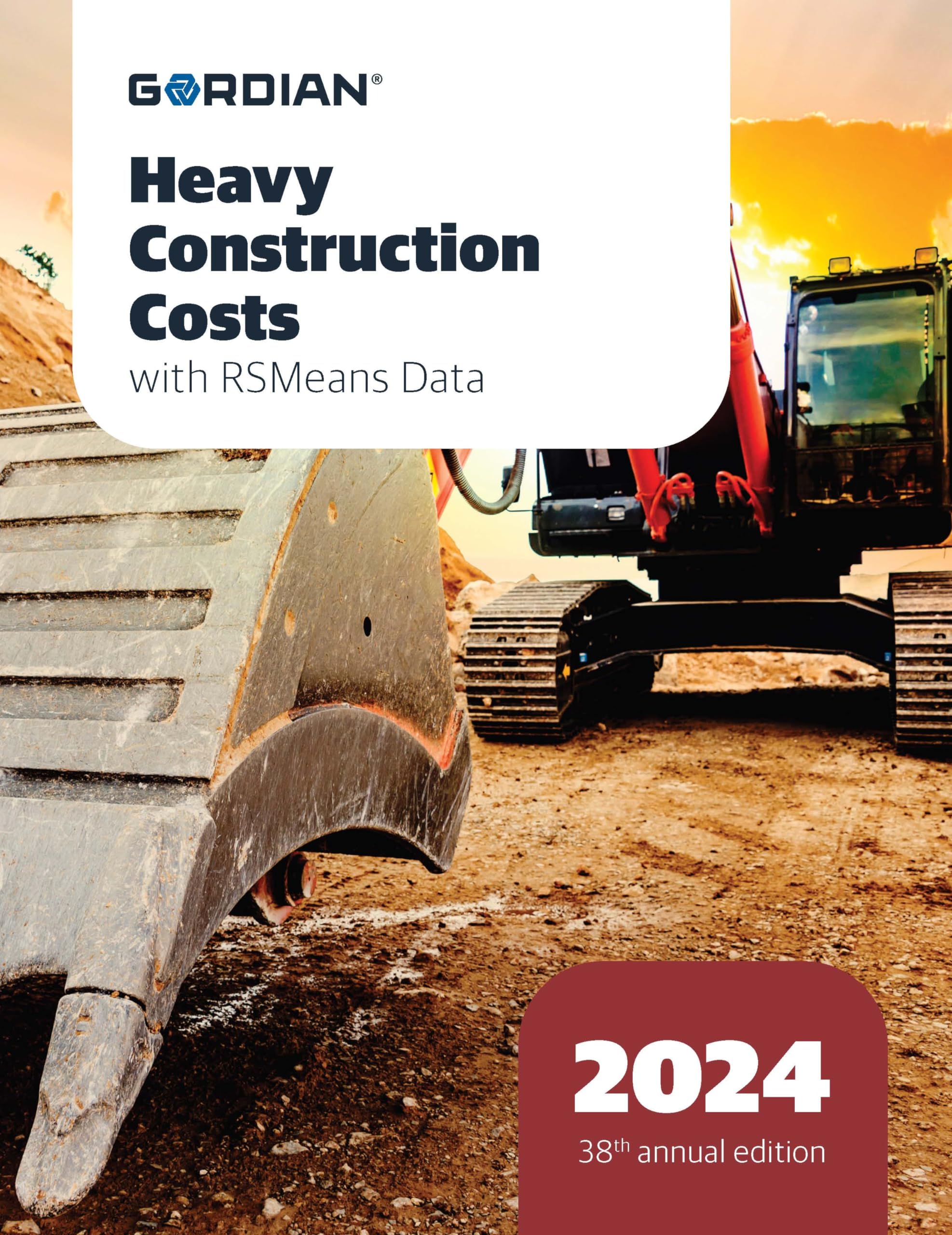
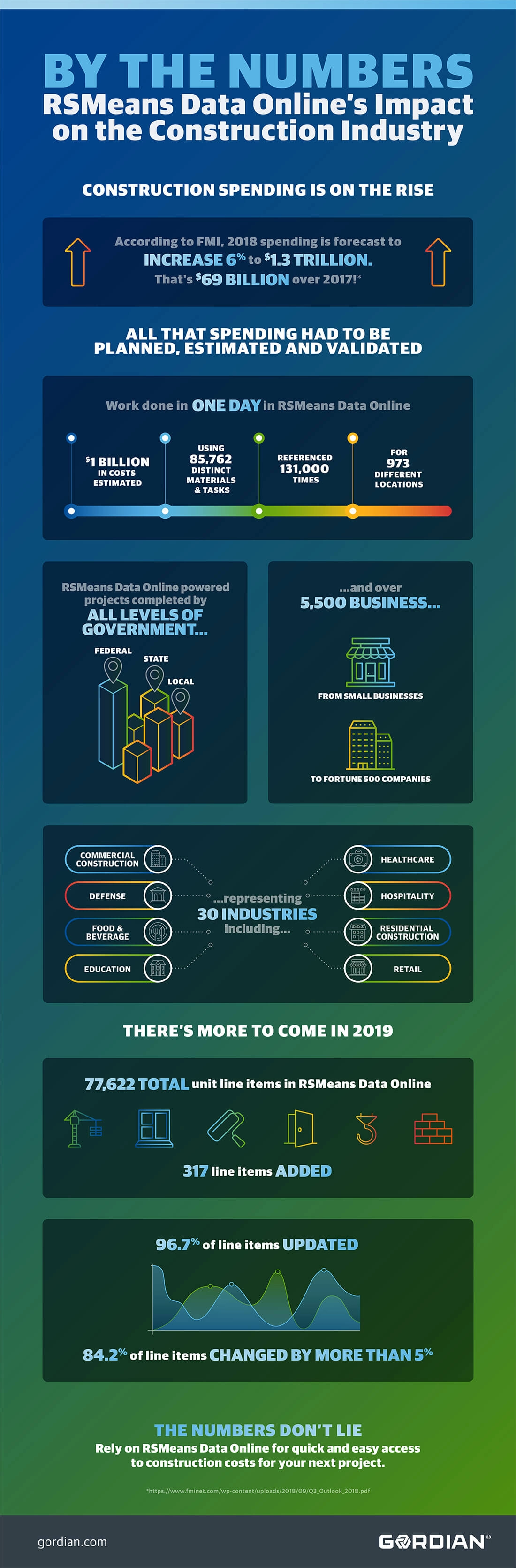
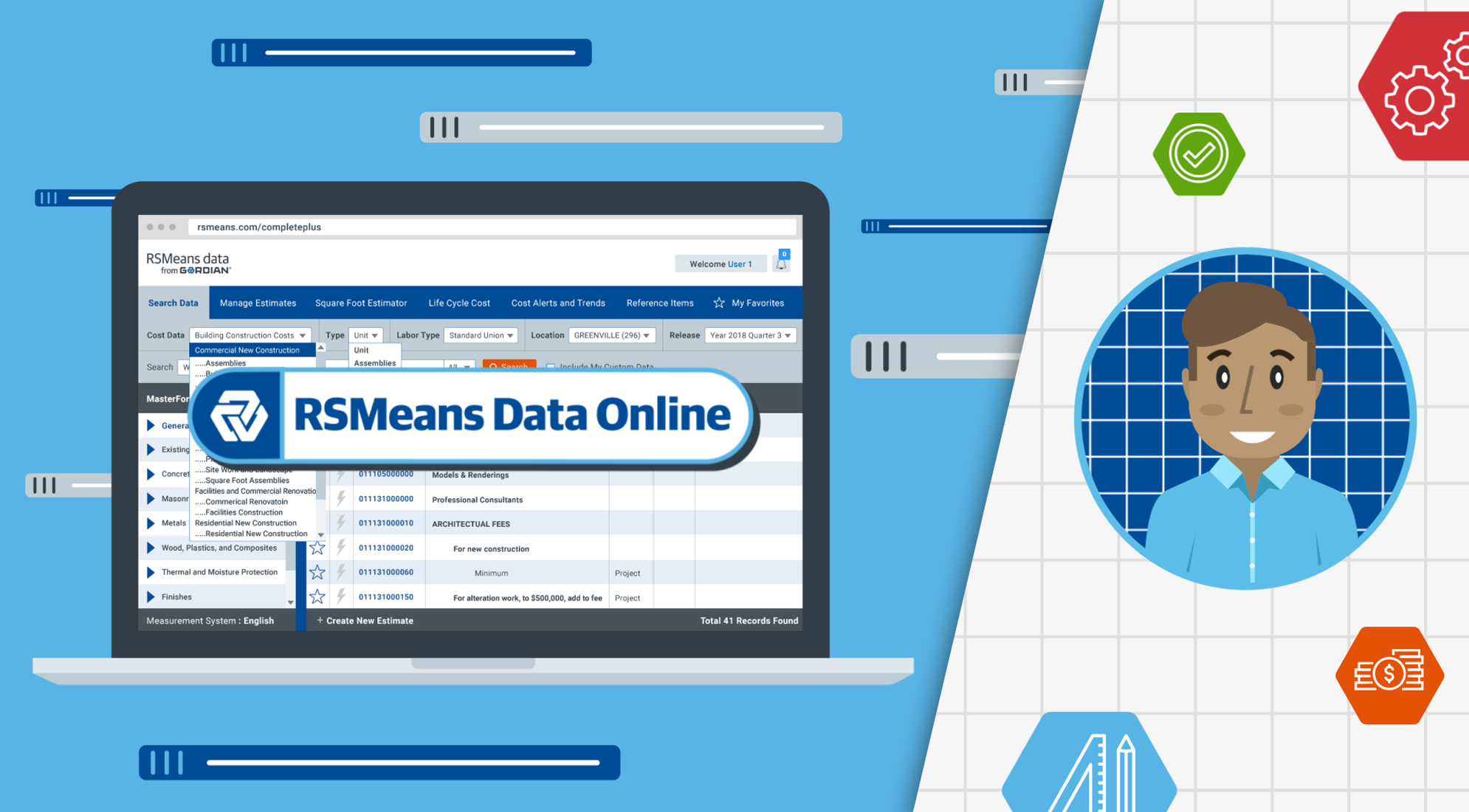
The construction industry has its own language and tools. One key resource is RSMeans, a cost database that helps estimate and manage project costs. It's a go-to for many contractors and estimators, providing valuable data on material and labor costs.
There are also cost indexes, which track the escalation of construction costs over time. These tools are essential for accurate budgeting and bidding. The industry is constantly evolving, and staying updated with the right tools is crucial for success.
Large vs. Small Firms
In the world of construction, you'll find a range of companies, from small, family-run businesses to large, multi-state firms. The size of the company often reflects the scope of work they take on. Larger firms may have more resources and a wider network, allowing them to tackle bigger projects.
However, smaller firms can offer a more personalized service and often have a strong local reputation. It's about finding the right fit for your project and your needs.
Wrapping Up
There's a lot to consider when dealing with general contractors in Houston Texas. But with the right research and a clear idea of what you want, you'll be able to find the perfect fit for your construction or remodeling project. Good luck, and happy building!
Related: RSMeans Construction Data Essential Guide
RS Means construction data is something I recently stumbled across while planning a home renovation project. It's a term that might not be familiar to everyone, but it's an essential tool for anyone in the construction industry or considering a building project. So, let's break it down and see why it's worth knowing about.
Unraveling the Mystery: What's RS Means All About?
RS Means construction data is a comprehensive resource for anyone involved in construction, from contractors to builders and even homeowners. It's like a secret weapon for those in the know, providing valuable insights and accurate information. This data covers a wide range of topics, including material and labor costs, project timelines, and industry trends. It's a go-to source for anyone wanting to stay informed and make smart decisions.
One of the key benefits of RS Means construction data is its ability to provide accurate cost estimates. Whether you're planning a small renovation or a large-scale construction project, having access to reliable cost data is crucial. It helps you budget effectively and compare quotes from different contractors. You'll know if a price seems fair or if there might be hidden costs.
Hiring the Right Team: A Contractor's Guide
When it comes to hiring contractors, RS Means construction data can be a game-changer. It empowers you to ask the right questions and make informed decisions. Before hiring, check their experience and ask for references. A good contractor should be able to provide a detailed quote, breaking down costs and explaining their process.
Naming Your Construction Business: A Creative Venture
If you're starting a construction business, choosing a name is an exciting step. A unique and memorable name can set you apart. Consider something that reflects your services or location. For example, "Build-It-Right Construction" or "Skyline Builders". It's important to check name availability and secure your domain and local business registration.
Exploring Construction Careers: More Than Meets the Eye
The construction industry offers a variety of roles beyond contractors. From estimators to project managers, there are diverse career paths. Estimators, for instance, use tools like RS Means to provide accurate cost estimates. They research and analyze data, ensuring projects stay on budget. These roles are in demand and offer great opportunities for growth.
A Bird's Eye View: The Industry's Big Picture
On a larger scale, RS Means construction data provides valuable insights into the industry as a whole. It helps track trends, understand market shifts, and forecast future costs. This data is essential for big construction firms planning large-scale projects. It allows them to make strategic decisions and stay competitive.
Keeping Up with the Times: Cost Indexes and Escalation
RS Means also offers cost indexes, which track and predict cost changes over time. These indexes are crucial for long-term projects, helping to account for inflation and other economic factors. The concept of escalation is key here, ensuring that budgets and estimates remain relevant as projects progress.
A Word of Advice: Check Local Rules
When it comes to construction, local rules and regulations can vary. It's always a good idea to check with your local building department for specific requirements. They can provide guidance on permits, zoning, and any unique considerations for your area.
In conclusion, RS Means construction data is a powerful tool for anyone involved in construction. It provides valuable insights, helps make informed decisions, and ensures projects stay on track. Whether you're a homeowner, contractor, or industry professional, it's worth exploring the benefits of this comprehensive resource.
Related: A Quick Guide to Reading the Ser Verb Chart
Many people often get confused by the ser verb chart and its purpose, but it's actually a simple and handy tool! The "ser verb chart" is your friend, a quick reference guide to navigate Spanish verb conjugations. It's not as scary as it may seem; this chart is a visual aid, offering a clear layout to understand and use the verb 'ser' accurately. You'll find it helps to have this resource at your fingertips, especially when you're just starting out with Spanish.
The Ser Verb Chart: A Comprehensive Guide
The ser verb chart is an essential tool for anyone learning Spanish or wanting to improve their grammar. This chart provides a clear and concise overview of the verb ser and its various conjugations. With the ser verb chart, you'll have a handy reference to master this crucial verb and its many forms.
Key Details and Categories
The chart is designed to cover all the essential tenses and forms of the verb ser. You'll find it organized by person, with columns for each pronoun: yo (I), tú (you), él/ella/usted (he/she/you formal), nosotros/as (we), vosotros/as (you all), and ellos/ellas/ustedes (they/you all formal). Each row represents a different tense, such as present, past, future, and conditional. The chart also includes the imperative form and some common irregular forms.
Reading and Applying the Ser Verb Chart
Here's a step-by-step guide on how to use the ser verb chart:
- Identify the person you want to conjugate ser for. Let's say you want to say "I am" in Spanish. Look for the "yo" column.
- Find the present tense row. This is where you'll find the most common form of the verb. So, for "I am," you'd find "soy" in the "yo" column under the present tense.
- For other tenses, simply navigate to the appropriate row. For instance, if you want to say "I was" (past tense), you'd look in the "yo" column under the past tense row, finding "fui."
- The chart also includes irregular forms. These are highlighted or noted separately. For example, the past participle of ser is "sido," which is an irregular form.
- Practice using the chart with different sentences. For instance, "Tú eres mi amigo" (You are my friend) or "Ellos son altos" (They are tall).
Variations and Differences
While the ser verb chart provides a comprehensive guide, it's important to note that Spanish, like any language, has its nuances. Different regions and dialects may have slight variations in verb conjugations. Additionally, the chart primarily covers the indicative mood. Other moods, like the subjunctive, have their own unique conjugations for ser. Always double-check specific situations or more complex sentences to ensure accuracy.
Common Mistakes and How to Avoid Them
One common mistake is confusing ser with another Spanish verb, estar. Ser is used to describe permanent or inherent characteristics, while estar describes temporary states or locations. Another pitfall is forgetting the irregular forms. While the chart highlights these, it's easy to overlook them if you're not familiar with them. Regular practice and using the chart as a reference can help avoid these errors.
Practical Tips for Accurate Results
To get the most out of the ser verb chart, consider these tips:
- Familiarize yourself with the chart's layout and categories. Understanding the structure will make it easier to navigate and find the right conjugation quickly.
- Practice regularly. Conjugation is a skill that improves with use. The more you practice, the more natural it will become.
- Use the chart as a learning tool. Besides reference, it can help you memorize conjugations and understand verb patterns.
- Explore other resources. While the chart is comprehensive, it's always beneficial to cross-reference with other materials, especially for more complex sentences or less common tenses.
So, there you have it! A handy ser verb chart is a great tool to have in your language-learning arsenal. Remember, the key is to understand the basics, practice regularly, and you'll soon master those tricky verbs.
Before you go, just a quick reminder to always check your specific language learning goals and context. Language standards and conventions can vary, so it's good to be aware of any unique requirements or nuances that might apply to your situation. And don't forget to explore our other guides and resources - we've got plenty of tips and tricks to help you on your language-learning path!