




Homeschool Curriculum Ratings Overview
A common misconception about my UHealth Chart is that it's just another medical term to remember, but it's actually a powerful tool to keep track of your health journey. This personal health record, often in the form of a chart or table, is your go-to guide for understanding and managing your well-being. With my UHealth Chart, you'll find a simple and organized way to access and interpret your vital signs, common lab values, and more.
Understanding Your Data: A Guide to My UHealth Chart
Your personal health record is a powerful tool, and My UHealth Chart is a great way to keep track of your health data. This chart provides an overview of your vital signs and key metrics, helping you understand your body's performance. It's like having a reference guide right at your fingertips!
Interpreting Results: Categories and Standards
My UHealth Chart typically uses standard measurements and categories to ensure consistency. You'll find categories like blood pressure, heart rate, and temperature, each with its own set of values. These values often follow international standards, but it's essential to check if your chart uses metric or US units. Conversions are simple, but it's good to be aware!
Tracking Progress: Step-by-Step Guide
Here's a simple process to make the most of your My UHealth Chart:
- Familiarize yourself with the chart's layout. Understand the categories and their corresponding values.
- Record your vital signs regularly. Consistency is key! Aim for daily or weekly recordings.
- Compare your readings over time. Look for patterns or any significant changes.
- Discuss any concerns with your healthcare provider. They can provide insights and guidance based on your chart.
Common Misreadings and Pitfalls
While My UHealth Chart is a valuable tool, it's important to be aware of potential misreadings. Sometimes, people may misinterpret normal variations as issues. Remember, our bodies are unique, and values can fluctuate due to various factors like stress, activity levels, or even the time of day. Always consider the bigger picture and consult a professional if you have doubts. It's better to be safe than sorry!
Remember, while the steps and tips outlined here should work for most situations, every chart and its use can be a little different. It's always a good idea to refer to any specific instructions or guidelines provided with your chart, just to double-check.
We've got a whole library of helpful guides and resources here, so feel free to explore and find the ones that suit your needs. Happy charting!
Related: What's the right window size chart for your needs?
A window size chart is a handy tool for anyone looking to understand window measurements quickly and easily. This guide will take you through the basics, covering what you need to know to read and use these charts effectively.
It's a simple reference, but one that can vary depending on your location and the type of window you're dealing with. Whether you're after standard window dimensions or more specific measurements, a good chart will provide a clear overview, helping you choose the right size for your needs.
Understanding Window Size Charts
A window size chart is a valuable tool for anyone planning a construction or renovation project. It provides a quick reference guide to standard window dimensions, helping you choose the right size and type for your space. These charts are a handy way to visualize and compare options, ensuring your windows fit the intended space and serve their purpose.
Key Details and Categories
Before diving into a window size chart, it's essential to understand the basic units and categories. Most charts use inches for width and height, with standard sizes ranging from 18" x 18" to 36" x 72". These dimensions cover a wide range of common window types, including single-hung, double-hung, casement, and fixed windows. The charts often include a breakdown of these categories, making it easy to identify the right type for your needs.
Reading the Chart: A Step-by-Step Guide
- Identify the window type you require. This could be a double-hung window for ease of use or a casement window for ventilation.
- Locate the relevant section on the chart. Each type will have its own set of standard sizes.
- Choose the size that best fits your space. Consider the width and height of the opening and ensure the window provides adequate coverage.
- Note the dimensions and any additional details, such as the number of panes or the window's energy efficiency rating.
- Cross-reference with other charts or guidelines to ensure accuracy, especially if you're working with non-standard sizes or unique architectural features.
Variations and Differences
Window size charts can vary depending on the standard being used. While most follow a similar format, there may be slight differences in dimensions or the inclusion of specific window types. For instance, some charts might cater to a wider range of window styles, including awning or bay windows. It's crucial to refer to the right chart for your region or project requirements. Additionally, manufacturers may have their own charts with slight variations to accommodate their product range.
Common Mistakes and How to Avoid Them
One of the most common mistakes is assuming that all windows are created equal. Different window types have unique purposes and may not fit the same space. Always refer to the correct chart for the window style you need. Another pitfall is neglecting to consider the frame size. The window size chart typically refers to the glass dimensions, so ensure you account for the frame when measuring your space. Finally, don't forget to check for any local building regulations or guidelines that might impact your window choices.
Well, there you have it! A window size chart is a handy tool to keep in your back pocket. It's a simple reference guide, but one that can save you time and ensure accuracy when planning your next project.
Remember, while this chart provides a great starting point, it's always wise to double-check the specific requirements for your unique situation. Exact values can vary, so it's best to be prepared and avoid any potential pitfalls. So, bookmark this page, and you'll have a quick and easy solution whenever you need it.
Related: Find the Perfect Fit: Chicos Size Chart Guide
Many shoppers may approach the chicos size chart with some hesitation, assuming it's a complex and confusing tool. However, it's quite the opposite; this chart is a straightforward and invaluable resource for anyone navigating the world of clothing sizes.
The beauty of the chicos size chart lies in its simplicity and consistency. While size charts can vary slightly across brands and regions, the Chicos chart offers a reliable and standardized guide, ensuring a seamless shopping experience for its customers. With a quick glance, you can confidently understand your size and make informed choices, whether you're shopping online or in-store.
Understanding the Chicos Size Chart
The chicos size chart is a valuable tool for anyone looking to find their perfect fit in Chicos clothing. It provides a clear and organized guide to help you determine your size based on your body measurements. By following this chart, you can ensure a comfortable and flattering fit for your Chicos wardrobe.
Key Details and Categories
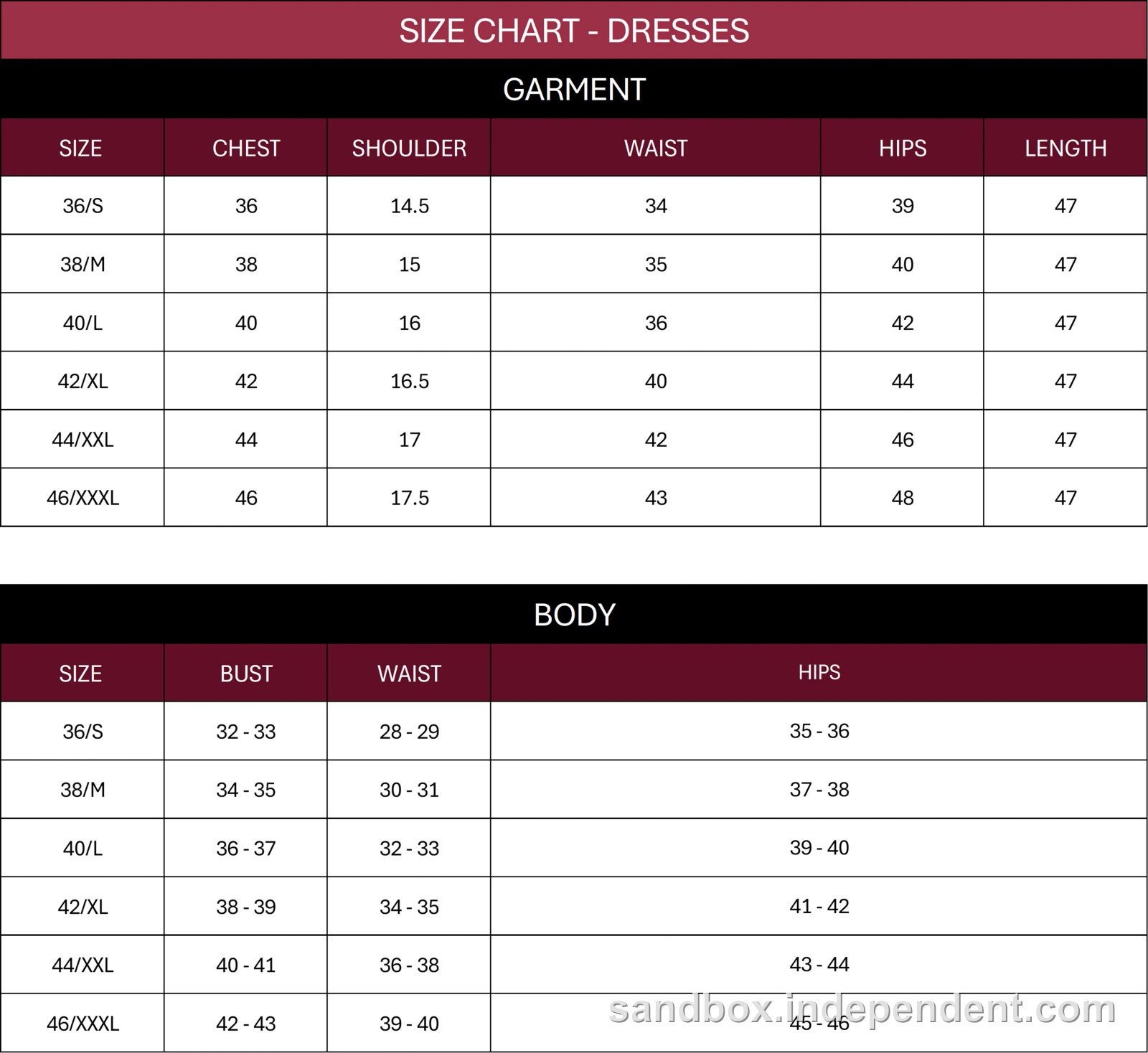
The chicos sizing guide typically includes measurements for bust, waist, and hip, which are the primary categories to consider. These measurements are presented in inches or centimeters, depending on the standard being used. The chart offers a range of sizes, usually starting with smaller sizes and progressing to larger ones, covering a wide range of body types. It's important to note that Chicos, like many clothing brands, may have slight variations in their sizing charts, so always refer to the specific chart provided by Chicos for the most accurate information.
How to Read and Apply the Size Chart
To use the chicos size chart effectively, follow these steps:
- Measure your bust, waist, and hip using a measuring tape. Ensure the tape is straight and not twisted, and that it sits comfortably around your body without squeezing or sagging.
- Locate your measurements on the chart. Find the size that aligns with your bust, waist, and hip measurements. If your measurements fall between two sizes, consider the overall fit you prefer. A looser fit may be more comfortable, while a closer fit can create a more tailored look.
- Take into account the fabric and style of the garment. Some fabrics have more give, so a slightly smaller size may work, while structured garments may require a more precise fit.
- If you're between sizes or unsure, don't hesitate to contact Chicos' customer support for further guidance. They can provide additional advice based on the specific garment and your preferences.
Size Variations and Common Causes
It's important to understand that size charts can vary across brands and even within a brand's different product lines. Here are some factors that can contribute to size variations:
- Fabric and design: Different fabrics and styles can affect the fit and sizing of a garment. Stretchier fabrics may accommodate a wider range of sizes.
- Regional standards: Clothing size charts can differ based on regional standards. For example, a US size may not align perfectly with an international size chart.
- Body shape: Everyone's body is unique, and variations in body shape can impact how a size chart applies to you. Curves, height, and proportion can all influence the fit.
- Manufacturing tolerances: Even within a brand, there can be slight variations in sizing due to manufacturing processes. Always refer to the specific size chart for the garment you're interested in.
Remember, the chicos size chart is a helpful guide, but it's not an exact science. By understanding your body measurements and the factors that can influence sizing, you can make informed choices and find the perfect Chicos outfit that flatters your figure.
Chicos size charts are a handy tool to have at your disposal, especially when you need to find the perfect fit. Remember, these charts are a guide, and while they provide a consistent framework, exact values can vary.
So, before you finalize your measurements, take a moment to ensure you're using the right chart for your specific needs. With that in mind, you're all set to tackle your sizing challenges! Consider bookmarking this page for future reference; it might just save you some time and effort the next time you need to refer to a size chart.