






Homeschool Zoo Worksheets Overview
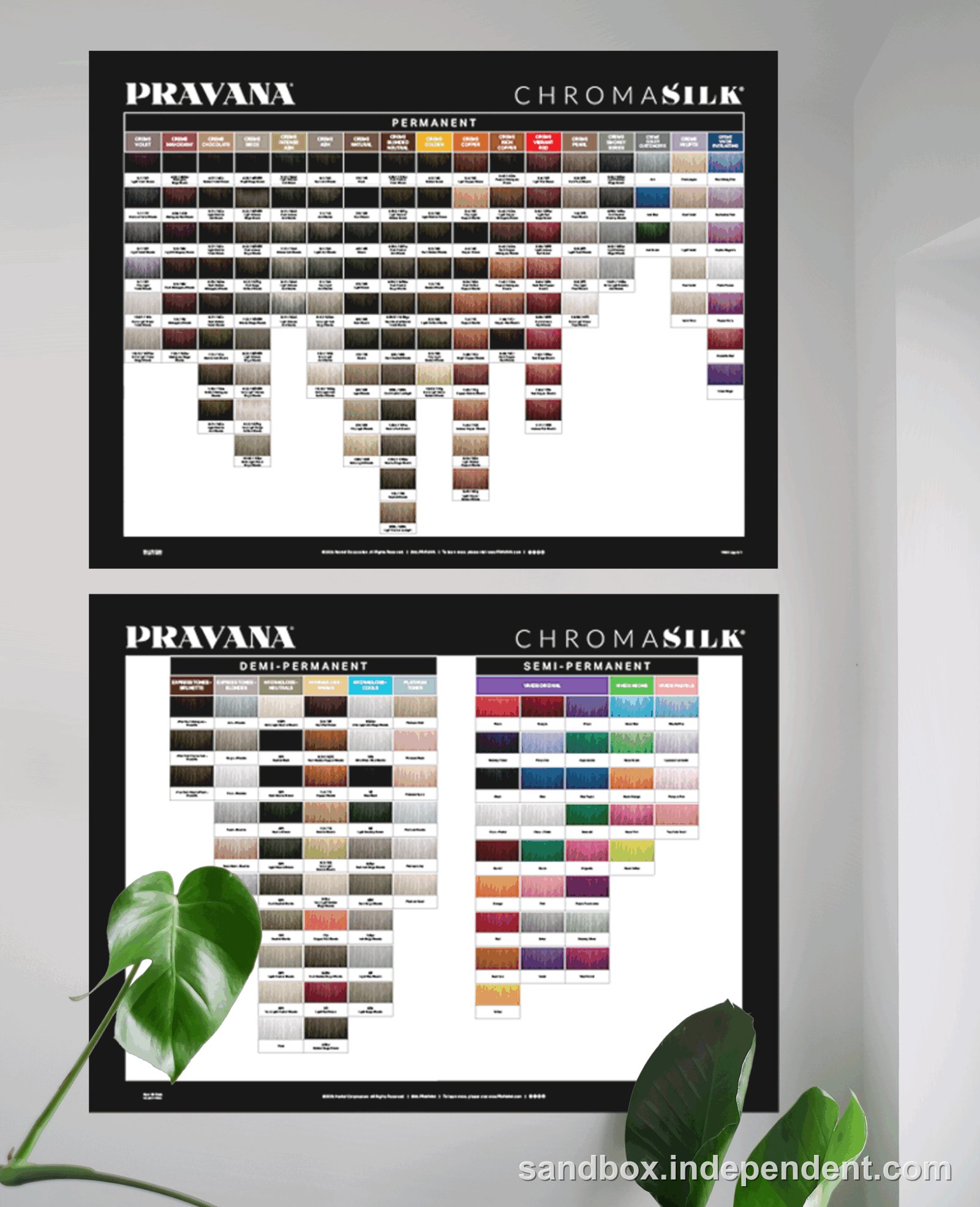
You're here, searching for a hair levels chart, a handy tool to help you understand your hair's characteristics. This chart is a simple yet effective way to visualize and assess your hair's thickness, density, and overall volume. It provides a quick reference, offering a snapshot of your hair's current state and a guide to track any changes over time. With various formats and standards, these charts offer a standardized way to measure and compare hair, ensuring an accurate and reliable assessment.
Understanding the Hair Levels Chart: Your Guide to Hair Volume
The hair levels chart is a handy tool to understand and categorize your hair's volume and thickness. It provides a simple, visual way to assess your hair's characteristics, which can be useful for styling, product selection, and even tracking hair growth progress. This chart typically uses a scale or a set of categories to describe hair volume, offering a quick reference for everyday use.
Comparing Hair Volume Standards: A Range of Options
There are various ways to categorize hair volume, and different charts may use different standards. Some common scales include a simple 1 to 10 scale, with 1 being the finest hair and 10 the thickest. Others might use a more detailed system, like a 1 to 20 scale, offering a broader range of options. Additionally, some charts might categorize hair into broad types, like "thin," "medium," and "thick," providing a more general overview.
Step-by-Step Guide: Using the Hair Levels Chart
- Start by gathering a small section of clean, dry hair, preferably from the top of your head.
- Hold the hair between your fingers and assess its thickness. Compare it to the visual representations or descriptions on your chosen hair levels chart.
- Match the thickness of your hair to the corresponding category or number on the chart. This will give you an idea of your hair's volume level.
- For a more precise assessment, you can count the number of hairs in the section you've gathered. This follicle count guide can provide additional insight into your hair's density.
Common Misconceptions and How to Avoid Them
One common mistake is assuming that the hair levels chart is a universal standard. While it provides a useful framework, it's important to note that hair characteristics can vary widely, and individual differences may not always fit neatly into these categories. Additionally, hair can change over time due to various factors, so regular assessments are beneficial. Always refer to the specific chart's instructions and consider any additional notes or explanations provided.
Factors Affecting Accuracy: Real-World Considerations
Several factors can influence the accuracy of your hair levels chart assessment. These include your hair's natural texture, whether it's curly, straight, or somewhere in between, as well as its overall health and condition. Environmental factors, such as humidity, can also temporarily affect your hair's volume and texture. It's essential to consider these variables when using the chart and to be aware that your hair's level may fluctuate. Regular assessments and a consistent approach will provide the most accurate results over time.
Hey there! We've covered a lot of ground in this post, and I hope it's given you a clear idea of how to navigate the hair levels chart and its various aspects. Remember, while the basics remain the same, there might be slight variations in the details, so always refer to the most relevant and up-to-date sources for your specific needs.
If you found this guide helpful, why not explore some of our other practical articles? We've got a range of topics that might just simplify your life, from organizing tips to handy reference guides. So, feel free to browse and discover more ways to make your daily routines a breeze!
Related: Find Your Perfect Nail Shape: A Clear Guide
A nail shapes chart is a handy tool for anyone wanting to explore different nail styles. It's a simple yet effective way to visualize and understand the various shapes and lengths available. This guide will cover the basics, offering a quick reference for those new to nail art and design.
The chart provides a clear overview, often with visual representations, to help you identify and choose the right shape. It's a great starting point for experimenting with your nail look, and you'll find it includes classic shapes like square and oval, as well as more unique styles.
Understanding the Nail Shapes Chart: A Quick Overview
The nail shapes chart is a handy reference tool for anyone interested in nail art and design. It's a simple guide that helps you choose the right nail shape for your style and preferences. This chart provides a visual representation of various nail shapes, making it easy to explore and decide on the perfect shape for your next manicure.
Comparing Popular Nail Shape Options
The nail shape guide typically includes a range of standard and trendy shapes. You'll find classic options like oval, square, and rounded shapes, as well as more unique styles such as coffin, stiletto, and almond. Each shape has its own charm and can create different effects on your nails. The chart often uses visual icons or illustrations to represent these shapes, making it fun and easy to browse through the options.
Creating Balance: Step-by-Step Guide to Using the Chart
Using the nail shapes chart is straightforward and can enhance your nail art experience. Here's a simple guide:
- Start by identifying your current nail shape. This helps you understand the transformation you're aiming for.
- Browse the chart and explore the various shapes. Consider the length and width of your nails and how each shape might complement them.
- Choose a shape that aligns with your personal style and the look you want to achieve. For instance, if you prefer a natural, elegant look, an oval or almond shape might be ideal.
- Discuss your choice with your nail technician, if applicable. They can offer expert advice and ensure the shape suits your nail type and lifestyle.
- Remember, the chart is a guide, and you can always customize and adapt shapes to your liking.
Common Misconceptions and How to Avoid Them
While the nail shapes chart is a valuable tool, it's essential to be aware of a few potential pitfalls:
- Nail length can influence the final appearance of a shape. Ensure you consider both the shape and length when making your choice.
- Different nail art trends may suit specific shapes better. Stay updated on trends to ensure your chosen shape aligns with your desired style.
- Individual nail care tips can impact the final result. Always ensure your nails are in good condition before shaping them.
- Remember, the chart provides a general guide. Your unique nail shape and structure may require slight adjustments to achieve the perfect fit.
The nail shapes chart is a fantastic resource for discovering and experimenting with different nail shapes. With a simple, visual approach, it empowers you to create beautiful and balanced nail designs.
Hey there! I hope this nail shapes chart has been a handy guide for you. It's a simple yet effective tool to explore and understand the different options available.
Remember, when applying this knowledge, always consider your personal preferences and the specific context. Exact values may vary slightly, so it's a good idea to double-check and adapt to your needs.
Feel free to bookmark this page; it's a quick and easy reference for whenever you need a reminder. Happy nailing!
Related: Medical Building Construction Essential Guide
I've got a question for you: have you ever noticed how many medical buildings are going up in our neighborhood? It seems like every time I turn around, there's a new construction site with those big signs advertising a future clinic or hospital. That got me thinking about medical building construction and all the work that goes into these projects. So, let's dive in and explore this topic together!
Understanding Medical Building Construction
Medical building construction is a specialized field, and it's not just about building any old structure. These projects require a unique set of skills and considerations to ensure the safety and functionality of healthcare facilities. From hospitals to clinics, and even specialized research centers, each project presents its own set of challenges and opportunities.
One of the key aspects is understanding the specific needs of the medical industry. For instance, medical buildings often require specialized ventilation systems, infection control measures, and equipment that standard commercial or residential buildings don't need. This adds a layer of complexity to the construction process, but it's crucial to get it right.
Hiring the Right Team
When it comes to medical building construction, hiring the right team is essential. You'll want to find experienced general contractors or remodeling companies with a proven track record in healthcare construction. These professionals will understand the unique requirements and be able to guide you through the process, from design to completion.
Before hiring, it's a good idea to ask for references and check their previous work. You can also inquire about their experience with similar projects, as this will give you an idea of their capabilities and whether they can handle the specific needs of your medical building.
Costs and Pricing
As with any construction project, costs can vary widely depending on several factors. The size and scope of the building, the materials used, and the location can all impact the final price tag. It's important to get multiple quotes to compare and ensure you're getting a fair deal.
When comparing quotes, look beyond just the bottom line. Consider the reputation and experience of the company, their understanding of your specific needs, and the level of detail provided in their proposal. A thorough quote should outline the project scope, materials, labor, and any potential additional costs or contingencies.
Construction Jobs and Salaries
The medical building construction industry offers a range of job opportunities, from general contractors and estimators to specialized tradespeople like plumbers, electricians, and HVAC technicians. Salaries can vary depending on the role, experience, and location.
If you're interested in pursuing a career in this field, it's a good idea to start by gaining experience in construction and familiarizing yourself with the unique requirements of medical buildings. Many professionals find work through construction companies or by networking within the industry.
Industry Tools and Data
There are various tools and resources available to those in the medical building construction industry. For instance, RSMeans provides cost databases and estimating tools that can help with budgeting and planning. These resources take into account factors like escalation, which refers to the increase in construction costs over time due to inflation and other economic factors.
By using industry-specific tools, construction companies can stay ahead of the curve and provide accurate estimates and timelines for their clients.
Company Names and Naming Ideas
When it comes to naming your medical building construction company, you want something that's memorable, professional, and reflects your brand. Here are a few ideas to get you started:
- MedBuild
- HealthConstruct
- CareBuildings
- MedPro Construction
- Clinic Builders
- HealthSpace
Remember to check the availability of these names, both for business registration and domain names, to ensure you can establish a strong online presence.
Wrapping Up
So, there you have it! A quick dive into the world of medical building construction. Whether you're considering a career in this field, hiring a contractor, or just curious about the process, I hope this has given you some valuable insights. Remember, when it comes to construction, it's always a good idea to do your research and ask the right questions.