

Hot Vs Crazy Chart Letter Size Overview
Many folks assume the ear gauge chart is a rigid, one-size-fits-all guide, but it's actually a flexible tool with room for personal preference. While it provides a standard reference, the art of ear stretching is a unique journey for each individual.
The chart offers a starting point, with various sizes and measurements, but it's important to remember that body jewelry sizing and lobe piercing measurements can vary, and there are imperial and metric conversions to consider too. So, while the ear gauge chart is a valuable resource, it's an adaptable guide rather than a strict rulebook.
Understanding the Ear Gauge Chart
The ear gauge chart is a handy reference tool for anyone interested in ear stretching or body modification. It provides a clear visual guide to the different sizes of ear piercings, helping you understand the gauge size progression and choose the right jewelry. This chart is a great starting point for beginners and a useful resource for experienced stretchers too.
Comparing Gauge Standards and Formats
There are a few different standards and measurement systems used for ear gauge sizes. The most common are the imperial and metric systems, which use different units and scales. The imperial system, often used in the US, measures ear gauges in inches or fractions of an inch. The metric system, used internationally, measures in millimeters. It's important to know which standard you're dealing with to ensure accurate sizing.
Measuring Accurately: A Step-by-Step Guide
Here's a simple process to use the ear gauge chart effectively:
Identify the standard: First, determine whether you're using the imperial or metric system. This will ensure you're reading the right measurements.
Locate your current size: Find your current ear gauge size on the chart. This will give you a starting point for your stretching journey.
Choose your next size: The chart typically shows a progression of sizes, so you can easily see the next step in your stretching process. Choose the size you want to achieve and plan your stretching routine accordingly.
Double-check jewelry sizes: Always check the exact specifications of the jewelry you plan to use. While the chart provides a general guide, some jewelry may have slight variations or tolerances, so it's best to confirm the exact measurements.
Common Mistakes and How to Avoid Them
One common pitfall is misreading the chart due to the different standards. Always be clear on whether you're using imperial or metric measurements to avoid confusion. Another mistake is assuming the chart covers every possible size and variation. It's a general guide, so for very specific sizes or unique jewelry, you may need to double-check with the manufacturer or a trusted source.
Remember, safety is key when stretching your ears. Always follow proper stretching techniques and consult with professionals if you have any concerns or questions. The ear gauge chart is a great tool, but it's just one part of the ear stretching process.
Hey there! I hope this ear gauge chart has been a helpful resource for you. Remember, while the basics remain the same, the exact details might differ slightly depending on the standard or source you're following.
Feel free to bookmark this page for future reference. It's always good to have a handy guide like this, and we've got plenty more practical tips and guides on various topics, so make sure to check them out!
Related: Get the Right Rug Size: A Clear Chart Guide
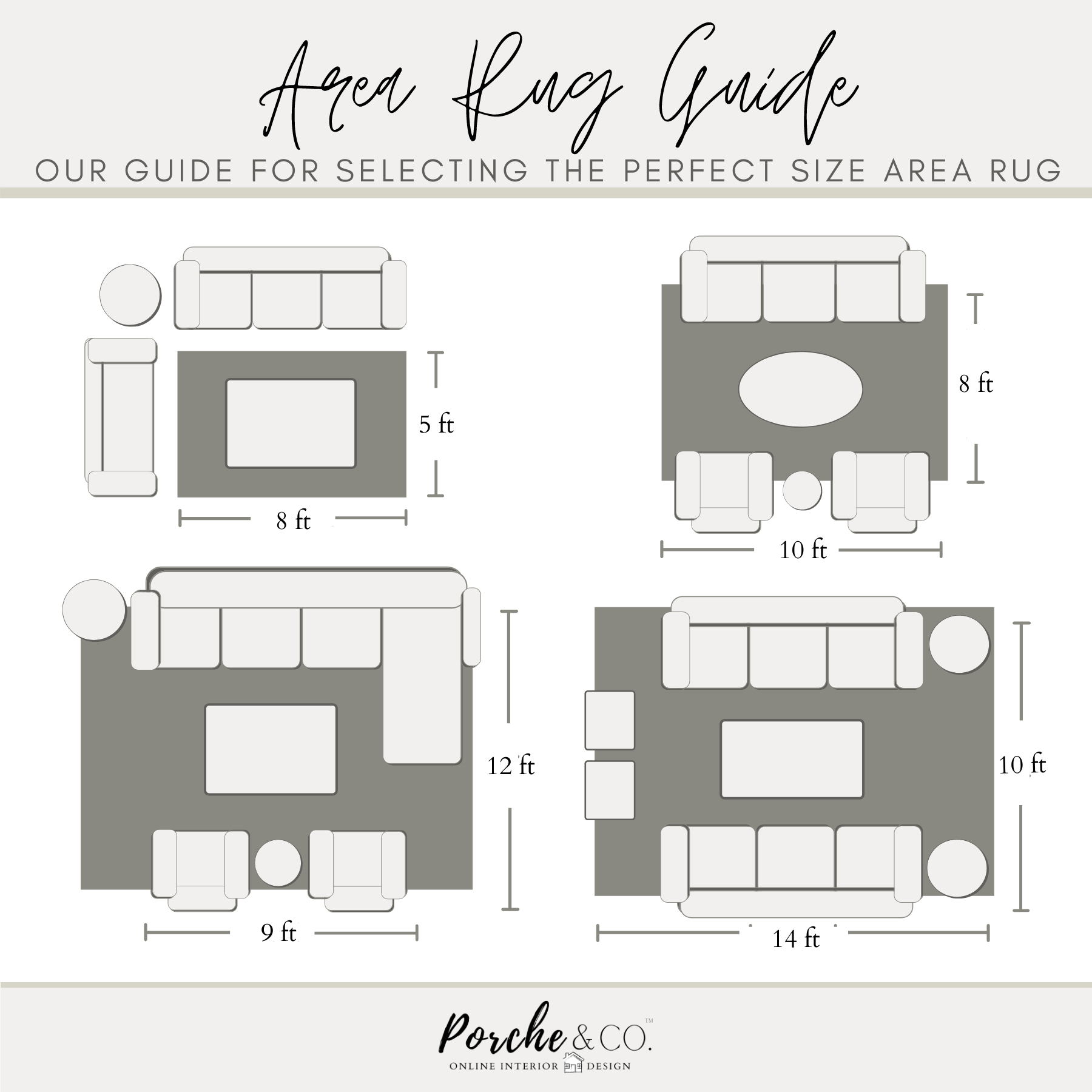
Many folks assume that a rug size chart is an exact science, with one standard size fitting all rooms. However, it's actually a flexible tool, offering a range of options to suit your space. A quick glance at this chart will show you the variety of rug sizes available, and it's an easy way to visualize how different dimensions can work in your home. Whether you're after a rug size guide, carpet dimensions, or floor covering measurements, this chart is a simple, effective starting point.
Understanding the Chart: A Quick Overview
A rug size chart is a handy tool to help you choose the right rug for your space. It provides a visual representation of standard rug sizes, making it easy to visualize and compare different dimensions. This chart is a practical guide for anyone looking to add a rug to their home, offering a simple way to ensure the rug fits the intended area perfectly.
Standard vs. Non-Standard Sizes: A Comparison
While most rugs come in standard sizes, there are also non-standard or custom-made options. The rug size chart typically covers a range of common sizes, such as 5x8, 8x10, and 9x12 feet, which are popular choices for various rooms. Non-standard sizes offer more flexibility but may require a bit more effort to find the perfect fit.
Step-by-Step Guide: Using the Chart Effectively
To use the rug size chart accurately, follow these simple steps:
- Identify the area you want to cover with the rug. Measure the length and width of this space to get an idea of the rug size you need.
- Refer to the chart and locate the closest standard size that fits your measurements. For example, if your space is 6x9 feet, a 5x8 or 8x10 rug might be suitable.
- Consider the layout and furniture arrangement. The chart provides a guide, but you may need to adjust based on your specific room setup.
- Take note of the rug's shape. Some charts also indicate whether the rug is rectangular, square, or runner-shaped, helping you choose the right fit for your space.
Common Misreadings and How to Avoid Them
One common mistake is assuming that the chart provides exact measurements for every rug. While it offers a great starting point, it's important to remember that rug sizes can vary slightly. Always double-check the exact dimensions of the rug you're interested in to ensure a perfect fit. Another potential pitfall is ignoring the scale of the room. A large rug in a small room can make the space feel cramped, so always consider the overall balance and proportion.
Key Factors Affecting Accuracy and Real-World Use
- Room Size: The size of the room plays a crucial role in choosing the right rug. A larger room can accommodate bigger rugs, while smaller spaces may require more careful consideration to avoid overcrowding.
- Furniture Arrangement: The placement of furniture can impact the rug size and shape needed. Consider leaving a border of floor space around the rug to create a balanced look.
- Rug Shape: Different shapes, like runners or round rugs, serve specific purposes and fit different spaces. The rug size chart often includes these variations to guide your selection.
- Tolerances: Rug sizes can have slight variations, so it's essential to check the manufacturer's specifications to ensure the rug meets your expectations.
Adapting the Chart: Choosing the Right Format
The rug size chart can be adapted to suit your needs. If you're looking for a specific size, some charts offer a search function or filters to narrow down options. Additionally, metric and imperial measurements are often available, catering to different regions and preferences. For unique spaces, consider using a custom rug size chart or consulting an expert to ensure a perfect fit.
Well, there you have it! A comprehensive guide to rug size charts and their practical uses. We've covered a lot of ground, from understanding the different options to avoiding common pitfalls.
Remember, when it comes to choosing the right rug size, it's essential to consider your unique space and needs. So, take a moment to double-check your measurements and specific requirements before making any final decisions. This guide should be a handy reference, but it's always good to ensure you've got the right fit for your room.
Consider bookmarking this page for future rug adventures; you never know when you might need a quick refresh on finding the perfect rug size!
Related: Find Your Seat: BJCC Seating Chart Guide
The bjcc seating chart is a valuable tool for anyone planning an event or attending a show at the BJCC. This guide will help you navigate and understand the different seating options available, ensuring you make the most of your experience. From concert halls to arenas, the BJCC offers a range of venues, and each has its own unique seating layout. We'll cover the basics, including how to read row numbers and locate your seats accurately.
Understanding the BJCC Seating Chart
The BJCC seating chart is a valuable tool for anyone attending an event at the BJCC Concert Hall. It provides a clear visual representation of the venue's layout, helping you navigate and find your seat with ease. This chart offers a comprehensive overview, ensuring an enjoyable and stress-free experience.
Comparing Seating Options and Views
The BJCC arena seating chart categorizes seats into different sections, each with its own unique view and atmosphere. These sections are typically labeled with letters or numbers, making it simple to locate your seat. The chart also indicates the proximity to the stage, with some sections offering a more intimate experience, while others provide a panoramic view of the entire arena.
Step-by-Step Guide to Using the Seating Chart
When using the BJCC seating chart, follow these steps:
- Identify your seat number and section on the chart. Look for the corresponding letter or number on the venue's layout.
- Navigate to your section. The chart often includes a key or legend, providing a visual guide to the different sections and their locations within the arena.
- Find your row and seat. Once in your section, locate the row number and then identify your specific seat, which is usually numbered sequentially.
- Enjoy the event! With your seat located, you can now focus on the performance or activity without any distractions.
Avoiding Common Misreadings
While the BJCC theater seating chart is designed to be user-friendly, there are a few common mistakes to avoid:
- Double-check your seat number and section. Mistakes can happen, so ensure you have the correct details before setting off.
- Be aware of potential obstructions. Some seats may have limited views due to pillars or other structural elements. The chart might indicate these obstructions, so pay attention to any notes or symbols.
- Consider legroom. Different sections may offer varying legroom, so if comfort is a priority, choose a section with ample space.
Factors Affecting Accuracy and Real-World Use
Several factors can influence the accuracy and practicality of the BJCC concert seating chart:
Stage Setup: The position and size of the stage can impact the view from certain seats. Always check the event's specific stage setup to ensure an optimal experience.
Seat Width and Legroom: These can vary, so consider your personal preferences and comfort needs.
Event-Specific Considerations: Some events may have unique seating arrangements or configurations, so always refer to the specific seating chart for that event.
Related Factors:
Seating capacity and density.
Seat spacing and aisle width.
Proximity to concessions and restrooms.
Choosing the Right Seating Format
The BJCC concert hall offers various seating formats to cater to different preferences and needs:
- Standard Seating: This is the most common format, offering a mix of row and section seating. It provides a balanced experience, suitable for most events.
- Premium Seating: These seats often have enhanced amenities, such as wider seats, more legroom, and exclusive access to certain areas.
- General Admission: This format offers a more flexible and casual experience, with no assigned seats. It is ideal for standing events or those who prefer a less structured environment.
Remember, the BJCC row numbers and seat arrangements may vary depending on the event and the specific seating chart provided. Always refer to the official chart for the most accurate and up-to-date information.
Well, there you have it! A comprehensive guide to understanding and utilizing the BJCC seating chart effectively.
Remember, while this guide provides a solid foundation, every situation is unique. It's always a good idea to review your specific event details and consider any unique factors that may impact your seating choice. With the right preparation, you'll be seated comfortably and ready to enjoy the show!
Consider bookmarking this page for future reference. It's a handy tool to have at your disposal whenever you need a quick reminder or a more in-depth look at the BJCC seating chart.