




How To Draw Bubble Letter S Overview
You're probably here because you need a quick reference or a simple guide to understanding skin tone charts. These charts are a handy tool, offering a visual representation of skin tones, and they can be incredibly useful when you're seeking the perfect match for your foundation or even for artistic purposes. It's a great way to ensure accuracy and find your ideal shade, and while the values may vary depending on the context, they provide a reliable starting point.
Understanding Skin Tones: An Overview
The skin tone chart is a helpful tool to understand and categorize skin colors. It offers a visual representation of various skin tones, providing a reference for accurate shade matching. This chart is particularly useful in industries like cosmetics and fashion, where precise tone identification is essential.
Comparing Standards and Scales
Several standards and scales exist to measure and categorize skin tones. The most well-known is the Fitzpatrick scale, which classifies skin types based on their response to sun exposure. This scale has six categories, ranging from very light to deeply pigmented. Another popular reference is the Munsell skin color charts, which use a three-dimensional color system to represent skin tones. These charts provide a more detailed and nuanced view of skin colors.
Practical Colorimetry: Step-by-Step Guide
Using a skin tone chart is straightforward:
Identify the primary color of your skin. This is the base tone, often referred to as the undertone. Common undertones are cool (pink or blue), warm (yellow or golden), and neutral (a balance of cool and warm).
Determine your skin's lightness or darkness. This is measured on a scale, with higher numbers indicating lighter skin and lower numbers representing darker tones.
Combine these two factors to find your exact position on the skin tone chart. This will give you a precise shade reference for various applications.
Avoiding Misreadings and Pitfalls
It's essential to understand that skin tones can be complex and unique. While charts provide a helpful guide, they might not capture every variation. Here are some tips to ensure accurate readings:
Ensure you're using the correct standard or scale for your specific needs. Different industries may use varying charts, so double-check to avoid mismatches.
Consider the lighting conditions. Natural daylight is best for an accurate assessment, as artificial lighting can alter perceptions.
Be aware of your skin's natural changes. Factors like sun exposure, aging, and certain medical conditions can affect your skin tone over time. Regularly re-evaluate your position on the chart to ensure accuracy.
Key Factors Affecting Accuracy
Several factors can influence the accuracy of a skin tone chart:
Sun exposure and tanning can darken your skin temporarily or permanently.
Aging often leads to a decrease in skin pigmentation, making it lighter.
Certain medications and medical treatments can affect skin color.
Cultural and regional variations exist, with some populations having unique skin tone distributions.
Adapting the Chart for Specific Needs
While standard skin tone charts offer a broad reference, specific industries may require tailored versions. For example, cosmetic brands often create their own shade guides to match their product ranges precisely. These adapted charts ensure an accurate match for foundation and makeup shades. Similarly, fashion designers might use customized charts to select the right fabric colors for different skin tones.
Hey there, I hope this guide has been helpful in your skin tone chart adventures! Remember, while the basics remain the same, the exact details might shift a bit based on your unique needs and the specific chart you're using.
Don't stress, just take it step by step, and you'll find the perfect fit for your requirements. Feel free to explore our other guides for more practical tips and tricks. Consider this page bookmarked for future reference - it's always good to have a handy reminder!
Related: How do I use a ski sizing chart?
Many people assume that a ski sizing chart is a one-size-fits-all guide, but it's actually a bit more nuanced than that! While these charts offer a great starting point, they're not always an exact science. It's a common mistake to think that your height alone determines your ski size, when in fact, there are several factors to consider.
The ski sizing chart is a useful tool, but it's important to remember that ski size recommendations can vary slightly depending on your skiing ability, personal preference, and even the type of terrain you typically ski on. So, while it's a great reference, it's always worth seeking a little extra advice to ensure you get the perfect fit.
Ski Sizing Chart: A Practical Guide
Ski sizing charts are your go-to tool for finding the perfect ski length. They provide a simple way to match your height, weight, and skill level with the right ski size. This chart is a handy reference, but it's important to understand how to use it accurately.
Key Details: Understanding the Chart
The ski size guide typically shows a range of heights and corresponding ski lengths. It often includes categories like beginner, intermediate, and advanced skiers. The units used are usually inches or centimeters, depending on the standard. For example, a common recommendation might be a ski length of 160-170 cm for a skier who is 170-180 cm tall. These charts are a great starting point, but they're not one-size-fits-all.
Reading and Applying the Chart: Step-by-Step
Here's a simple process to follow:
- Identify your height and skill level.
- Locate your height range on the chart.
- Choose a ski length within the recommended range.
- Consider your personal preference and adjust slightly if needed.
For instance, if you're an intermediate skier and the chart suggests 165-175 cm skis for your height, you might opt for 170 cm skis. Remember, this is a guide, so feel free to experiment within the suggested range.
Variations: Why Ski Sizing Charts Differ
Several factors can cause variations in ski size recommendations:
- Ski height to length ratio: This ratio can vary based on the type of skiing (e.g., alpine vs. cross-country).
- Ski size by ability: Advanced skiers often prefer longer skis, while beginners might find shorter ones more manageable.
- Ski size by weight: Heavier skiers might benefit from slightly longer skis for better float and stability.
- Manufacturer preferences: Different brands may have unique recommendations.
- Regional standards: Some charts might use metric units, while others use imperial.
Common Mistakes and How to Avoid Them
A few simple errors to watch out for:
- Assuming one chart fits all: Always check if the chart is relevant to your skill level and the type of skiing you plan to do.
- Ignoring personal preference: While the chart is a guide, your comfort and confidence are key. Don't be afraid to adjust within the recommended range.
- Relying solely on height: Skill level and weight also play a role, so consider all factors.
Practical Tips for Accurate Results
To ensure you get the best fit:
- Double-check the chart's units and ensure they match your measurements.
- If you're between sizes, consider your skill level and the type of skiing.
- When trying skis, take a few runs to get a feel for the length.
- Remember, the chart is a starting point, but your comfort and performance are the ultimate goals.
By understanding the ski sizing chart and its variations, you can make an informed decision and enjoy your skiing experience. Happy trails!
Well, there you have it! Finding the perfect ski size is an important step to ensure your comfort and safety on the slopes. Remember, while this guide provides a great starting point, it's always a good idea to consult with experts or try out different sizes to find your ideal fit.
Feel free to explore our other guides and resources to enhance your skiing experience. We've got plenty of tips and tricks to help you become a pro!
Related: How to Read the "ir verb chart" Easily?
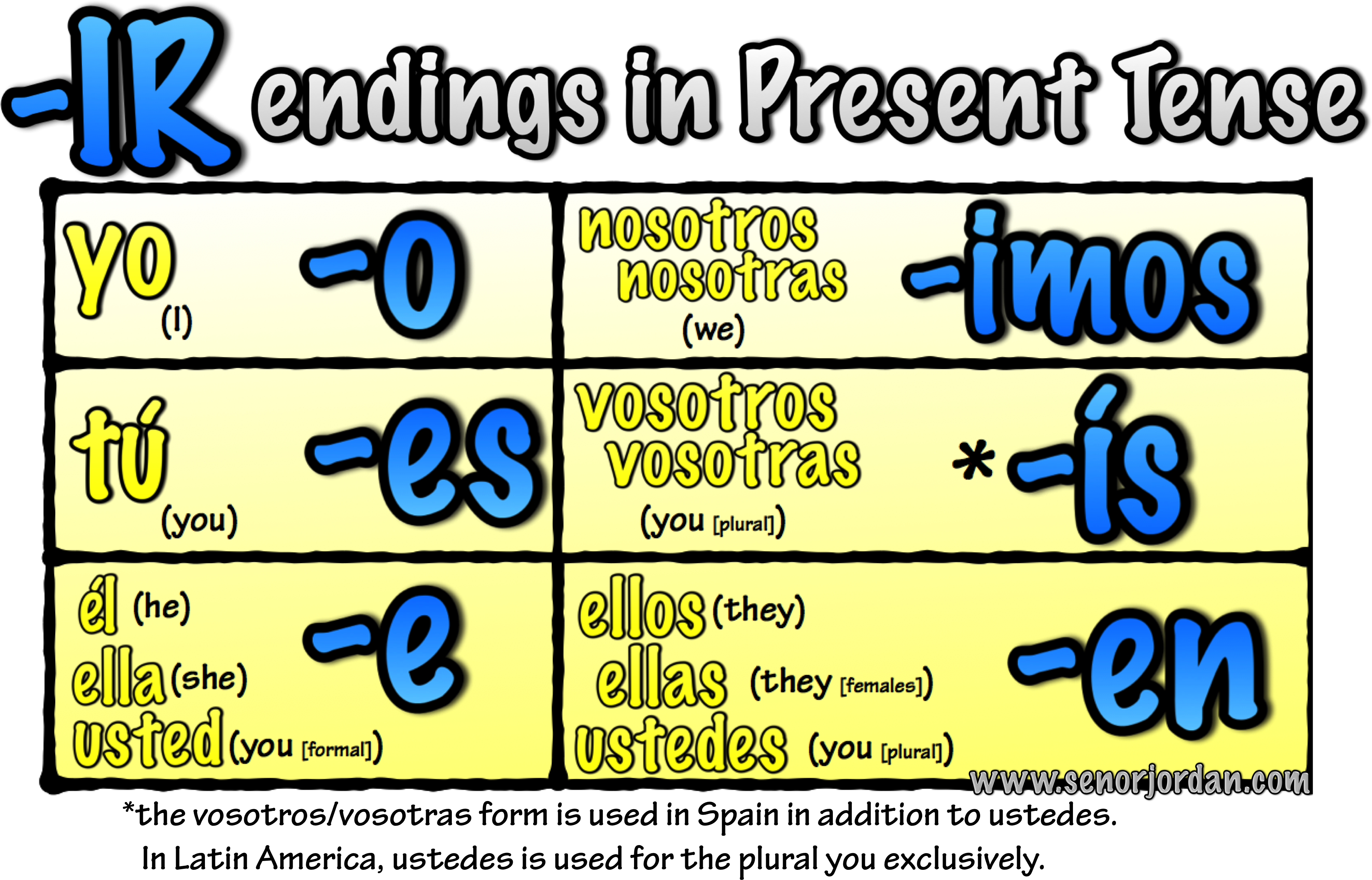
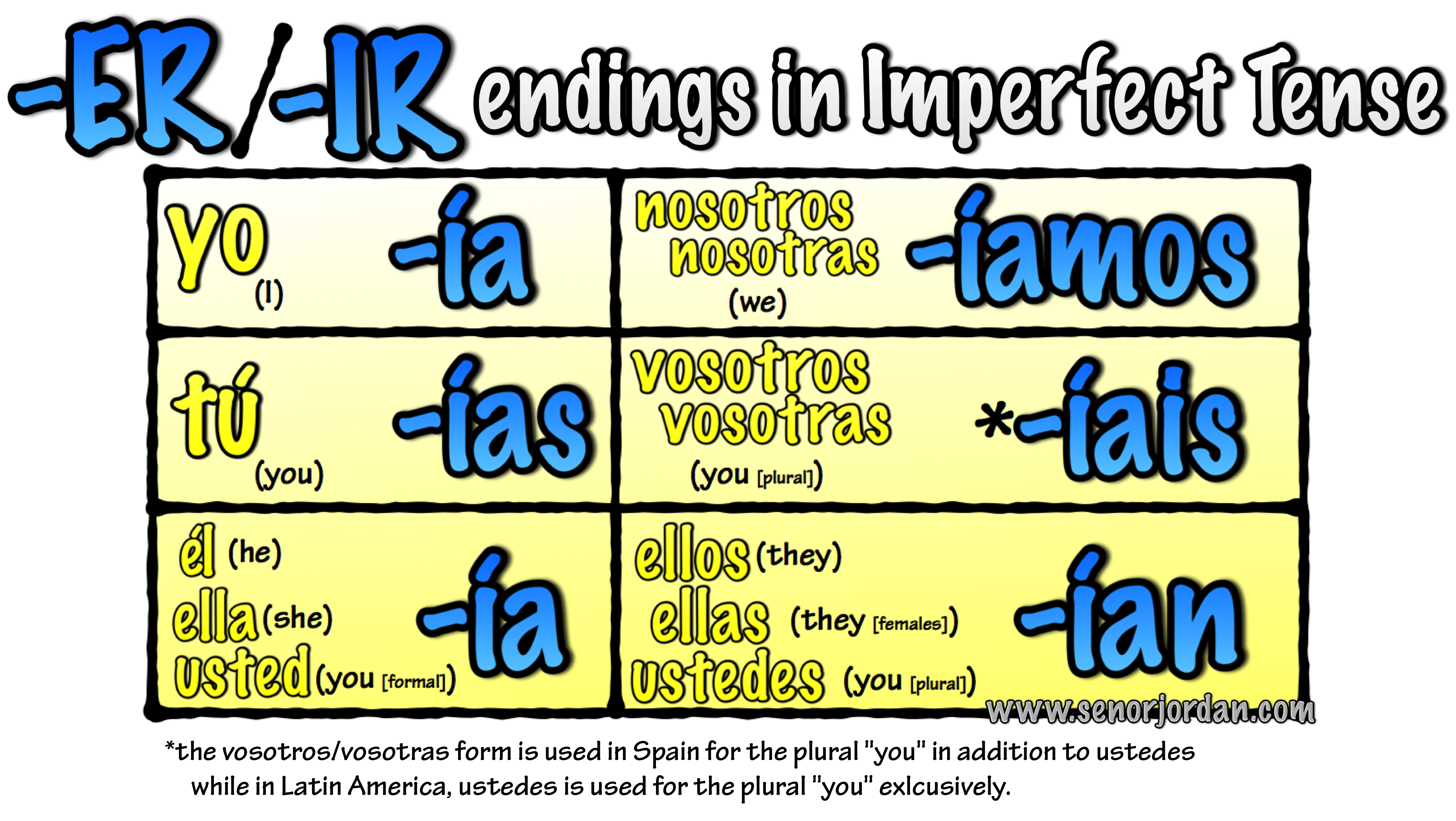
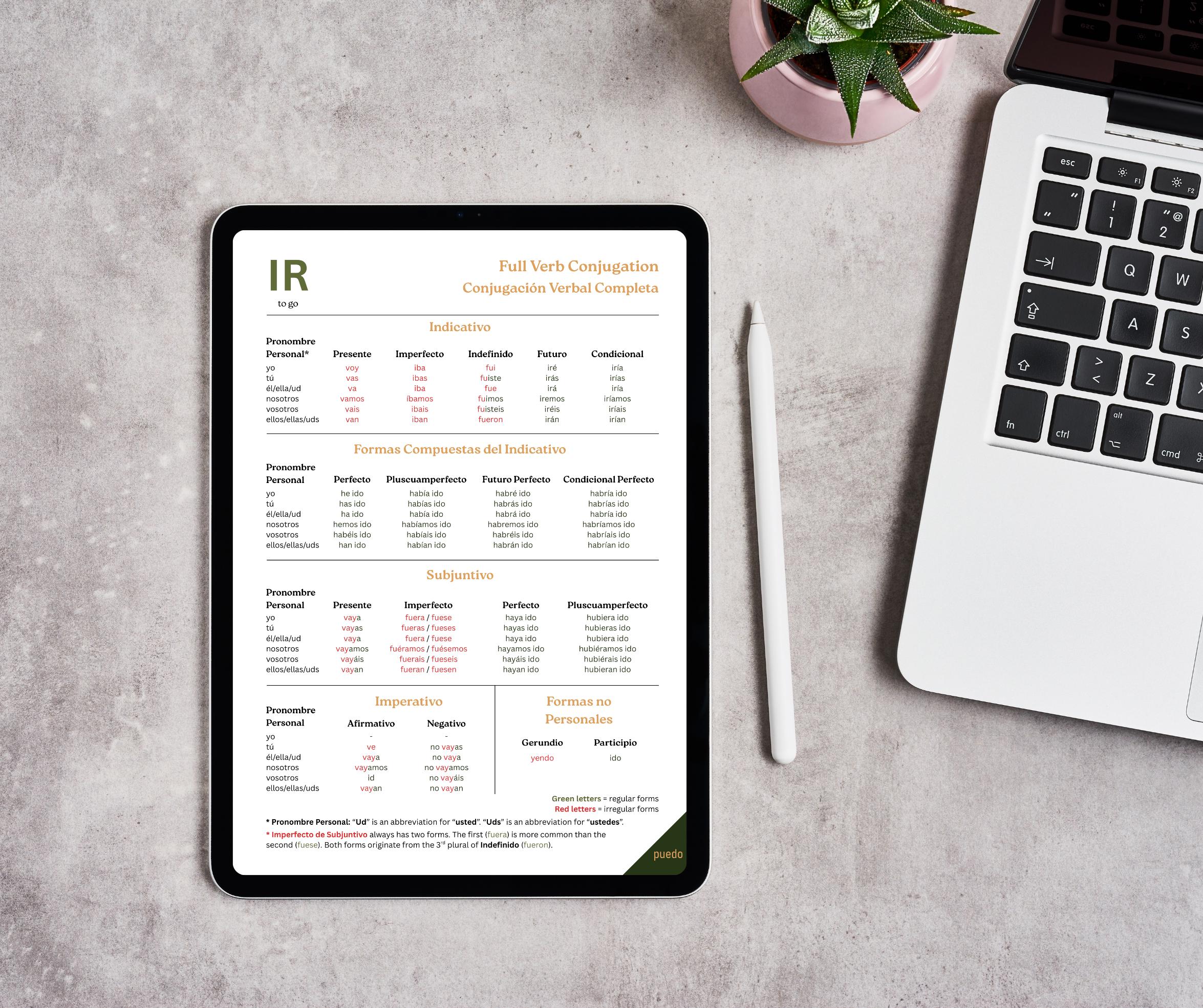
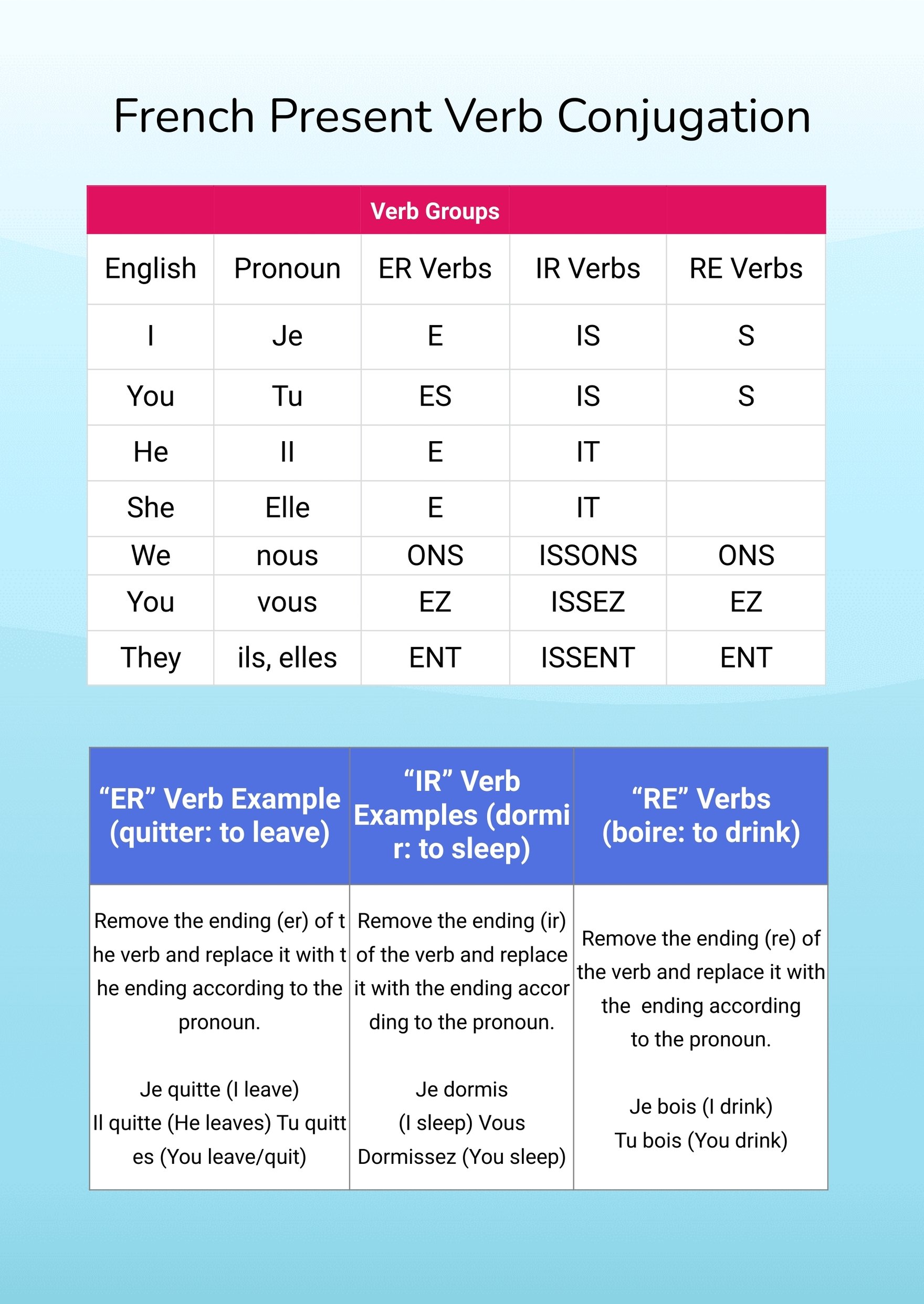
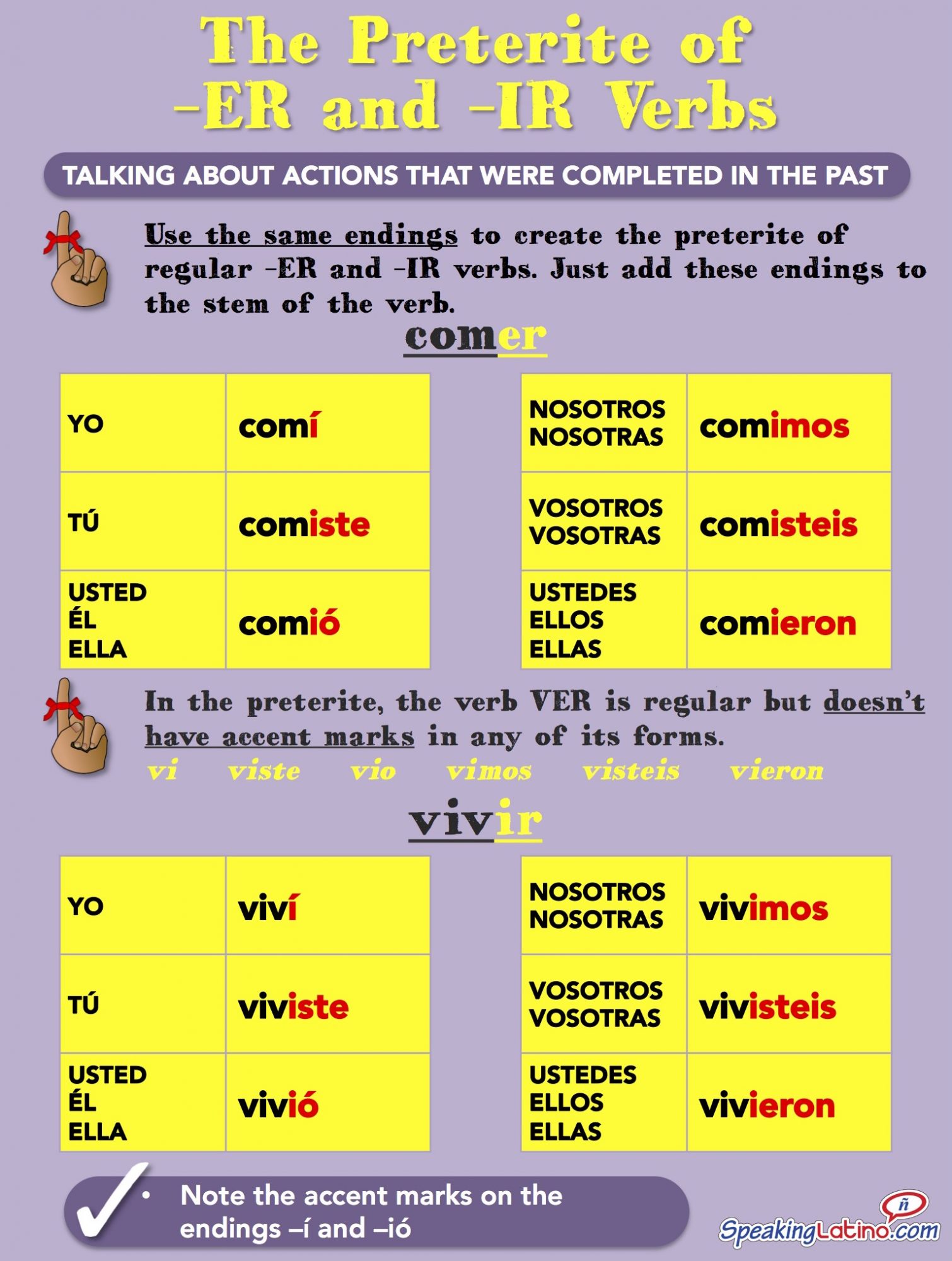
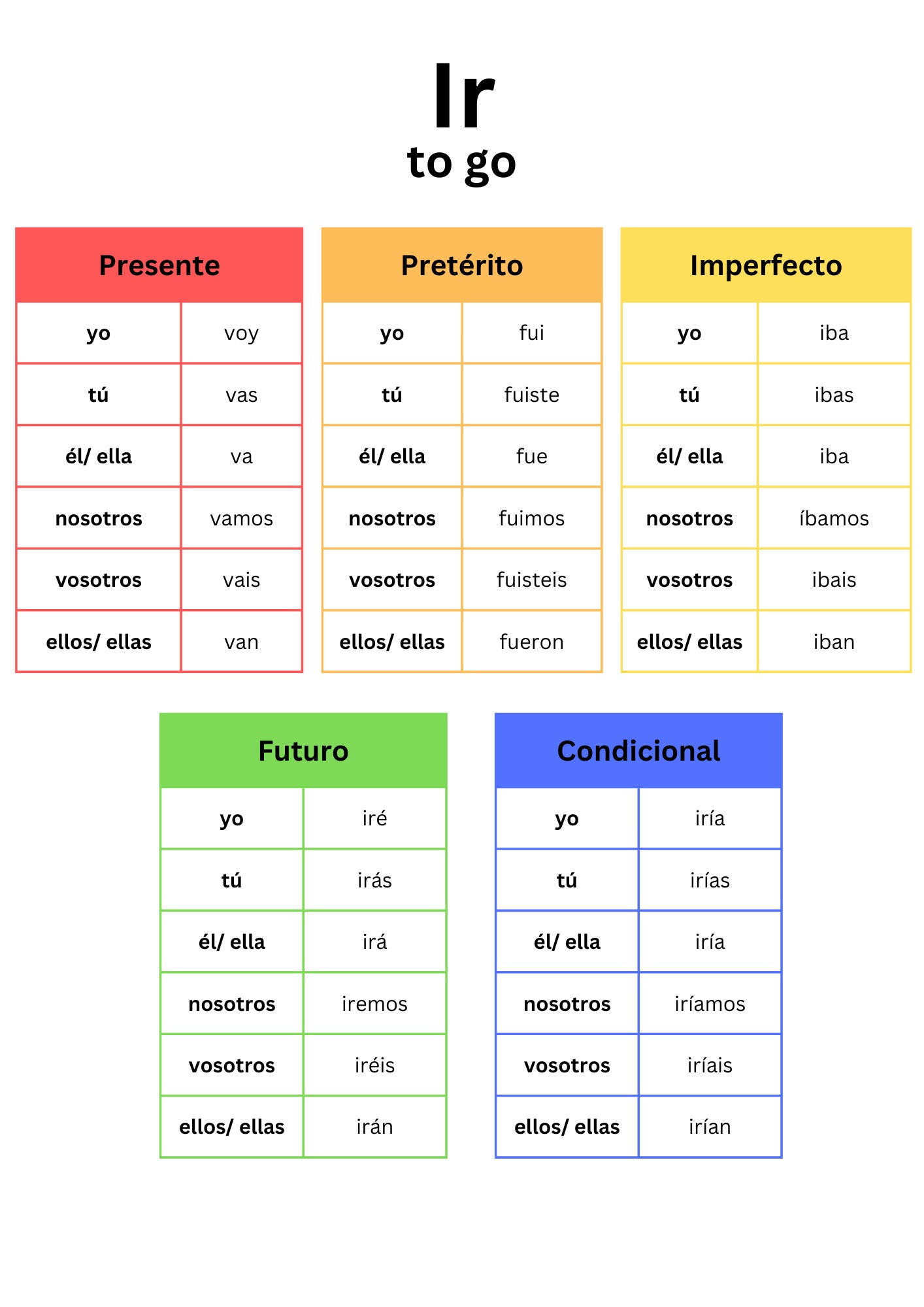
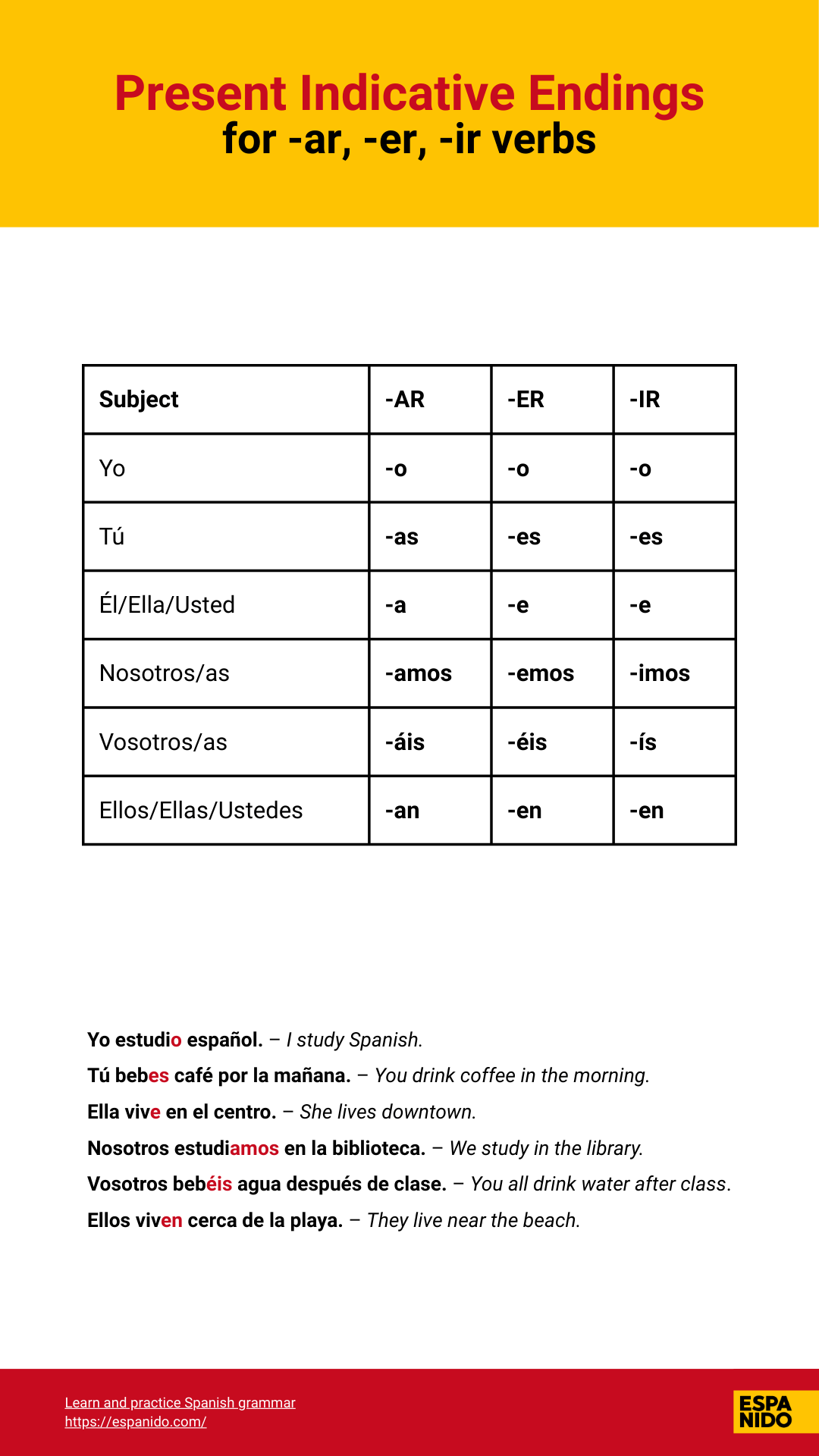
You've landed on this page, perhaps with a specific task in mind or a quick reference need. The ir verb chart is a handy tool, a concise visual guide, that can save you time and effort when navigating Spanish verb conjugations. It offers a structured overview, allowing you to find and understand verb forms efficiently, covering present, past, and future tenses. While the chart's layout and details may vary, its purpose remains consistent: to provide a reliable reference for regular verbs in Spanish.
Understanding the Ir Verb Chart: A Quick Overview
The ir verb chart is an invaluable tool for Spanish language learners, offering a comprehensive visual guide to the conjugation of regular verbs ending in 'ir'. It serves as a reference, providing a clear layout of verb forms across different tenses and persons. This chart is an essential resource for mastering Spanish grammar and ensuring accurate verb usage in various contexts.
Comparing Conjugation Patterns: Regular Verbs vs. Irregulars
While the ir verb chart focuses on regular verbs, it's important to note the existence of irregular verbs, which do not follow standard conjugation patterns. These verbs require separate memorization and are not represented on the chart. Regular verbs, on the other hand, adhere to consistent rules, making the ir verb chart a reliable guide for most verb forms.
Step-by-Step Guide: Using the Ir Verb Chart
To utilize the ir verb chart effectively, follow these steps:
- Identify the verb tense you wish to conjugate. The chart typically covers present, past, and future tenses, each with its section.
- Locate the verb ending you need to conjugate. For instance, if you want to conjugate 'mirar' (to look), find the 'ar' ending section.
- Within the chosen section, find the specific person (e.g., yo, tú, él/ella, nosotros/as) you wish to conjugate for.
- Read across to the appropriate tense column to find the conjugated form. For example, 'yo miro' (I look) in the present tense.
- Repeat this process for other tenses and persons as needed.
Avoiding Common Pitfalls: Misreading and Mistakes
One common mistake is misreading the chart, especially when unfamiliar with Spanish verb endings. Ensure you understand the verb ending and its corresponding section. Another pitfall is assuming all verbs follow the regular pattern. Always double-check for irregular verbs, especially common ones like 'ser' (to be) or 'ir' (to go).
Factors Affecting Accuracy: Regional Variations and Tenses
The accuracy of the ir verb chart can be influenced by regional variations in Spanish. While the chart provides a standard guide, some verbs may have slight differences in certain Spanish-speaking countries. Additionally, the chart primarily covers regular verbs, so it's essential to be aware of irregular verbs and their unique conjugations.
Choosing the Right Format: Adapting to Your Needs
There are various formats of the ir verb chart available, catering to different learning styles and preferences. Some charts are more detailed, covering all tenses and persons, while others focus on specific tenses or provide a simplified layout. Choose the format that best suits your learning goals and level of Spanish proficiency.
Maintaining Reliability: Keeping Your Reference Up-to-Date
To ensure the reliability of your ir verb chart, it's crucial to regularly update your reference materials. Spanish language resources, including verb charts, may evolve and improve over time. Stay informed about any updates or new editions of the chart to access the most accurate and comprehensive guide for your Spanish conjugation needs.
Well, that's a wrap on our exploration of the IR verb chart and its practical applications. We've covered a lot of ground, from understanding the chart's purpose to mastering its use and avoiding common pitfalls. Remember, the key to success lies in adapting the chart to your specific needs and keeping your reference materials up-to-date.
Before you go, it's worth emphasizing the importance of considering your unique context. Exact values and formats may vary, so double-check the standards and sources relevant to your situation. With that in mind, I hope this guide proves invaluable the next time you need a quick reference. Feel free to bookmark this page for future use!