




Hull Tide Chart Black And White Overview
A tide chart Seattle is a handy tool for anyone wanting to explore the city's waterways or plan marine activities. This guide will cover the basics, helping you understand and utilize these charts effectively.
Tide chart Seattle and similar resources provide essential information on tide times, water levels, and sea conditions. They offer a quick reference, ensuring you're prepared for your next adventure on the water. While formats may vary, the core data remains a valuable asset for sailors, anglers, and beachgoers alike.
Understanding the Data: A Quick Overview
The tide chart for Seattle provides a handy reference for predicting water levels and tidal movements in the area. It's an essential tool for anyone interested in marine activities or wanting to understand the city's tide heights. This chart offers a visual representation of how the tide times and water levels will change over a given period, typically a day or a few days.
Comparing Formats: Standard vs. Customized Charts
There are two main types of tide charts: standard and customized. Standard charts are widely available and provide a general overview of tidal patterns. These are great for getting a quick sense of the tide times and water levels in an area. Customized charts, on the other hand, offer a more detailed and specific view. These are tailored to a particular location and can account for local factors that may influence tidal behavior.
Step-by-Step: Reading Your Tide Chart Seattle
To read your tide chart Seattle, follow these simple steps:
Identify the Date and Time: The chart will have a date and time scale. Ensure you're referring to the correct day and time for your planned activity.
Locate the Tide Height Indicator: This is usually a line or curve on the chart. It will show you the predicted tide height at different times throughout the day.
Understand the Scale: The vertical axis represents tide height, often measured in feet or meters. Ensure you're using the correct unit of measurement for your chart.
Read the Tide Times: The horizontal axis shows the time of day. Markings indicate when the tide will be at its highest or lowest points, known as high and low tides.
Plan Your Activities: With the tide times and water levels in mind, you can now plan your marine activities accordingly.
Common Misreadings and How to Avoid Them
It's easy to misinterpret a tide chart if you're not familiar with its format. Here are some common mistakes and how to avoid them:
Confusing High and Low Tides: Ensure you understand which direction the tide is moving. A rising tide means the water level is increasing, while a falling tide indicates a decrease.
Misinterpreting the Scale: Always double-check the units of measurement. A mistake here can lead to significant errors in your planning.
Assuming Accuracy: Tide charts are predictions based on historical data and models. Actual tidal behavior can vary due to weather conditions and other factors. Always check the latest marine forecasts for up-to-date information.
Factors Affecting Accuracy: Weather and More
The accuracy of your tide chart Seattle can be influenced by several factors:
Weather Conditions: Strong winds, storms, and other weather events can cause significant variations in tidal behavior. Always check the latest weather forecasts.
Local Geography: The shape of the coastline and nearby landmasses can affect tidal patterns. This is why customized charts can be more accurate for specific locations.
Moon Phases: The gravitational pull of the moon influences tides. Full and new moon phases often bring higher tide heights and stronger currents.
Choosing the Right Format: Standard or Customized?
When selecting a tide chart Seattle, consider your specific needs:
If you're a casual user or just need a general overview, a standard chart will suffice. These are widely available and easy to interpret.
For more detailed planning, especially if you're engaging in marine activities like boating or fishing, a customized chart is ideal. These account for local factors and can provide more accurate predictions.
Keeping Your Setup Reliable for Next Time
To ensure you have reliable tidal data for future reference:
Save Your Chart: Keep a copy of your tide chart Seattle for future use. This way, you can quickly refer to it without having to search for a new one.
Check for Updates: Tide charts are based on historical data and predictions. For the most accurate information, ensure you're using the latest available data. Check for updates regularly, especially if there have been significant weather events or changes in the local environment.
Learn from Experience: If you notice any significant discrepancies between your chart's predictions and actual tidal behavior, take note. This can help you better understand local factors and improve your future planning.
Well, there you have it! We've covered a lot of ground, from understanding the basics to ensuring accuracy and adapting to your needs. Remember, the key is to find a format that works best for your specific situation, and don't be afraid to make adjustments as you go.
The world of tide charts is an ever-evolving one, so feel free to explore and discover what works best for you. If you're keen to learn more about other practical topics, we've got a whole range of guides waiting for you to dive into. Happy exploring!
Related: Understand Nipple Size Chart: A Simple Guide
You're probably here because you need a quick answer, a simple guide to help you understand nipple size charts and their purpose. It's a common query, and these charts are more useful than you might think! They provide a straightforward way to measure and compare nipple sizes, often alongside other breast-related measurements. While the values may vary depending on the source, a nipple size chart can be a handy reference tool, especially when paired with a bra size guide or areola size chart.
Understanding the Nipple Size Chart
The nipple size chart is a handy reference tool that provides a standardized way to measure and categorize nipple sizes. It offers a simple and visual guide to help individuals understand their nipple dimensions and find the right products or solutions based on size. This chart is particularly useful for those seeking nipple piercings, nipple jewelry, or even nursing aids, as it ensures a comfortable and accurate fit.
Key Details and Categories
The nipple size chart typically displays nipple diameters, measured in millimeters (mm) or inches, depending on the standard being used. It categorizes nipples into size ranges, often with labels like "Small," "Medium," "Large," and so on. These categories provide a quick reference for individuals to identify their nipple size without the need for precise measurements.
Reading the Measurements: A Step-by-Step Guide
Start by locating the chart's measurement scale. This scale will typically run along one edge of the chart, indicating the nipple diameters in either mm or inches.
Next, identify the category labels. These labels, such as "Small," "Medium," or "Large," are usually positioned above or below the measurement scale, indicating the size range.
To determine your nipple size, measure the diameter of your nipple using a ruler or a specialized nipple gauge. Ensure you measure from the base of the nipple, where it meets the areola, to the tip.
Compare your measured diameter to the scale on the chart. Find the corresponding size category, and you've identified your nipple size!
Common Variations and Differences
It's important to note that nipple size charts may vary depending on the standard or region. For instance, a chart designed for the US market might use inches as the unit of measurement, while an international chart might use millimeters. Additionally, some charts may provide more detailed size categories, especially for specialized products like nipple jewelry, which require precise sizing.
Mistakes to Avoid
One common mistake is assuming that all nipple size charts are the same. Always check the units of measurement and the source of the chart to ensure it aligns with your needs. Another pitfall is relying solely on category labels without measuring your nipples. While categories provide a quick reference, precise measurements are essential for an accurate fit, especially for delicate items like piercings or jewelry.
Practical Tips for Accurate Results
When measuring your nipples, ensure you're in a relaxed state. Nipple size can vary slightly depending on factors like temperature and arousal, so it's best to measure when you're comfortable and at rest. If you're measuring for piercings or jewelry, consider consulting a professional piercer or a medical professional for guidance and to ensure you're using the correct techniques and tools.
Double-Checking and Edge Cases
While the nipple size chart provides a useful guide, it's not an exact science. Individual variations and unique anatomical features can sometimes fall outside standard size categories. In such cases, it's essential to consult a professional or the manufacturer's guidelines for specific products. They may provide additional sizing information or custom solutions to accommodate unique nipple sizes.
Hey there, we've covered a lot of ground on this topic, and I hope it's been helpful! Remember, when it comes to nipple size charts, the exact measurements can vary slightly depending on the source or standard you're using, so it's always good to double-check.
This guide aims to provide a straightforward reference, but every body is unique, and so are their measurements. So, if you ever need a quick reminder or want to explore other related topics, feel free to bookmark this page for future use. It's always handy to have these practical guides at your fingertips!
Related: What are Clone Hero charts all about?
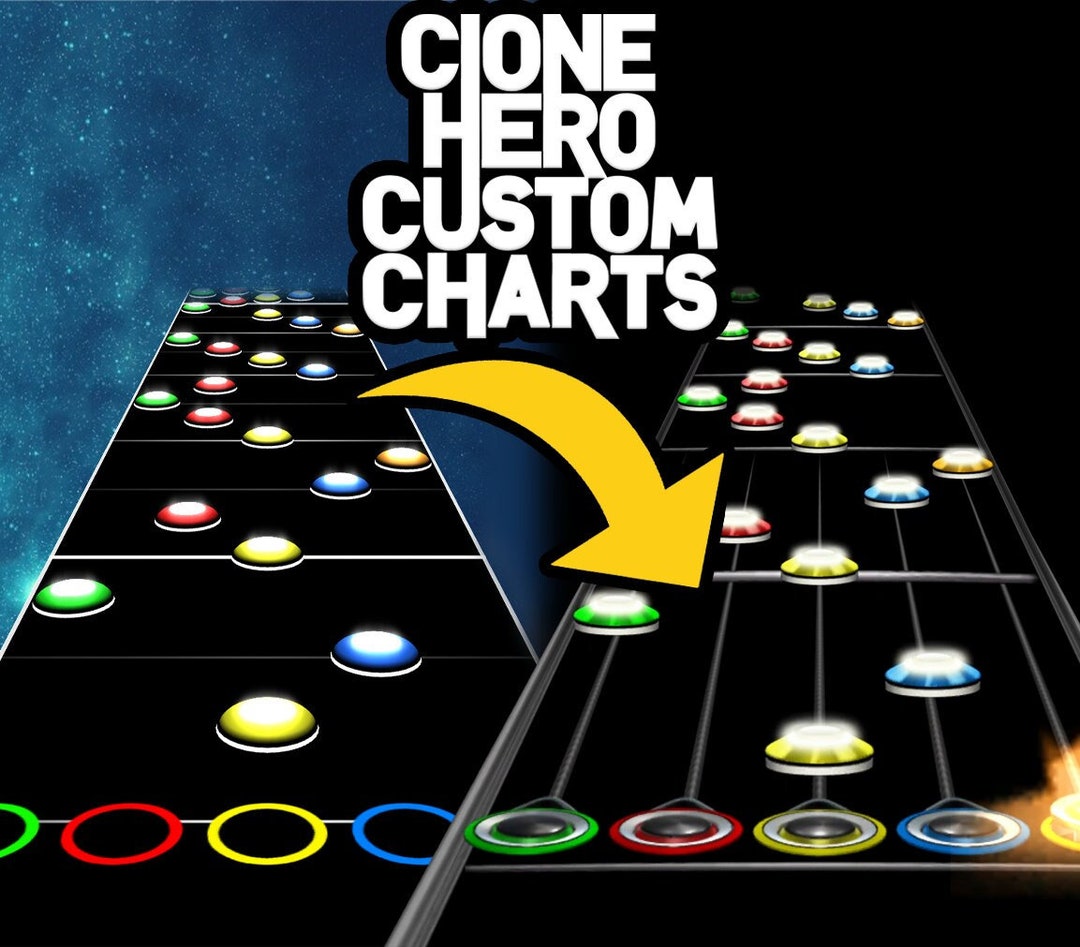
Many newcomers to clone hero charts assume they are complex and intimidating, but in reality, they are a simple and effective tool for music gamers. These charts, often associated with games like Clone Hero and Guitar Hero, provide an easy-to-read visual representation of the song's notes and rhythms. While there may be variations in chart formats, the core principle remains the same: a clear path to follow, much like a note highway.
What Are Clone Hero Charts?
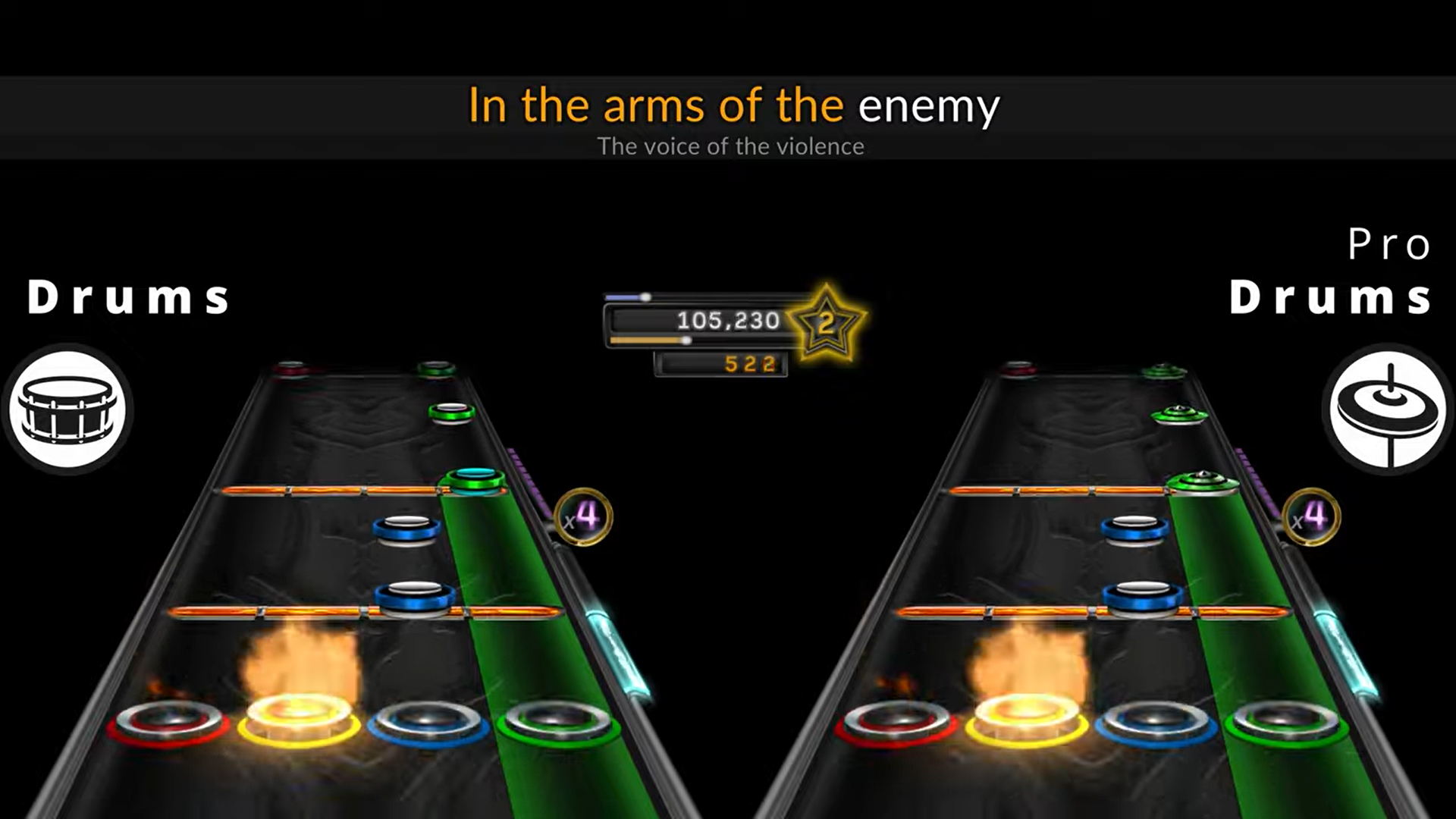
Clone Hero charts are a visual representation of a song's notes and their timing, designed to guide players through the gameplay of Clone Hero, a popular music rhythm game. These charts are essentially a roadmap for players to follow, indicating when and where to press the corresponding buttons to hit the notes accurately.
Understanding the Layout and Key Details
The chart displays a note stream, often referred to as the note highway or note track, which represents the flow of notes in a song. Each note is represented by a small circle or marker, and these notes are arranged in a specific pattern across the chart. The chart typically uses a grid-like structure, with the vertical axis indicating time and the horizontal axis representing the different lanes or frets. The notes are color-coded, with each color corresponding to a specific button or fret on the game's controller. Common colors include red, yellow, green, blue, and orange, each associated with a particular button. Additionally, the chart may include special notes, such as star power notes, indicated by unique symbols.
Reading the Note Stream and Playing the Song
To read and play a Clone Hero chart accurately, follow these steps:
- Start by familiarizing yourself with the layout and note colors. Ensure you know which color corresponds to which button or fret.
- Observe the note stream and identify the pattern. Notes are often grouped together in chords or sequences, so recognizing these patterns is crucial.
- As the song progresses, pay attention to the timing. The vertical axis indicates when each note should be played.
- Press the corresponding button or fret when the note marker reaches the designated lane. This action simulates strumming or fretting on a real guitar.
- For more advanced techniques, such as star power activation or specific finger placements, refer to the chart's symbols and follow the indicated actions.
Variations and Differences in Chart Standards
Clone Hero charts can vary depending on the song's genre, difficulty level, and the creator's style. Different chart makers may have unique approaches to note placement and timing, leading to variations in the chart's layout and complexity. Additionally, regional differences and game version updates can impact chart standards. Always check the chart's metadata or accompanying information to ensure you are using the correct version for your game setup.
Common Mistakes and How to Avoid Them
One of the most common mistakes is failing to recognize note patterns and timing accurately. Take time to study the chart and understand the song's rhythm. Another pitfall is neglecting to calibrate your game settings, which can cause timing issues. Ensure your game is properly calibrated to match your input device's response time. Additionally, some players may rush through the song, leading to missed notes. Maintain a steady pace and focus on precision.
Practical Tips for Accurate Chart Reading
To enhance your chart-reading skills and gameplay, consider these tips:
- Practice recognizing note patterns and chord progressions. This skill will improve your ability to anticipate and play notes accurately.
- Use practice modes or slower song speeds to familiarize yourself with the chart before attempting a full playthrough.
- Pay attention to your finger placement and strive for consistency. Proper finger placement can improve your accuracy and reduce fatigue.
- Take breaks and rest your hands to prevent strain, especially during longer play sessions.
Double-Checking and Handling Edge Cases
While Clone Hero charts provide a comprehensive guide, it's essential to double-check specific details, especially for complex songs or unique gameplay elements. Some charts may include custom symbols or notation, so refer to the chart's documentation or creator's notes for clarification. Additionally, if you encounter a chart with an unfamiliar layout or notation style, consider seeking guidance from the Clone Hero community or referencing other charts for comparison.
Well, there you have it! Clone hero charts are a handy tool, and now you know the ins and outs. Remember, the key is to understand the basics and then tailor them to your specific needs.
Before you go, just a quick reminder to always check the relevant standards and sources for your project. Exact values and terminology can vary, so it's best to double-check and ensure accuracy. Consider this guide a starting point, and feel free to bookmark it for future reference. Happy charting!